

 call(618) 719-6767 call


Proudly Serving Homeowners Across Missouri
Emergency Roof Tarping in Fairview Heights, IL
5.0 Stars - Based on 231 User Reviews
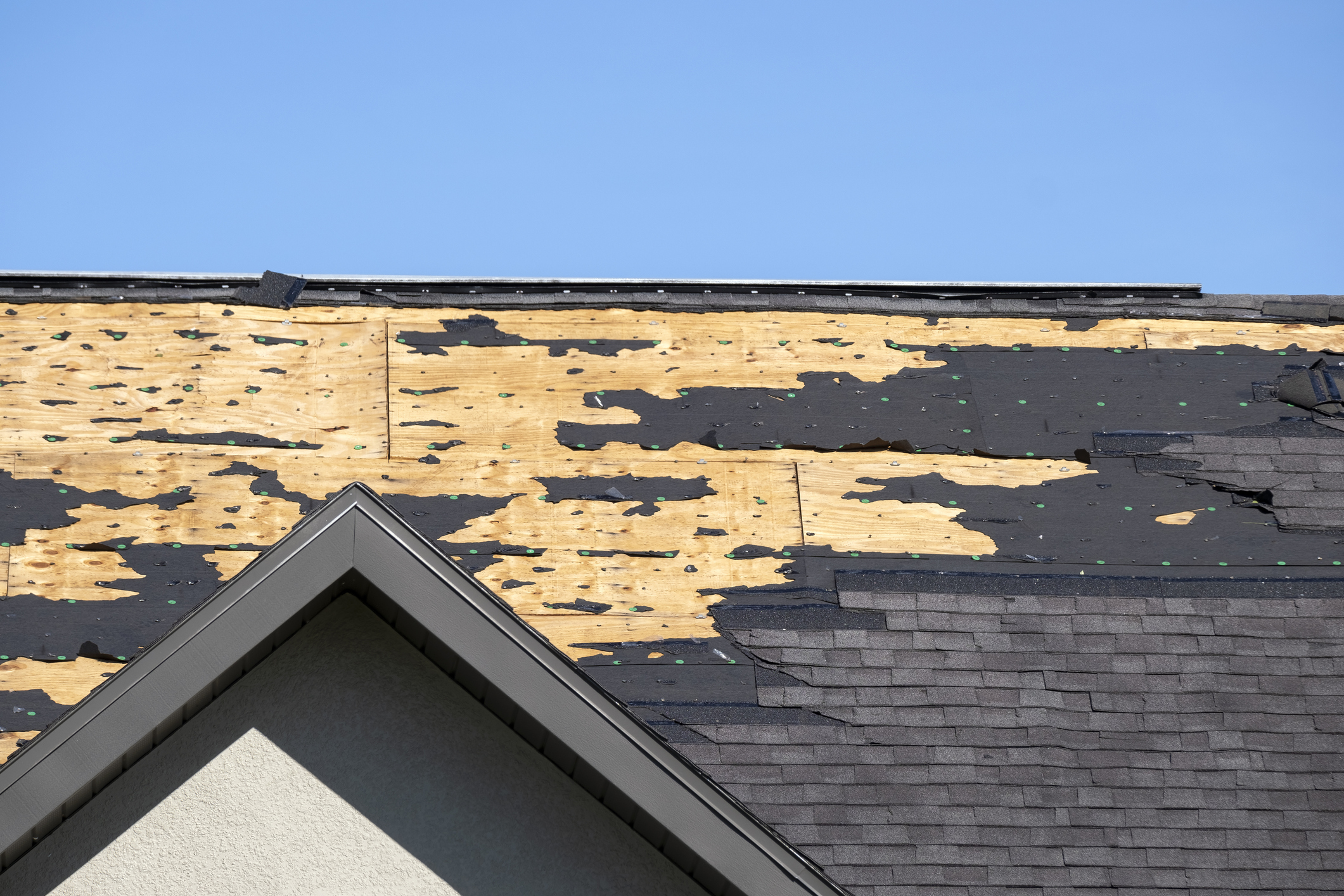
Fairview Heights sits in a part of the St. Louis metro where the weather can turn fast and hit hard. Strong thunderstorms, high winds, and hail are a real part of life here, and when a storm tears off shingles, cracks flashing, or punches a hole through your roof, the damage doesn't wait. With rain spread throughout the year and winter bringing freezing temperatures that can push moisture into even the smallest openings, an exposed roof is a serious problem. The longer your home sits unprotected, the more water works its way into the structure beneath.
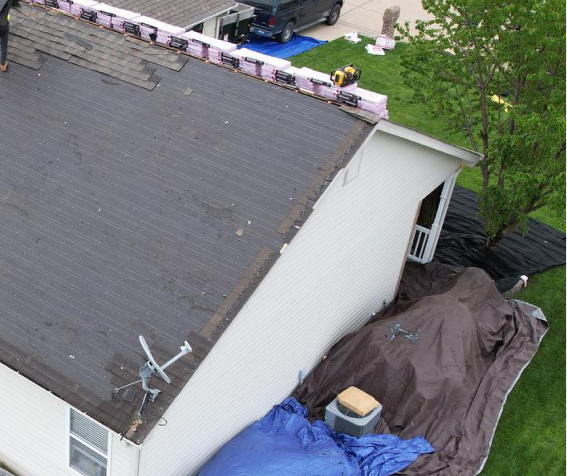
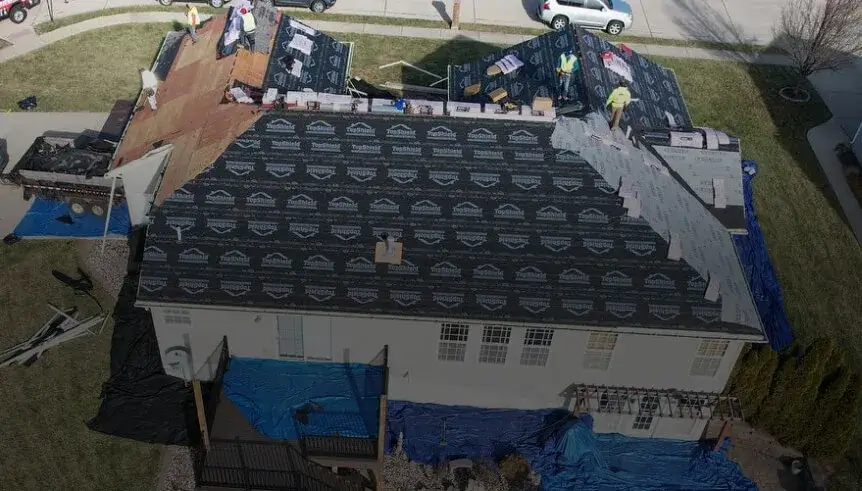
Emergency roof tarping is the first line of defense when your roof takes a hit. A properly secured tarp keeps rain, wind, and snowmelt out of your home while you arrange for permanent repairs. That matters a lot in a market where homes are older, and roofs often have worn edges, aging underlayment, or irregular lines that need careful attention during temporary covering. Getting it right the first time protects your home and keeps a bad situation from getting worse.
Total Roofing serves homeowners throughout Fairview Heights with fast, reliable emergency tarping done by people who know this area and understand what local roofs deal with season after season. When your roof is open and rain is in the forecast, you need someone who can respond quickly and do the job right.
How Emergency Roof Tarping Works in Fairview Heights, IL
When your roof is exposed and more bad weather may be on the way, having a clear plan for temporary protection can make the situation easier to handle. Here is what to expect from the initial call through the follow-up after the tarp is secured.
- Step 1: Assess the Damage On-Site
We get to the property quickly and evaluate the damaged area before conditions change. Our first look focuses on where water is entering, how much of the roof deck is exposed, and what materials and anchoring approach will be appropriate for the situation. - Step 2: Secure Temporary Protection
Once the affected area has been assessed, we place a heavy-duty tarp over the opening and secure it carefully. Extra attention goes to worn sections, irregular rooflines, and existing repairs that need to remain undisturbed. Older roofs can require more attention when anchoring the tarp, since shifting or lifting can leave the damaged area exposed again. - Step 3: Inspect the Surrounding Roof
With temporary protection in place, we examine the damaged section and the roofing around it to determine what the permanent repair will involve. We check the roof decking, underlayment, flashing, and surrounding shingles to separate damaged materials from areas that are still holding up. When the repair is limited to a small section, we will tell you that directly. - Step 4: Explain the Permanent Repair
We review what the roof needs and explain how the permanent repair will be handled, including any city building or zoning oversight that may apply based on the scale of the work. Our recommendation stays focused on restoring the damaged area properly without adding unnecessary work. - Step 5: Review Temporary Protection and Follow-Up
Before leaving, we explain what to watch for while the tarp remains in place and how to limit further exposure until permanent repairs are completed. We also discuss signs that may require another inspection, particularly if rain, snowmelt, or high winds return and conditions around the tarp change.
When to Call for Roof Tarping in Fairview Heights, IL
Not every roof problem calls for emergency tarping, but some situations demand it right away. In this part of the St. Louis metro, where storms can drop hail, peel back shingles, and leave your roof deck exposed within minutes, knowing what warrants a fast response can save you from much bigger repair bills down the road.
| Situation | Why It Matters Here | Urgency Level |
|---|---|---|
| Missing or displaced shingles after high winds | Exposed roof deck absorbs rain quickly, especially during spring and early summer storm seasons | High |
| Hail punctures or impact damage | Small openings grow fast when rain follows immediately after a storm | High |
| Cracked or separated flashing | Water channels directly into the roof structure at vulnerable seams | Moderate to High |
| Roof damage during winter | Temperature changes and snowmelt can push moisture into even minor openings before repairs are scheduled | High |
| Aging underlayment or brittle shingles | Older roofs common in St. Clair County are more likely to spread damage without temporary protection | Moderate |
Emergency tarping is a short-term weatherproofing step, not a permanent fix. It buys you time to arrange permitted repairs without leaving your home exposed to whatever the forecast brings next.
Heavy-Duty Tarp Materials Built for Real Weather
Not all tarps hold up the same way, and in a climate where gusty thunderstorms can follow close behind the damage that caused them, material quality matters. We use thick, heavy-duty tarps rated to handle wind, rain, and snowmelt so your home stays protected from the next round of weather, not just the one that already hit.
Anchoring Designed Around Older Roof Conditions
Many homes in Fairview Heights and the broader St. Clair County area have roofs with worn edges, patched sections, or irregular lines that make standard anchoring approaches a bad fit. We adjust how we secure the tarp to work with those conditions so the covering stays in place without pulling at fragile shingles or disturbing existing repairs.
Coverage Sized to the Actual Damage Zone
A tarp that barely covers the visible damage often leaves adjacent areas exposed, and that becomes a problem fast when rain or snowmelt is involved. We size the coverage area to account for the full extent of the exposed roof deck, including areas around the primary damage that could let water in if left unaddressed.
Winter-Ready Tarping for Freeze and Melt Conditions
Storm damage is not the only time an exposed roof becomes a real problem. During Fairview Heights winters, temperature swings and snowmelt can push moisture into small openings before permanent repairs are possible. Our tarping approach accounts for those conditions so your home stays protected through the cold months, not just after the storm that caused the damage.
Get Emergency Roof Tarping Done Right in Fairview Heights, IL
Wet springs, stormy summers, and winters that bring both snow and melt cycles mean a damaged roof here rarely gets a break from moisture pressure. Leaving an opening in your roof unprotected, even briefly, gives water a path into your roof decking, framing, and interior that can turn a straightforward repair into something far more involved. Getting a tarp secured quickly and correctly protects your home and keeps your repair costs where they should be.
Total Roofing is ready to help homeowners across the Fairview Heights area stabilize a damaged roof and plan the next steps without any pressure. If your roof has taken damage and you are not sure what to do first, reaching out is a good place to start.
Frequently Asked Questions
Got questions about your roof? We’ve got answers. From maintenance tips to insurance claims and repair timelines, our FAQ section covers the most common concerns homeowners have. Get informed and make confident decisions about protecting your home.
Will a tarp hold up if another storm comes through before my roof is fully repaired?
A properly secured, heavy-duty tarp is designed to handle the kind of follow-up rain and wind that are common in the St. Louis metro area. The key is in how it’s anchored. If the edges are not secured tightly around the damaged area, even moderate wind can lift it and undo the protection quickly. That is why anchoring to the specific conditions of your roof matters more than the tarp itself.
Does emergency tarping require a permit in Fairview Heights?
Temporary tarping itself is generally considered a weatherproofing measure and is not the kind of work that typically triggers a building permit. However, the permanent repairs that follow may require a permit depending on the scale, since Fairview Heights follows municipal building and zoning procedures for roofing work. Knowing that distinction upfront helps you plan for what comes next without delays once the tarp is in place.
How does an older roof affect the tarping process compared to a newer one?
Older roofs found throughout St. Clair County often have more brittle shingles, worn underlayment, and previous patchwork that changes how a tarp needs to be installed. Standard anchoring methods that work fine on a newer roof can actually cause more damage on an aging one by pulling at fragile edges or disturbing existing repairs. Adjusting the approach to match those conditions is what keeps the tarp doing its job without creating new problems in the process.
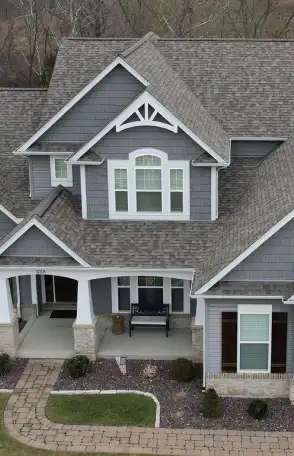
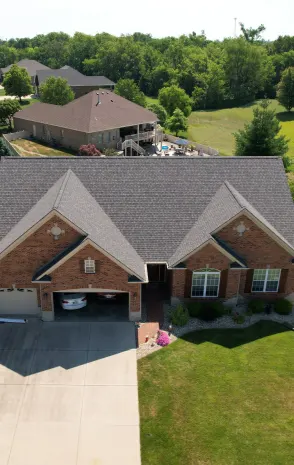
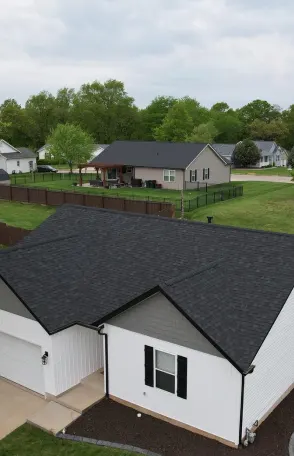
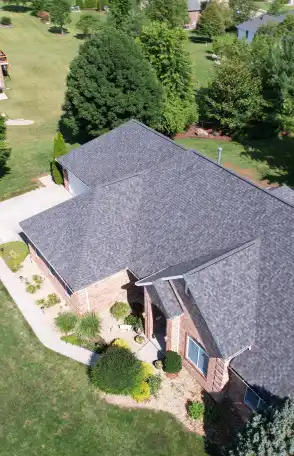
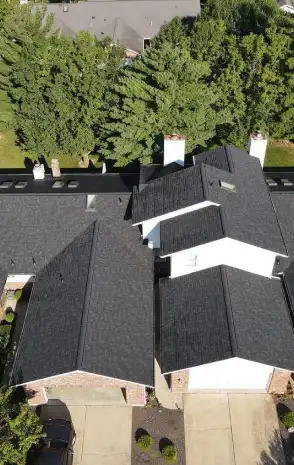
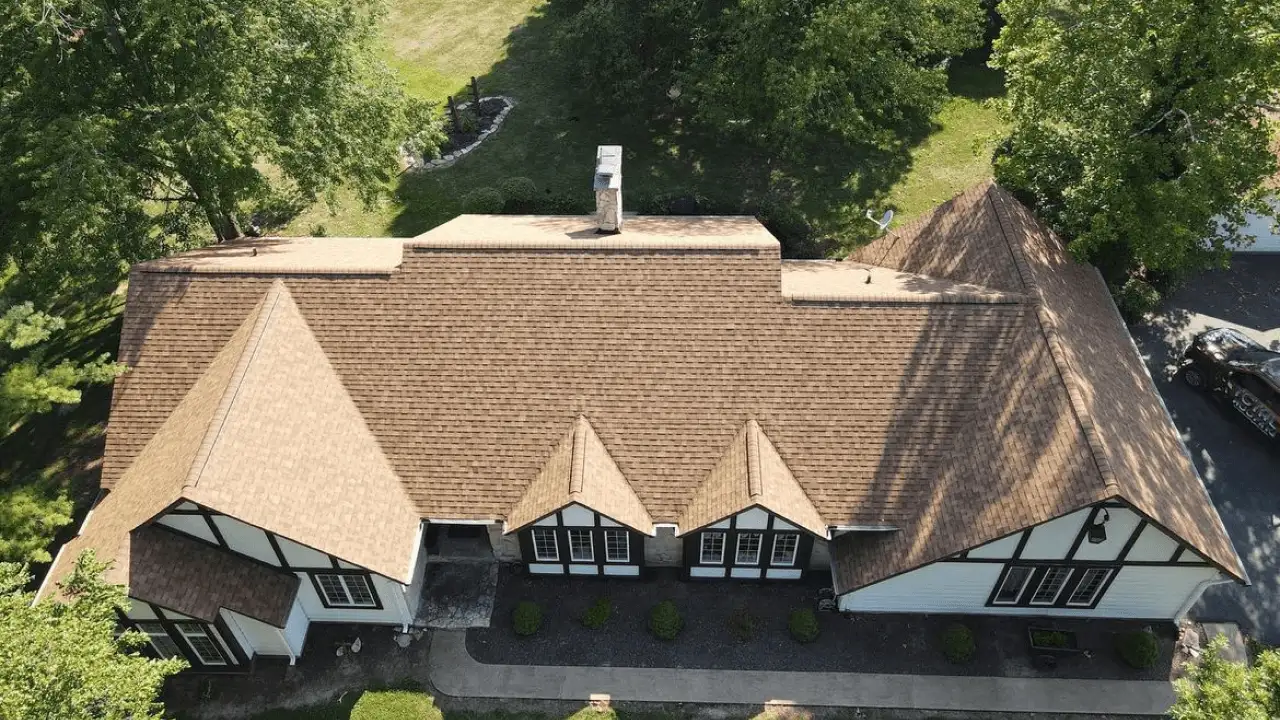
Our Work Speaks For Itself
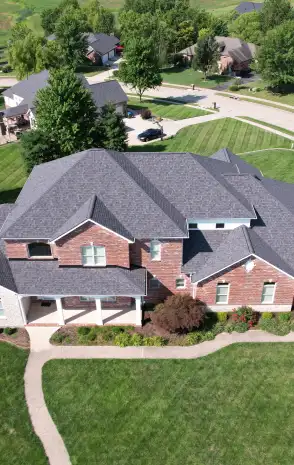
Our completed roofing projects reflect our commitment to quality, durability, and craftsmanship. From repairs to full installations, every job is done with attention to detail and built to last.

Our Client Feedback
Our work is best told through our customers. Whether it’s a quick repair or a full roof replacement, Total Roofing delivers reliable roofing done right.
View more arrow_forward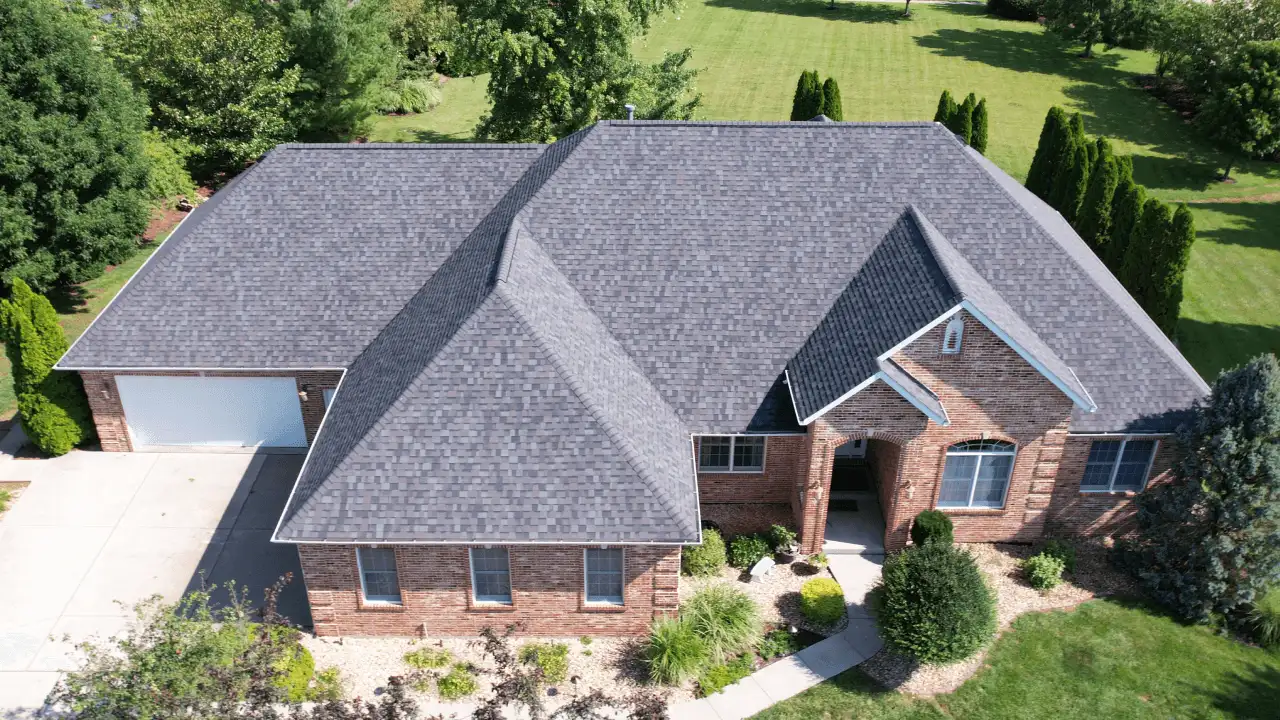











Professional Guidance and Consultation for All Roofing & Remodeling Projects
If you would like a free estimate for a new roof, please contact your nearest office location listed below. You may also submit an inquiry through the contact form, and a member of our team will respond promptly.
- done_allFree, detailed roof inspection by certified professionals Free
- done_allAccurate estimates with transparent pricing 100% Trusted
- done_allNo obligation and no pressure to commit
- done_allFast response and timely project scheduling
- done_allHigh-quality materials and skilled workmanship
- done_allDedicated support from consultation to completion









Get Your Free Professional Roof Inspection