

 call(618) 719-6767 call


Proudly Serving Homeowners Across Missouri
Emergency Roof Tarping in O'Fallon, IL
5.0 Stars - Based on 231 User Reviews
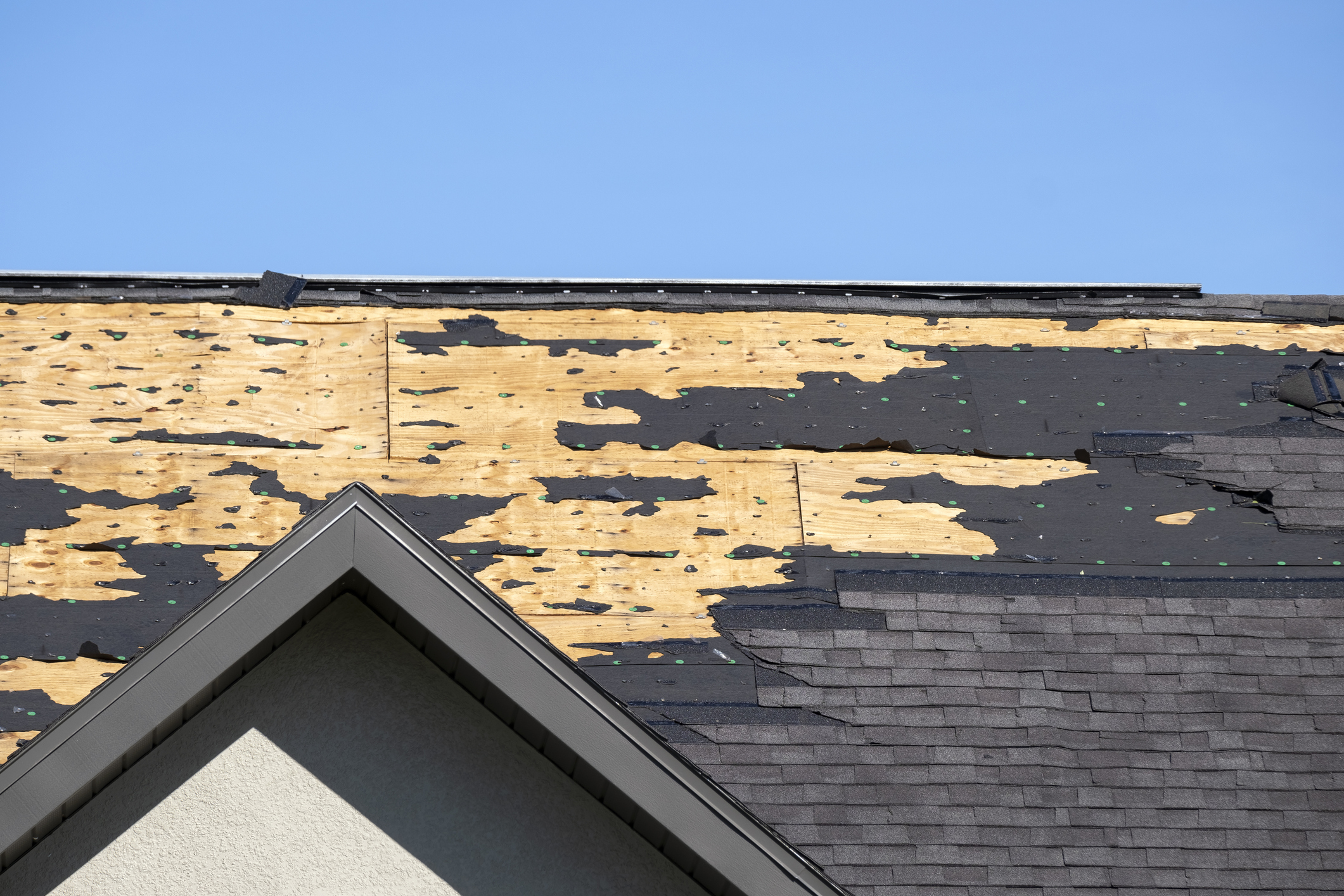
O'Fallon sits in a part of Illinois where severe weather is not just possible. It’s routine. Thunderstorms rolling through the Metro East region can bring hail over an inch in size, and wind gusts strong enough to lift shingles right off the roof deck. The area has seen straight-line winds pushing past 70 knots and at least one confirmed tornado touching down near the northeastern edge of town. When that kind of storm hits your home, the roof can go from intact to actively leaking in minutes. Wet springs, heavy summer storms, and winter snowmelt all make exposed roof openings a serious problem, because the next round of rain or moisture is rarely far behind.
That is exactly why emergency roof tarping matters here. A properly secured tarp stops water from reaching your ceilings, walls, and flooring while you arrange a permanent repair. It’s not a fix, but it’s fast protection that gives you time to make the right decision instead of a rushed one. Total Roofing works with homeowners and property owners across O'Fallon to get tarps in place quickly after storm damage, covering areas with shingle loss, punctures, or lifted edges before conditions get worse.
Whether a hailstorm punched through your roof covering or wind peeled back a section near the ridge, getting that opening protected right away is the most important step you can take.
How Emergency Roof Tarping Works in O'Fallon, IL
If you've never dealt with storm damage before, not knowing what happens next can feel just as stressful as the damage itself. Here's exactly what to expect when you call Total Roofing for emergency roof tarping.
- Step 1: Immediate Response and Triage
When you call, we move quickly. Our crew heads to your property to look at what the storm left behind, whether that's missing shingles, a puncture from hail impact, or a section of roofing lifted near the ridge or edge. We focus on identifying every open or vulnerable area before anything else. - Step 2: Temporary Protection Installed
Once we know what we're dealing with, we get a tarp secured over the damaged area right away. We cover the full opening plus enough surrounding surface to keep wind and rain out during the next storm. The goal is stopping water from reaching your interior while a permanent repair is planned. - Step 3: Complete Inspection Once Stabilized
With the roof protected, we take a closer look at the overall condition. We check for additional damage that may not have been visible at first, including lifted edges, compromised flashing, or impact openings that could get worse if left uncovered. - Step 4: Permanent Solution Planning
We walk you through exactly what we found and what needs to happen next. If the damage is limited to one area, we'll tell you that. We only recommend work that's actually needed, no upsells, no pressure. - Step 5: Prevention Guidance and Follow-up
Before we leave, we talk through what made your roof vulnerable and what you can do going forward. We also follow up to make sure the tarp held and that you have a clear path to getting the permanent repair scheduled.
Storm Damage and Tarping in O'Fallon, IL
Not every roof situation calls for emergency tarping, but O'Fallon's storm patterns mean certain types of damage come up again and again. Knowing what to watch for after a severe storm can help you act quickly before a small opening turns into a much bigger problem. The table below breaks down the most common storm-related roof damage in this area and what each type typically means for your home.
| Damage Type | Common Cause in O'Fallon | Tarping Priority |
|---|---|---|
| Missing or lifted shingles | Straight-line winds and strong gusts during thunderstorms | High: exposed roof deck needs immediate coverage |
| Hail impact punctures | Large hailstones breaking through roof coverings | High: openings allow water in during the next rain |
| Ridge or edge separation | Wind uplift pulling roofing away from edge details | High: water travels inward quickly along lifted edges |
| Debris impact damage | Tornado-associated wind carrying tree limbs or other debris | High: irregular openings are difficult to seal without a tarp |
Any of these damage types can get worse fast in O'Fallon, where another round of storms can follow within days of the first. Getting a tarp over the affected area right away is the best way to protect your ceilings, walls, and flooring while a permanent repair is arranged. Delays during wet spring and summer seasons, or during winter when snowmelt adds steady moisture, tend to turn manageable situations into much larger repairs.
Heavy-Duty Tarp Material Rated for Wind and Rain
Not all tarps are built the same, and the kind used for emergency roof protection needs to hold up through additional storms, not just the one that caused the damage. We use thick, reinforced tarps rated to resist tearing and wind uplift so the temporary cover stays in place until your permanent repair is complete.
Full Coverage Beyond the Visible Damage Zone
A tarp that only covers the obvious opening often leaves surrounding areas exposed to water that travels sideways under the material. We extend coverage past the damaged section to account for wind-driven rain and runoff patterns, giving your home a wider margin of protection.
Secure Anchoring That Protects the Roof Deck
Tarps that aren't properly anchored can peel back in high winds, which is a real concern in O'Fallon where follow-up thunderstorms are common after a major storm. We fasten tarps using methods that hold firmly without causing additional damage to the surrounding roofing material or the roof deck underneath.
Service Available After Standard Business Hours
Storm damage doesn't wait for a convenient time, and a roof left open overnight or through a weekend can absorb serious water damage before Monday morning. Total Roofing offers emergency tarping outside of regular hours so your home isn't left unprotected while you wait for a crew to become available.
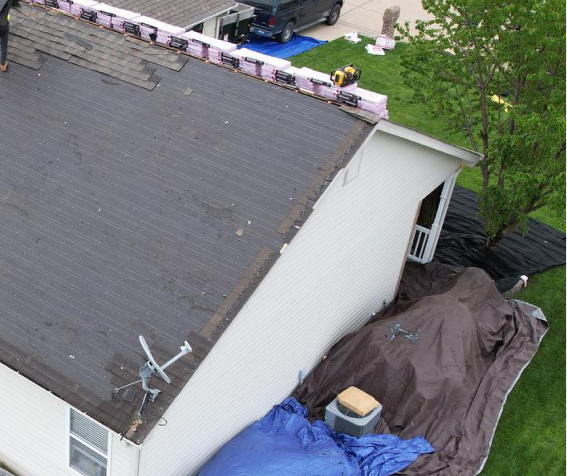
Get Emergency Roof Tarping in O'Fallon, IL
Storms in this part of Illinois move fast, and the window between damage and the next round of rain can be short. Getting a tarp in place quickly protects your ceilings, flooring, and walls from the kind of water damage that turns a straightforward roof repair into something far more involved. Whether it's late spring thunderstorm season or a winter system tracking through the Metro East, temporary roof protection gives you the time to plan a permanent fix without pressure or panic.
Total Roofing is ready to help O'Fallon homeowners and property owners get their roofs covered fast after storm damage. If you've noticed missing shingles, a visible opening, or signs of a leak after a recent storm, reaching out sooner rather than later is the right call. Contact us to get a crew out and your roof protected.
Frequently Asked Questions
Got questions about your roof? We’ve got answers. From maintenance tips to insurance claims and repair timelines, our FAQ section covers the most common concerns homeowners have. Get informed and make confident decisions about protecting your home.
Can a tarp hold up if another storm rolls through before my permanent repair is scheduled?
A properly installed, heavy-duty tarp can handle follow-up storms, but only if it was anchored the first time correctly. In O'Fallon, where strong thunderstorms can follow within a day or 2 of the one that caused the original damage, the way a tarp is fastened matters as much as the material itself. A tarp that lifts or shifts in wind-driven rain leaves your roof in worse shape than before, which is why professional installation makes a real difference here.
Does the time of year affect how urgent tarping is after wind or hail damage?
Yes, and the stakes change depending on the season. Late spring through summer is when back-to-back storm systems are most common in the Metro East, so an uncovered roof opening can take on water multiple times before a repair crew arrives. Winter is a different kind of risk: snowmelt and temperature changes push moisture into any exposed area slowly but steadily, and by the time you see ceiling damage, the problem has usually been building for a while.
What part of my roof is most likely to fail first after a high-wind storm in O'Fallon?
Ridge lines and roof edges tend to be the first areas to show damage after the straight-line winds and gusts common to this region. Wind gets underneath shingles at the edges and works inward, and ridge caps are exposed to uplift from multiple directions. Once those areas are compromised, water travels fast toward the interior, so those spots should be the first thing checked after any storm with reported gusts above 50 mph.
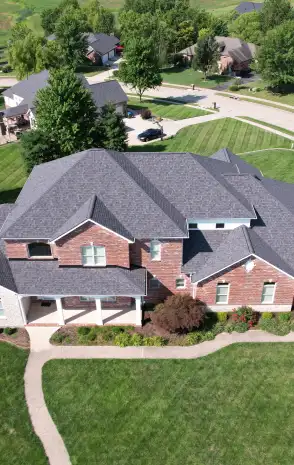
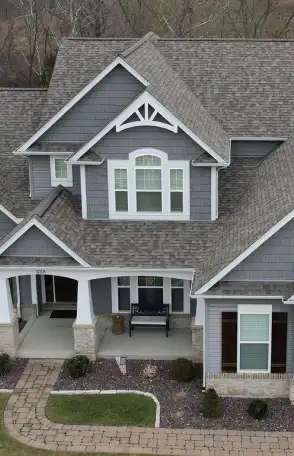
Our Work Speaks For Itself
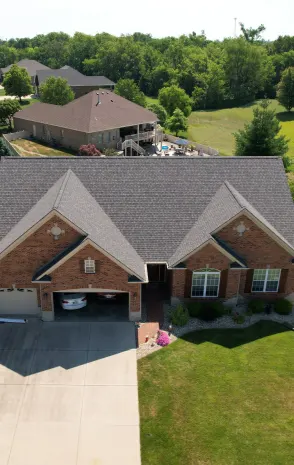
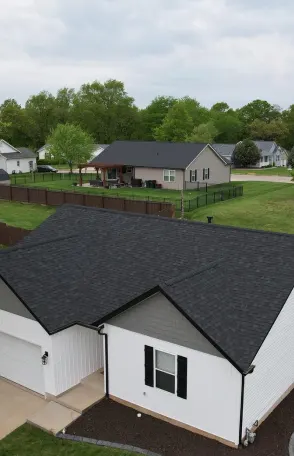
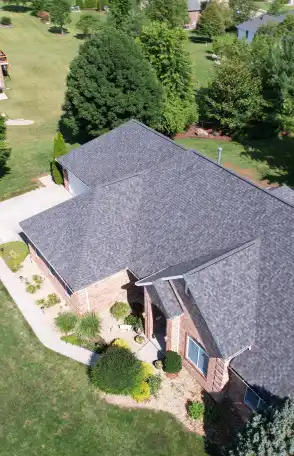
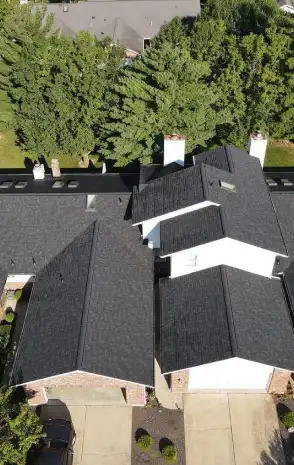
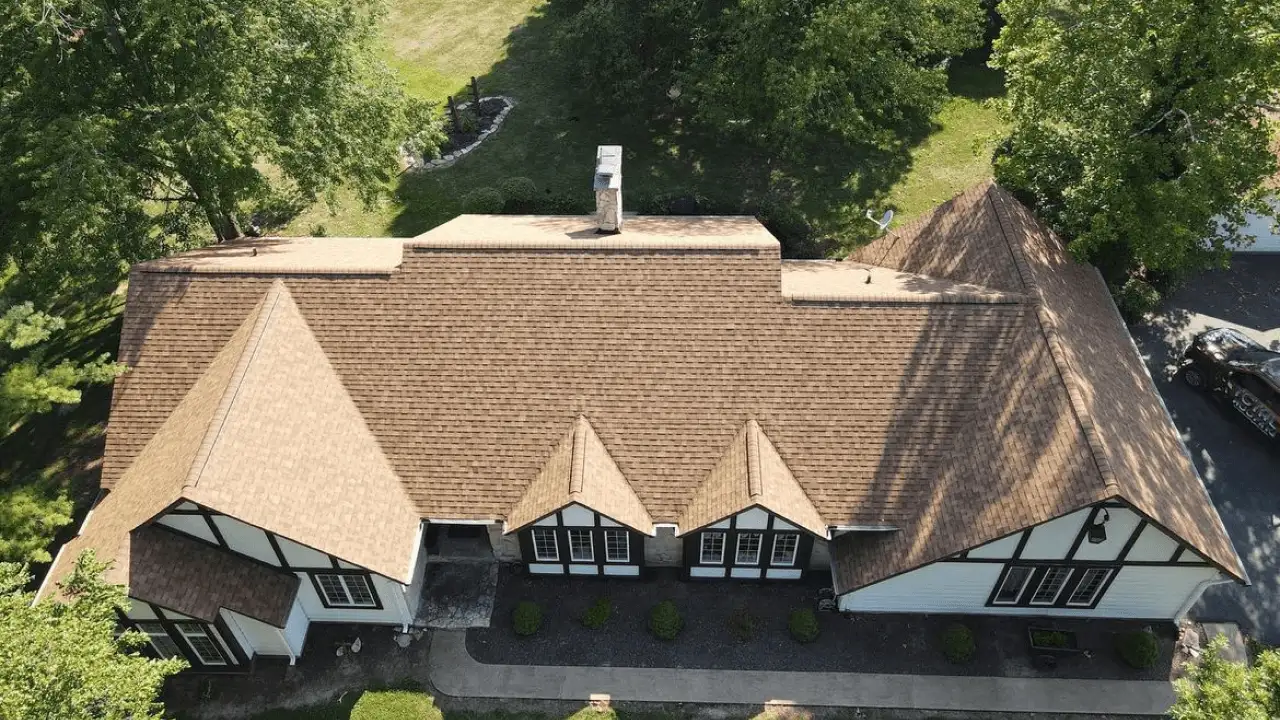
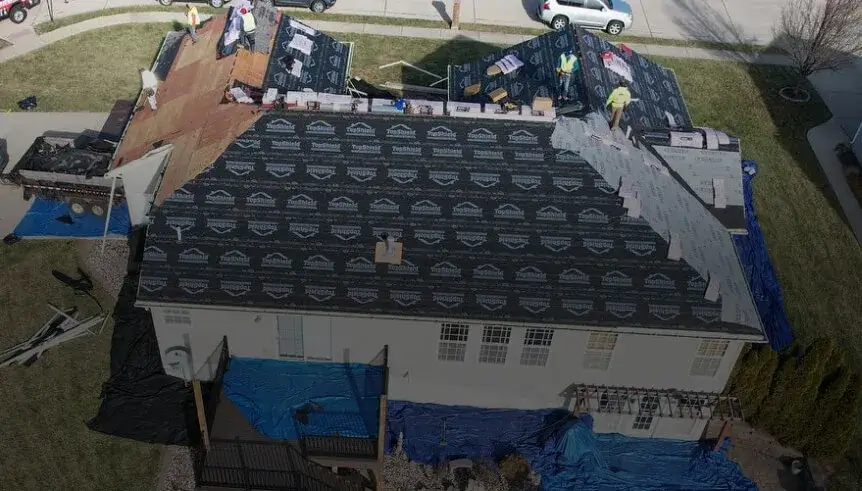
Our completed roofing projects reflect our commitment to quality, durability, and craftsmanship. From repairs to full installations, every job is done with attention to detail and built to last.

Our Client Feedback
Our work is best told through our customers. Whether it’s a quick repair or a full roof replacement, Total Roofing delivers reliable roofing done right.
View more arrow_forward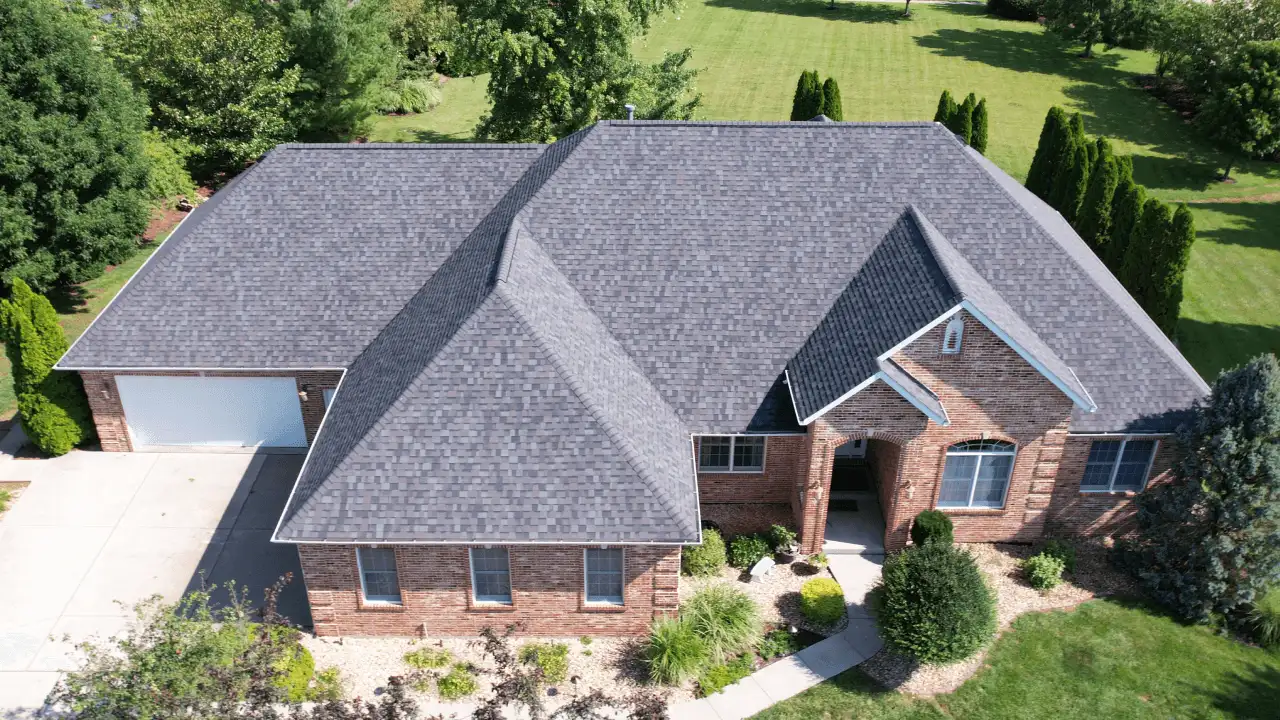











Professional Guidance and Consultation for All Roofing & Remodeling Projects
If you would like a free estimate for a new roof, please contact your nearest office location listed below. You may also submit an inquiry through the contact form, and a member of our team will respond promptly.
- done_allFree, detailed roof inspection by certified professionals Free
- done_allAccurate estimates with transparent pricing 100% Trusted
- done_allNo obligation and no pressure to commit
- done_allFast response and timely project scheduling
- done_allHigh-quality materials and skilled workmanship
- done_allDedicated support from consultation to completion










Get Your Free Professional Roof Inspection