

 call(618) 719-6767 call


Proudly Serving Homeowners Across Missouri
Commercial Roof Inspections in St. Charles, MO
5.0 Stars - Based on 231 User Reviews
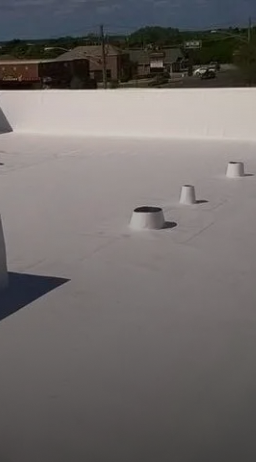
St. Charles sits in an area that keeps commercial roofs working hard year-round. Summers bring heat and humidity that wear on membranes and seams, while winters bring cold temperatures, snow, and repeated temperature changes that open up small gaps around flashing and drainage points. Spring and early summer tend to be the wettest stretch of the year, and the area sees enough hail and high winds to make post-storm inspections a regular part of owning commercial property here. When a flat or low-slope roof takes that kind of stress without anyone looking it over, small problems quietly become expensive ones.
A professional commercial roof inspection gives building owners and property managers a clear picture of where things stand before a minor issue turns into a repair that disrupts tenants or business operations. Total Roofing works with commercial properties across St. Charles and understands the specific needs that come with this area, from aging systems in established commercial environments to newer flat-roof buildings in the county's growing industrial and retail areas. Whether you manage one building or several, knowing the condition of your roof is the kind of information that protects your investment and supports smarter decisions about maintenance and repair.
St. Charles has a strong base of commercial and industrial properties, and many of those buildings rely on TPO, EPDM, or PVC roofing systems that require regular attention to seams, drainage areas, and fastener points. A complete inspection addresses all of it, giving you documented findings you can act on with confidence.
How Our Commercial Roof Inspections Work in St. Charles, MO
Knowing what to expect makes the whole process easier. Here is exactly how Total Roofing handles a commercial roof inspection in St. Charles from start to finish:
- Step 1: Scheduling and Access Coordination
We work around your schedule and facility operations so the inspection causes as little disruption as possible. Before we arrive, we confirm the areas we need to access, any safety requirements for your property, and whether you want a representative present during the walkthrough. Getting this right upfront keeps everything on track. - Step 2: Thorough Inspection of Your Roofing System
Our team walks the entire roof, checking membranes, seams, flashing, drainage points, openings, and any areas where the system connects to walls or equipment curbs. On flat and low-slope systems, we pay close attention to seam separation and areas where water might pond. - Step 3: Documentation and Findings
We document what we find with photos and written notes, so you have a clear record of your roof's condition. This documentation is useful for maintenance planning, tracking changes over time, or supporting decisions ahead of permitted repair work. - Step 4: Honest Evaluation and Recommendations
We walk you through what we found and explain what it means. If repairs are needed, we tell you what and why. If the roof is in good shape and no work is required, we will tell you that too. We only recommend work that is actually needed. - Step 5: Clear Next Steps
If there is work to address, we outline your options so you can make an informed decision without pressure. If nothing is needed right now, we help you understand what to watch for and when another inspection makes sense. You leave the process knowing exactly where things stand.
When to Schedule a Commercial Roof Inspection in St. Charles, MO
Timing an inspection properly can mean the difference between catching a problem early and dealing with a repair that was entirely avoidable. Weather in St. Charles creates several points in the year where getting a professional set of eyes on your roof makes a lot of sense for commercial property owners and managers.
| Timing | What Drives It | What to Look For |
|---|---|---|
| After a hail or wind storm | Hail and high winds are common in St. Charles County and can puncture membranes | Impact marks, seam separation, flashing displacement |
| Late spring to early summer | The wettest part of the year exposes drainage weaknesses and existing leak points | Ponding areas, clogged drains, membrane bubbling |
| After winter into early spring | Temperature changes can open small gaps around openings and seams | Flashing separation, seam movement, water staining |
| Before permitted repair or replacement work | Documented roof condition may be needed ahead of permit applications through the city | Full surface condition, existing damage, system age |
Most commercial roofing professionals recommend inspecting low-slope and flat roofing systems at least twice a year, with additional inspections after major storms. For older systems or buildings with a history of drainage issues, more frequent check-ins help you stay ahead of repairs before they grow into larger problems that affect your tenants or operations.
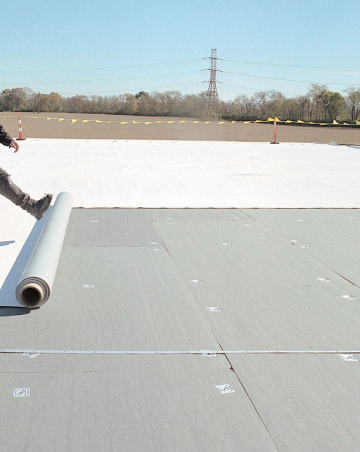
What’s Included in a Commercial Roof Inspection in St. Charles, MO?
Catching small roof problems early is the best way to avoid expensive interior damage later. Here’s what every commercial roof inspection we perform in St. Charles covers, from the surface to the final written report:
Membrane & Seam Condition Check
On TPO, EPDM, and PVC roofs, seams and membrane surfaces are where problems tend to start. Our inspection looks specifically for shrinkage, bubbling, punctures, and seam separation that can let water into the system long before a visible leak shows up inside your facility.
Flashing & Opening Inspection
Anywhere the surface meets a wall, curb, vent, HVAC unit, or pipe is a potential weak point. We inspect every opening and flashing connection for gaps, lifting, and deterioration so you know exactly where your roof is most exposed to water entry.
Drainage System Review
Ponding water is one of the most common problems on flat and low-slope commercial roofs in St. Charles. We check drains, scuppers, and low points across the roof to identify areas where water is not moving off the way it should, which can quietly add stress to the membrane and accelerate wear.
Written Condition Report with Photos
At the end of the inspection, you receive a written summary of findings backed by photos taken on your roof that day. This gives you a documented record of your roof's current condition, which is useful for maintenance planning, tracking changes over time, and supporting decisions about repair or permitted work through the city.
Frequently Asked Questions
Got questions about your roof? We’ve got answers. From maintenance tips to insurance claims and repair timelines, our FAQ section covers the most common concerns homeowners have. Get informed and make confident decisions about protecting your home.
Does the proximity to the Missouri River affect how commercial roofs in St. Charles hold up over time?
It can. Properties closer to the river tend to see higher moisture exposure and more frequent periods of elevated humidity, which can accelerate wear on membrane seams and drainage points. Buildings in lower-lying or flood-adjacent areas may also deal with more flying debris during storms. If your facility sits near the river, we will pay closer attention to the areas most likely to show early wear.
What should a property manager do between annual inspections to stay on top of the roof’s condition?
The most useful habit is a simple visual check after any significant storm, looking for standing water that has not cleared within 1 or 2 days and checking interior ceilings for new staining or moisture. Keeping drains and scuppers clear of debris is also something facility staff can handle on a routine basis, since clogged drainage is one of the main ways a flat roof develops problems. These steps do not replace a professional inspection, but they help you spot changes worth flagging before a scheduled walkthrough.
Can a commercial roof inspection uncover problems that are not yet visible from inside the building?
Yes, and that is actually one of the more important reasons to schedule inspections on a regular cycle rather than waiting for an interior leak to appear. Seam separation, membrane shrinkage, and flashing gaps can let moisture into a roofing system for an extended period before it ever shows up as a stain on a ceiling or wall. By the time it’s visible inside, water has often been working its way through the system for weeks or longer, which tends to make the repair more involved than it would have been at the surface level.
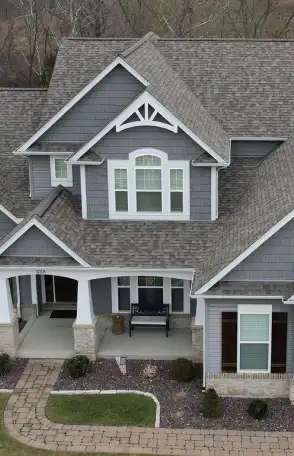
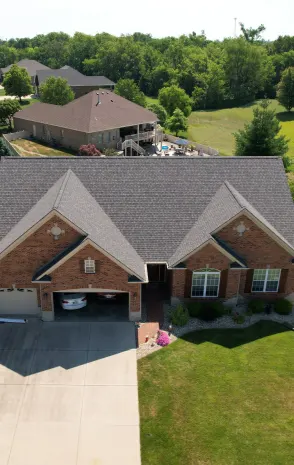
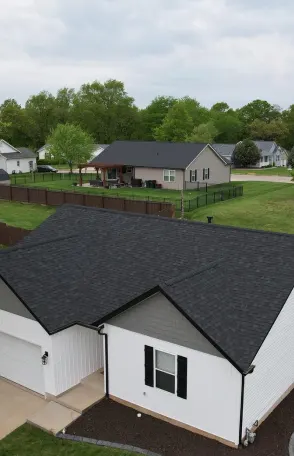
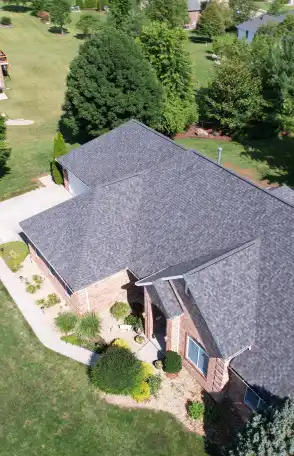
Our Work Speaks For Itself
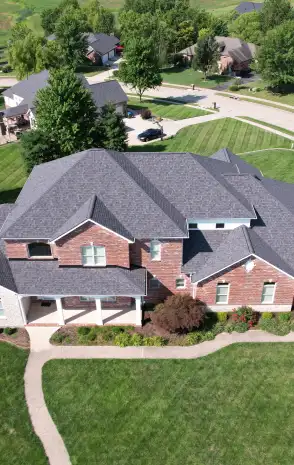
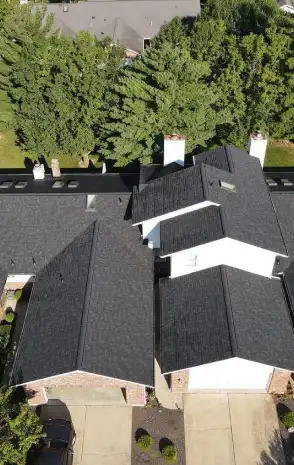
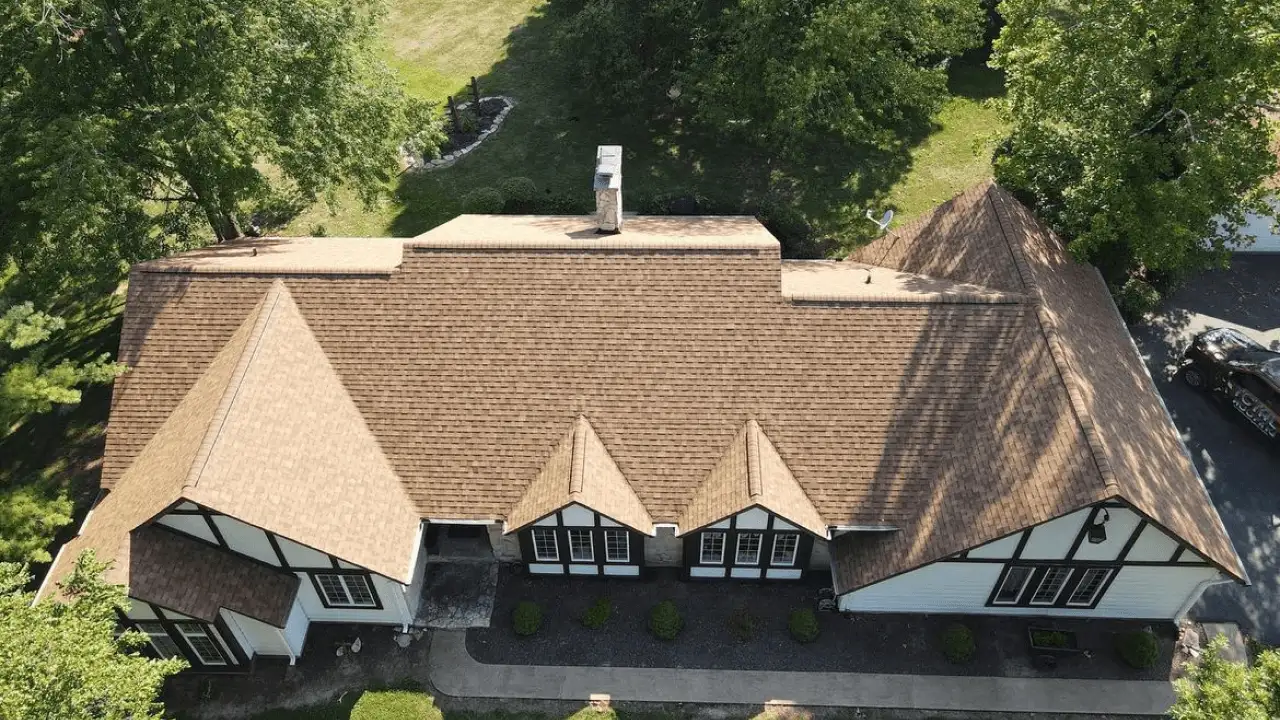
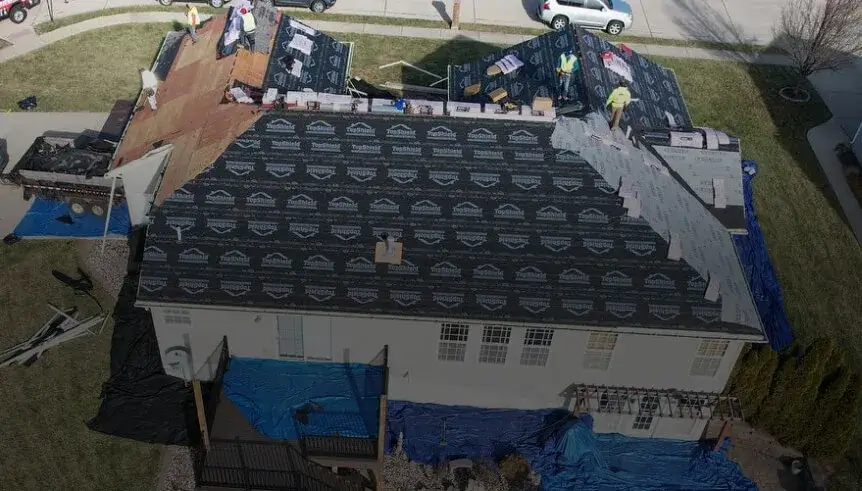
Our completed roofing projects reflect our commitment to quality, durability, and craftsmanship. From repairs to full installations, every job is done with attention to detail and built to last.

Our Client Feedback
Our work is best told through our customers. Whether it’s a quick repair or a full roof replacement, Total Roofing delivers reliable roofing done right.
View more arrow_forward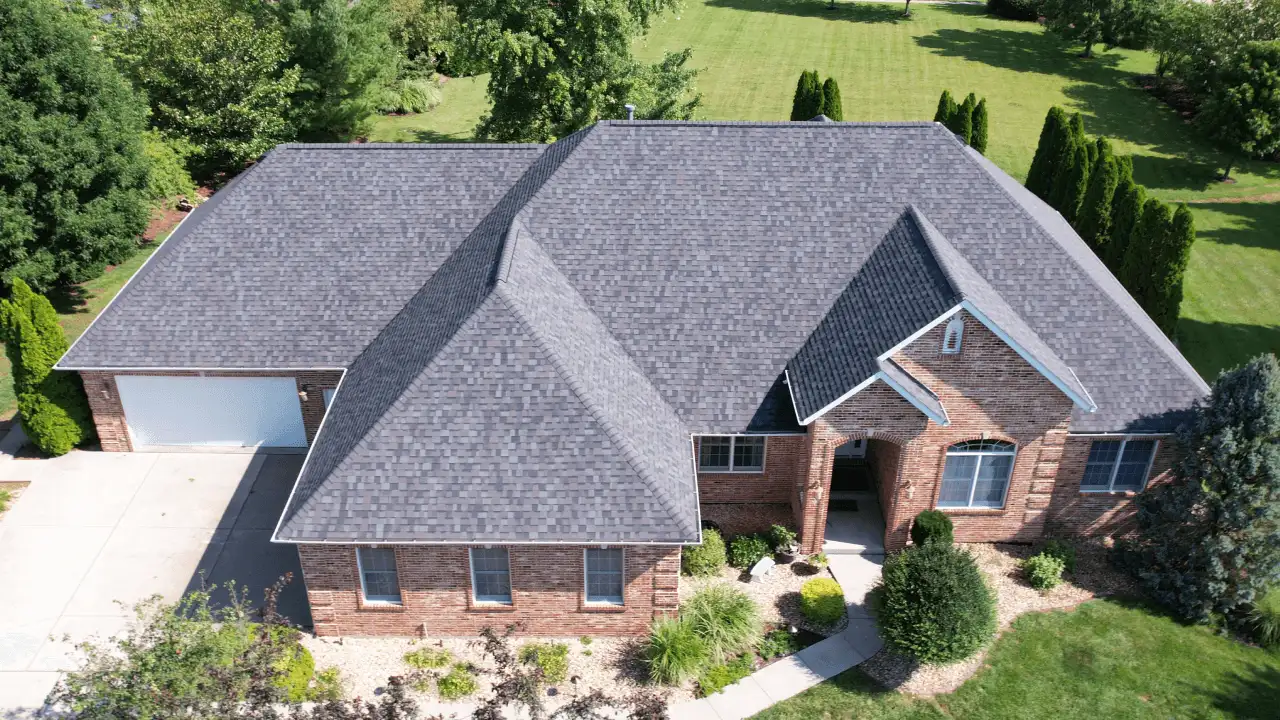











Professional Guidance and Consultation for All Roofing & Remodeling Projects
If you would like a free estimate for a new roof, please contact your nearest office location listed below. You may also submit an inquiry through the contact form, and a member of our team will respond promptly.
- done_allFree, detailed roof inspection by certified professionals Free
- done_allAccurate estimates with transparent pricing 100% Trusted
- done_allNo obligation and no pressure to commit
- done_allFast response and timely project scheduling
- done_allHigh-quality materials and skilled workmanship
- done_allDedicated support from consultation to completion








Get Your Free Professional Roof Inspection