

 call(618) 719-6767 call


Proudly Serving Homeowners Across Missouri
Emergency Roof Tarping in St. Charles, MO
5.0 Stars - Based on 231 User Reviews
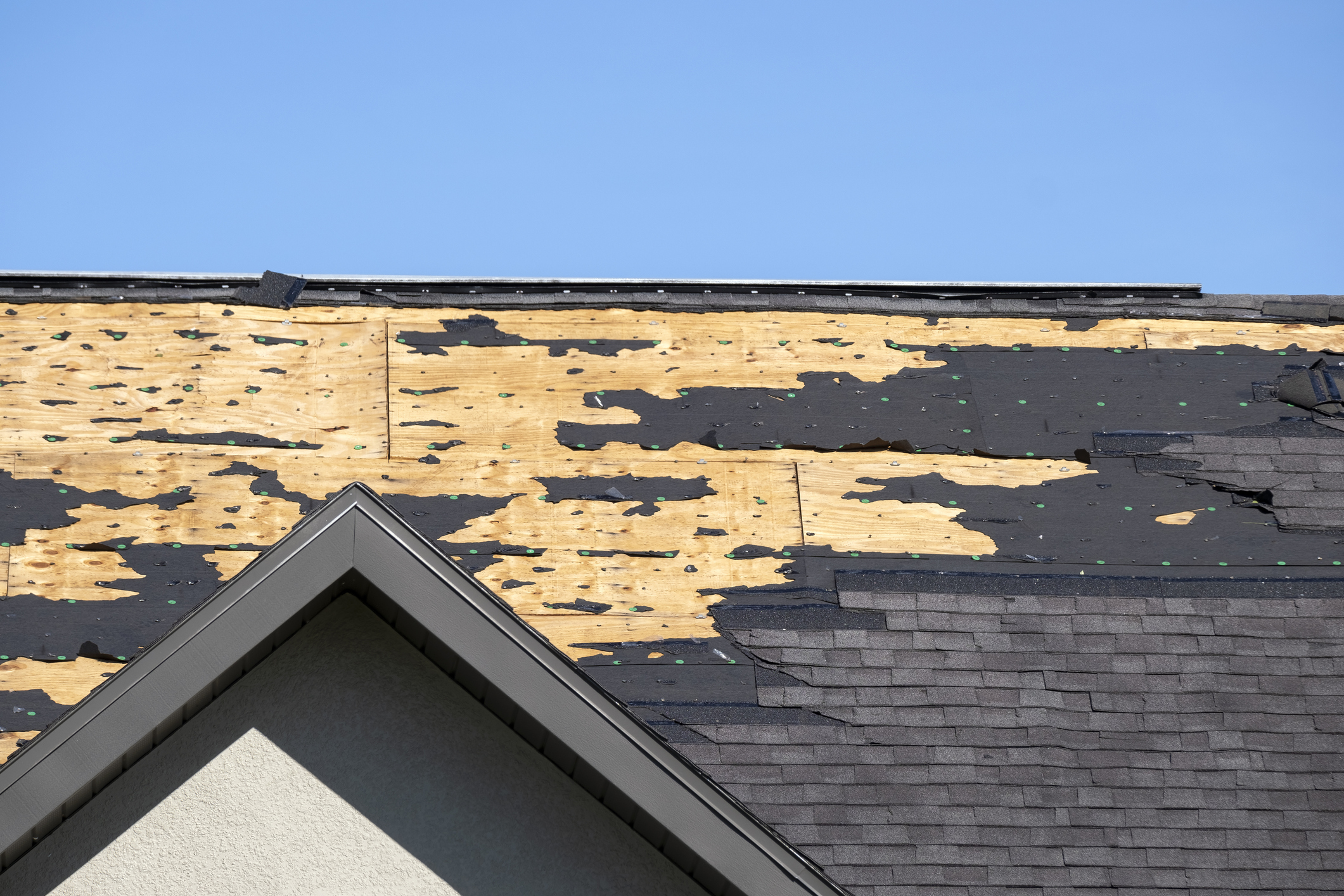
St. Charles gets hit hard every spring. Thunderstorms roll through with little warning, dropping hail, snapping branches, and peeling shingles off roofs that were fine the day before. The city's older neighborhoods, many with steep pitches, dormers, and complex rooflines built to last generations, can be especially vulnerable when a storm opens up a gap, and the rain keeps coming. With the wettest stretch of the year arriving in late spring, there's rarely time to wait before water starts finding its way inside.
When your roof takes damage, the priority is stopping the water fast. A properly secured tarp over the exposed area keeps rain out while you figure out next steps for permanent repairs. Total Roofing has worked on roofs across St. Charles and the surrounding county, and we understand what it takes to protect a damaged roof in this climate, whether that's a summer storm tear-off or a winter leak made worse by heavy snow and temperature changes opening up existing weak spots.
Emergency roof tarping is a short-term protective measure, not a permanent fix, but getting it right matters. A tarp that shifts, channels water into a valley, or leaves an edge exposed can make things worse. That's why proper placement and secure anchoring are just as important as getting someone on the roof quickly after a storm.
How Emergency Roof Tarping Works in St. Charles, MO
Storm damage can leave parts of your roof exposed and make it difficult to know what needs attention first. Total Roofing focuses on covering the damaged area, checking for additional problems, and explaining what permanent repairs may be necessary.
- Step 1: Evaluate the Damage
When you contact us, we arrange to assess the roof and determine how serious the situation is. We identify the damaged sections and check where water is entering or could enter if the rain continues. This initial assessment helps us determine how to protect the property before moving on to a closer inspection. - Step 2: Secure Temporary Roof Protection
We position a tarp over the exposed section and anchor it carefully to help keep rain out. Edges, valleys, dormers, and complicated rooflines require particular attention because water may travel beneath the covering if those areas are not protected properly. The tarp provides a temporary barrier until permanent repairs can be completed. - Step 3: Inspect for Additional Damage
With the tarp in place, we examine the affected section more closely for problems that may not have been apparent initially. We check for lifted shingles, damaged flashing, and other conditions that could lead to further trouble. Any concerns we identify are based on the actual condition of the roof. - Step 4: Plan the Permanent Repairs
We explain what the permanent repair will involve and outline the work needed to address the damage. When the problem is confined to a small area, we will tell you directly rather than recommend unnecessary repairs. You will understand what needs to be fixed before the permanent work moves forward. - Step 5: Review Follow-Up and Prevention
Before wrapping up, we discuss what to monitor while the roof awaits permanent repairs and what signs may indicate that the temporary covering needs attention. We also explain which areas may deserve closer observation during St. Charles's stormier seasons, so you have a clear understanding of the roof's condition and what to watch for next.
What Qualifies as Emergency Tarping in St. Charles, MO
Not every roof issue calls for emergency tarping, but some situations make it the right first move. In St. Charles, where storms can drop significant rain in a short window and warm, humid air speeds up moisture damage inside a home, knowing when to call quickly can protect your ceilings, insulation, and framing from problems that get expensive fast.
| Situation | Why It Qualifies | Typical Urgency |
|---|---|---|
| Missing or torn-off shingles | Bare roof deck absorbs water immediately during rain | Same day if rain is expected |
| Puncture or impact damage from limbs | Open hole allows direct water entry with any rainfall | Immediate |
| Lifted or curled shingles at edges | Wind-driven rain gets underneath and soaks the roof deck | Before next storm |
| Flashing pulled away from a valley or dormer | Water channels directly into the roof structure | Same day if rain is expected |
| Ice or snow damage opening a gap in winter | Temperature changes widen gaps as conditions shift | As soon as safe to access |
If you are unsure whether your situation qualifies, err on the side of calling. A quick look at the damage costs nothing, and waiting through even one more rainstorm on an exposed roof deck can turn a straightforward repair into something much larger.
Heavy-Duty Tarp Materials Built for Weather Exposure
Not all tarps hold up the same way under St. Charles weather. We use reinforced, waterproof tarps rated for wind and rain exposure, so the cover stays in place through follow-up storms rather than shifting or tearing before your permanent repairs are scheduled.
Secure Anchoring Without Damaging the Remaining Roof
The way a tarp gets fastened matters just as much as the tarp itself. We anchor the cover using methods that hold firmly against wind uplift while avoiding additional damage to shingles, flashing, or roof decking that is still intact around the repair area.
Edge and Valley Positioning for Complex Rooflines
Older St. Charles homes with dormers, steep pitches, and decorative roofline details require careful tarp placement so water does not get channeled into a valley or pooled at an edge. We position the cover to account for how your specific roof sheds water, not just the damaged spot itself.
Same-Day Coverage When Rain Is Already in the Forecast
With St. Charles averaging well over 40 inches of rain a year and spring storms that can arrive quickly, waiting even a few hours on an exposed roof deck can mean water reaching your ceilings and insulation. We prioritize same-day response when weather is on the way so your home stays dry while permanent repairs are arranged.
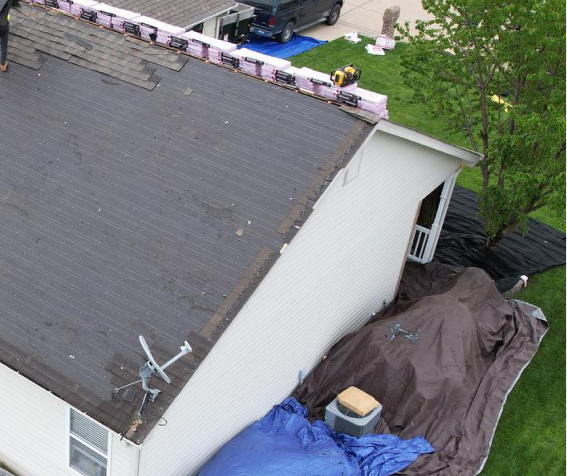
Get Emergency Roof Tarping Scheduled in St. Charles, MO
Living in St. Charles means dealing with weather that does not give you much lead time. Rain can follow storm damage within hours, and an exposed roof deck does not take long to let moisture into the layers beneath it. Getting a tarp in place quickly protects your home from the kind of interior damage that turns a straightforward repair into a much larger project, especially heading into the warmer, wetter part of the year when storm activity picks up across the area.
Total Roofing is ready to help you get temporary coverage in place so you can move forward with confidence toward permanent repairs. If your roof has taken damage and you are not sure what to do next, reaching out is a simple first step. We will take a look, give you a clear picture of what is going on, and make sure your home is protected while a lasting solution is arranged.
Frequently Asked Questions
Got questions about your roof? We’ve got answers. From maintenance tips to insurance claims and repair timelines, our FAQ section covers the most common concerns homeowners have. Get informed and make confident decisions about protecting your home.
Will a tarp hold up if another storm hits before my permanent repairs are done?
A properly installed tarp secured with the right anchoring can hold through follow-up storms, but the key word is properly installed. Tarps that are loosely draped or not fastened to account for wind uplift are likely to shift or peel back under the kind of gusts that St. Charles thunderstorms bring. The materials and anchoring method matter just as much as getting something on the roof quickly.
My home was built in the early 1900s and has a steep, ornate roofline. Does that affect how tarping is done?
It does, and it’s one of the more overlooked details in emergency tarping work. Older St. Charles homes with dormers, decorative valleys, and steep pitches require careful placement so the tarp follows the roof's drainage path rather than blocking it or creating a low spot where water collects. A flat, center-only cover on a complex roofline can actually redirect water into areas that were not originally damaged.
How long can a tarp realistically stay on before it needs to come off or be replaced?
Most tarps are designed as short-term protection, not a months-long solution. Extended sun exposure, heat, and repeated rain cycles common to St. Charles summers will break down even heavy-duty materials over time, causing brittleness, tearing, or loosening at anchor points. Permanent repairs should be scheduled as soon as possible, and if there is an unexpected delay, the tarp's condition should be checked after any bad storm to make sure coverage is still holding.
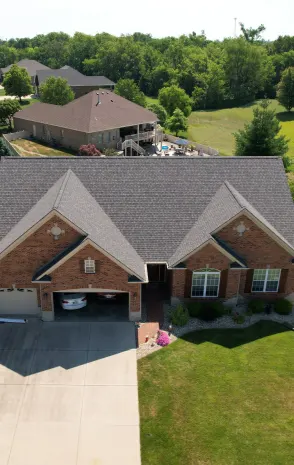
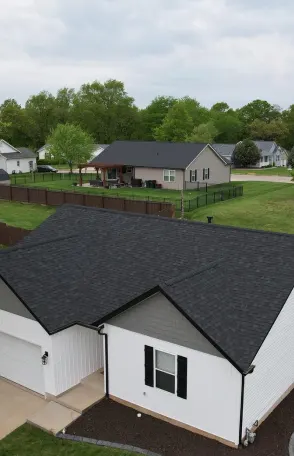
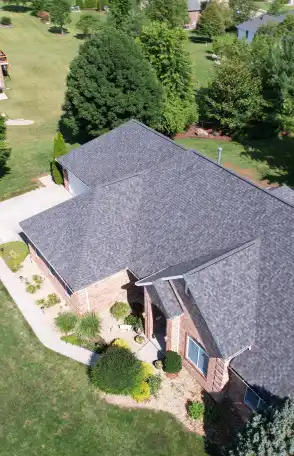
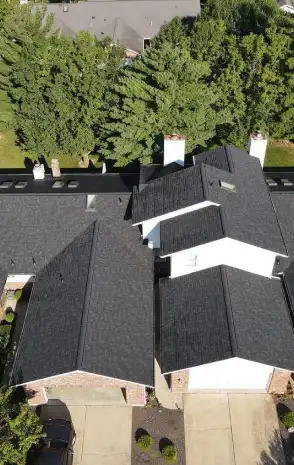
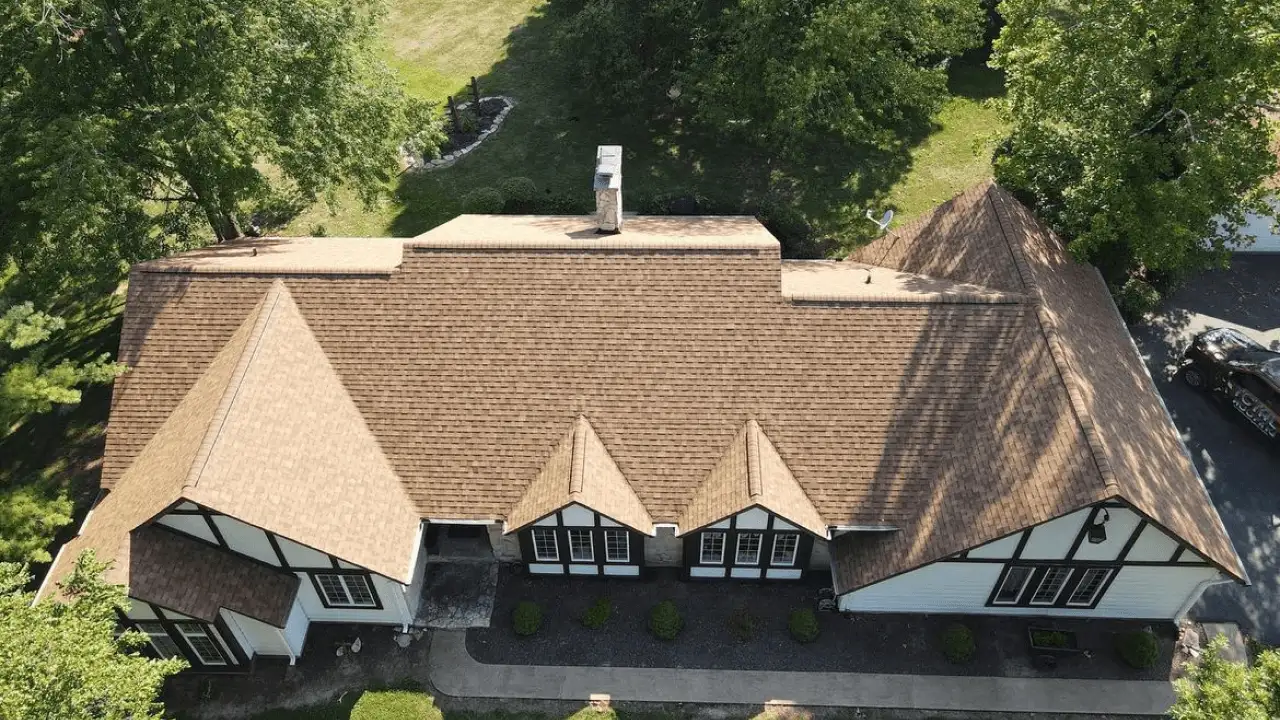
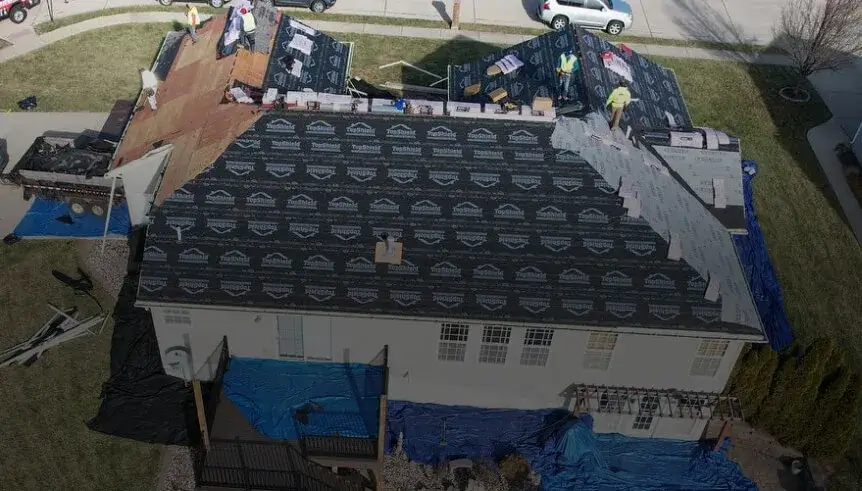
Our Work Speaks For Itself
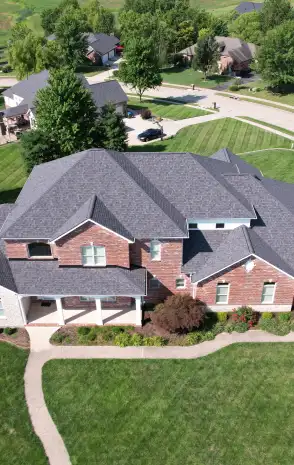
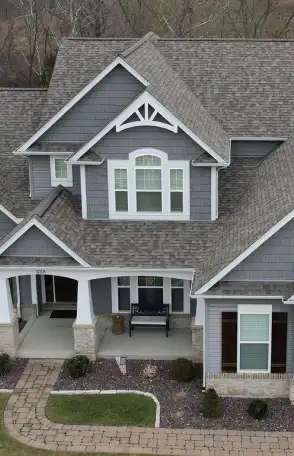
Our completed roofing projects reflect our commitment to quality, durability, and craftsmanship. From repairs to full installations, every job is done with attention to detail and built to last.

Our Client Feedback
Our work is best told through our customers. Whether it’s a quick repair or a full roof replacement, Total Roofing delivers reliable roofing done right.
View more arrow_forward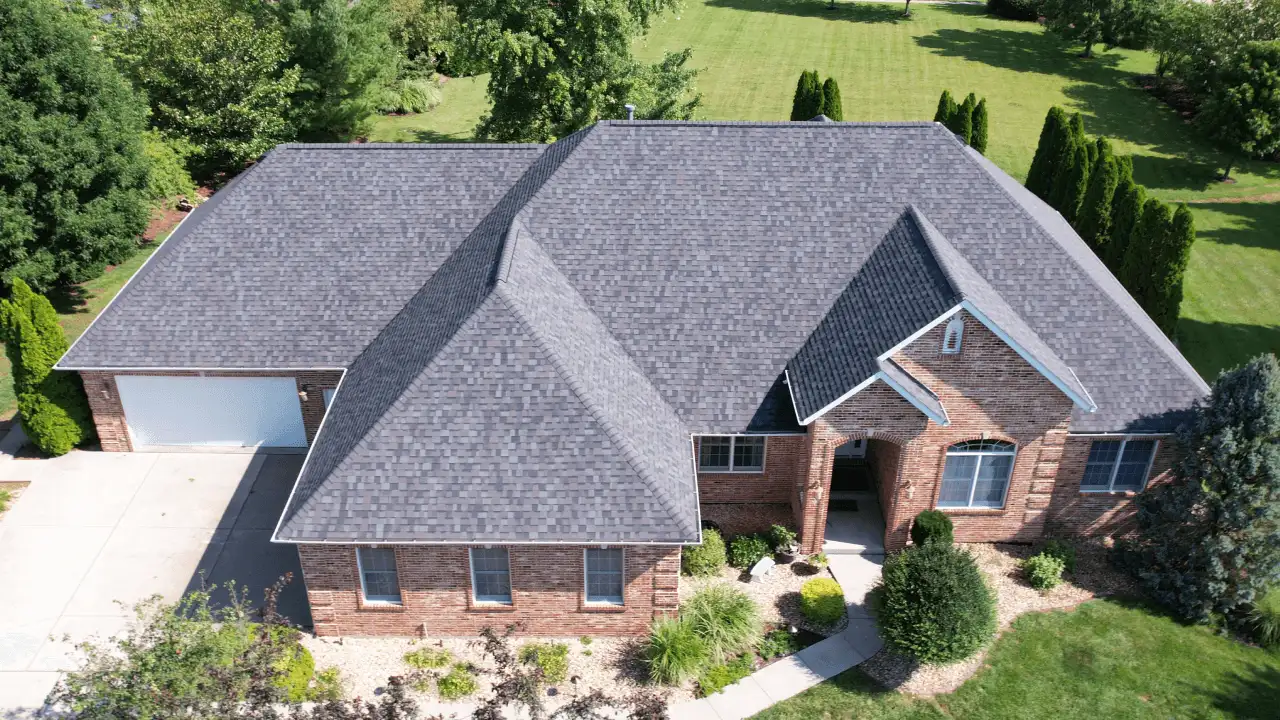











Professional Guidance and Consultation for All Roofing & Remodeling Projects
If you would like a free estimate for a new roof, please contact your nearest office location listed below. You may also submit an inquiry through the contact form, and a member of our team will respond promptly.
- done_allFree, detailed roof inspection by certified professionals Free
- done_allAccurate estimates with transparent pricing 100% Trusted
- done_allNo obligation and no pressure to commit
- done_allFast response and timely project scheduling
- done_allHigh-quality materials and skilled workmanship
- done_allDedicated support from consultation to completion










Get Your Free Professional Roof Inspection