

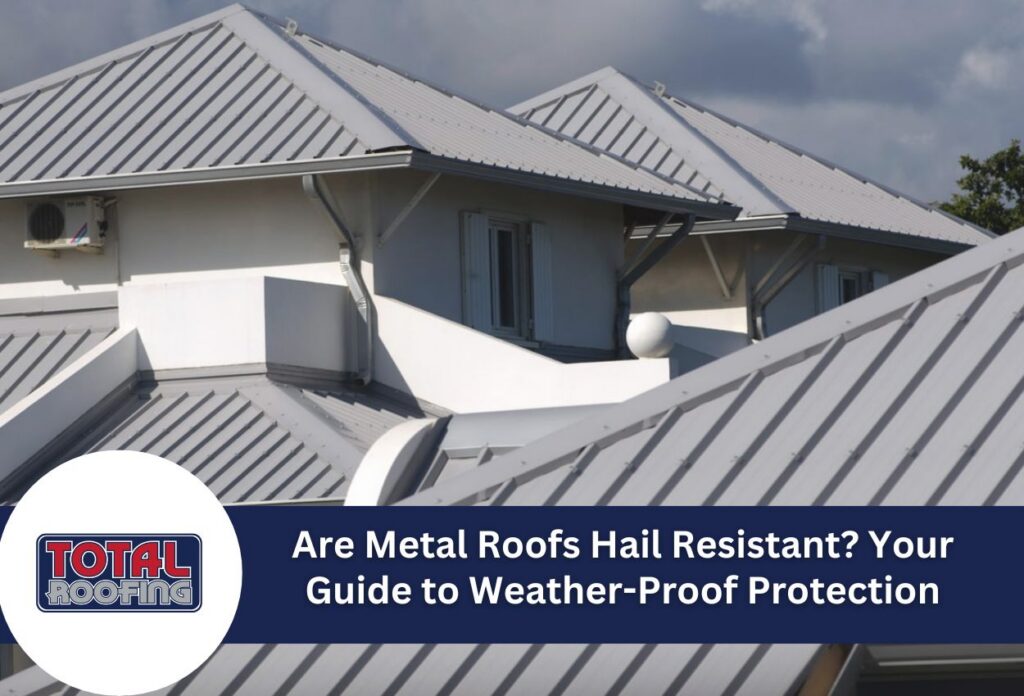
Key Points:
- Some metal roofing assemblies that achieve UL 2218 Class 4 impact resistance are tested to withstand impacts equivalent to 2-inch hail without puncturing.
- Their material strength, thickness, and design effectively absorb impact, preventing cracks and punctures common in other roofing materials.
- Beyond hail, metal roofs offer superior durability, energy efficiency, and fire resistance, usually only showing cosmetic dents from extreme storms.
Yes, metal roofs demonstrate exceptional hail resistance compared to traditional roofing materials, making them a superior choice for homeowners concerned about storm damage. When hailstones strike a metal roofing system, the material’s inherent strength and flexibility allow it to absorb and deflect impact energy without cracking or breaking like asphalt shingles or clay tiles.
The hail-resistant properties of metal roofing materials stem from their construction and composition. Steel, aluminum, and copper roofing panels can withstand significant impact from hailstones while maintaining their structural integrity. Metal roofing systems that achieve UL 2218 Class 4 impact ratings are tested against impacts equivalent to 2-inch hail without puncture.
Metal roofing durability extends beyond basic hail resistance. The interlocking panel design and secure fastening systems create a unified surface that distributes impact forces across the entire roof structure. This engineering advantage means that even when hailstones cause minor cosmetic damage, the roof continues to provide complete weather protection without leaks or structural compromise, a common issue with other roofing materials during severe storms.
How Metal Roofing Materials Stand Up to Hail Impact
When hailstones strike metal roofing decks, the physical properties of steel, aluminum, and copper create distinct responses to impact forces. Steel panels typically show excellent resistance due to their tensile strength, while aluminum roofing demonstrates superior flexibility that helps absorb hail energy. Copper roofing offers exceptional durability, though it may show cosmetic denting more readily than steel alternatives.
Metal roof hail damage patterns differ significantly from those of other roofing materials. While asphalt shingles can crack, tear, or lose granules when struck by hail, metal roofing systems maintain their weather-tight seal. Clay tiles often shatter completely under hail impact, and wood shingles can split or puncture. Storm damage to metal roof incidents typically result in minor surface denting without compromising the roof’s protective function.
The superior performance of hail-resistant roofing materials becomes evident during severe weather. Metal roofing durability allows these systems to withstand hailstones up to 2 inches in diameter while maintaining structural integrity. Among hail-proof roofing options, metal consistently outperforms traditional materials by distributing impact energy across interlocked panels rather than concentrating stress at individual impact points.
Key Factors That Determine Metal Roof Hail Resistance
Metal thickness plays an important role in determining how well a roof withstands hail impact. Heavier gauge materials provide greater resistance to denting and puncturing from hailstones. Panel design also affects performance, with standing seam profiles offering superior strength compared to exposed fastener systems. The raised ribs and interlocking connections in standing seam metal roofing create structural reinforcement that helps distribute impact forces across the surface.
Installation methods significantly influence hail-resistant roofing materials’ performance during storms. Proper fastening systems ensure panels remain securely attached when hailstones create impact stress. Roof slope affects how hailstones strike the surface, with steeper pitches allowing stones to deflect rather than delivering direct perpendicular impacts that cause maximum damage.
Underlayment selection contributes to overall storm protection by providing an additional barrier against potential punctures. High-quality synthetic underlayments offer superior tear resistance compared to traditional felt products. When combined with proper panel thickness and expert installation, these factors create hail-proof roofing options that maintain structural integrity and weather protection even during severe hailstorms that damage other roofing materials.
Understanding Hail Size and Metal Roof Damage Thresholds
Hail size classifications help determine the potential for metal roof hail damage during storms. Pea-sized hail measuring quarter-inch diameter rarely affects metal roofing systems, while penny-sized stones at ¾ inch may cause minor cosmetic denting on lighter gauge materials. Golf ball-sized hail reaching 1.75 inches represents the threshold where most quality metal roofing begins showing visible impact marks without structural compromise.
Industry testing standards provide reliable benchmarks for evaluating hail-resistant roofing materials’ performance. The UL 2218 impact resistance test simulates hailstone strikes using steel balls dropped from specific heights onto roofing samples. Class 4-rated metal roofing systems withstand impacts from 2-inch diameter steel balls, equivalent to tennis ball-sized hailstones, without cracking or puncturing.
Real-world performance data shows that metal roofing durability exceeds laboratory testing results. While softball-sized hail exceeding 4 inches can dent any roofing material, metal systems maintain their weather-tight seal and structural integrity. Storm damage metal roof assessments consistently demonstrate that properly installed metal roofing outperforms asphalt shingles, clay tiles, and other traditional materials when exposed to identical hail conditions during severe weather.
Benefits Beyond Hail Resistance for St. Louis Homeowners
Metal roofing systems provide weather protection that extends far beyond their impressive hail resistance capabilities. These durable materials excel against the diverse weather challenges common throughout the Midwest, including high winds, extreme temperatures, and fire hazards. Wind resistance ratings for quality metal roofing often exceed 140 miles per hour, providing superior protection during severe thunderstorms and tornadoes that frequently affect the Missouri region.
Fire resistance represents another significant advantage of metal roofing materials, earning Class A fire ratings that help protect homes from wildfire exposure and lightning strikes. Unlike combustible roofing materials, metal panels will not ignite or contribute to fire spread. The thermal properties of metal roofing also provide energy efficiency benefits by reflecting solar heat during summer, reducing cooling costs, and improving indoor comfort.
Maintenance requirements for metal roofing systems remain minimal compared to traditional materials, making them a smart long-term investment. Metal roofing durability means these systems typically last 50 to 70 years without replacement, while requiring only periodic inspections and minor maintenance. The longevity and performance advantages of hail-resistant roofing materials deliver exceptional value through decades of reliable weather protection and reduced maintenance expenses.
Potential Limitations and Realistic Expectations
While metal roofs excel in hail resistance, even the most durable systems may show cosmetic damage after severe hailstorms with exceptionally large stones exceeding 2 ½ inches. Storm damage metal roof assessments often reveal surface denting that affects appearance without compromising structural integrity or weather protection. Golf ball-sized hail rarely punctures quality metal roofing but may leave visible marks on panels.
Understanding warranty coverage helps homeowners set realistic expectations about hail-resistant roofing materials’ performance. Most manufacturers distinguish between cosmetic denting and functional damage when evaluating claims. Metal roofing durability ensures continued protection even when panels show impact marks.
Professional inspection remains essential after severe hailstorms to assess any metal roof hail damage and determine necessary repairs. While hail-proof roofing options provide exceptional protection, extreme weather conditions can occasionally cause fastener loosening or panel displacement, requiring quick attention. These maintenance needs occur far less frequently with metal roofing systems compared to traditional materials that often suffer extensive damage from similar hailstorms.
Making the Right Choice for Your Property
Selecting the best roofing system requires a close look at specific property needs and local weather patterns. When consulting with roofing contractors about metal roof specifications, property owners should inquire about gauge thickness, panel design options, and impact resistance ratings for their specific application. Questions about installation methods, underlayment recommendations, and warranty coverage help ensure the chosen system delivers maximum hail-resistant roofing material performance.
St. Louis area homeowners face unique weather challenges that make storm-resistant roofing particularly important. Metal roofing systems consistently outperform asphalt shingles, clay tiles, and wood materials when exposed to the region’s frequent hailstorms and severe thunderstorms. While initial investment costs exceed traditional materials, metal roofing’s durability and reduced maintenance requirements provide long-term value through decades of reliable protection.
Comparing hail-proof roofing options requires understanding both performance capabilities and practical considerations. Metal roofing offers superior storm damage resistance while providing energy efficiency, fire protection, and longevity benefits. Property owners should evaluate their specific risk factors, budget considerations, and appearance preferences when choosing between metal systems and other storm-resistant alternatives available in today’s roofing market.
Discover the Durability of Metal Roofs with Total Roofing
Are you considering a new roofing solution for your St. Louis home and concerned about hail? Metal roofs are renowned for their hail resistance, offering superior protection compared to traditional materials. At Total Roofing, we specialize in installing metal roofing that stands up to even the toughest weather conditions. Our roofs are designed with the highest quality materials to ensure they resist dents and damage from hail impacts, making them a smart choice for areas prone to severe storms.
Don’t wait for the next hail storm to test your roof’s limits. Protect your home by choosing a metal roof that not only withstands hail but also enhances energy efficiency and requires minimal maintenance. Call Total Roofing today at (618) 719-6767 to learn more about our hail-resistant roofing options and schedule a consultation. Secure your home’s future with a roof built to last through every season.