



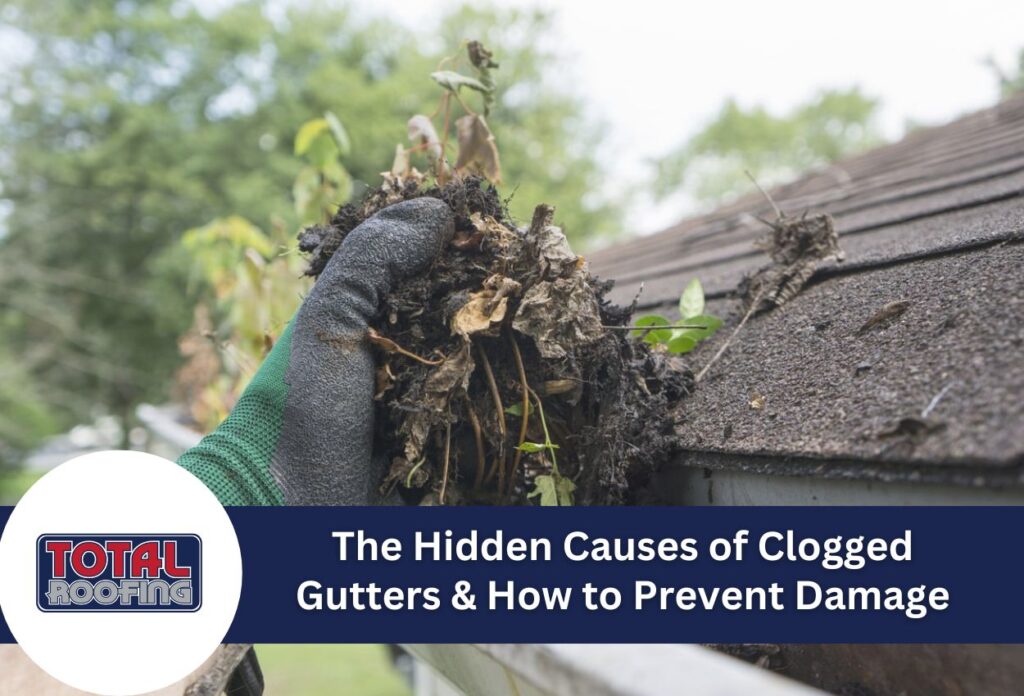

Clogged gutters are more than just an annoying maintenance issue for St. Louis homeowners — they’re a serious threat to your property’s structural integrity. When rain gutters become blocked, water overflows, potentially causing foundation damage, basement flooding, and roof deterioration. Understanding what causes these blockages is essential for protecting your home.
The most common culprit behind gutter blockages is leaf debris. St. Louis experiences four distinct seasons, each bringing different challenges to gutter systems. Fall means leaves and twigs, while spring adds seed pods and flower petals to the mix. Summer storms can wash roofing granules into gutters, and winter brings its own problems with ice dams.
In addition to natural debris, pest infestations contribute significantly to gutter problems. Birds build nests, insects create colonies, and rodents may take up residence in neglected gutters. Even improper installation can lead to sagging areas where debris collects more easily.
Identifying the specific causes of your clogged gutters allows for targeted prevention strategies. Regular seasonal gutter maintenance helps spot early warning signs before small issues become major problems. For many St. Louis homes, addressing these hidden culprits is the difference between a functioning drainage system and expensive water damage repairs.
Falling Leaves and Natural Debris: The Primary Causes
In St. Louis neighborhoods with abundant tree coverage, falling leaves represent the number one enemy of functional gutters. Oak trees, particularly common throughout the region, shed leaves that become heavy and compacted when wet, creating stubborn blockages. Maple trees produce not only leaves but also helicopter seeds that can sprout in gutters, while sweetgum trees drop spiny seed balls that create persistent clogs.
While autumn brings the most obvious leaf-related problems, natural debris accumulates year-round. Spring introduces oak catkins, flower petals, and seed pods that wash into gutters during rain showers. Pine needles present a unique challenge as they interlock to form dense mats that water cannot penetrate. Small twigs blown from trees during storms often serve as anchors for other debris, creating dams that trap additional material.
The most problematic combinations occur when various debris types mix together. For example, decomposing leaves create a mulch-like substance that traps smaller particles and eventually hardens into a cement-like clog that’s difficult to remove. Many St. Louis roofing professionals identify these composite clogs as requiring the most intensive cleaning efforts. Understanding which trees surround your property helps predict the type of gutter maintenance your home will require throughout changing seasons.
Weather-Related Gutter Challenges in St. Louis
The St. Louis climate creates a perfect storm of conditions that accelerate gutter clogging throughout the year. Heavy spring and summer thunderstorms wash debris into gutters with tremendous force, while fall brings massive leaf accumulation that becomes compacted with each rainfall. Winter presents perhaps the most damaging scenario when snow melts during the day and refreezes at night, creating destructive ice dams that block water flow completely.
The dramatic temperature fluctuations common to Missouri significantly impact gutter performance. When temperatures swing between freezing and thawing, trapped moisture expands and contracts, which can warp gutters and loosen fasteners. This creates low spots where water and debris collect. Additionally, St. Louis’s high summer humidity accelerates the decomposition of organic material in gutters, transforming leaves and twigs into a sludge-like substance that adheres to gutter surfaces and becomes increasingly difficult to remove.
These weather-specific challenges require St. Louis homeowners to approach gutter maintenance seasonally. Professional roofing contractors recommend more frequent inspections during transitional seasons when conditions change rapidly. Addressing these regional weather factors helps prevent the cascading problems that begin as simple clogs and often end with significant water damage to your home’s exterior and foundation.
Structural Issues That Lead to Gutter Blockages
Even the highest quality gutter systems can fail when structural issues create opportunities for debris to accumulate. Improper installation is a primary cause, particularly when gutters aren’t positioned with the correct pitch. Roofing experts typically recommend a gutter slope of 1/4 inch per 10 feet toward downspouts. When this pitch is inadequate or reversed, water pools instead of flowing properly, allowing debris to settle and form blockages.
Sagging sections create similar problems in older St. Louis homes. As gutter hangers deteriorate or pull away from fascia boards, low spots develop where leaves and debris collect. These collection points quickly become clogging hotspots that compromise the entire system. Additionally, gutters installed too far below the roof edge allow water to shoot over the gutter during heavy rain, making the system ineffective regardless of cleanliness.
Roofing problems significantly contribute to gutter failures. As asphalt shingles age on St. Louis homes, they shed granules that wash into gutters during rainstorms. This gritty material collects at the bottom of the gutter channels and can be difficult to remove. Deteriorating roof edges may also allow water to seep behind gutters, rotting fascia boards and loosening gutter attachments. Addressing these structural issues through professional inspection and repair prevents the cycle of recurring blockages that plague many homeowners.
Wildlife and Pest Contributions to Clogged Gutters
While leaves and debris are obvious culprits, many St. Louis homeowners overlook how wildlife significantly contributes to gutter blockages. Birds frequently build nests in the sheltered environment gutters provide, using twigs, grass, and other materials that create dense obstructions. Squirrels regularly transport nuts, acorns, and nesting materials to gutters, which not only block water flow but can also sprout into seedlings with established root systems that damage gutters and the roof.
Insects pose another serious threat to gutter functionality. Mosquitoes breed in standing water caught in clogged sections, while bees and wasps may establish colonies in the protected corners near downspouts. Carpenter ants and termites are particularly problematic when they discover wooden fascia boards softened by moisture from blocked gutters, potentially extending damage into your home’s structure.
Signs of pest-related gutter problems include unusual noises from the roofline, visible nesting materials extending from gutters, or mysterious debris appearing below gutters. Unlike standard debris that washes away with heavy rain, animal-created blockages often become more compacted and anchored with time. These blockages require specialized attention from St. Louis roofing professionals since they may contain living organisms or protected species that need proper handling during removal.
Warning Signs Your Gutters Are Beginning to Clog
Identifying gutter problems early can save St. Louis homeowners significant expense and headaches. The most obvious sign of developing clogs is water overflowing the sides of gutters during rainfall. When water cascades over edges rather than flowing through downspouts, it’s a clear indicator that something is blocking proper drainage. Look for water stains or vertical streaks on exterior siding directly below gutter sections, which often appear as dirty or discolored patches.
Physical deformation of your gutter system also signals trouble. Sagging sections indicate that excess weight from accumulated debris and standing water is straining the mounting hardware. This creates low spots where additional debris collects, accelerating the clogging cycle. Visible plant growth emerging from gutters is another unmistakable sign — seeds germinating in the nutrient-rich environment of decomposing leaves means your gutters have been clogged for some time.
Less obvious but potentially more serious indicators include basement dampness, foundation cracks, or landscape erosion. Many St. Louis homes develop moisture problems in below-grade areas when overflowing gutters dump water directly adjacent to the foundation. This water seeps downward, eventually finding its way into basements or crawl spaces. Mildew odors, efflorescence on foundation walls, or unusual settling may all trace back to compromised gutter function. Regular inspection, especially after storms and during seasonal changes, helps catch these warning signs before serious damage occurs.
Preventive Measures and Gutter Maintenance
Establishing a regular maintenance routine based on your property’s specific needs is the most effective way to prevent clogs before they start. Following these gutter maintenance tips, homes surrounded by deciduous trees, scheduling cleanings in late fall after most leaves have dropped and again in early spring removes accumulated debris before spring rains arrive. Properties with pine trees may require quarterly attention due to year-round needle shedding.
Professional gutter protection systems offer long-term solutions for St. Louis homes. Quality gutter guards physically block larger debris while allowing water to flow freely, significantly reducing maintenance frequency. Micro-mesh screens provide excellent protection against even small particles but require professional installation. For many homeowners, helmet-style covers that use water tension to direct rainfall into gutters while shedding debris represent a worthwhile investment, especially in heavily wooded neighborhoods.
Beyond cleaning and protection systems, structural maintenance plays a crucial role in preventing blockages. Having a professional roofing contractor inspect for proper gutter pitch, secure fasteners, and sealed joints annually helps identify potential trouble spots. Addressing small gutter issues immediately prevents the sagging and separation that create low spots where debris accumulates. Remember that regular maintenance not only prevents clogs but also extends the lifespan of your entire gutter system, protecting your St. Louis home from water damage for years to come.
Expert Gutter Solutions at Total Roofing
Understanding the causes of clogged gutters is the first step towards preventing them. If you’re experiencing issues with blocked gutters in St. Louis, it’s crucial to act before these problems lead to more significant damage to your property. Seasonal maintenance and quick interventions, including professional gutter installation and repair when needed, can save you from major repairs caused by water damage. Don’t let fallen leaves, debris, or structural problems compromise the safety and integrity of your home.
Ready to protect your home from the hassles of clogged gutters? Call Total Roofing at (618) 719-6767 for top-notch gutter cleaning services. Ensure your gutters are clear and fully functional throughout the year with our expert team on your side.