

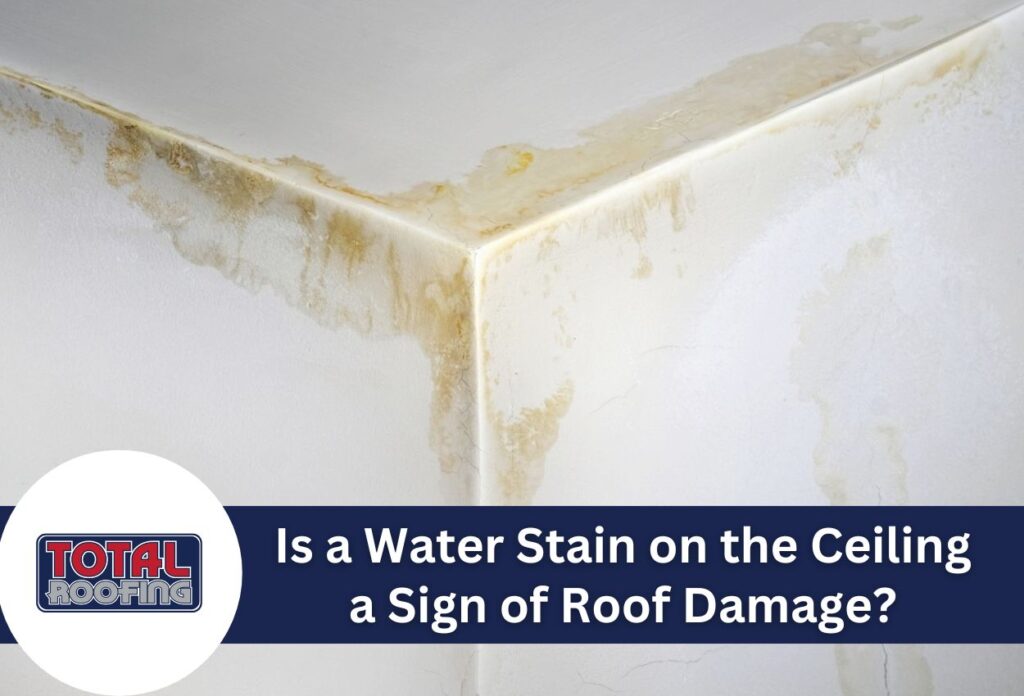
Discovering water stains on your ceiling can be concerning for any homeowner. These yellow or brown marks frequently serve as the first visible warning that something might be wrong above. While roof damage is a common culprit behind ceiling water stains, it’s important to understand that not all water marks stem from roofing issues.
Roof leaks typically create distinctive patterns on ceilings, with water often traveling along roof decking and structural components before seeping through drywall or plaster. These stains may appear or worsen during heavy rainfall, providing a clue about their origin. St. Louis homeowners should pay particular attention to ceiling discoloration after severe weather, as the region’s varied climate can put significant stress on roofing systems.
However, ceiling water spots can also result from other household problems. Plumbing leaks from bathrooms or water lines running through attic spaces can create similar staining patterns. Condensation issues, especially in poorly ventilated areas, might also lead to moisture accumulation that damages ceilings over time. Identifying the true source requires careful investigation of multiple potential causes.
Understanding the relationship between ceiling water stains and potential roof damage allows homeowners to address problems before they escalate into structural issues or worse.
How to Distinguish Roof Leaks from Other Causes of Ceiling Stains
When you notice water stains on your ceiling, determining their source is crucial for effective repairs. Roof-related water stains typically display certain telltale characteristics. These stains often appear yellowish-brown with irregular edges that darken over time. The pattern may resemble concentric rings, indicating multiple instances of wetting and drying. Most importantly, roof leak stains frequently worsen during or shortly after rainfall and commonly appear near ceiling corners, around chimneys, or below roof valleys.
Differentiating between various causes requires careful observation. Plumbing leaks generally create stains directly below bathroom fixtures or along water supply lines, and these stains remain consistent regardless of weather conditions. HVAC issues typically produce stains near vents or air handlers and may be accompanied by mold growth due to condensation. Roof damage stains, however, expand during wet weather and may appear alongside damaged drywall or peeling paint.
St. Louis homeowners should be particularly vigilant after severe storms, as our region’s weather can accelerate existing roof vulnerabilities. When ceiling discoloration appears, examine your attic for damp insulation or water trails on rafters. These signs point specifically to roof issues rather than internal home systems. Identifying the true source early allows for targeted repairs that prevent further interior damage.
Types of Roof Damage That Commonly Result in Ceiling Water Stains
Several specific roofing problems typically lead to those telltale water stains on your ceiling. Missing or damaged shingles create vulnerable areas where water can penetrate your roof’s protective barrier. These gaps often develop after strong St. Louis windstorms or from normal aging processes. Deteriorated flashing, the metal strips installed around chimneys, vent pipes, and skylights, frequently allows water infiltration that manifests as ceiling stains directly below these features.
Different roofing materials exhibit unique leakage patterns. Asphalt shingle roofs commonly leak at worn valleys or where granule loss has occurred, creating stains that spread horizontally across ceilings. Metal roofs typically develop leaks at fastener points or seams, resulting in more concentrated ceiling spots. Tile roofs often allow water intrusion when individual tiles crack or when the underlayment beneath deteriorates, creating larger, more diffuse ceiling stains.
Ice dams are another concern for St. Louis homes during winter. These frozen barriers prevent proper drainage, forcing water beneath shingles and eventually through the roof deck. The resulting ceiling stains typically appear along exterior walls or in consistent locations during seasonal thaws. Identifying these distinct patterns helps professional roofers pinpoint and address the specific damage causing your ceiling discoloration before extensive structural problems develop.
The Progressive Nature of Roof Leaks and Ceiling Damage
Roof leaks rarely develop overnight. They typically progress from minor issues to major damage if left unaddressed. Initially, a small roof vulnerability might allow just a trickle of water to leak in during heavy rainfall. This minimal moisture often evaporates quickly, leaving only a faint discoloration on your ceiling. Over time, however, this entry point widens as water erodes roofing materials and weakens surrounding areas. What begins as a barely noticeable yellowish spot can expand dramatically within weeks, developing into dark, unsightly patches that spread across your ceiling.
The damage extends beyond visible stains. As water continues infiltrating your home, it saturates ceiling materials, compromising their structural integrity. Drywall begins to sag, paint bubbles and peels, and the wooden framework supporting your roof can start to rot. More concerning is the development of toxic black mold, which thrives in the dark, damp environment created by persistent leaks. This fungal growth poses serious health risks to St. Louis families, particularly those with respiratory conditions.
Water penetration also damages attic insulation, reducing its effectiveness and potentially increasing energy costs. Electrical wiring exposed to moisture creates dangerous fire hazards. Without prompt intervention, what initially appeared as a minor ceiling water stain can ultimately require extensive repairs to multiple home systems. A professional inspection at the first sign of ceiling discoloration helps prevent this progression.
DIY Inspection Tips: Tracing Ceiling Stains to Roof Problems
When you spot water stains on your ceiling, conducting a preliminary inspection can help determine if roof damage is the culprit before calling professionals. Start your investigation in the attic during daylight hours when potential roof penetrations are more visible. Bring a flashlight and wear gloves, a dust mask, and sturdy footwear that provides traction on attic joists.
Begin by locating the area directly above the ceiling stain. Check the underside of the roof decking for water trails, dampness, or dark spots indicating moisture penetration. Examine rafters and trusses for water stains or mold growth. Look closely at roof penetrations, like vents, chimneys, and exhaust fans, as these areas are common leak points. In St. Louis homes with ice dam issues, inspect the roof edges for signs of water backup.
Your inspection toolkit should include a flashlight with fresh batteries, protective gear, a moisture meter if available, and your phone for documenting findings with photos. Never walk directly on attic insulation or ceiling drywall, and use caution around electrical wiring. If you discover active dripping or extensive damage, document your findings but leave further investigation to professional St. Louis roofing contractors who have safety equipment and expertise to address the root cause of your ceiling stains.
Professional Assessment and Repair Options for Roof-Related Ceiling Stains
When DIY inspections reveal potential roof damage, working with a professional roofing contractor provides the most thorough assessment and lasting repair solutions. St. Louis roofing professionals use advanced diagnostic techniques that go beyond visual inspection. These methods include infrared thermal imaging to detect hidden moisture pockets, electronic leak detection systems that can pinpoint water entry points, and pressure testing that simulates rainfall conditions to observe actual leak patterns. These sophisticated approaches allow contractors to identify the exact source of leaks causing your ceiling stains, even when they originate far from where the damage appears.
During a professional inspection, expect the contractor to examine both exterior roofing components and interior attic spaces. They’ll assess shingle condition, flashing integrity, ventilation adequacy, and the condition of underlayment materials. St. Louis roofing experts understand our region’s specific weather challenges and how they affect different roofing systems, allowing them to spot potential vulnerabilities that might worsen over time.
Repair solutions vary based on the diagnosis. Minor issues might require targeted repairs like replacing damaged shingles, resealing flashing, or patching small penetrations. More extensive damage could necessitate section replacement, particularly in areas prone to water pooling. In cases where the roofing system has reached the end of its service life or sustained significant storm damage, complete replacement might be the most cost-effective long-term solution to eliminate ceiling stains permanently and prevent structural complications.
Preventing Future Ceiling Water Stains Through Roof Maintenance
Proactive maintenance is the most effective strategy for preventing the ceiling water stains that indicate roof damage. For St. Louis homeowners, following a seasonal maintenance schedule tailored to our region’s weather patterns can significantly extend your roof’s lifespan and protect your home’s interior from water damage. Before spring thunderstorms arrive, inspect and clear gutters of winter debris that could cause water backup. Prior to summer, check for shingles damaged by spring storms and ensure proper attic ventilation to prevent heat-related deterioration. Fall maintenance should focus on removing leaves from gutters and roof valleys, while winter preparations should address potential ice dam formation points.
Beyond seasonal care, developing a comprehensive long-term maintenance strategy is a good idea. Schedule professional roof inspections annually, including after severe weather events common to the St. Louis area. Regular gutter cleaning prevents the water overflow that often leads to fascia damage and subsequent leaks. Early intervention at the first sign of ceiling discoloration, even slight yellowing, can prevent minor issues from getting worse. Consider upgrading to more durable roofing materials during your next replacement to better withstand our region’s weather extremes.
Remember that ceiling water stains always indicate moisture problems that require attention. With the preventive measures mentioned above, you can avoid the stress and expense of interior water damage while maximizing your roofing system’s performance.
St. Louis Roof Leak Detection: Is That Water Stain a Sign of Roof Damage?
If you’ve noticed a suspicious water stain on your ceiling, it’s essential to act swiftly to determine if it’s a sign of roof damage. Water stains can be the first warning of a compromised roof, potentially leading to more severe issues like structural weakening and mold growth. At Total Roofing, we specialize in diagnosing and repairing roof leaks that cause these concerning ceiling stains.
Don’t let a small stain turn into a large repair bill. It’s crucial to distinguish between stains caused by roof damage and those from other sources like plumbing or HVAC issues. If you’re unsure about the cause of the stain, Total Roofing can help. Our team of experts uses advanced diagnostic tools to accurately pinpoint the source of the problem and provide effective solutions tailored to your specific needs.
Contact Total Roofing today at (618) 719-6767 for a professional assessment. Let us help you protect your home from further damage by addressing any roof leaks.