

A complete roof replacement is far more than just installing new shingles. For St. Louis homeowners facing Missouri weather, understanding the full scope of a roof replacement project is essential for protecting your home’s integrity and value. A thorough roof replacement addresses all components that work together as a unified system to shield your home from the elements.
The roof replacement process typically involves several critical components that many homeowners might not initially consider. These include a complete tear-off of existing materials, inspection and possible replacement of the underlying roof deck, installation of new underlayment and moisture barriers, proper ventilation system setup, and finally, the application of your chosen roofing material. Each step requires professional attention to detail, especially in St. Louis, where seasonal temperature fluctuations can stress roofing materials.
When planning for a roof replacement, knowing exactly what should be included helps you evaluate quotes, prepare for the project timeline, and ensure nothing important is overlooked. A quality roof replacement addresses both visible elements and the crucial hidden components that protect your home for decades to come.
Roof Replacement Materials and Components
Selecting the right roofing materials is a crucial decision for St. Louis homeowners. Asphalt shingles remain the most popular choice due to their cost-effectiveness and durability against Midwest weather patterns. These shingles come in various grades, with architectural or dimensional shingles offering enhanced durability and aesthetic appeal over traditional 3-tab options.
Metal roofing systems have gained popularity for their exceptional longevity of around 40 to 70 years and superior resistance to harsh weather events common in Missouri. For homeowners seeking premium options, concrete or clay tiles provide distinctive styling with excellent durability, though they require stronger structural support.
A complete roof replacement involves much more than just the outer layer. Proper flashing, which are metal pieces installed along roof joints, valleys, and penetration points, prevents water intrusion along these vulnerable areas. Drip edges protect fascia boards and direct water away from the roof edge into gutters. Starter strips provide crucial wind resistance at the roof’s edge, while ridge caps not only complete the roof’s appearance but also provide additional protection at peak areas. Ice and water shields are also essential in St. Louis to prevent damage from ice dams during freezing winter conditions. Every component works together as an integrated system to protect your home from Missouri’s harsh climate conditions.
The Complete Roof Tear-Off Process Explained
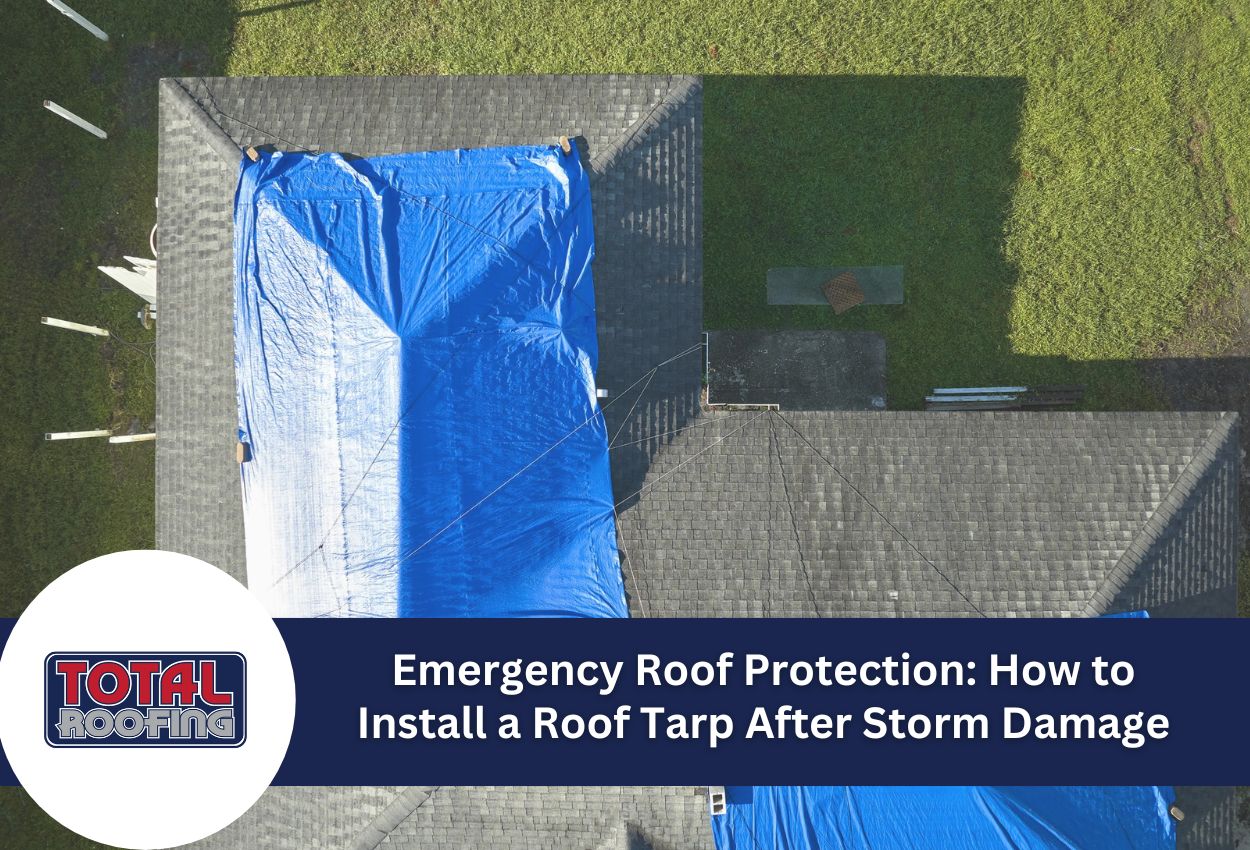
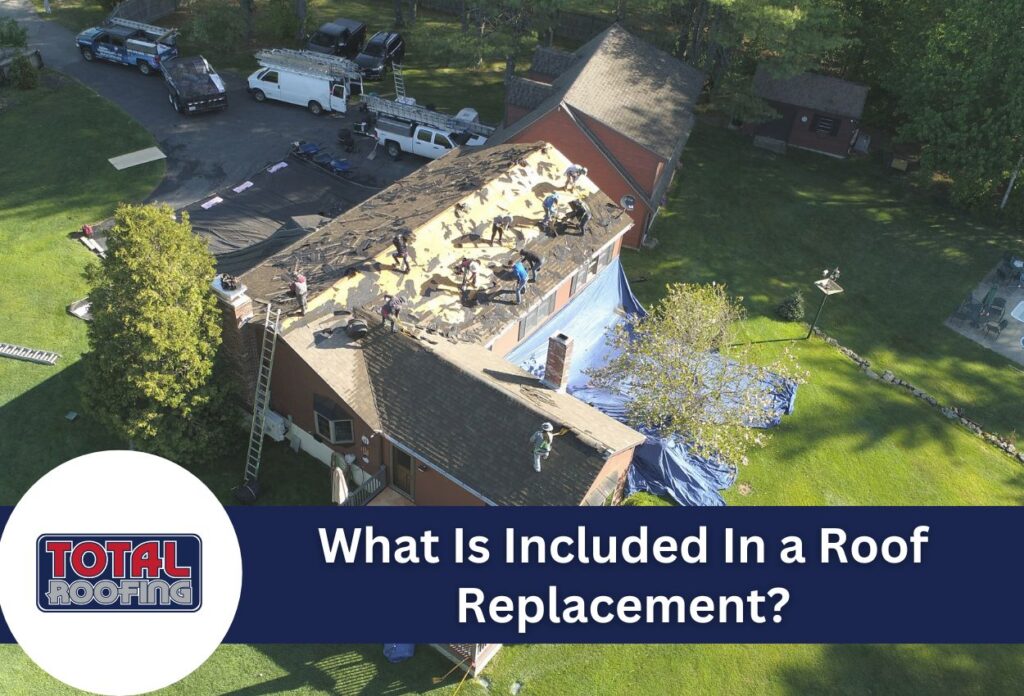
Before new roofing materials can be installed, the old roof must be properly removed. Professional St. Louis roofers begin the tear-off process by protecting your property with tarps that cover landscaping, decks, and other vulnerable areas. This crucial step prevents damage from falling debris and makes cleanup more efficient. Afterwards, specialized roofing tools are used to systematically remove the existing shingles, felt paper, flashing, and other roofing materials down to the bare roof deck.
While some homeowners consider roof-overs (installing new shingles over existing ones) to save money, complete tear-offs are typically recommended for several important reasons. Tear-offs allow roofers to thoroughly inspect the decking for hidden water damage, rot, or structural issues that could compromise your new roof’s integrity. They also prevent excess weight on your home’s structure and help your new roof achieve its maximum lifespan by starting with a clean, even surface.
During the tear-off, professional roofing crews use specialized equipment to safely transport debris directly from your roof to designated disposal containers. This efficient approach minimizes lawn damage and prevents nails and sharp debris from becoming hazards around your property. St. Louis roofers with proper training also know how to manage the tear-off process even when unexpected weather threatens, using tarps and other temporary measures to keep your home protected throughout the replacement process.
Roof Deck Inspection and Replacement
The roof deck — typically made of plywood or OSB (oriented strand board) — serves as the foundation for your entire roofing system. During a professional roof replacement, experienced St. Louis contractors thoroughly inspect this critical component for signs of trouble. Common decking issues in Missouri homes include water damage from storm infiltration, warping from moisture exposure, and structural weakening from long-term leaks. Contractors look for soft spots, visible sagging, darkened areas indicating water damage, and fungal growth that suggests ongoing moisture problems.
Determining whether to repair or replace the roof deck depends on several factors. Minor surface damage that hasn’t compromised the structural integrity might only require spot repairs. However, decking with significant water damage, rot, or structural weakness must be completely replaced to ensure your new roof has a solid foundation. Missouri’s humidity and temperature swings make proper decking conditions especially important for long-term roof performance.
Professional roofers typically use 1/2-inch or 5/8-inch plywood or OSB for replacement decking, with thickness requirements depending on the design of your roof and local building codes. During roof deck replacement, contractors also verify proper attachment to the roof trusses or rafters, ensuring the entire structure can support Missouri’s occasional heavy snow loads and withstand strong storms.
Roofing Underlayment and Moisture Barriers
Modern underlayment systems have evolved significantly from traditional felt paper, offering superior protection for Missouri homes facing everything from summer thunderstorms to winter ice events. Today’s synthetic underlayments provide enhanced tear resistance, improved water repellency, and better overall durability compared to conventional options. These advanced materials can withstand St. Louis’s unpredictable weather conditions during the installation process and provide an additional layer of protection throughout your roof’s lifespan.
Ice and water shield installation is particularly important in vulnerable areas of the roof, such as eaves, valleys, dormers, and around chimneys. This self-adhering membrane creates a watertight seal that prevents moisture infiltration during St. Louis’s freeze-thaw cycles, when melting snow and ice can back up under shingles and cause interior damage. Professional roofers typically install this protective barrier at least 3 feet up from the eave line and in other areas prone to water collection, providing essential protection against our region’s heavy rainfall and winter conditions.
The combination of quality underlayment and properly installed moisture barriers works as a critical second line of defense beneath your shingles. While these components remain hidden once your roof is complete, they significantly impact your roofing system’s performance and longevity. In Missouri’s climate, where humidity levels and temperature fluctuations can stress roofing materials, these water-resistant layers represent an essential investment in your home’s protection.
Roof Ventilation System Installation
Proper roof ventilation is a critical yet often overlooked component of a complete roof replacement. For St. Louis homes that endure scorching summers and frigid winters, a balanced ventilation system consists of several essential elements working together. Soffit vents installed under the eaves allow fresh air to enter the attic space, while ridge vents running along the roof’s peak provide an exit path for hot, humid air. Baffles installed between rafters ensure this airflow remains unobstructed, even when attic insulation is present. This intake and exhaust system creates a continuous air movement that maintains proper attic conditions year-round.
The benefits of proper roof ventilation extend far beyond basic comfort. In St. Louis homes, effective ventilation systems can extend roof lifespan by preventing shingle deterioration caused by excessive heat buildup. During winter months, balanced ventilation prevents the formation of ice dams by maintaining a consistent roof temperature while also reducing moisture accumulation that can lead to mold growth and wood rot. Energy efficiency improves as well, as proper ventilation reduces the strain on air conditioning systems during Missouri’s humid summers by preventing overheated attic spaces from transferring heat to the living areas below.
Final Touches and Quality Assurance
A professional roof replacement isn’t complete without crucial finishing elements that ensure your roof’s integrity and appearance. Proper flashing installation around chimneys, vents, and skylights prevents water intrusion at these vulnerable points. Made from aluminum, copper, or galvanized steel, flashing creates watertight seals that stand up to St. Louis’s heavy rain and snow. The integration of a proper gutter system with your new roof is equally important, directing water safely away from your foundation and preventing erosion around your property.
Before considering your roof replacement complete, reputable St. Louis roofing contractors perform a comprehensive final inspection. This quality assurance process examines every aspect of the installation, from shingle alignment and nail placement to ventilation effectiveness and flashing seals. Your contractor should thoroughly explain your warranty coverage, including manufacturer guarantees on materials and workmanship protection against installation errors. Most quality asphalt shingle roofs include around a 25 to 50-year material warranty, though coverage terms vary by product.
To maximize your roof’s lifespan in Missouri’s challenging climate, follow your contractor’s maintenance recommendations. These typically include seasonal gutter cleaning, periodic visual inspections after severe weather events, and prompt attention to any developing issues. With proper installation and maintenance, your new roof will protect your home through decades of Midwest weather challenges.
Choose Total Roofing for Your St. Louis Roof Replacement Needs
Understanding the vast components that go into a roof replacement in St. Louis is essential, especially considering the region’s unique weather conditions. Total Roofing is your go-to expert, specializing in all aspects of roof replacement.
Our team prioritizes your property’s protection during the process, carefully managing debris and ensuring minimal disruption to your daily life. Don’t wait for a roofing emergency to escalate. Call Total Roofing today at (618) 719-6767 to schedule your comprehensive roof assessment and ensure your home is protected with a reliable, high-quality roof replacement.