Box Vents Guide: Essential Roof Ventilation Solutions for Better Attic Airflow

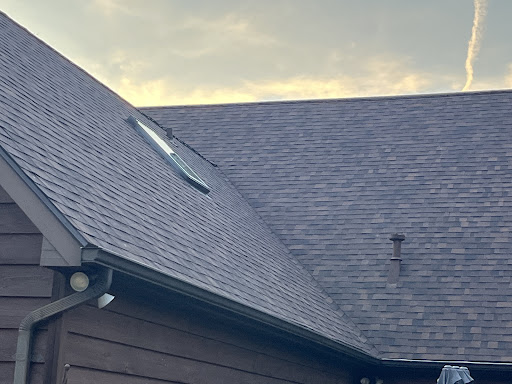
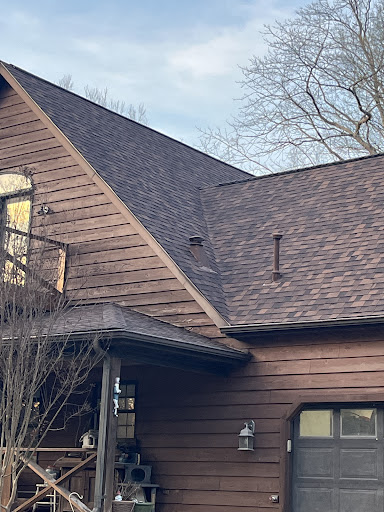
Box vents provide an essential solution for homeowners dealing with poor attic ventilation and excessive heat buildup in their roofs. These square or rectangular exhaust vents create crucial airflow that prevents moisture problems, reduces cooling costs, and protects your home’s structural integrity.
Poor roof ventilation systems can lead to serious issues, including ice dams, mold growth, and premature shingle deterioration. Box vents work as passive roof vents that require no electricity to operate, making them an efficient and cost-effective choice for many homeowners. They function by allowing hot, humid air to escape from attic spaces while cooler air enters through soffit vents below.
These attic ventilation solutions act as practical ridge vent alternatives, especially on hip roofs or complex roof designs where traditional ridge vents can be challenging to install. Box vents can be strategically placed near roof peaks to maximize their effectiveness in creating natural air circulation.
Understanding how box vents integrate into complete roof ventilation systems helps homeowners make informed decisions about their home’s comfort and energy efficiency. Proper ventilation reduces strain on air conditioning systems during hot summer months while preventing condensation issues that can damage insulation and wooden roof structures during cooler periods.
How Box Vents Keep Your Attic Cool and Dry Year-Round
Box vents harness the natural physics of air movement to create continuous ventilation in attic spaces. Hot air naturally rises due to its lower density, and box vents capitalize on this principle by providing exit points at the roof’s highest areas. As heated air escapes through these exhaust vents, cooler air enters through soffit or eave vents, establishing a consistent airflow pattern that operates without mechanical assistance.
This natural convection process removes both excessive heat and moisture from attic spaces throughout all seasons. During the summer, box vents prevent hot air from building up, which can reach temperatures exceeding 150 degrees Fahrenheit without proper ventilation. In winter, these passive roof vents eliminate moisture-laden air that could otherwise condense on cold surfaces and create damaging ice dams along roof edges.
Effective attic ventilation solutions like box vents deliver direct benefits for homeowners. Properly ventilated attics reduce cooling costs by preventing heat transfer into living spaces below. This improved efficiency means air conditioning systems work less intensively during peak summer temperatures. Box vents also protect against expensive moisture damage by preventing mold growth, wood rot, and insulation deterioration that occurs when humid air becomes trapped in enclosed spaces.
Box Vents vs. Ridge Vents: Choosing the Right Ventilation for Your Home
When comparing box vents to ridge vents, several key factors determine which attic ventilation solutions work best for specific roofing situations. Ridge vents offer continuous ventilation along the entire roof peak, providing consistent airflow across larger attic spaces. However, box vents deliver targeted exhaust in specific areas and are more versatile for complex roof designs that cannot accommodate ridge vent installation.
Installation requirements differ significantly between these roof ventilation systems. Ridge vents require cutting a continuous slot along the roof peak and work best on roofs with adequate ridge length. Box vents need only small square openings and can be positioned strategically where ventilation is most needed. This flexibility makes box vents an ideal alternative to ridge vents for hip roofs, where the ridge length is limited, or for homes with multiple roof levels and architectural features.
Visual appeal often influences homeowner preferences between these passive roof vents. Ridge vents blend seamlessly with roof lines and remain virtually invisible from ground level. Box vents create a more noticeable appearance but offer design options that complement various architectural styles when properly selected and positioned.
Box vents excel in situations involving metal roofing, older homes with existing ventilation configurations, and roofs with dormers or other structural elements that interrupt ridge lines. These exhaust vents provide reliable ventilation performance while accommodating the unique challenges that make ridge vent installation impractical or ineffective.
Types of Box Vents and Passive Ventilation Options Available
Box vents come in several distinct styles, each designed to optimize attic ventilation solutions for different roofs and climate conditions. Box vents represent the most basic type of passive roof vents, featuring simple box construction with louvers or screens that allow air to escape while keeping rain and debris out. These exhaust vents for roofs operate purely through natural convection without any moving parts, making them extremely reliable and maintenance-free options for homeowners.
Wind turbine vents add mechanical assistance to the ventilation process through spinning tops that create suction as wind passes over them. These roof ventilation systems generate enhanced airflow compared to static box vents, particularly effective in areas with consistent wind patterns. The rotating mechanism helps pull more hot air from attic spaces while still operating without electricity or external power sources.
Gable vents are stationary ventilation openings installed near the peaks of gable-end walls, allowing natural air to flow through passively. Positioned to take advantage of prevailing winds, these vents enable warm, moist air to exit while drawing cooler, drier air into the attic from lower intake vents. Typically constructed from wood, metal, or durable plastics, gable vents feature fixed louvers that protect against rain and debris while maintaining continuous ventilation without mechanical assistance.
Determining the appropriate type and quantity of box vents depends on calculating your attic’s square footage and evaluating the roof’s design. Most building codes recommend one square foot of ventilation for every 150 square feet of attic space, split equally between intake and exhaust vents. Ridge vent alternatives like box vents typically require spacing of 20 to 25 feet apart for the best performance.
The Professional Installation Process and What to Expect
Professional box vent installation begins with carefully measuring and marking the best placement locations on the roof surface. Roofing contractors evaluate attic layout, existing roof ventilation systems, and structural elements to determine precise positioning that maximizes airflow efficiency. The installation process starts with cutting square openings through both shingles and roof decking using specialized tools that create clean, accurate holes without damaging surrounding materials.
Proper weatherproofing is one of the most critical aspects of box vent installation. Professional contractors apply roofing cement around the opening perimeters before positioning the vent housing, then they carefully integrate flashing materials with existing shingle patterns, ensuring water flows around and over the vent rather than getting into the roofing system. This meticulous attention to weatherproofing prevents future leaks that commonly occur with improper installation techniques.
Working on pitched roofing surfaces requires specialized equipment, safety harnesses, and experience navigating different roofing materials safely. Professional contractors understand how to work around electrical lines, identify structural limitations, and avoid damaging existing attic ventilation solutions during the installation process.
Expert installation ensures the best possible performance from passive roof vents by achieving proper alignment with natural airflow patterns. Contractors verify adequate clearance around vents, confirm structural integrity of roof openings, and test ventilation effectiveness upon completion. This professional approach prevents common installation errors that reduce ventilation efficiency and create potential moisture problems in attic spaces.
Maintenance Tips to Keep Your Box Vents Working Effectively
Regular maintenance ensures box vents continue to provide the best attic ventilation throughout their operational lifespan. Homeowners should conduct visual inspections twice a year, typically during spring and fall seasons, to identify potential issues before they impact ventilation performance. Check vent openings for accumulated leaves, debris, or bird nesting materials that can obstruct airflow through these passive roof vents. Snow accumulation during winter can temporarily block exhaust vents, requiring careful removal to maintain proper ventilation.
Several warning signs indicate when roof ventilation systems require professional attention from qualified roofing contractors. Excessive attic heat buildup during the summer could mean there’s inadequate airflow through your roof’s box vents or intake vents. Condensation forming on attic surfaces, musty odors, or visible mold growth can signal moisture problems that properly functioning vents should prevent. Ice dam formation along roof edges during winter often indicates ventilation imbalances that need correction.
Inspect vent housings for loose fasteners, damaged screens, or deteriorated flashing materials that could allow water to get in around openings. These ridge vent alternatives require secure mounting and intact weatherproofing to function properly without causing roof leaks. Professional evaluation becomes necessary when homeowners notice reduced indoor comfort levels, unexplained increases in cooling costs, or visible damage to vent components that affects their structural integrity and ventilation capacity.
Common Box Vent Problems and How St. Louis Weather Affects Their Performance
Box vents face unique challenges in Midwest climates, where temperature extremes and severe weather patterns can significantly impact roof ventilation systems. Inadequate airflow often develops when debris accumulates in vent openings during St. Louis’s stormy seasons, blocking the natural convection process that makes these passive roof vents effective. Strong winds common to the region can create backdraft issues, while heavy snow loads may temporarily seal exhaust vents for roofs during extended winter periods.
Noise problems frequently occur when box vents experience thermal expansion and contraction due to dramatic temperature swings typical of Missouri weather. Metal components expand during hot summer days and contract rapidly during cool nights, creating clicking or popping sounds that homeowners often notice. Wind-driven rain can also cause whistling or vibrating noises when moisture interacts with vent louvers during severe thunderstorms common to the area.
Weather-related damage typically shows up through deteriorated flashing materials, loose fasteners, or cracked vent housing caused by hail impacts and freeze-thaw cycles. These issues compromise the weatherproofing that keeps moisture from getting into your roofing system around its vent openings.
Properly functioning box vents can extend a roof’s lifespan by preventing ice dam formation and reducing moisture buildup that leads to structural damage. These attic ventilation solutions and ridge vent alternatives maintain consistent attic temperatures year-round, reducing thermal stress on roofing materials while improving overall home comfort and energy efficiency during both hot summers and frigid winters.
Ensure Your St. Louis Home’s Roof Lasts with Proper Ventilation from Total Roofing
If you’re noticing higher energy bills or issues like mold and mildew in your attic, it’s time to consider upgrading your attic’s ventilation system. Total Roofing specializes in the installation of high-quality box vents that enhance airflow and protect the structural integrity of your home. Properly installed box vents can prevent moisture buildup, reduce excess heat, and lower cooling costs, ensuring your attic remains cool and dry throughout the year.
Don’t let inadequate ventilation compromise your home’s comfort and safety. Call Total Roofing today at (618) 719-6767 to schedule a consultation and learn how our expert services can improve the lifespan and efficiency of your roofing system. Whether you’re dealing with an old roof that needs an upgrade or constructing a new home, we have the right ventilation solution for you.