



Essential Guide to PVC Roof Maintenance for Maximum Performance and Longevity


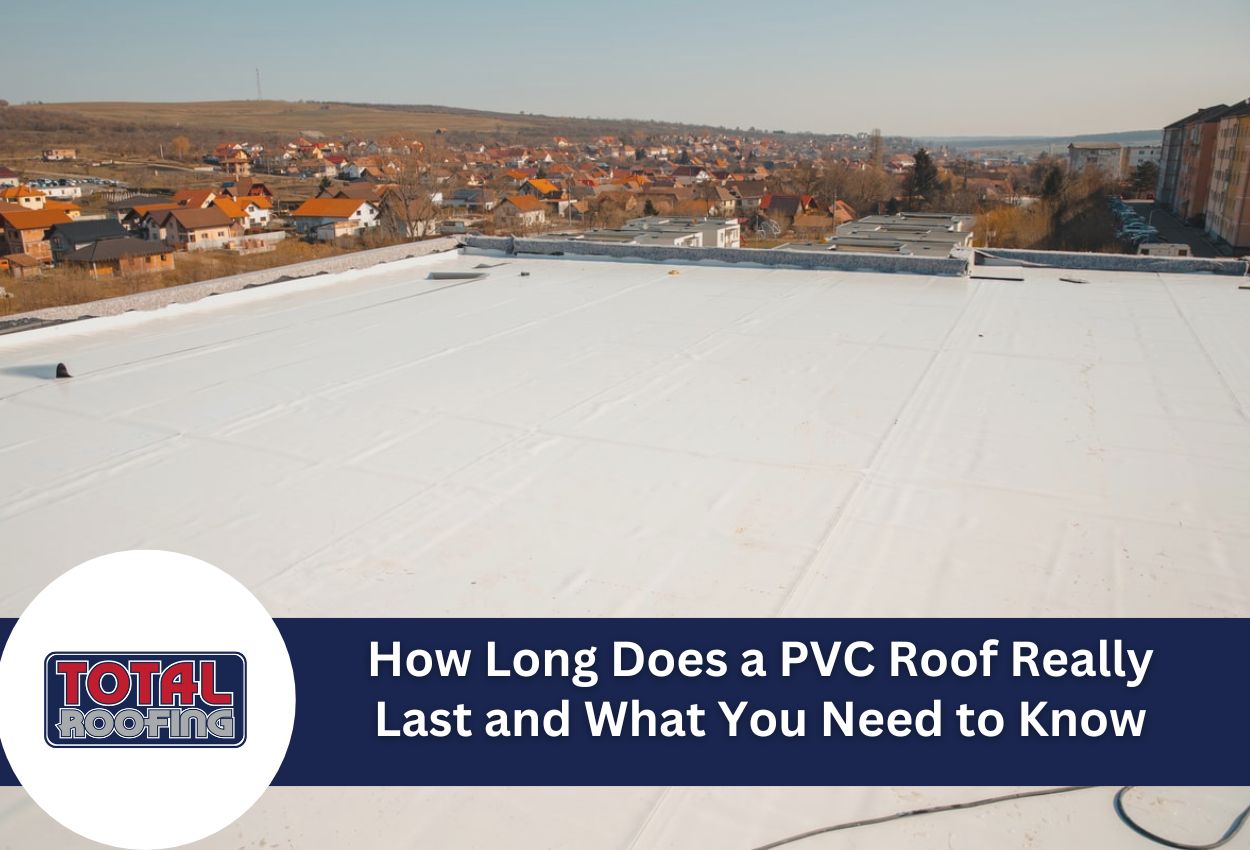
PVC roofing systems are durable and cost-effective commercial roofing solutions that are becoming more and more popular. These single-ply membranes offer exceptional resistance to chemicals, UV radiation, and extreme weather conditions, making them a good choice for businesses and property owners seeking long-term protection. However, even the most robust PVC roof requires consistent maintenance to achieve its full potential lifespan of 20 to 30 years.
PVC roof maintenance practices directly impact both performance and financial returns on these roofing investments. Regular PVC membrane inspections help identify minor issues before they develop into major structural problems requiring extensive repairs. The unique properties of PVC materials respond well to specific cleaning methods and maintenance techniques that differ from traditional roofing systems.
Effective PVC roof maintenance encompasses several areas, including inspections, cleaning, prompt repairs, and seasonal preparation strategies. Property owners who implement comprehensive maintenance schedules typically see significant extensions in roof longevity while reducing emergency repair incidents. The key lies in understanding how PVC membranes age and respond to environmental factors, allowing for quick solutions that preserve the membrane’s integrity and protective capabilities.
Regular Inspection Protocols That Prevent Major Problems
Inspections are the basis of effective PVC commercial roof maintenance programs. Property owners should visually assess their roof, at a minimum, twice every year. These inspections are typically done during spring and fall when weather conditions allow safe roof access. These scheduled PVC membrane inspections should focus on seam integrity, membrane surface condition, and drainage system functionality.
Comprehensive inspection checklists should include examining all penetrations, flashing details, and membrane attachment points where deterioration commonly begins. Look for signs of membrane shrinkage, surface cracking, or discoloration that may indicate UV degradation or chemical exposure. Pay close attention to high-traffic areas and equipment mounting locations where mechanical damage frequently occurs. After severe weather, immediate post-storm inspections are critical for identifying wind damage, hail impacts, or debris accumulation that could compromise membrane performance.
While property maintenance teams can handle basic visual inspections, professional assessments provide comprehensive evaluations using infrared scanning and core sampling techniques. These advanced assessments help identify moisture intrusion before visible damage appears, preventing structural repairs and extending overall roof longevity through early intervention. Professional roofing contractors possess specialized knowledge to detect subtle issues that untrained observers might overlook, particularly regarding seam failures or thermal movement problems.
Proven Cleaning Methods for Different PVC Roof Conditions
PVC roof cleaning methods depend on the specific conditions and contamination levels present on the membrane surface. For routine maintenance cleaning, begin with thorough debris removal using soft-bristled brushes or plastic scrapers to avoid puncturing the membrane. Follow this with a gentle washing solution consisting of mild detergent mixed with water, applied using low-pressure spray equipment or manual application methods.
When addressing standard dirt accumulation and light staining, work in manageable sections using circular motions with non-abrasive cleaning tools. Always rinse thoroughly with clean water to prevent soap residue buildup that can attract additional dirt over time. This basic approach maintains the membrane’s reflective properties while preserving the material’s structural integrity.
Stubborn stains, algae growth, and heavy debris buildup require specific cleaning approaches. For biological growth, apply solutions specifically formulated for PVC membranes, allowing adequate dwell time before gentle scrubbing and thorough rinsing. Grease or oil stains respond well to products designed for synthetic roofing materials.
Tree sap, tar, or adhesive residues need careful attention using appropriate solvents that won’t compromise the PVC material. Test all cleaning solutions on a small area first to ensure compatibility. Heavy debris removal should progress systematically from roof perimeters toward drainage points, preventing blockages that could cause water ponding and subsequent membrane stress or failure.
Quick Fix Solutions and When Professional Repair is Necessary
Property owners can address several common PVC roof issues using appropriate materials and proven repair methods. Small punctures and tears respond well to patch repairs using compatible PVC membrane material and specialized adhesives designed for single-ply roof maintenance. Clean the damaged area thoroughly, apply primer if required, and install patches that extend at least 4 inches beyond the damage perimeter on all sides.
Minor seam separations often develop from thermal expansion and contraction cycles affecting PVC membranes. These repairs require careful cleaning of the separated area, followed by heat welding or adhesive application, depending on the original installation method. Property maintenance teams should use only manufacturer-approved materials to ensure proper bonding and long-term performance of PVC commercial roofing systems.
Surface scratches and minor membrane damage frequently occur from foot traffic or equipment movement across the roof. Light scratches typically heal themselves through normal thermal cycling, while deeper gouges may require surface patching using liquid membrane products specifically formulated for PVC materials.
Complex repairs involving extensive seam failures, major punctures, or structural damage require professional intervention to maintain warranty coverage and ensure proper methods are used. Attempting advanced PVC roof repair techniques without specialized equipment like hot-air welders or safety training creates liability risks and potential membrane damage. Professional contractors have the expertise to assess underlying causes of damage and address both symptoms and root problems, extending your PVC roof’s longevity.
Seasonal Maintenance Strategies for Year-Round Protection
Effective PVC roof maintenance requires tailoring your approach to the specific weather and environmental conditions throughout the year. Spring and summer months need more intensive cleaning protocols and comprehensive inspections to prepare membranes for peak UV exposure and thermal stress. During these warmer seasons, focus maintenance efforts on removing accumulated winter debris, checking drainage systems, and assessing membrane condition after freeze-thaw cycles.
Spring maintenance tasks should prioritize thorough PVC roof cleaning methods that remove organic debris, standing water, and biological growth that developed during the winter months. Inspect all seams, flashing details, and penetrations for damage while testing drainage functionality before heavy summer rainfall arrives. Summer maintenance focuses on UV protection and monitoring for signs of thermal expansion, ensuring membrane attachment systems remain secure during high-temperature periods.
Fall and winter preparation shifts focus toward protective measures and debris management strategies. Remove all leaves, branches, and organic materials that could retain moisture and promote biological growth during cold months. Clear all drains, scuppers, and gutters to prevent ice dams that create dangerous membrane stress.
Winter-specific single-ply roof maintenance includes monitoring snow accumulation and applying ice prevention measures around critical drainage areas. Apply preventive treatments to vulnerable seam areas and ensure adequate ventilation to minimize condensation issues. These seasonal PVC roof longevity tips create comprehensive protection cycles that address weather-specific challenges while maintaining optimal membrane performance year-round through proactive maintenance.
Maximizing Your Single-Ply Roof Investment Through Preventive Care
Developing comprehensive long-term maintenance strategies transforms PVC roof ownership from reactive emergency management into proactive asset protection. Property owners who have preventive care programs consistently achieve maximum return on their roofing investments while avoiding expensive emergency repairs and premature replacement scenarios. These strategic approaches focus on budget-friendly routine maintenance that preserves the membrane’s integrity over decades of service.
Effective maintenance planning begins with creating realistic annual budgets that account for seasonal cleaning, routine inspections, and minor repair needs. Allocating funds for regular PVC roof maintenance prevents financial strain from unexpected major repairs. Property managers should establish maintenance reserves that cover both routine care and potential upgrade requirements as membranes age.
Detailed record-keeping practices support warranty compliance while providing valuable performance data for future planning. Document all PVC membrane inspections, cleaning activities, and repair work with photographs and detailed descriptions. These records demonstrate proper maintenance to warranty providers and help identify patterns that guide future maintenance scheduling decisions.
Professional maintenance partnerships often provide cost-effective solutions. Establishing relationships with qualified roofing contractors provides access to specialized knowledge and equipment while maintaining consistent service standards. These partnerships typically include scheduled inspection services, priority repair scheduling, and detailed performance reporting that supports optimal PVC roof longevity.
Common Maintenance Mistakes That Shorten a PVC Roof’s Lifespan
Several critical maintenance errors can significantly reduce a PVC roof’s service life and compromise its performance. Property owners often unknowingly use cleaning products containing petroleum-based solvents, harsh acids, or abrasive compounds that degrade PVC materials. These incompatible chemicals cause membrane softening, discoloration, and premature cracking that voids manufacturer warranties and accelerates replacement needs.
Improper repair materials are another frequent mistake that undermines single-ply roof maintenance efforts. Using generic adhesives, incompatible patching materials, or non-PVC membrane products creates weak points that quickly fail. These substandard repairs often cause more extensive damage than the original problems, leading to expensive rework and potential moisture issues.
Aggressive cleaning techniques, such as excessive pressure washing or using metal scrapers and abrasive brushes, damage membrane surfaces. These harsh PVC roof cleaning methods remove protective surface layers and create microscopic tears that become failure points over time. Walking on wet membranes or using improper safety equipment during maintenance activities also contributes to unnecessary wear and puncture damage.
Delaying professional maintenance until problems become severe is an expensive oversight that reduces PVC roof longevity. Property owners who attempt complex PVC roof repair techniques without proper training or equipment often create warranty violations and structural issues. Establishing regular professional maintenance schedules complements property owner efforts, preserving membrane performance and maximizing your roofing investment.
Ensure Your PVC Roof Lasts with Professional Maintenance from Total Roofing
Regular maintenance is non-negotiable for the long-term performance of your PVC roofing system. At Total Roofing, we specialize in comprehensive PVC roof maintenance that extends beyond simple cleaning and repairs. Our expert team is trained to handle everything from routine inspections to complex issues that might arise over your roof’s lifespan. Proactively maintaining your PVC roof not only ensures it performs optimally but also helps in preserving its integrity for years to come.
For a detailed inspection or to schedule regular maintenance, call Total Roofing today at (618) 719-6767. Let us help you maximize your investment with professional care tailored to your roofing needs.