

 call(618) 719-6767 call


Proudly Serving Homeowners Across Missouri
Storm Damage Roof Repair in St. Louis, MO
5.0 Stars - Based on 224 User Reviews
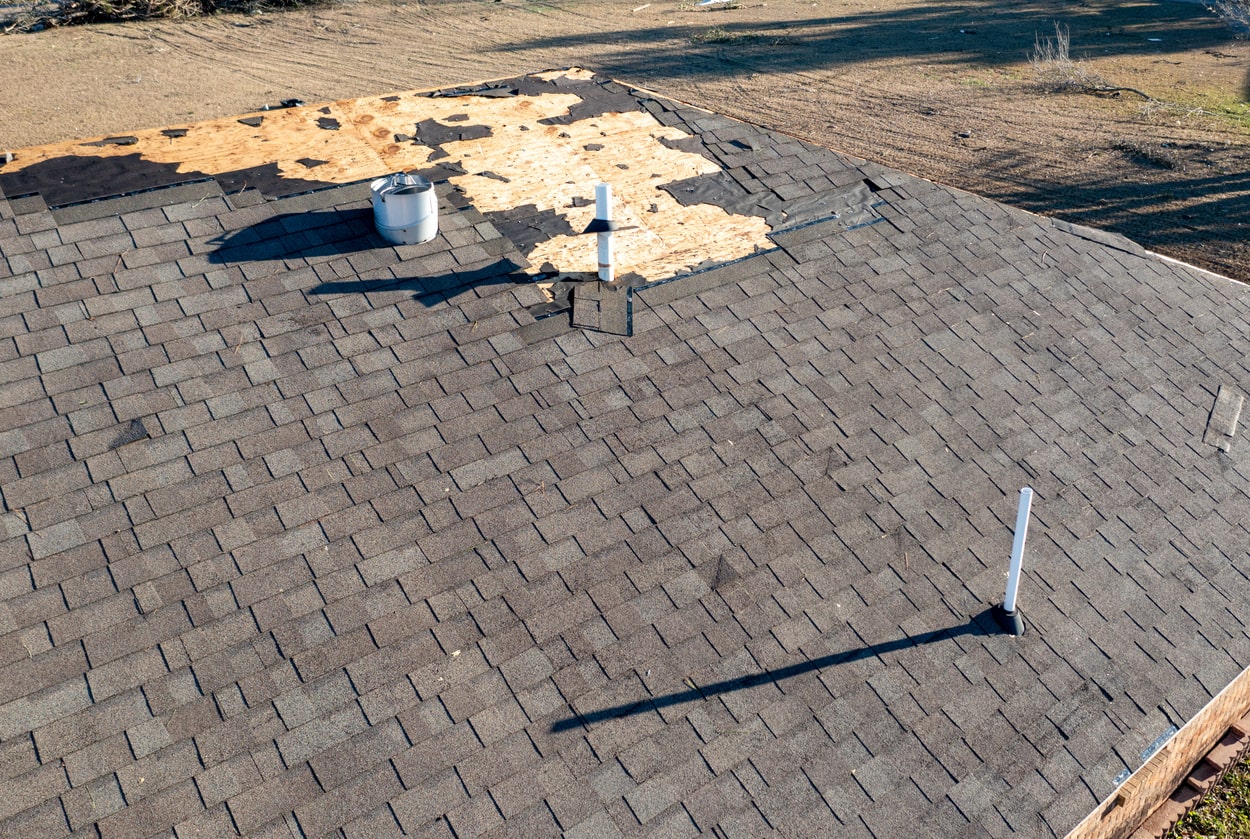
St. Louis is no stranger to punishing weather. Spring and early summer bring roughly 45 thunderstorm days per year, with hail that can range from pea-sized to golf ball-sized and winds that regularly push past 60 mph. That kind of force does real damage to a roof, and the area's older housing stock makes things worse. Many St. Louis homes were built in the mid-20th century with asphalt shingles that were never designed to hold up against decades of Midwest hail patterns. When a strong storm rolls through, the difference between a quick repair and a much larger problem often comes down to how fast you act.
Storm damage rarely announces itself clearly. A few lifted shingles or a small gap in your flashing can let water into your attic within hours, and in St. Louis's humid summers, that moisture turns into mold and insulation damage faster than most homeowners expect. Then winter arrives, and unrepaired damage creates the conditions for ice dams to form along the roofline, putting even more stress on a structure that is already compromised.
Total Roofing works with homeowners across the St. Louis area to inspect and repair storm damage accurately and get roofs back to a reliable condition quickly. The goal is straightforward: protect your home before a manageable repair becomes something far more serious.
How Storm Damage Roof Repair Works in St. Louis, MO
After a storm, the priority is clarity and containment. Here is how the process is handled from first contact through completion, without unnecessary steps or repetition.
- Step 1: Condition Verification
A roofer performs a targeted inspection focused on impact zones rather than a general overview. This includes slopes with the most wind exposure, ridge transitions, and areas below tree lines. The objective is to confirm functional damage versus cosmetic wear and identify any active entry points for water. - Step 2: Findings and Repair Path
You receive a concise breakdown of what is damaged, what is not, and what requires action. If the issue is isolated, the repair plan stays limited to that section. Broader work is only outlined if failure patterns extend beyond a single area. - Step 3: Define Work Plan
The repair is documented in a straightforward format: affected sections, required materials, and sequence of work. This avoids open-ended language and keeps the project contained to what was verified during inspection. - Step 4: Repair Execution
Work is completed with attention to integration rather than replacement alone. This includes tying new shingles into existing courses correctly, resealing transition points, and reinforcing areas prone to repeat failure. Temporary protection is installed only if timing or weather requires it. - Step 5: Post-Repair Confirmation
The repaired sections are reviewed against the original findings to confirm resolution. You are shown the completed areas and any remaining watch points, if applicable. The process ends with a clear understanding of the current roof condition and no unresolved items.
Storm Damage Warning Signs in St. Louis, MO
After a major storm passes, what you can see from the ground is rarely the full picture. St. Louis weather patterns put roofs through serious stress, and some of the most damaging issues hide in spots that aren't visible without a closer look. Knowing what to watch for helps you decide when to call before a smaller problem turns into a bigger one.
- Granule loss on shingles: Hail impacts the protective surface of asphalt shingles, leaving them exposed to sun and rain. Check your gutters for dark, sand-like granule buildup after a storm.
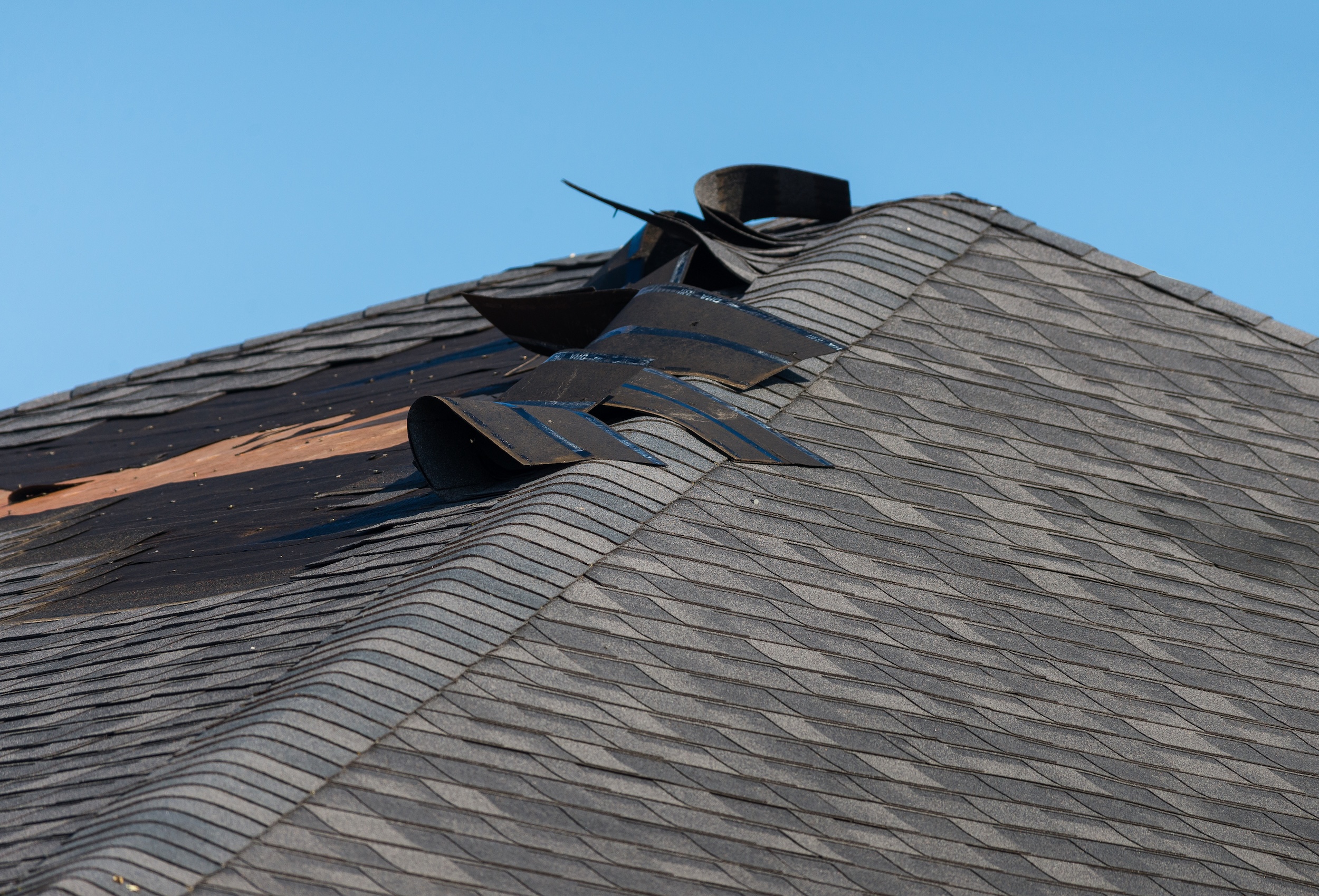
- Lifted or curling shingle edges: High winds loosen shingle tabs and break the adhesive seal, creating gaps where water can work its way underneath during the next rain.
- Damaged or separated flashing: Flashing around chimneys, vents, and valleys takes a beating in winds and is a common entry point for leaks in older St. Louis homes.
- Water stains on ceilings or in the attic: Discoloration inside your home after a storm points to an active leak that needs immediate attention before mold takes hold in humid conditions.
- Sagging or soft spots on the roof deck: These signal that moisture has already reached the structural layer, which typically means repairs go deeper than surface shingles alone.
If you notice any of these after a storm, getting a professional inspection done quickly gives you a clear picture of what needs to be fixed and keeps the scale of the repair from growing.
Hail Impact Repair
St. Louis hailstorms regularly produce stones large enough to crack, dent, or completely break through asphalt shingles, especially on older roofs that have already seen years of wear. We replace damaged shingles in the affected areas and address any underlying deck damage the impact may have caused, so your roof isn't just patched on the surface.
Wind Damage and Flashing Repair
Winds that push past 60 mph can tear shingles loose and pull flashing away from chimneys, vents, and valleys in a single storm. We resecure or replace lifted shingles and reseal flashing points so your roof holds up when the next round of severe weather moves through.
Temporary Tarping and Emergency Protection
When a storm leaves your roof open to the elements and repairs can't be completed the same day, we install temporary tarping or shrink wrap to protect your home until full repairs are finished. This keeps water out during St. Louis's unpredictable stretches of rain and prevents freeze-related damage from setting in once temperatures drop.
Attic and Deck Moisture Check
Surface repairs only go so far if moisture has already reached the roof deck or attic insulation below. We check for hidden water damage before closing up the repair, so you're not left with mold developing in the humid conditions that St. Louis summers are known for.
Get Storm Damage Repaired Right in St. Louis, MO
St. Louis puts roofs through a lot over the course of a year. Between spring hail, summer storms, and the temperature swings that accelerate wear on aging shingles, even a roof that looks fine from the street can have damage that quietly grows between seasons. Getting that damage repaired the first time correctly protects your home from the kind of secondary problems that end up being far more expensive than the original repair.
Total Roofing is here to help St. Louis homeowners move forward with confidence after a storm. Whether you noticed something specific during the last storm or just want a professional set of eyes on your roof, reaching out is a simple first step. Contact us whenever you're ready, and we'll take it from there.
Frequently Asked Questions
Got questions about your roof? We’ve got answers. From maintenance tips to insurance claims and repair timelines, our FAQ section covers the most common concerns homeowners have. Get informed and make confident decisions about protecting your home.
Does it matter which direction the storm came from when figuring out where the damage is?
It does, and it's something a lot of homeowners don't think to mention. Wind-driven hail and rain hit the surface of a roof at an angle, so the side of your home facing the storm tends to take the hardest hit. That said, older St. Louis homes with worn shingles can show damage on multiple sides, especially when storms shift direction as they move through. Telling your contractor which way the storm tracked gives us a useful starting point, but we inspect the full roof regardless.
How do I know if what I'm seeing is fresh storm damage or just normal wear on an older roof?
This is one of the trickier things to sort out on mid-century St. Louis homes, where the shingles already have years of weathering on them. Fresh hail damage typically leaves distinct impact marks or circular bruising on shingles, while normal wear tends to show as gradual surface fading or widespread granule loss over large areas. A post-storm inspection can tell the difference clearly because a trained eye looks for patterns consistent with specific weather rather than general aging. Knowing which is which matters because it affects both the repair scale and what may be covered under your homeowner's policy.
What happens to a temporary tarp or shrink wrap if another storm hits before the full repair is done?
Properly installed tarping is designed to handle additional rain and wind, but it is a temporary measure, not a permanent fix. In St. Louis, where back-to-back storm systems are common in spring, we secure tarps at the deck level rather than just draping them over the ridge to reduce the chance of wind getting underneath. If a second storm is forecast before repairs are scheduled, let us know so we can check the covering and make sure it's still sealed correctly before the next round of weather arrives.
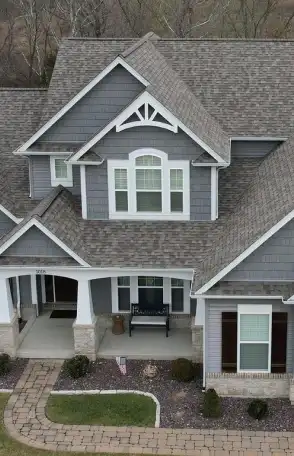
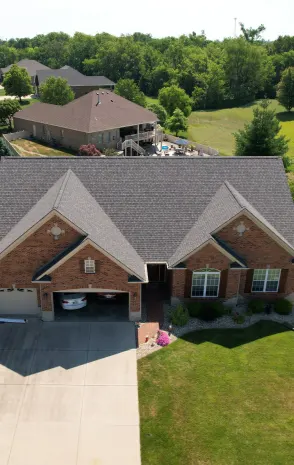
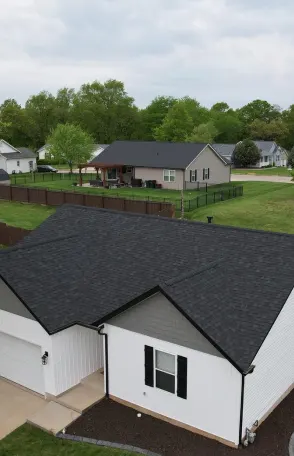
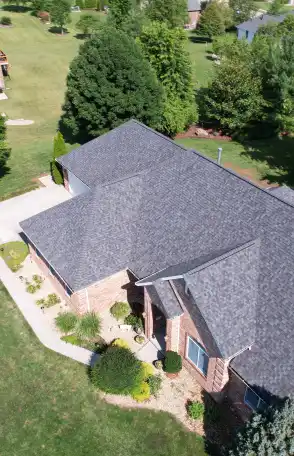
Our Work Speaks For Itself
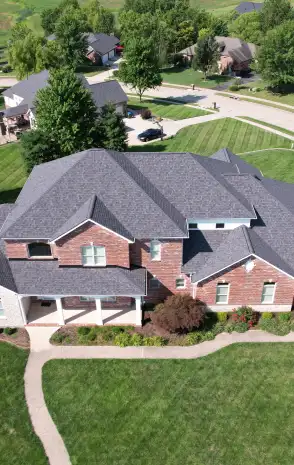
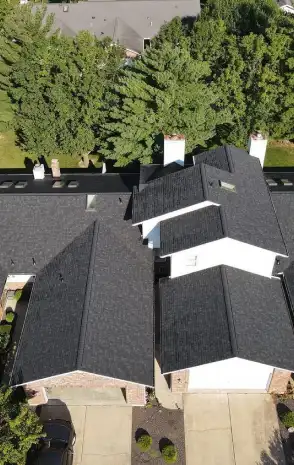
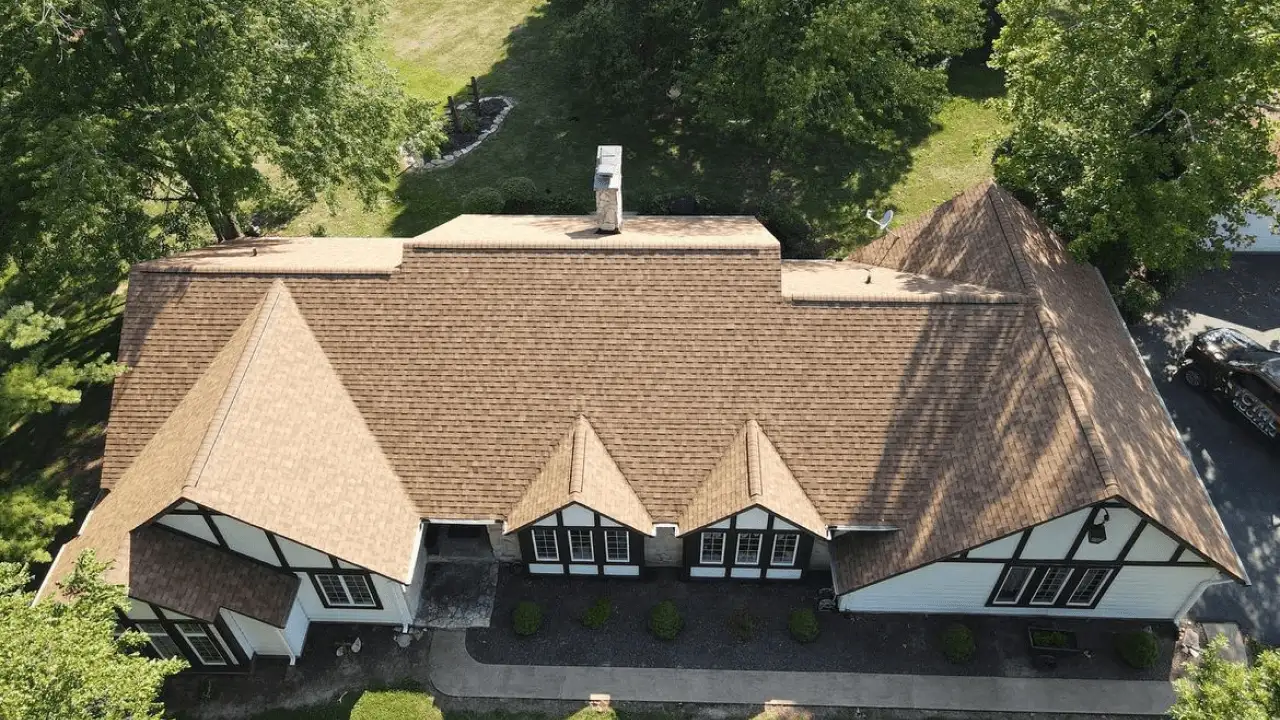
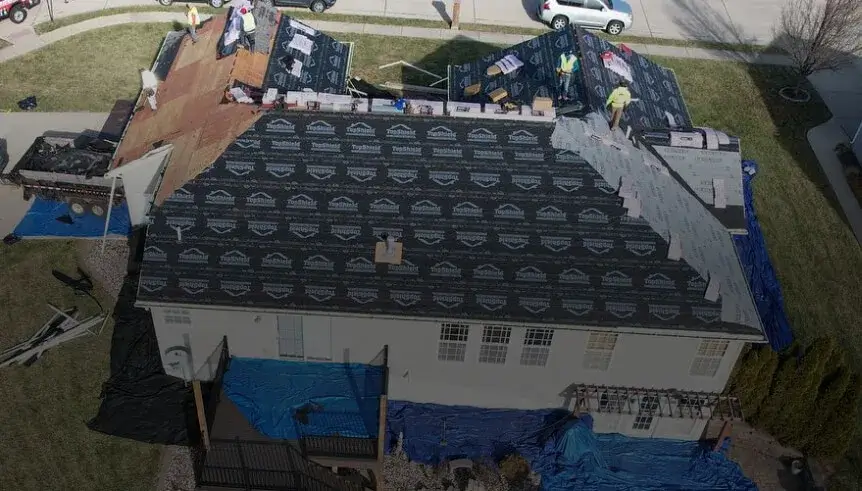
Our completed roofing projects reflect our commitment to quality, durability, and craftsmanship. From repairs to full installations, every job is done with attention to detail and built to last.

Our Client Feedback
Our work is best told through our customers. Whether it’s a quick repair or a full roof replacement, Total Roofing delivers reliable roofing done right.
View more arrow_forward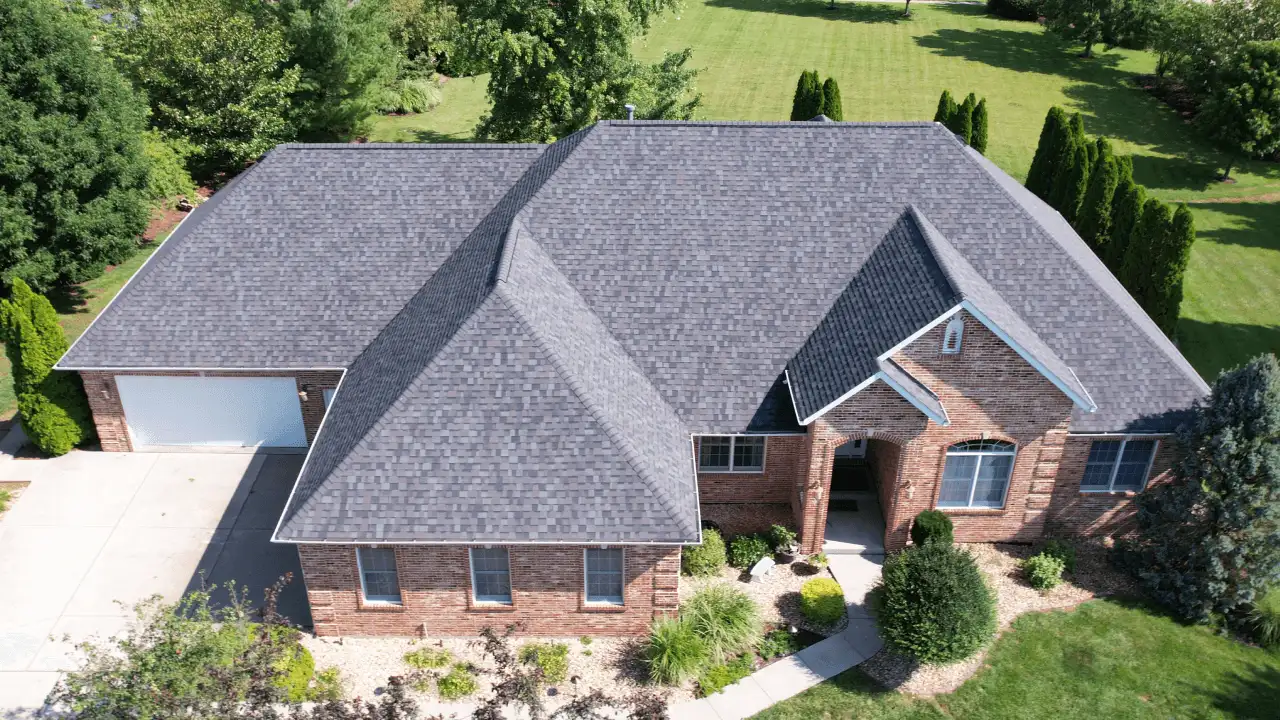






Professional Guidance and Consultation for All Roofing & Remodeling Projects
If you would like a free estimate for a new roof, please contact your nearest office location listed below. You may also submit an inquiry through the contact form, and a member of our team will respond promptly.
- done_allFree, detailed roof inspection by certified professionals Free
- done_allAccurate estimates with transparent pricing 100% Trusted
- done_allNo obligation and no pressure to commit
- done_allFast response and timely project scheduling
- done_allHigh-quality materials and skilled workmanship
- done_allDedicated support from consultation to completion










Get Your Free Professional Roof Inspection