

 call(618) 719-6767 call


Proudly Serving Homeowners Across Missouri
Metal Roof Installation in St. Louis, MO
5.0 Stars - Based on 222 User Reviews
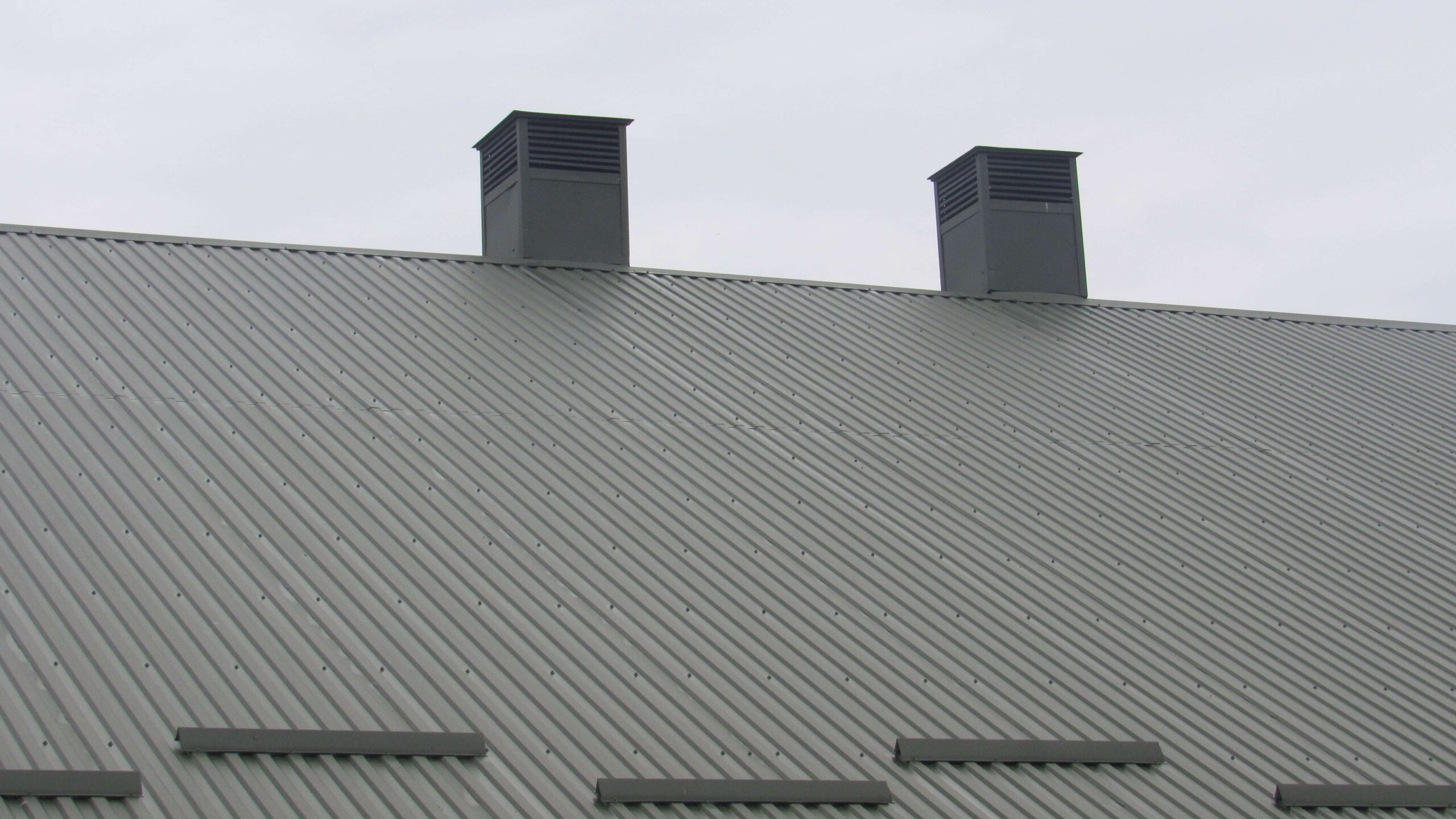
St. Louis puts roofs through a real workout. Summers push temperatures into the 90s, winters bring freezing cold and heavy snow, and the area sees around 40 inches of rain spread across more than 150 days of precipitation each year. Spring storms roll through with strong winds and hail, and the repeated temperature changes between seasons create constant expansion and contraction that wears down traditional asphalt shingles faster than most homeowners expect. When a roof starts failing under those conditions, the damage rarely stays contained to the shingles themselves.
Metal roofing is built for exactly this kind of environment. It handles temperature swings without losing its seal, sheds water and snow efficiently, and holds up against hail and wind in ways that asphalt simply cannot match. For St. Louis homeowners who are tired of patching the same roof through another rough winter, it's a straightforward upgrade in protection and longevity. Total Roofing installs metal roofing systems across the St. Louis area with the kind of local knowledge that makes a real difference, from how materials perform through our winters to how proper fastening keeps everything tight when temperatures swing hard in either direction.
How Metal Roof Installation Works in St. Louis, MO
A new roof is a significant investment, and you deserve to know exactly what to expect before anyone sets foot on your property. Here is how Total Roofing handles the process from start to finish.
- Step 1: Existing Condition Inspection
Before any work begins, we take a close look at your current roof to understand what we are actually dealing with. We inspect the decking, flashing, drainage points, and overall structure to identify anything that could affect installation. This step gives us the full picture, not just the surface. - Step 2: Honest Recommendation
After the inspection, we sit down with you and share what we found in plain language. If your existing roof can be repaired rather than replaced, we will tell you that directly. We only recommend a full metal installation when the condition of your roof and your long-term goals make it the right call. - Step 3: Options, Specifications, and Detailed Quote
Once replacement makes sense, we walk you through the material options suited to St. Louis conditions, covering panel styles, fastening systems, and gauge selections. You get a complete quote with no surprises, so you know exactly what you are getting before we begin. - Step 4: Professional Installation
Our crew handles the full installation, from removing the old material to securing each panel with the precise fastening that St. Louis temperature changes demand. Sealants, flashing, and drainage details are handled carefully at every stage to keep the system tight for the long haul. - Step 5: Quality Assurance and Final Walkthrough
Before we call the job complete, we inspect the finished roof and walk you through the work. We want you to see exactly what was done and feel confident in the result before we leave your property.
Metal Roofing Options for St. Louis, MO Conditions
Choosing the right metal roofing system means understanding how different materials and panel designs hold up against St. Louis weather patterns. The table below breaks down the main options and how they perform in this region.
| System Type | Best For | St. Louis Performance Notes |
|---|---|---|
| Steel Standing Seam | Homes with history of hail or wind damage | Top choice for impact resistance; handles repeated temperature changes without seal failure |
| Galvalume Steel Panels | Homeowners prioritizing long-term value | Corrosion-resistant coating suits the region's year-round precipitation without premium pricing |
| Exposed Fastener Steel | Budget-conscious metal upgrades | Performs well with proper installation; fastener placement is critical in freeze-thaw-prone winters |
| Aluminum Panels | Lighter-weight applications | Less common here; lower impact resistance makes steel the preferred choice across most St. Louis properties |
Beyond material selection, a few other factors come up regularly during consultations. Homes in densely built St. Louis neighborhoods sometimes raise questions about the noise that rain and hail create, and proper insulation installed beneath the panels addresses that concern effectively. Gutter integration is another consideration, since metal roofs shed water quickly and your drainage system needs to keep pace. Getting these details right during installation protects your investment and keeps maintenance straightforward for years ahead.
Insulation and Underlayment Installation
Proper insulation installed beneath your metal panels does more than reduce noise during rain and hail events. It adds a meaningful layer of thermal performance that helps your home stay cooler in summer and hold heat through St. Louis winters, which directly affects your energy bills year after year.
Flashing and Penetration Sealing
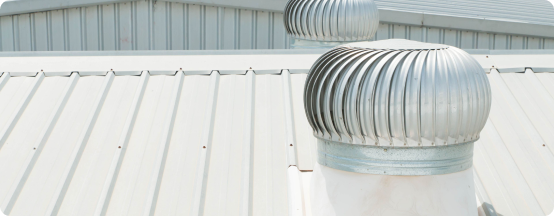
Every chimney, vent, skylight, and roof penetration gets individually flashed and sealed as part of the installation. These transition points are where most roof failures start, and getting them right the first time prevents leaks that can go undetected until they cause serious damage to your home's structure.
Gutter System Compatibility and Integration
Metal roofs shed water faster than asphalt, which means your gutters and downspouts need to handle that increased flow without backing up or pulling away from the fascia. We make sure your drainage setup is properly matched to your new roof so water moves off your home cleanly, even during the heavy spring and summer storms St. Louis is known for.
Impact-Rated Steel Fastening Systems
The fasteners used on your roof are selected and placed to handle the expansion and contraction that comes with St. Louis temperature swings, not just to hold panels in place on day one. Using the right gauge fasteners at the correct spacing keeps your roof tight through years of seasonal movement without loosening or creating gaps where water can get in.
Install a Metal Roof in St. Louis, MO That Lasts
St. Louis weather doesn't give roofs much of a break. The combination of wet seasons, temperature swings, and the occasional severe spring storm means your roof is always working. A properly installed metal system holds up through all of it without the repeated repair cycles that come with asphalt, and that reliability adds up in real ways over the life of your home. Whether you're replacing a roof that's been patched too many times or making a deliberate choice to invest in something that lasts, metal roofing is a decision most St. Louis homeowners don't regret.
Total Roofing is ready to walk you through your options and give you a clear picture of what metal roof installation would look like for your property. There's no pressure here, just straightforward answers from a team that knows this market well. Reach out when you're ready to get started.
Frequently Asked Questions
Got questions about your roof? We’ve got answers. From maintenance tips to insurance claims and repair timelines, our FAQ section covers the most common concerns homeowners have. Get informed and make confident decisions about protecting your home.
Does a metal roof make your home noticeably louder during St. Louis thunderstorms and hail events?
This is one of the most common concerns we hear, and the honest answer is that a properly installed metal roof with quality underlayment and insulation beneath it is not significantly louder than an asphalt roof during rain or hail. The difference comes down to what is installed between the panels and your ceiling. Without that layer, yes, you would notice the sound. With it, most homeowners say the noise is comparable to what they had before.
Will a metal roof hold up against the kind of hail St. Louis sees in spring without denting or losing performance?
Steel roofing panels are rated for impact resistance, and for most hail events that hit the St. Louis area, a properly gauged steel system will show little to no visible damage where asphalt shingles would need replacement. Aluminum panels are a different story; they dent more easily and are not the right fit for this region because of that. If hail history is a concern on your property, steel is the material that makes sense here.
What happens to a metal roof over time with St. Louis temperature swings, and is there anything that can go wrong years down the road?
Metal panels expand and contract with every temperature change, and that movement is normal. The risk comes from improper fastening during installation; if fasteners are placed incorrectly or spaced too far apart, that repeated movement can gradually loosen them and create gaps where water works its way in. A standing seam system reduces that risk significantly because the panels are secured without exposed fasteners, but any metal roof needs to be installed with seasonal movement in mind from the start.
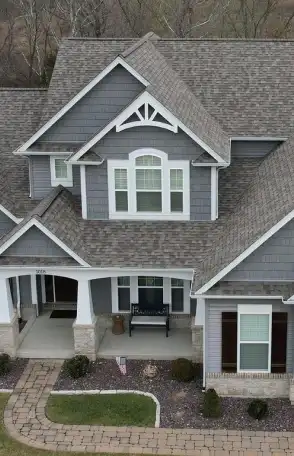
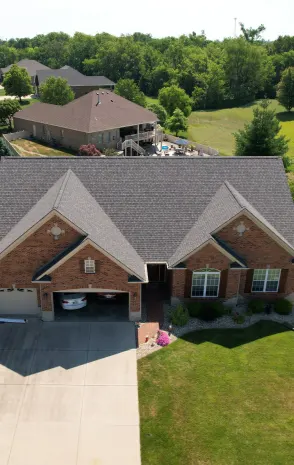
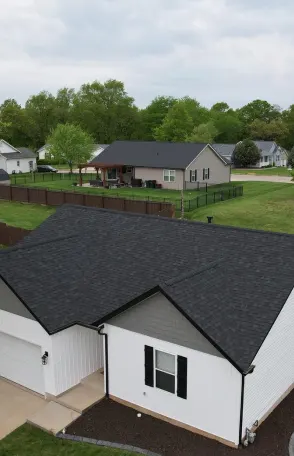
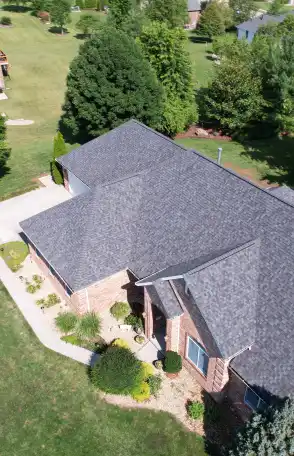
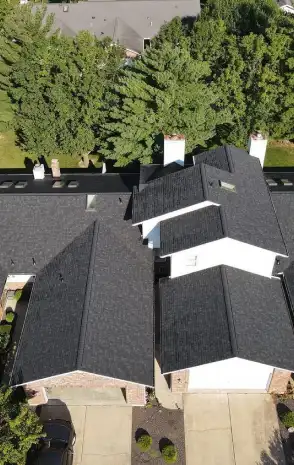
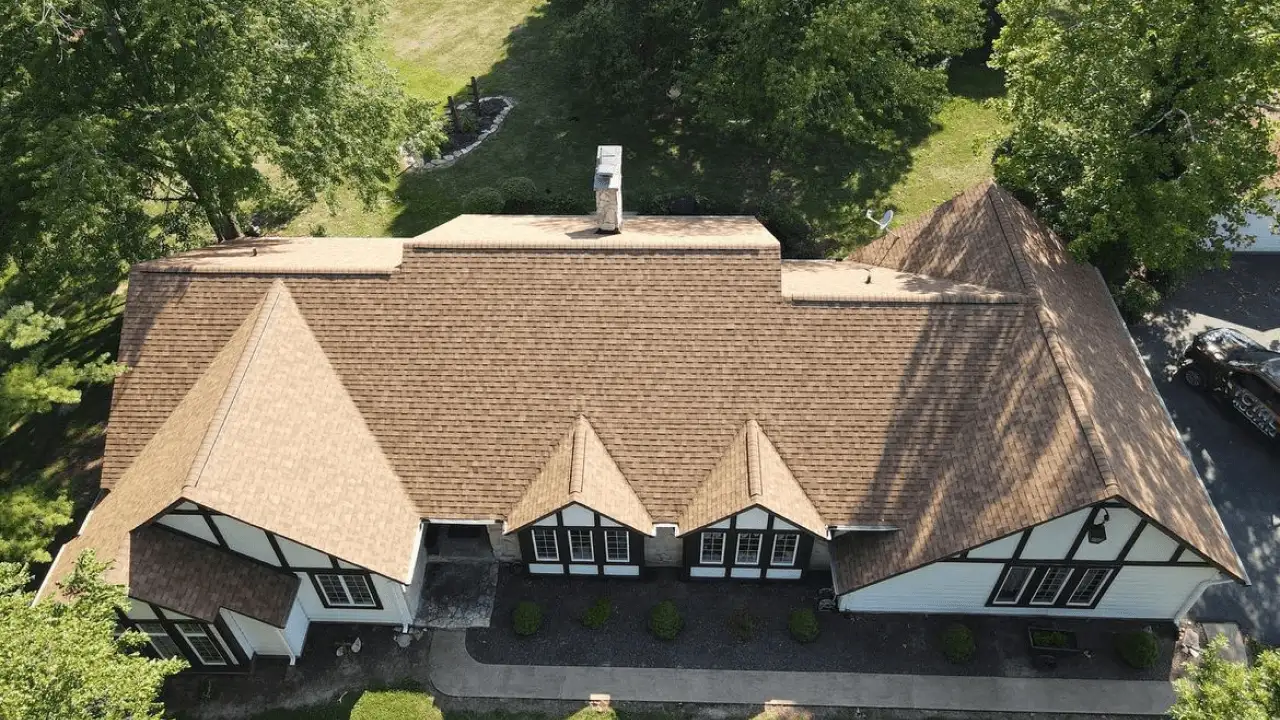
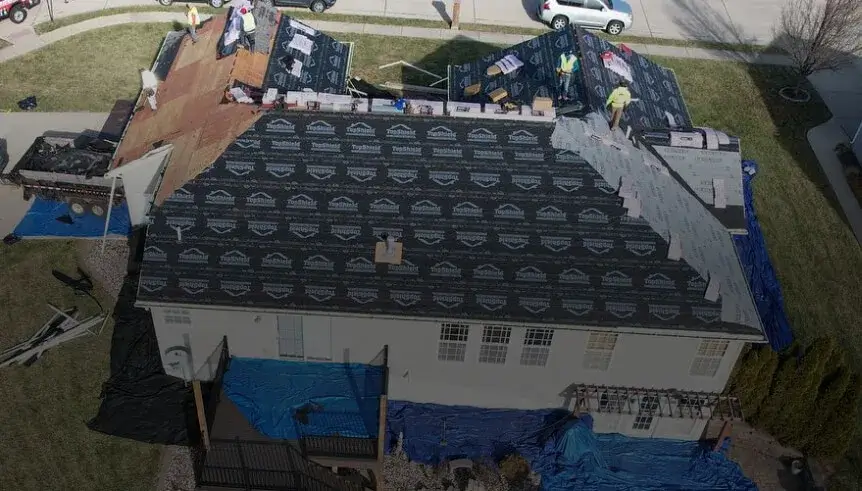
Our Work Speaks For Itself
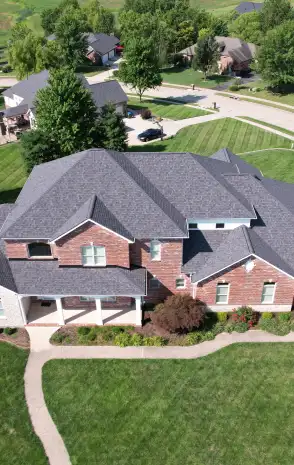
Our completed roofing projects reflect our commitment to quality, durability, and craftsmanship. From repairs to full installations, every job is done with attention to detail and built to last.

Our Client Feedback
Our work is best told through our customers. Whether it’s a quick repair or a full roof replacement, Total Roofing delivers reliable roofing done right.
View more arrow_forward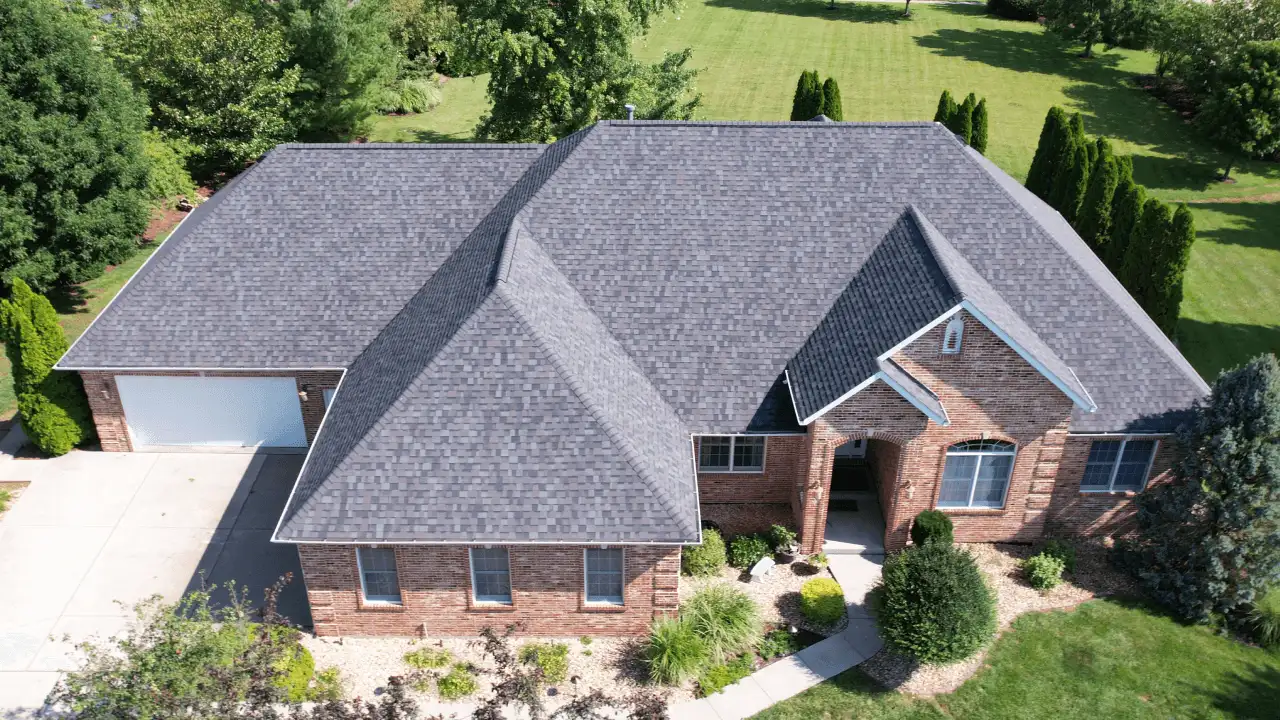




Professional Guidance and Consultation for All Roofing & Remodeling Projects
If you would like a free estimate for a new roof, please contact your nearest office location listed below. You may also submit an inquiry through the contact form, and a member of our team will respond promptly.
- done_allFree, detailed roof inspection by certified professionals Free
- done_allAccurate estimates with transparent pricing 100% Trusted
- done_allNo obligation and no pressure to commit
- done_allFast response and timely project scheduling
- done_allHigh-quality materials and skilled workmanship
- done_allDedicated support from consultation to completion









Get Your Free Professional Roof Inspection