

 call(618) 719-6767 call


Proudly Serving Homeowners Across Missouri
Commercial Roof Repair in O'Fallon, IL
5.0 Stars - Based on 222 User Reviews
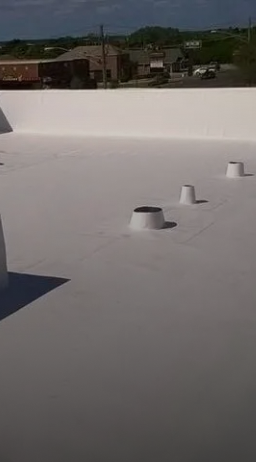
O’Fallon sits in the Metro East region just outside St. Louis, and the weather here puts commercial roofs through a real workout. Summers bring heat and humidity with temperatures regularly pushing into the 90s, while winters can drop well below freezing. That back-and-forth causes roofing materials to expand and contract repeatedly, which opens seams, loosens flashings, and stresses the areas around rooftop equipment like HVAC units, vents, and drains. Add in the spring and summer thunderstorms that move through the area with strong winds and heavy rain, and it’s easy to see why low-slope commercial roofs in this part of Illinois take more abuse than many building owners realize.
The problem is that damage on a commercial roof rarely stays small. A separated seam or a failing patch of membrane around a rooftop drain can let water in quietly for weeks before anyone notices. By the time a ceiling stain appears, or a tenant reports a drip, the repair scale has often grown. Catching these issues early, especially after winter stress or a storm, is what keeps a manageable fix from turning into a much larger project.
Total Roofing works with building owners and property managers across O’Fallon on exactly these kinds of commercial roof repairs. Whether your facility runs on TPO, EPDM, modified bitumen, or a built-up system, the goal is the same: get your roof sealed, your drainage working, and your tenants and operations protected without unnecessary downtime.
How Commercial Roof Repair in O'Fallon, IL Works
Commercial roof repairs require a clear understanding of both the visible problem and the surrounding roofing conditions. Total Roofing evaluates the affected areas, explains the recommended repair, and reviews the finished work before leaving the property.
- Step 1: Examine the Roof for the Source
A Total Roofing crew inspects the reported areas along with common trouble spots on low-slope roofs. Seams, flashing, HVAC-related roof openings, drains, vents, and parapet edges are evaluated for damage or conditions contributing to the problem. Photos document the findings so you can review the roof’s condition firsthand. - Step 2: Identify the Cause and Appropriate Repair
The inspection findings are reviewed with you in straightforward terms, including the likely source of the problem rather than only the visible symptom. When the issue is limited and a localized repair is sufficient, that approach is recommended instead of expanding the work beyond what the roof requires. - Step 3: Detail the Planned Work and Price
A written breakdown identifies the areas being repaired, materials involved, and associated cost before work begins. The repair details are reviewed with you so the planned work is established before scheduling and approval. - Step 4: Complete the Commercial Roof Repair
The repair is performed with scheduling coordinated around business operations when possible to reduce disruption to the facility and tenants. Most standard repairs take a few hours to 1 day, depending on the work required. - Step 5: Verify the Finished Repair
The completed repair is inspected before the job is closed. The affected area is checked for proper sealing, while drainage is reviewed to confirm it’s functioning as expected. The finished work is then reviewed with you during the final walkthrough.
Common Repair Issues for Commercial Roofs in O'Fallon, IL
Low-slope commercial roofs deal with a specific set of problems, and knowing where failures tend to start can help you catch trouble early. The table below breaks down the most common repair issues on commercial roofs in this area, what typically causes them, and what a repair targets.
| Issue | Common Cause | What Repair Addresses |
|---|---|---|
| Seam separation | Repeated temperature changes expanding and contracting membrane edges | Resealing or reinforcing seam joints to stop water from entering |
| Flashing failure | Wind uplift and age-related wear around parapet edges and rooftop gaps | Refastening or replacing flashing to restore a watertight seal |
| Membrane punctures or blisters | Foot traffic, rooftop equipment contact, or moisture trapped beneath the surface | Patching or replacing the affected membrane section |
| Ponding water and drain issues | Blocked or slow drains, low spots from settlement or improper slope | Clearing drains and correcting surface drainage to prevent standing water |
| Gap leaks | Deteriorated seals around HVAC units, vents, skylights, and pipes | Resealing or re-flashing the gap to stop water from getting in |
These issues show up on TPO, EPDM, modified bitumen, and built-up systems alike. Catching them after a hard winter or a strong storm gives you the best chance of keeping repairs targeted and contained before the damage has time to spread.
Membrane System Compatibility
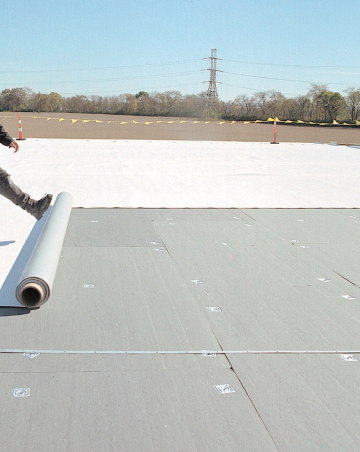
Commercial roofs in O’Fallon are not all built the same, and repair materials need to match your existing system to hold up properly. Total Roofing works with TPO, EPDM, modified bitumen, and built-up roofing, using compatible patching and seam materials specific to each membrane type so repairs bond correctly and last.
Rooftop Equipment Reseal Work
HVAC units, vents, pipes, and skylights are some of the most leak-prone spots on any low-slope commercial roof, and keeping those seals intact is a regular part of repair work in this area. When existing sealants crack or pull away from gaps, water finds a path in fast, especially during the heavy spring and summer downpours common to the Metro East region.
Drainage Correction and Drain Clearing
Flat and low-slope roofs depend on working drains to move water off the surface before it pools and puts pressure on the membrane. Repair visits that involve standing water often include clearing blocked drains and addressing low spots so your roof sheds water the way it was designed to.
Code-Conscious Repair Documentation
Commercial repair work in O’Fallon can involve local building codes, especially when repairs affect drainage systems, rooftop equipment, or structural parts of the roof. Total Roofing keeps documentation of inspections and completed work, so you have a clear record on file if your facility ever needs it for permitting, code review, or tenant-related purposes.
Get Commercial Roof Repair in O'Fallon, IL
Commercial roofs in this part of Illinois deal with a lot year-round. The same weather patterns that make O’Fallon summers humid and winters unpredictable also put steady pressure on seams, flashings, and gap seals. Staying ahead of small problems is one of the most practical things you can do to extend the life of your roof, reduce long-term costs, and keep your building operating without interruption. Spring is a natural time to address anything that developed over winter, and late summer or early fall gives you a good window to get repairs in before cold weather returns.
Total Roofing is familiar with the roofing systems and conditions common to commercial properties in O’Fallon, and the work is handled with your facility and tenants in mind. If your roof has been showing signs of trouble or you just want a clearer picture of where things stand, reaching out is a straightforward first step. There is no pressure, just honest information about what your roof needs.
Frequently Asked Questions
Got questions about your roof? We’ve got answers. From maintenance tips to insurance claims and repair timelines, our FAQ section covers the most common concerns homeowners have. Get informed and make confident decisions about protecting your home.
Does the type of membrane on my commercial roof affect how a repair is handled?
Yes, and it matters more than most building owners expect. TPO, EPDM, and modified bitumen all require different patching materials and bonding methods, and using the wrong approach on any of them can cause a repair to fail within a season. A reputable contractor will identify your membrane type before starting any work and match the repair materials accordingly.
My facility stays open during business hours. Can repair work be scheduled around my tenants?
Most commercial roof repairs in O’Fallon can be completed within a few hours to a single day, which makes it practical to schedule around your operating hours or quieter periods. Rooftop work is largely self-contained and typically does not require shutting down interior operations. If your repair involves an active leak or open roof work, your contractor can walk you through what to expect and plan accordingly.
Why do commercial roofs in this area tend to have more trouble around HVAC units specifically?
Rooftop HVAC units create a tough situation for the surrounding membrane because foot traffic from service technicians, vibration from the equipment itself, and heat from the unit all accelerate wear on the nearby flashing and sealant. In a climate that swings between summer heat and freezing winters, those seals expand and contract more than the rest of the surface of the roof. That repeated movement breaks down sealants faster around gaps than anywhere else on a flat or low-slope roof.
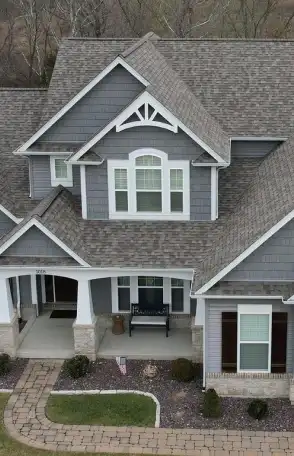
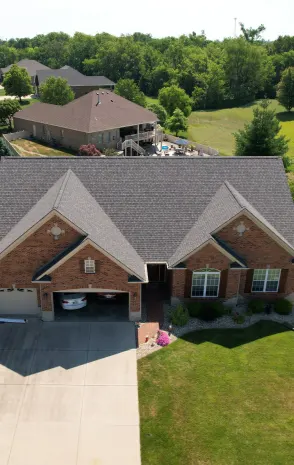
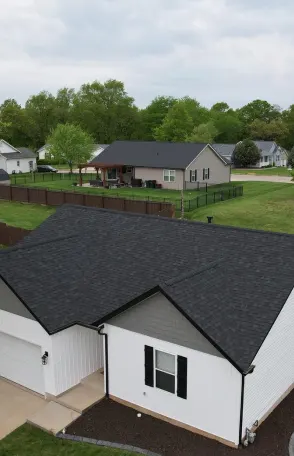
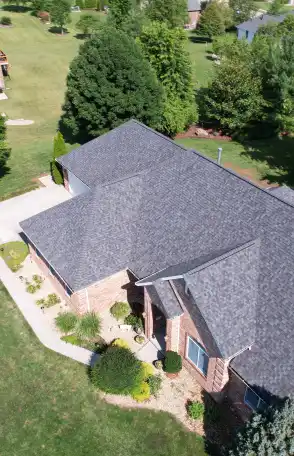
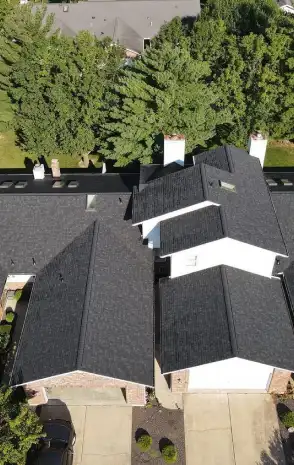
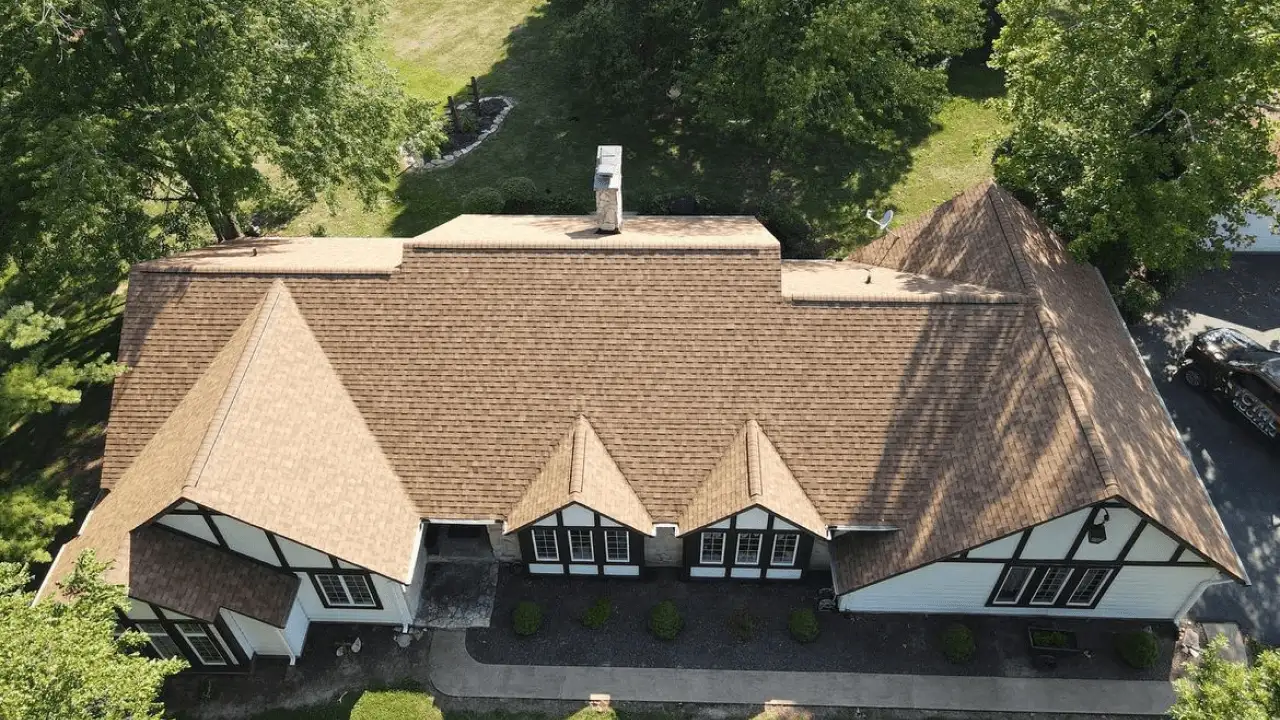
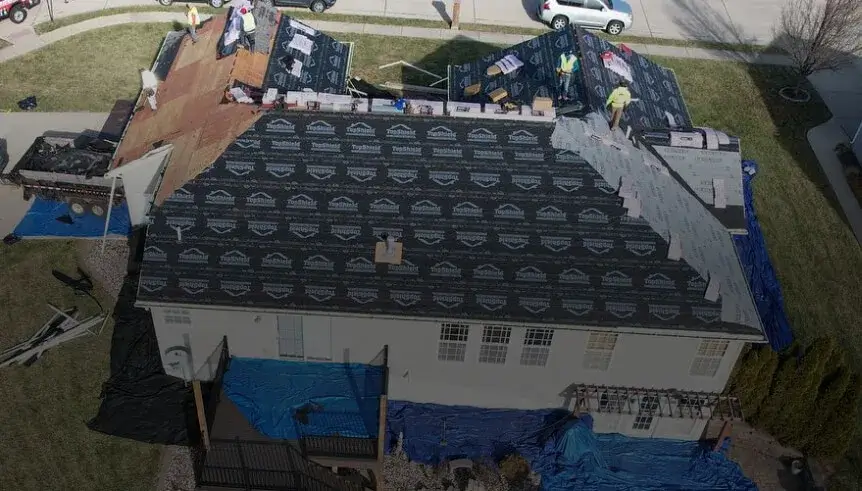
Our Work Speaks For Itself
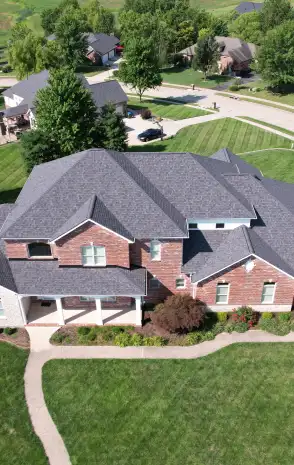
Our completed roofing projects reflect our commitment to quality, durability, and craftsmanship. From repairs to full installations, every job is done with attention to detail and built to last.

Our Client Feedback
Our work is best told through our customers. Whether it’s a quick repair or a full roof replacement, Total Roofing delivers reliable roofing done right.
View more arrow_forward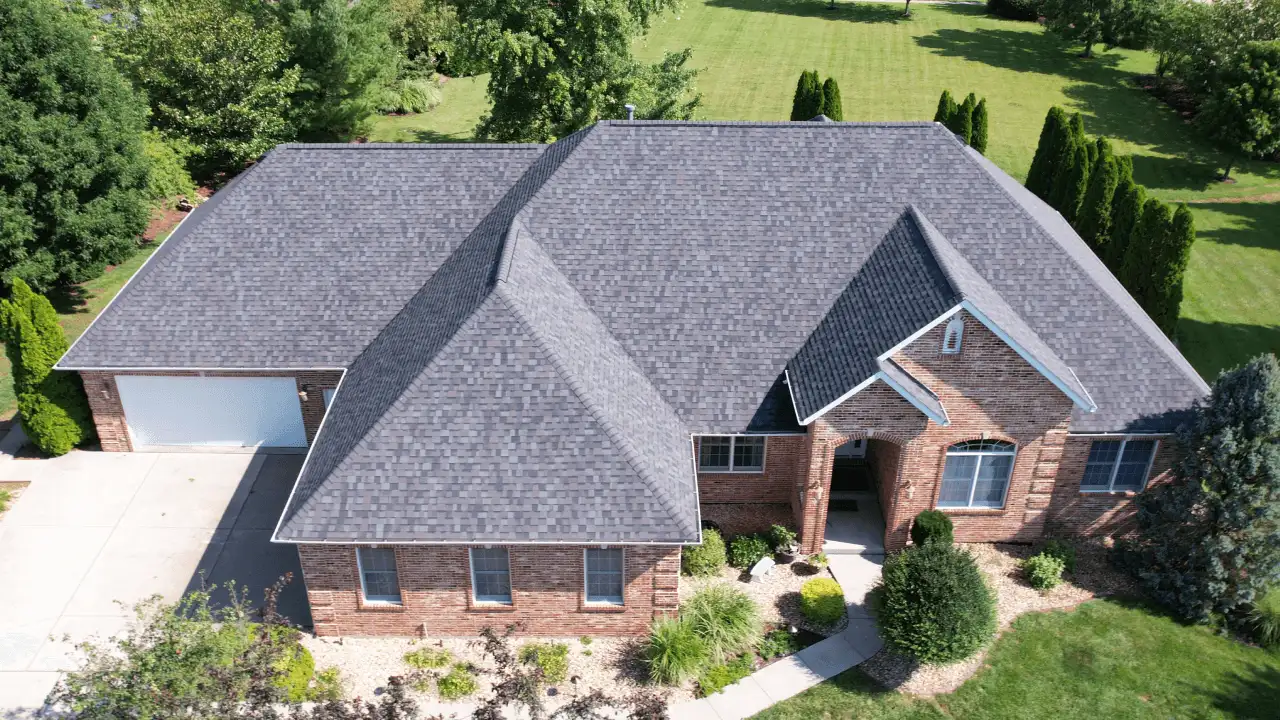




Professional Guidance and Consultation for All Roofing & Remodeling Projects
If you would like a free estimate for a new roof, please contact your nearest office location listed below. You may also submit an inquiry through the contact form, and a member of our team will respond promptly.
- done_allFree, detailed roof inspection by certified professionals Free
- done_allAccurate estimates with transparent pricing 100% Trusted
- done_allNo obligation and no pressure to commit
- done_allFast response and timely project scheduling
- done_allHigh-quality materials and skilled workmanship
- done_allDedicated support from consultation to completion







Get Your Free Professional Roof Inspection