

 call(618) 719-6767 call


Proudly Serving Homeowners Across Missouri
Commercial Roof Repair in Columbia, IL
5.0 Stars - Based on 222 User Reviews
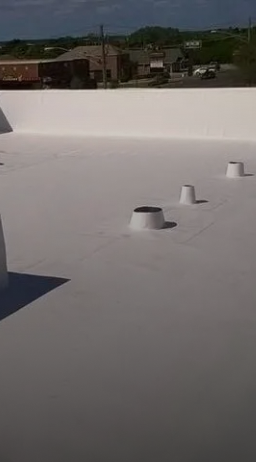
Columbia sits right in the path of some tough weather. Hot, humid summers push roofing materials to their limits, while cold winters bring temperature changes that can open up seams, loosen flashing, and wear down sealants over time. Add in the heavy rain, strong winds, and occasional ice that come with being in the St. Louis metro corridor, and flat or low-slope commercial roofs take a real beating year after year. When those issues go unaddressed, a small leak can travel horizontally through insulation before it ever shows up on your ceiling, turning what started as a minor repair into something far more involved.
That’s why building owners and property managers in Columbia need a contractor who understands how local weather conditions affect the specific roofing systems common in this area. TPO, EPDM, modified bitumen, and metal roofs each have their own weak points, and drainage problems, flashing failures, and membrane wear show up differently depending on what’s on your building. Total Roofing works with commercial properties throughout Columbia and the surrounding area, handling repairs on offices, retail spaces, churches, warehouses, and light industrial buildings where keeping operations running matters as much as fixing the roof.
Whether you’re dealing with a visible leak, ponding water that won’t drain, or damage around rooftop equipment, getting it looked at quickly is what keeps a manageable repair from growing into a much larger project.
How Commercial Roof Repair Works in Columbia, IL
Commercial roof repairs begin with identifying the actual source and extent of the problem rather than treating only the visible symptom. The repair process then focuses on the affected areas, with the completed work reviewed before the job is closed.
- Step 1: Examine the Roof and Locate the Issue
The inspection covers the membrane, seams, flashing, drains, roof openings, and areas surrounding rooftop equipment where problems may develop. The affected roof and nearby components are evaluated so the source and location of the issue are established before repair decisions are made. - Step 2: Determine the Extent of the Damage
The findings are reviewed with you, including whether the problem is limited to the roofing surface or extends into insulation or the roof deck below. That distinction helps determine what repair work is actually necessary. When the issue is minor, the recommended approach remains focused on the affected area. - Step 3: Define the Repair and Pricing
The planned work is outlined in detail, whether it involves repairing a membrane section, resealing flashing, or correcting a drainage concern. Labor and materials are identified before the repair begins so the work to be performed is clearly established. - Step 4: Perform the Commercial Roof Repair
Most standard repairs take a few hours to 1 day, depending on the affected area and work involved. Scheduling is coordinated around tenants and normal business operations when possible. Materials are selected to remain compatible with the existing roofing. - Step 5: Verify and Review the Completed Work
The repaired area is inspected after the work is finished, followed by a walkthrough of what was addressed and how the problem was corrected. Any issue that warrants another look is addressed before the repair is considered complete.
Common Commercial Roof Repair Issues in Columbia, IL
Knowing what typically goes wrong on commercial roofs in this area helps you catch problems before they spread. Most repair calls we get come down to a handful of recurring issues, and each one shows up differently depending on the roofing system and the age of the building.
| Repair Issue | Common Cause | Roof Types Affected |
|---|---|---|
| Seam and membrane failures | Temperature changes, material aging, and wind uplift | TPO, EPDM, modified bitumen |
| Flashing separation | Repeated thermal movement at edges, curbs, and gaps | All commercial roof types |
| Ponding and drainage problems | Clogged drains, blocked scuppers, or settled roof deck | Flat and low-slope roofs |
| Fastener and seam leaks | Panel movement from temperature changes over time | Metal roofing systems |
| Leaks around rooftop equipment | Worn curb flashing, failed sealants at HVAC gaps | All commercial roof types |
Many of these issues start small and stay hidden until water finds its way through insulation and into the building interior. Getting the roof inspected at the first sign of trouble, especially after strong storms or wide temperature swings, is the best way to keep a minor repair from turning into a larger project.
Membrane Patching & Seam Restoration
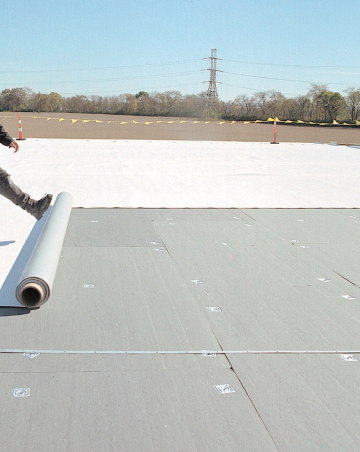
When a section of TPO, EPDM, or modified bitumen membrane is damaged or lifting, we patch and re-fuse the affected area using materials matched to your existing system. Proper seam restoration keeps water from traveling laterally under the membrane and reaching insulation or the roof deck below.
Gap & Curb Flashing Repair
Rooftop equipment like HVAC units, vents, and pipes concentrates stress on the surrounding flashing and sealants, especially on buildings in a wind and storm corridor like Columbia. We repair and reseal these gaps to close off leak paths that form as flashing materials age and shift.
Drain, Scupper & Ponding Corrections
Flat and low-slope roofs depend on working drainage to protect seams and sealants from standing water. We clear blockages, repair failed drain assemblies, and address scupper issues so water moves off your roof the way it should instead of pooling and wearing down the membrane over time.
Metal Roof Fastener & Panel Seam Repair
On metal commercial roofs, repeated temperature movement loosens fasteners and opens panel seams long before the roof reaches the end of its useful life. We address these specific connection points to stop active leaks and reduce the chance of further separation as temperatures continue to cycle through Columbia’s hot summers and cold winters.
Get Commercial Roof Repairs Done Right in Columbia, IL
Seasonal weather in the Columbia area puts real stress on commercial roofing systems year after year. As materials age and conditions change, even small issues at seams, flashing, or drainage points can quietly work their way into insulation or the roof deck before anything shows up inside the building. Keeping your facility in good shape means catching those problems early and repairing them correctly, which protects your property and keeps long-term costs lower than letting issues grow.
Total Roofing works with building owners and property managers throughout Columbia and the surrounding communities on repairs that fit the specific roofing system and the scale of what’s actually needed. If you’ve noticed a leak, standing water, or anything that doesn’t look right on your commercial roof, reaching out is a simple first step. We’ll inspect the roof, explain what we find, and give you a clear picture of what the repair involves. No pressure, just straightforward information so you can make a confident decision.
Frequently Asked Questions
Got questions about your roof? We’ve got answers. From maintenance tips to insurance claims and repair timelines, our FAQ section covers the most common concerns homeowners have. Get informed and make confident decisions about protecting your home.
Can commercial roof repairs be done while my building is occupied and tenants are still working?
Yes, and most repairs in Columbia are handled exactly that way. We schedule work to reduce disruption during daylight hours and avoid cutting into business operations wherever possible. Because most commercial repairs wrap up in a few hours to a single day, tenant impact is usually minimal compared to what an unrepaired leak can cause over time.
How do I know if a leak has reached my roof's insulation or the deck below the membrane?
Surface damage and insulation damage are two different problems, and the repair scale changes depending on which one you’re dealing with. During our inspection, we check for soft spots, water staining, and membrane separation that signal moisture has moved deeper into the roofing system. Because water on flat and low-slope roofs can travel sideways before showing up indoors, the visible wet spot on your ceiling may not be directly below where the actual problem started.
Does the Columbia area's wind and storm activity affect how often commercial roofs need flashing repairs?
It does, more than most building owners expect. Sitting in the St. Louis metro corridor means commercial roofs here see strong thunderstorm winds that put real pressure on membrane edges, curb flashing, and gap seals. Those are exactly the spots where uplift stress and repeated weather exposure cause connections to loosen or separate, which is why flashing failures are one of the most common repair calls we get from commercial properties in this area.
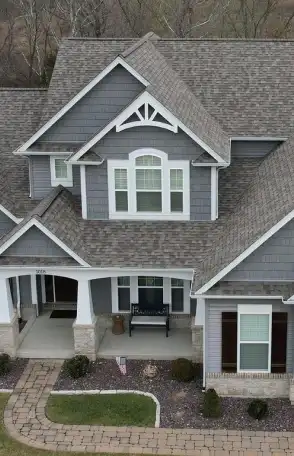
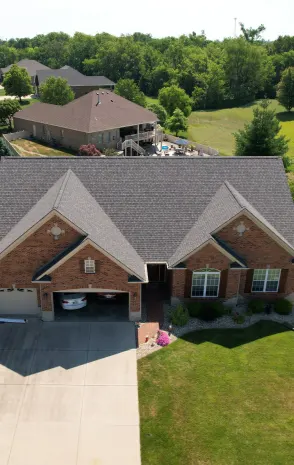
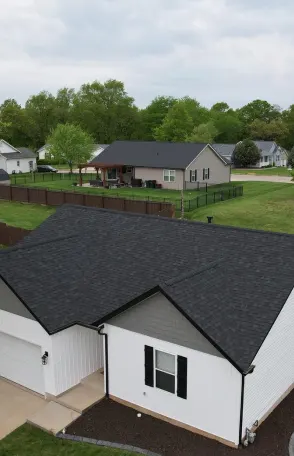
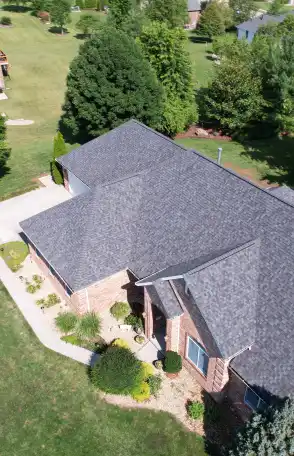
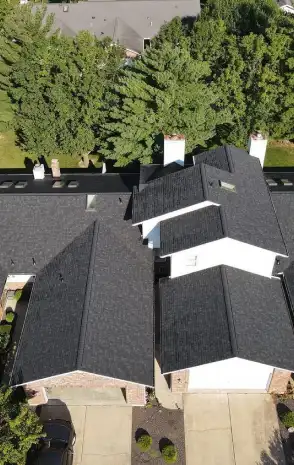
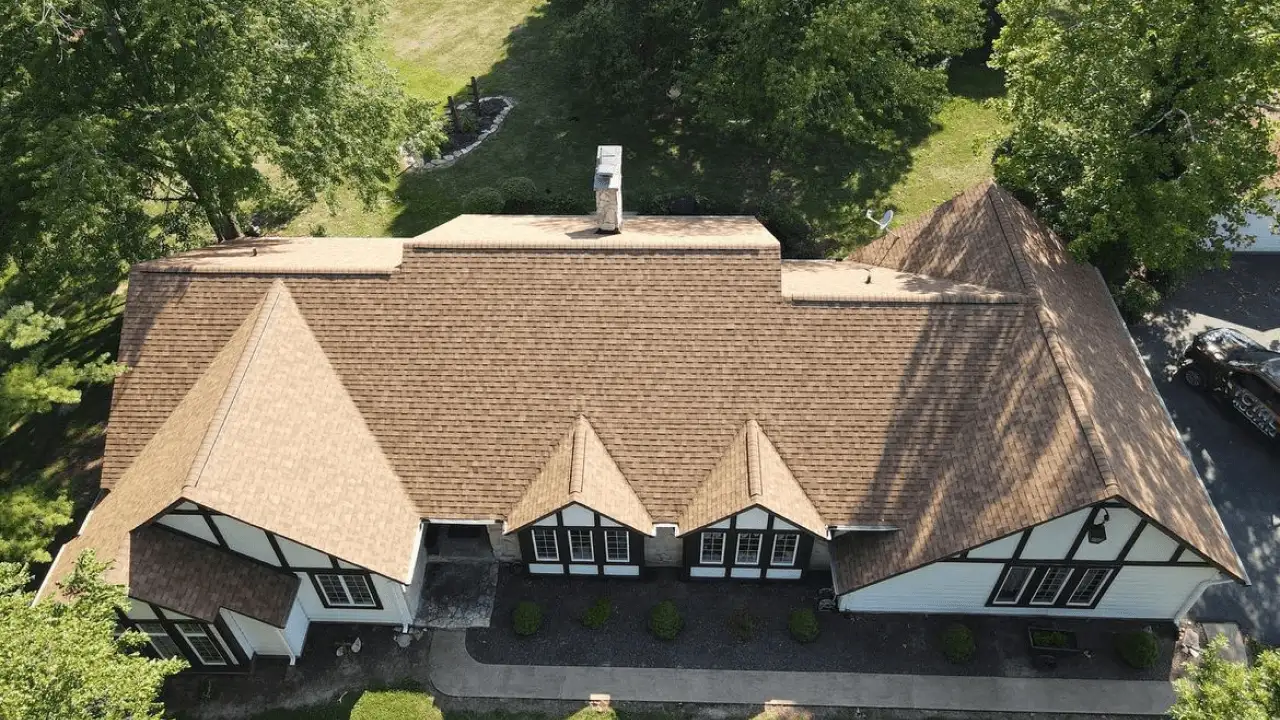
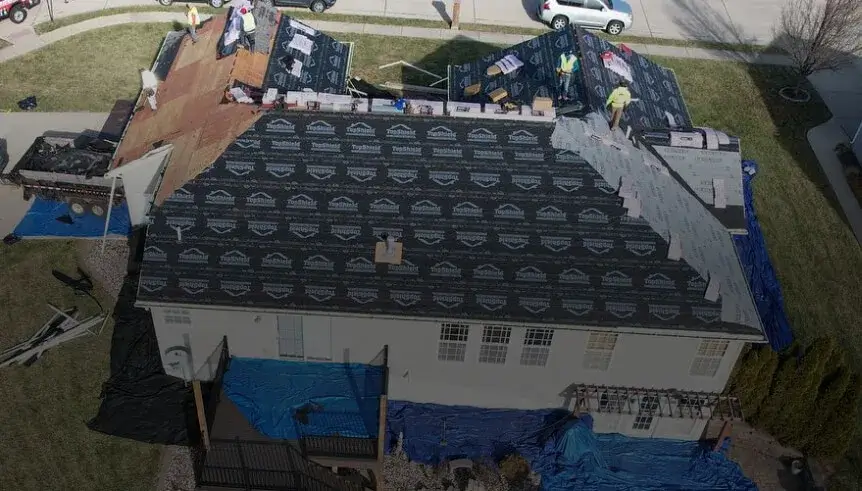
Our Work Speaks For Itself
Our completed roofing projects reflect our commitment to quality, durability, and craftsmanship. From repairs to full installations, every job is done with attention to detail and built to last.

Our Client Feedback
Our work is best told through our customers. Whether it’s a quick repair or a full roof replacement, Total Roofing delivers reliable roofing done right.
View more arrow_forward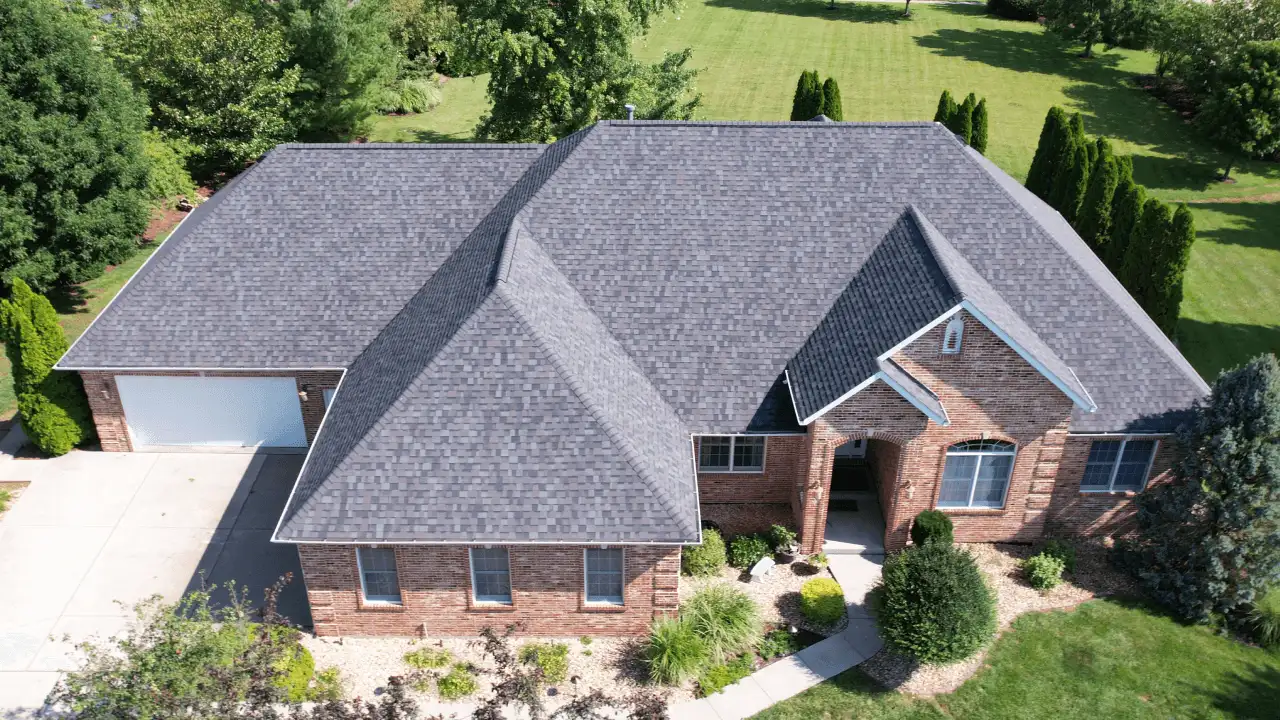




Professional Guidance and Consultation for All Roofing & Remodeling Projects
If you would like a free estimate for a new roof, please contact your nearest office location listed below. You may also submit an inquiry through the contact form, and a member of our team will respond promptly.
- done_allFree, detailed roof inspection by certified professionals Free
- done_allAccurate estimates with transparent pricing 100% Trusted
- done_allNo obligation and no pressure to commit
- done_allFast response and timely project scheduling
- done_allHigh-quality materials and skilled workmanship
- done_allDedicated support from consultation to completion






Get Your Free Professional Roof Inspection