
 call(618) 719-6767 call

Proudly Serving Homeowners Across Missouri
Emergency Roof Tarping in Waterloo, IL
5.0 Stars - Based on 239 User Reviews
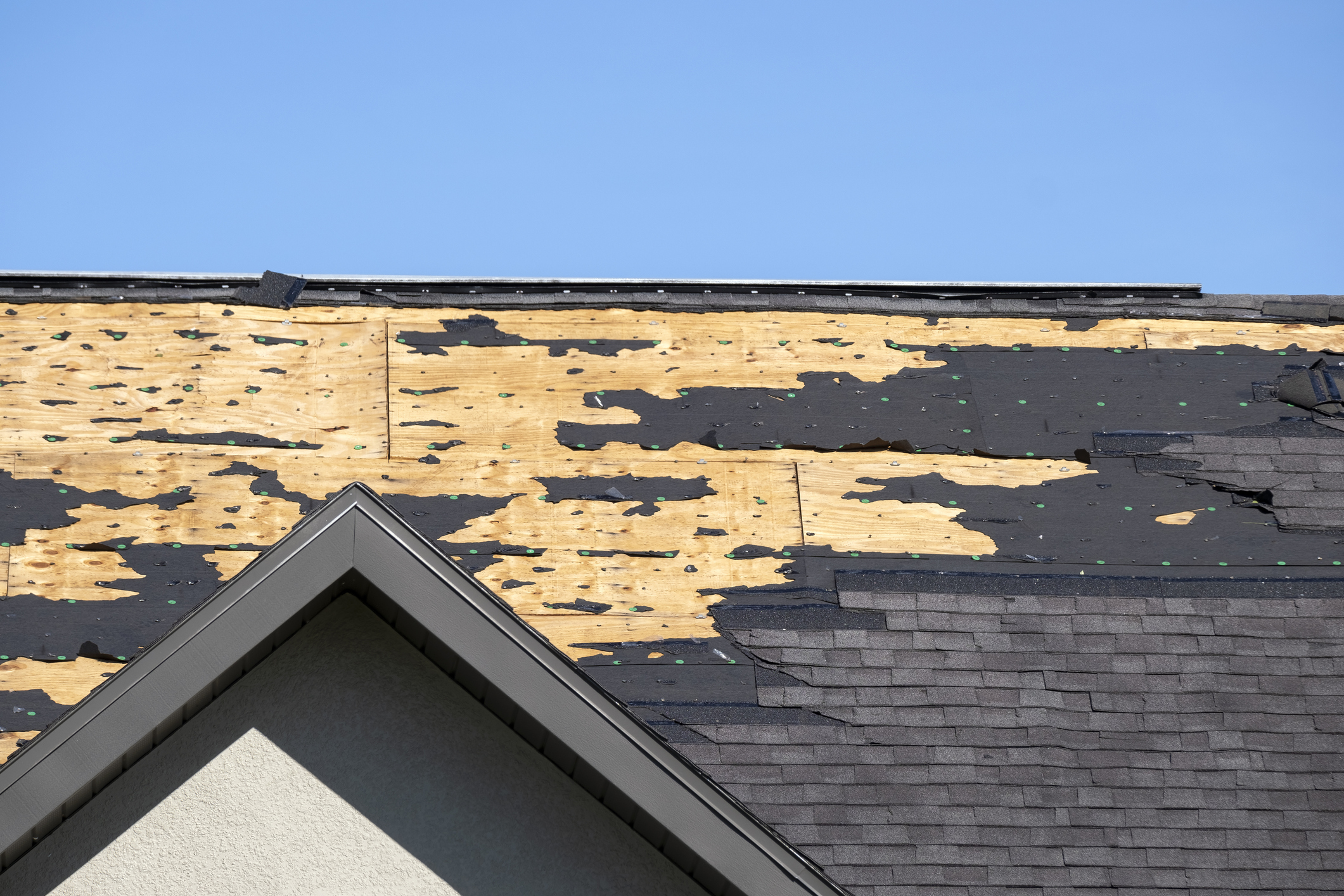
Waterloo gets rain in every season, and the winters bring freezing temperatures and snowfall that can make a damaged roof go from a minor problem to a serious one fast. When a storm tears off shingles, knocks a branch through the surface, or pulls flashing loose, the roof does not wait for a convenient repair window. Spring and early summer tend to bring the heaviest rainfall, but wet conditions carry through fall and return in winter as snow and meltwater. For homeowners in Waterloo, that year-round moisture pattern means a damaged roof is never really safe to leave uncovered, even for a short time.
Waterloo also has a large share of older homes, including American Foursquare, Bungalow, and Gothic Revival styles that date back well before 1960. These homes often have steeper pitches, aging flashing, and roof transitions that were never designed to handle modern storm intensity. When damage hits one of these older roofing systems, the exposed area is especially vulnerable because the surrounding materials may already be worn. A proper emergency tarp installed quickly over the damaged section keeps rain, snow, and wind out until permanent repairs can be completed.
Total Roofing works with Waterloo homeowners in exactly this kind of situation. Getting a tarp secured correctly over a damaged roof takes experience, especially on older homes where securing anchor points without causing additional damage requires careful, precise work. Fast action is what limits the spread of damage inside your home.
How Emergency Roof Tarping Works in Waterloo, IL
Roof damage that leaves an area exposed can create a difficult situation, particularly when more weather is possible. We focus on protecting the opening first, then assess the surrounding damage and explain what needs to happen next.
- Step 1: Assess the Damage
When you call, we gather the important details about what happened and where the roof is exposed so we can arrive prepared. An open section needs attention quickly, so we prioritize getting to the property and determining how the damage should be handled before putting temporary protection in place. - Step 2: Secure the Exposed Area
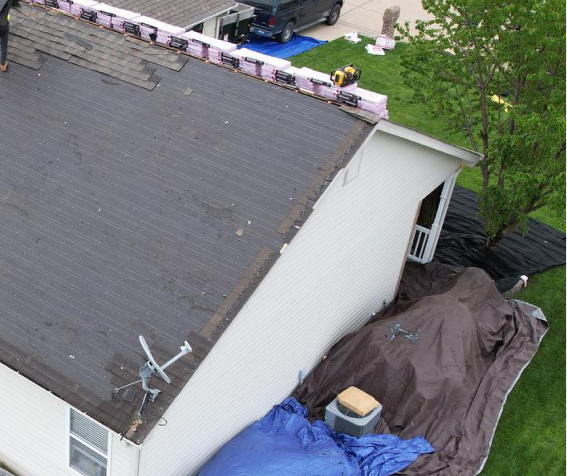
Once we arrive, we cover the damaged section with a heavy-duty tarp and secure it using suitable anchor points without creating additional damage. Older homes with steeper pitches or aging roofing materials require careful placement when securing the tarp. The temporary covering helps keep rain, snow, and wind away from the exposed area until permanent repairs can be completed. - Step 3: Inspect the Surrounding Roof
After the opening is protected, we examine the nearby roofing to determine how extensive the damage may be. We check the shingles, flashing, transitions, and roof decking beneath the affected section to understand what happened and what conditions may need to be addressed during the permanent repair. - Step 4: Discuss the Permanent Repair
We review the inspection findings with you and explain the available repair options in straightforward terms. When the damage is confined to a small area and a basic repair is enough, we will tell you that directly. Our recommendation is based on what is required to properly address the damaged roof. - Step 5: Review the Tarp and Follow-Up
Before leaving, we explain what to watch for while the tarp remains in place and when to contact us if its condition changes. We also point out areas that may deserve closer attention in the future, particularly when older roofing materials are present. You will have a clear understanding of the temporary protection and what comes next.
When Emergency Tarping Is Needed in Waterloo, IL
Not every roof problem rises to the level of an emergency, but Waterloo's weather makes it easy for a damaged roof to become a serious situation fast. Rain arrives in every season here, and even a small opening in the surface of the roof can let in enough water to damage ceilings, insulation, and framing before a permanent repair can be scheduled. Knowing which situations call for immediate tarping helps you act quickly when it counts.
| Damage Type | Why It Needs Fast Tarping | Local Factor |
|---|---|---|
| Wind-lifted or missing shingles | Exposed roof deck soaks up water quickly with no barrier in place | Thunderstorm winds are common in spring and early summer |
| Branch or debris impact | Punctures leave direct openings that can let in heavy rainfall immediately | Storm cells with strong winds move through Monroe County regularly |
| Flashing failure or separation | Open transitions allow water to run into wall and ceiling cavities | Older homes with aged flashing are especially vulnerable at roof transitions |
| Ridge or peak damage | High-point openings allow water to spread across a wide section of roof deck | Steep pitches on Historic homes concentrate runoff and increase leak risk |
| Winter damage with snow present | Melting snow can push water into open areas even without active rainfall | Below-freezing days and snowfall create meltwater risk through late winter |
If your roof has any of these issues, getting a tarp in place quickly limits how far the damage spreads before repairs begin.
Heavy-Duty Tarp Materials Built for Year-Round Exposure
The tarps used in emergency situations are not standard hardware store covers. They are heavy-duty materials rated to hold up against rain, wind, and temperature changes, which matters in Waterloo where wet conditions can return within hours of storm damage.
Secure Anchoring on Steep and Complex Roof Profiles
Older Waterloo homes with steeper pitches and multiple roof transitions require anchor points that hold firmly without damaging the surrounding materials. Proper fastening on these profiles keeps the tarp from shifting or lifting during the next round of wind or rain.
Full Coverage of the Damaged Area and Its Surrounding Edges
A tarp that only covers the visible damage point is not enough. Extending the tarp past the damaged section and onto stable roofing on all sides keeps water from running under the edges and reaching areas that were not originally affected.
Winter-Ready Installation for Cold-Weather Damage
When damage happens during or after winter weather, tarping has to account for snow weight, meltwater movement, and surfaces that may be wet or icy. Proper installation under these conditions keeps the tarp secure through freeze and thaw periods until your permanent repair can be completed.
Get Emergency Roof Tarping Done Right in Waterloo, IL
Waterloo's rainfall does not take a break between seasons, and winter brings its own set of risks with snowmelt and repeated wet conditions that can work their way into an exposed roof deck fast. For homeowners with older homes especially, a quick tarp installation is often the difference between a contained repair and water damage that spreads into walls, ceilings, and insulation before a permanent fix is possible. Getting that protection in place quickly is what keeps the situation manageable.
Total Roofing is familiar with the homes and the weather in this area, and that local knowledge shows in how we approach every tarping job. If your roof has taken damage and you need it covered before conditions get worse, reach out to us, and we will walk you through what comes next.
Frequently Asked Questions
Got questions about your roof? We’ve got answers. From maintenance tips to insurance claims and repair timelines, our FAQ section covers the most common concerns homeowners have. Get informed and make confident decisions about protecting your home.
Will a tarp hold up through a Waterloo winter if my permanent repair gets pushed back?
A properly installed heavy-duty tarp can hold through winter conditions, including snowfall and repeated temperature changes, when it’s anchored correctly and sized to cover well beyond the damaged area. The key is having it fastened securely enough that it does not shift or lift when wind picks up or when snow weight and meltwater create additional stress on the surface. If your repair timeline extends into colder months, we will let you know what to watch for so you can catch any tarp movement before it becomes a problem.
Does the age of my roof affect how the tarp gets installed?
It does, and it’s something most homeowners do not think to ask about. Older roofs, including the American Foursquare and Bungalow styles common in Waterloo, often have brittle or worn materials around the damage point, which means standard anchor placement can cause new problems if not done carefully. On these homes, we choose fastening locations that avoid already-stressed areas and distribute the pressure across more stable sections of the roof.
What happens to the moisture that already got in before the tarp was installed?
The tarp stops new water from entering, but any moisture that reached the roof deck, insulation, or framing before it was covered still needs attention. During our inspection after the tarp is secured, we look at the surrounding area to get a clear picture of how far water traveled and whether drying or additional repair work will be needed before permanent roofing materials go back on. Catching this early keeps a wet roof deck from becoming a hidden problem under your new roof.
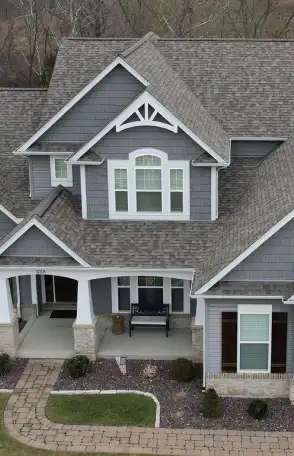
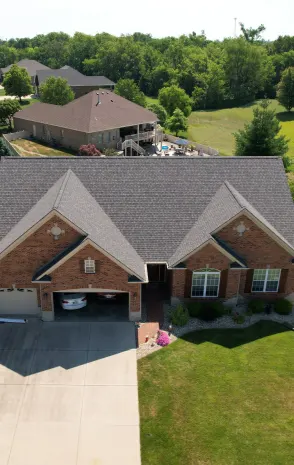
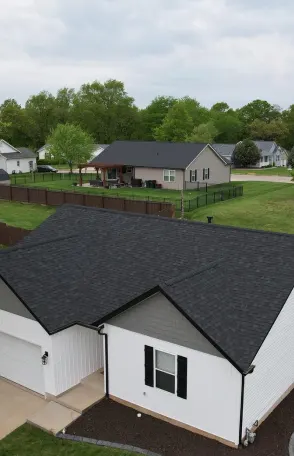
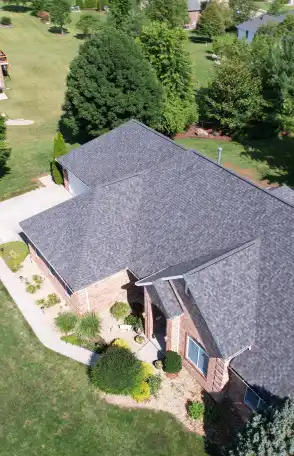
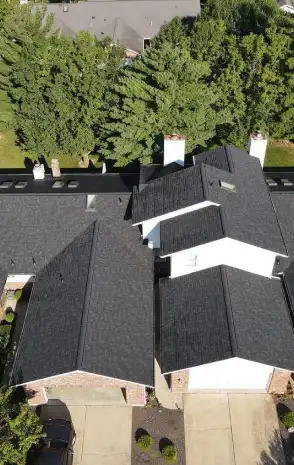
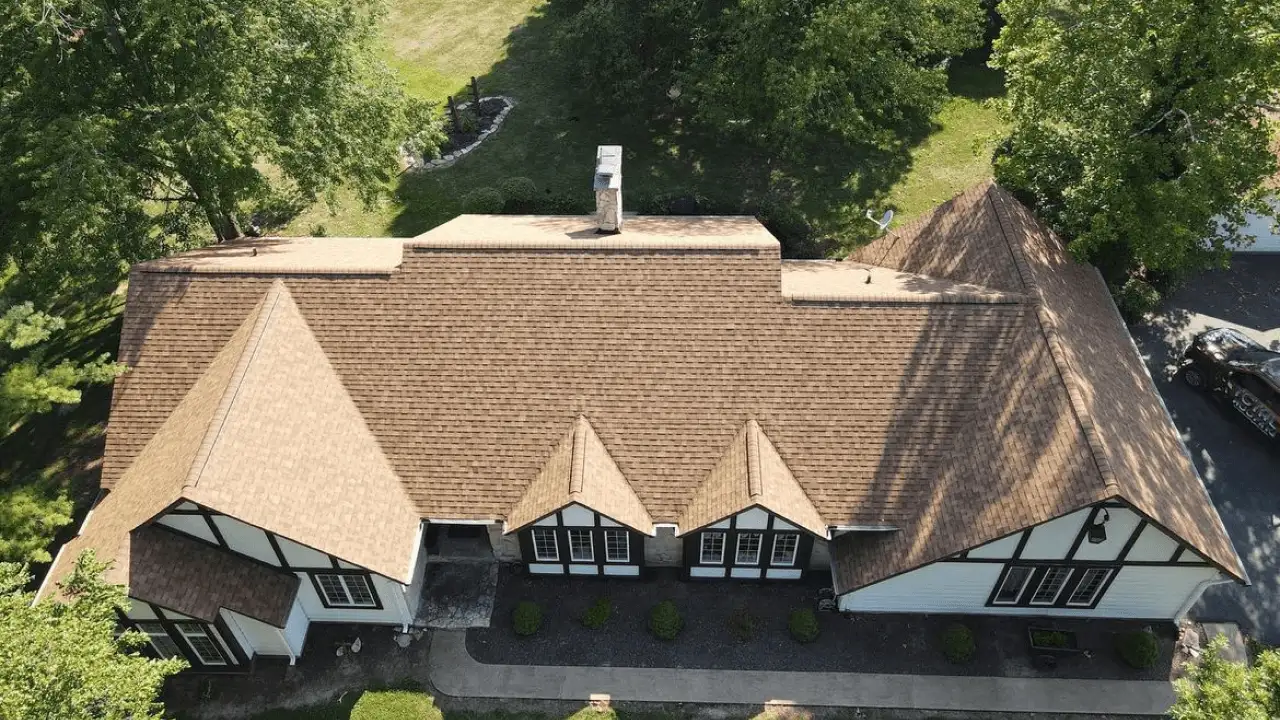
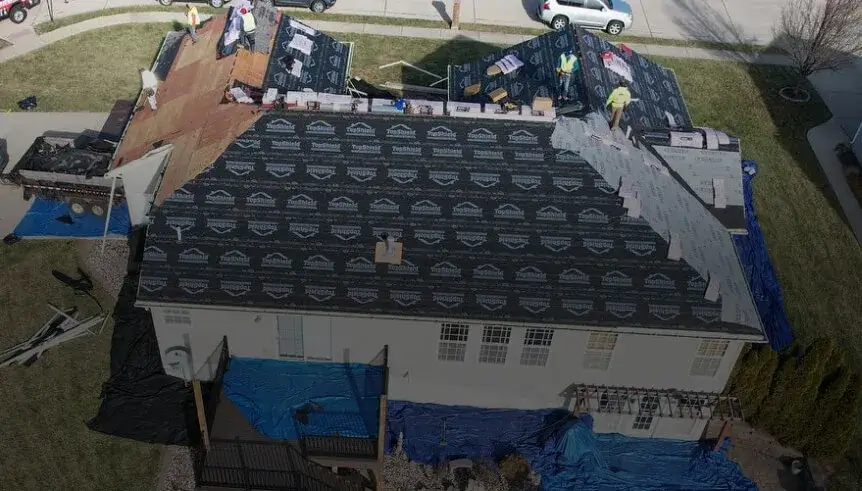
Our Work Speaks For Itself
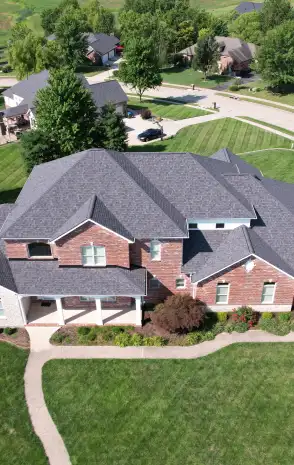
Our completed roofing projects reflect our commitment to quality, durability, and craftsmanship. From repairs to full installations, every job is done with attention to detail and built to last.

Our Client Feedback
Our work is best told through our customers. Whether it’s a quick repair or a full roof replacement, Total Roofing delivers reliable roofing done right.
View more arrow_forward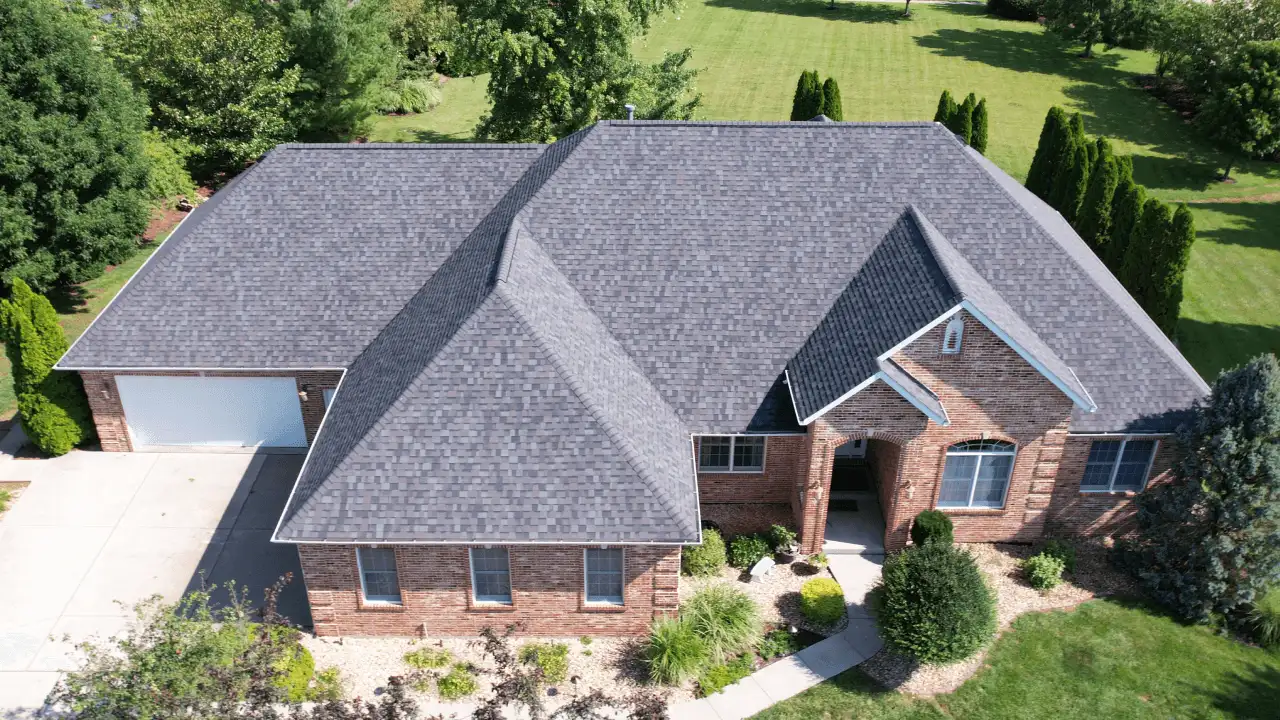











Professional Guidance and Consultation for All Roofing & Remodeling Projects
If you would like a free estimate for a new roof, please contact your nearest office location listed below. You may also submit an inquiry through the contact form, and a member of our team will respond promptly.
- done_allFree, detailed roof inspection by certified professionals Free
- done_allAccurate estimates with transparent pricing 100% Trusted
- done_allNo obligation and no pressure to commit
- done_allFast response and timely project scheduling
- done_allHigh-quality materials and skilled workmanship
- done_allDedicated support from consultation to completion









Get Your Free Professional Roof Inspection