
 call(618) 719-6767 call

Proudly Serving Homeowners Across Missouri
Commercial Roof Inspection in O'Fallon, IL
5.0 Stars - Based on 239 User Reviews
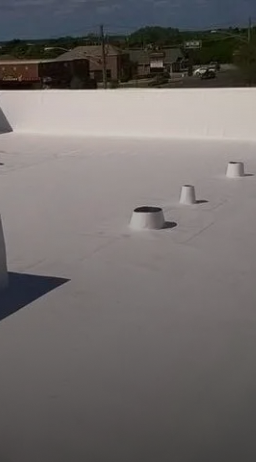
The weather in O’Fallon can be tough on commercial roofs year-round. Winters bring freezing temperatures and snow that puts pressure on seams, flashing, and fasteners. Summers push heat and humidity into roofing materials for months at a time. Add in the significant rainfall the region sees through spring and early summer, and you have conditions that work against flat and low-slope roofs in particular. When drainage slows, membranes age, or old repair patches start to fail, leaks can develop quietly and cause real damage before anyone notices something is wrong.
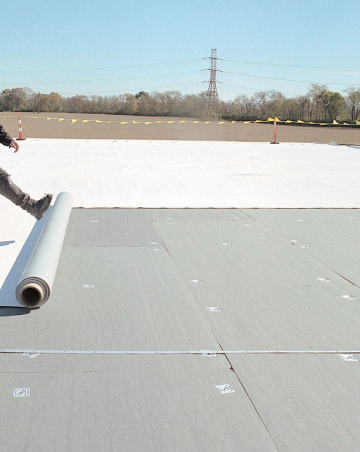
That's exactly why a routine commercial roof inspection matters so much for building owners and property managers in this area. Catching a failing seam or a clogged drain early costs far less than dealing with the damage that follows if it goes unaddressed. Total Roofing works with commercial properties across O'Fallon and the surrounding Metro East, and we understand how the local weather patterns affect the roofing systems common here, whether that's EPDM, TPO, or PVC. We know what to look for and where problems tend to hide.
Spring and fall tend to be the best times to schedule an inspection, giving you a clear picture of your roof's condition before extreme temperatures arrive. If you notice signs of trouble, a complete inspection gives you the information you need to make the right call for your facility.
How Our Commercial Roof Inspection Works in O'Fallon, IL
Knowing what to expect from start to finish makes the whole process easier. Here is exactly how Total Roofing handles a commercial roof inspection in O’Fallon:
- Step 1: Scheduling and Access Coordination
We work around your schedule to find a time that fits your operations and causes minimal disruption to tenants or staff. Before we arrive, we confirm which areas we’ll need to access, any rooftop equipment to be aware of, and whether there are areas of concern you want us to prioritize. - Step 2: Thorough Inspection of Your Roof
Our inspector walks the roof, looking closely at the membrane, seams, flashing, fasteners, drains, parapet transitions, and areas around rooftop openings. On flat and low-slope roofs common in this area, we also check for ponding, surface wear, and repair patches that may be aging or lifting. - Step 3: Documentation and Findings
We document what we find with photos and notes tied to specific areas of your roof. This gives you a clear record of current conditions rather than a vague summary. - Step 4: Honest Inspection Report and Recommendations
We walk you through what we found in plain language. If your roof is in good shape and nothing needs attention, we tell you that directly. We only recommend work that is actually needed based on what we see. - Step 5: Clear Next Steps
If repairs or further action are warranted, we outline your options and help you understand what makes sense given your roof's age, material, and condition. You leave with the information you need to make a confident decision for your facility.
What We Look for During Inspections in O'Fallon, IL
Commercial roofs in this area take a beating from all directions. Temperature changes through winter and summer put stress on seams and fasteners, heavy rains test drainage systems, and years of weather exposure wear down even well-maintained membranes. Knowing where problems most often hide helps you understand why a thorough inspection covers more ground than a quick visual check.
- Membrane surface condition: Bubbling, cracking, surface erosion, and areas where the membrane has thinned or pulled away from the underlayment
- Seams and lap joints: Separation, lifting, or softening along seams where water can track underneath without obvious surface signs
- Flashing at walls, parapets, and openings: Movement from temperature changes can work flashing loose over time, creating leak paths that are easy to miss
- Drainage and ponding: Clogged or slow drains, low spots where water collects, and signs of standing water that accelerate membrane wear
- Rooftop equipment surrounds: HVAC units, pipes, and curbs create multiple openings where sealants dry out and edges lift
- Repair patches: Older patches on aging commercial roofs in this area often start failing at the edges long before the center shows visible wear
- Fastener condition: Corrosion and backout on fasteners, especially on metal and mechanically attached membrane systems
We document each of these areas during your inspection so you have a clear picture of where your roof stands today and what, if anything, needs attention.
Roof Material Identification & Age Review
Part of a complete commercial inspection is confirming what roofing system you actually have, how old it is, and how it's holding up relative to its expected lifespan. This context helps you understand whether you're dealing with a fixable issue or a roof that's approaching the end of its useful life.
Interior Leak Indicator Check
Where possible, we look for signs inside the building that point to active or past leaks, including ceiling staining, moisture around openings, and any visible water damage near exterior walls. These interior clues often reveal leak paths that aren't visible from the roof alone.
Edge & Perimeter Detail Review
Roof edges, coping, and perimeter metals are common failure points on commercial buildings, especially after windstorms and repeated temperature changes through O'Fallon winters. We check these areas closely because edge failures can let water travel beneath the roofing system and away from where the leak eventually shows up inside.
Prioritized Findings for Maintenance Planning
Not every issue found during an inspection needs immediate attention, and we don't treat them as if they do. We help you understand which conditions are urgent, which can be monitored, and which are worth addressing now to avoid more expensive repairs later, so you can plan around your facility's budget and schedule.
Schedule a Commercial Roof Inspection in O'Fallon, IL
O'Fallon's weather puts real, ongoing stress on commercial roofing systems. The combination of wet springs, humid summers, and cold winters works against membranes, seams, and flashing year after year. Staying ahead of that wear helps you avoid the kind of repairs that disrupt operations and add up fast. A routine inspection is one of the more practical things you can do to protect your facility and extend the life of the roof you already have.
If you manage or own a commercial property in the O'Fallon area, Total Roofing is ready to take a close look and give you a straight answer about where things stand. Reach out for a commercial roof inspection whenever you’re ready, and we will schedule a time that fits your facility and your team.
Frequently Asked Questions
Got questions about your roof? We’ve got answers. From maintenance tips to insurance claims and repair timelines, our FAQ section covers the most common concerns homeowners have. Get informed and make confident decisions about protecting your home.
Does it matter what type of roofing system my building has before scheduling an inspection?
It does, because different systems have different failure patterns and require a trained eye familiar with each one. EPDM, TPO, and PVC systems are all common on commercial buildings in the O'Fallon area, and each one shows wear in different places. Knowing the roofing system ahead of time helps us come prepared, but if you're not sure what you have, we can identify it during the inspection.
Can an inspection reveal problems even if the interior of my building looks fine?
Yes, and that's one of the more valuable things a surface inspection can do. Water that enters through a failed seam or lifted edge detail can travel along the roof deck or insulation for a long distance before it ever shows up as a ceiling stain inside. By the time interior damage appears, the leak has often been active long enough to affect insulation and the roof deck beneath the membrane. Catching those entry points from above, before interior signs develop, is one of the main reasons routine inspections are worth doing on a schedule rather than only after you notice something.
How do O'Fallon's winters affect the parts of a commercial roof that are hardest to see?
The repeated temperature changes through a typical O'Fallon winter cause roofing materials to expand and contract in ways that gradually work fasteners loose, pull seams apart, and shift flashing away from walls and parapets. These changes happen at connection points and transitions, areas that don't always show obvious surface damage but can open up slow leak paths over time. On mechanically attached membrane systems in particular, fastener backout is easy to miss without getting close, and it tends to get worse with each cold season if it isn't addressed.
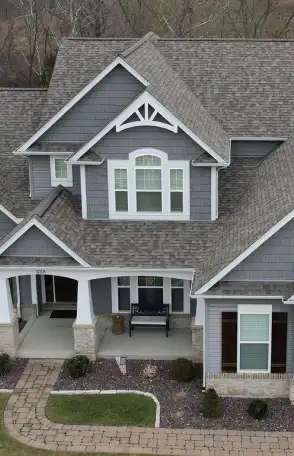
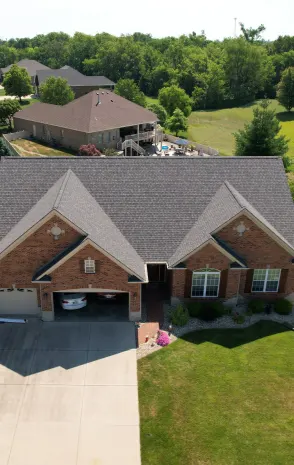
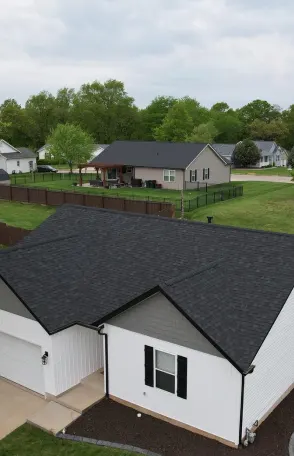
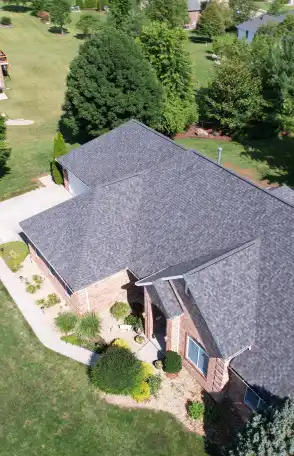
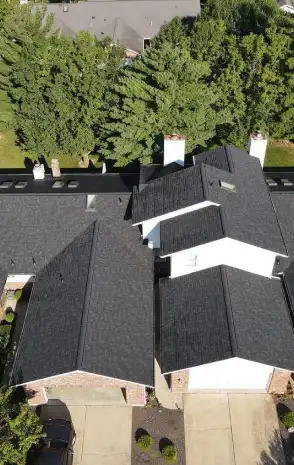
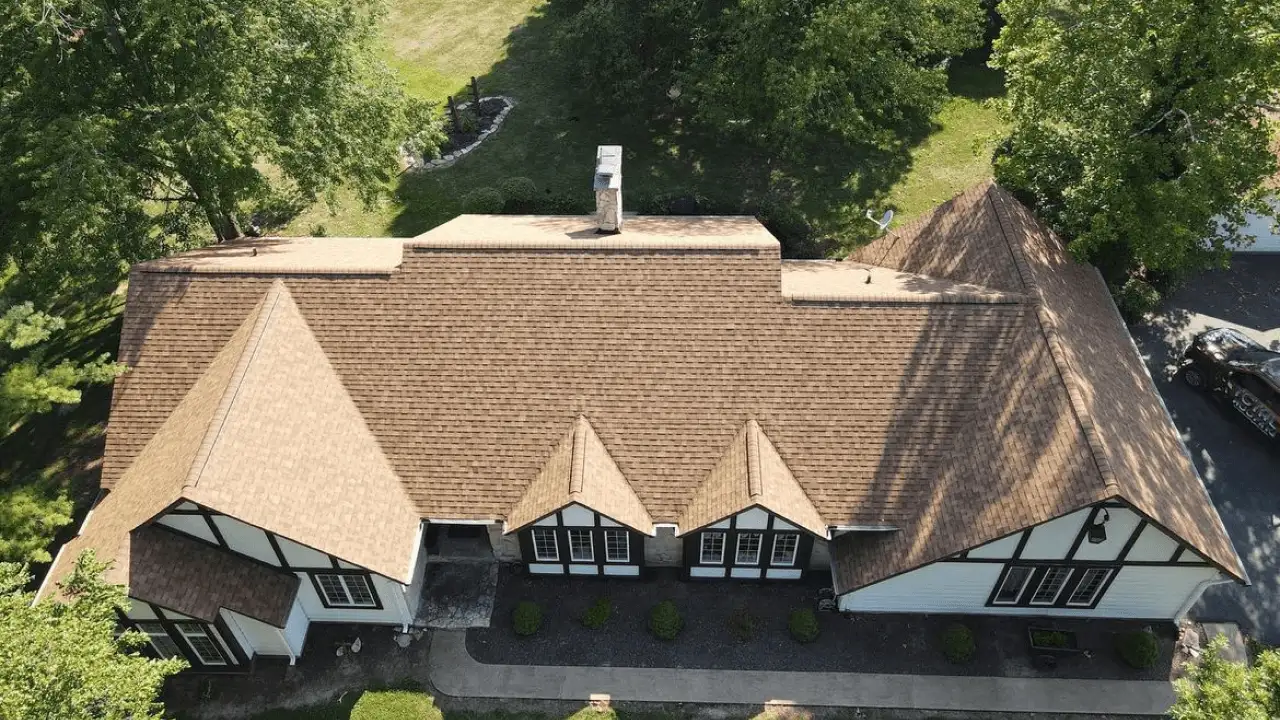
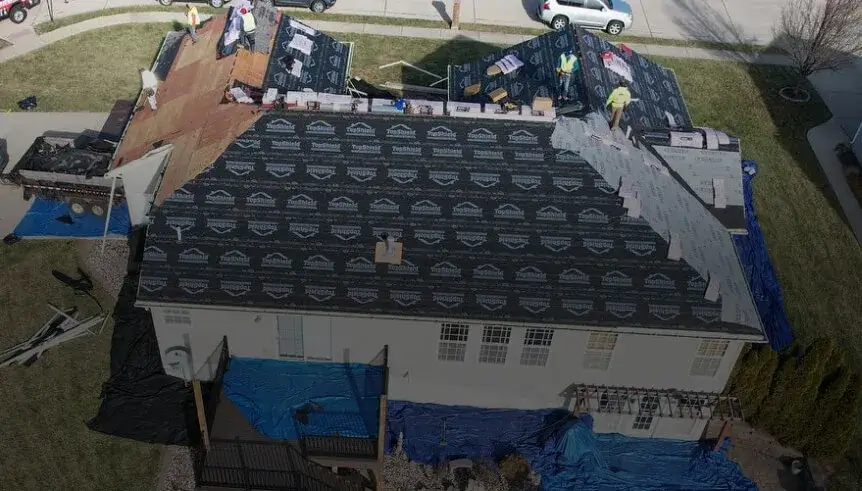
Our Work Speaks For Itself
Our completed roofing projects reflect our commitment to quality, durability, and craftsmanship. From repairs to full installations, every job is done with attention to detail and built to last.

Our Client Feedback
Our work is best told through our customers. Whether it’s a quick repair or a full roof replacement, Total Roofing delivers reliable roofing done right.
View more arrow_forward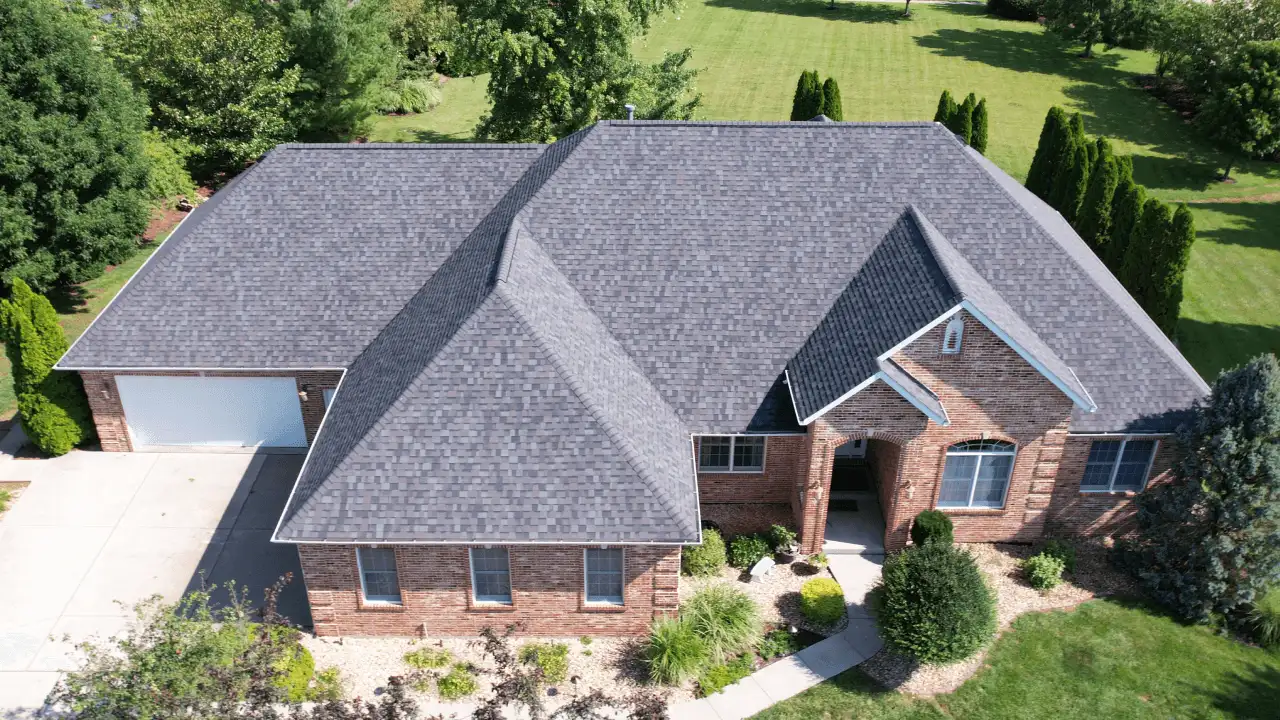











Professional Guidance and Consultation for All Roofing & Remodeling Projects
If you would like a free estimate for a new roof, please contact your nearest office location listed below. You may also submit an inquiry through the contact form, and a member of our team will respond promptly.
- done_allFree, detailed roof inspection by certified professionals Free
- done_allAccurate estimates with transparent pricing 100% Trusted
- done_allNo obligation and no pressure to commit
- done_allFast response and timely project scheduling
- done_allHigh-quality materials and skilled workmanship
- done_allDedicated support from consultation to completion









Get Your Free Professional Roof Inspection