
 call(618) 719-6767 call

Proudly Serving Homeowners Across Missouri
Commercial Roof Inspections in Columbia, IL
5.0 Stars - Based on 239 User Reviews
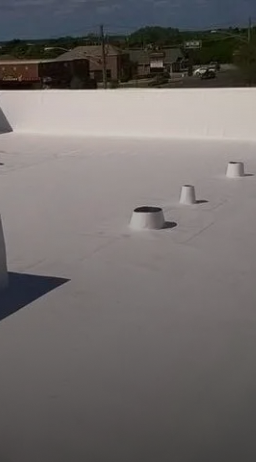
Columbia sits just southeast of the St. Louis metro, and the weather here does not go easy on commercial roofs. Summers bring high heat and humidity that break down sealants and age membranes faster than property owners often realize. Then winter arrives with cold temperatures, snow, and repeated temperature changes that open up weak points and let water find its way in. Spring adds heavy rain and storms to the mix, putting flat and low-slope roofs under pressure right when drainage issues and seam problems are most likely to surface. When a commercial roof goes unchecked through all of that, small problems rarely stay small for long.
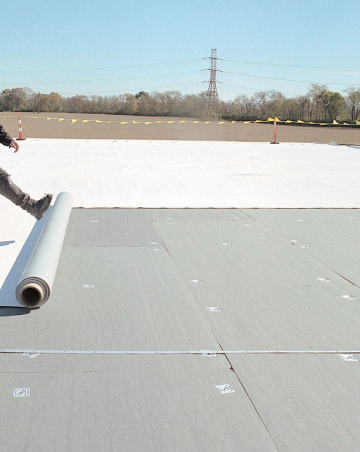
An in-depth commercial roof inspection offers a detailed assessment of your roof’s condition before minor issues turn into major expenses. Total Roofing works with building owners and property managers throughout Columbia, inspecting membranes, flashing, drains, openings, and edge metals to identify the areas most likely to fail. We focus on the details that matter most for low-slope and flat roofs, where standing water, seam separation, and flashing failure tend to show up first.
How Commercial Roof Inspections Work in Columbia, IL
Knowing what to expect before someone gets on your roof makes the whole process easier. Here is exactly how Total Roofing handles a commercial roof inspection in Columbia from start to finish:
- Step 1: Scheduling and Access Coordination
We work around your schedule and your tenants or building operations so the inspection causes as little disruption as possible. Before we arrive, we confirm the areas we’ll need access to on the roof and any spots that need special attention. This keeps things moving efficiently once we are on site. - Step 2: Thorough Inspection of Your Roof
Our team walks the entire roof, checking membranes, seams, flashing, drains, openings, and edge metals. For flat and low-slope roofs, we pay close attention to drainage patterns and areas where water tends to collect. These are the spots where problems show up first in Columbia’s wet seasons. - Step 3: Documentation and Findings
We photograph problem areas and take detailed notes throughout the inspection. You get a clear record of what we found, including areas in good shape and areas that need attention. - Step 4: Honest Evaluation and Recommendations
We walk you through exactly what we found. If minor repairs are all that is needed, we say so. We only recommend work that is actually required, and we will tell you directly if your roof is in good shape and nothing needs to be done. - Step 5: Next Steps
If any work is recommended, we outline your options so you can make an informed decision without pressure. We explain the plan and the timeline before anything moves forward. You leave the conversation with a complete picture of where things stand.
What Gets Inspected on Commercial Roofs in Columbia, IL
A commercial roof inspection covers more than just the surface. On the flat and low-slope roofs common throughout Columbia, the real trouble spots tend to be the details: drains, seams, flashing, and openings that quietly fail long before a leak shows up inside the building. Knowing what gets checked helps you understand the full picture of what you are paying for.
| Inspection Area | What We Look For | Why It Matters in Columbia, IL |
|---|---|---|
| Membrane surface | Punctures, bruising, surface cracking, and seam separation | Hail and heat accelerate membrane wear on flat roofs throughout the warm season |
| Flashing and edge metals | Lifting, gaps, and sealant breakdown around roof edges and transitions | Thunderstorm winds put flashing details under stress |
| Drains and drainage paths | Blockages, ponding areas, and slow-draining low spots | Flat roofs with poor drainage hold water longer after heavy spring and fall rains |
| Rooftop openings | Cracked boots, open gaps, and failing seals around HVAC curbs and pipes | Openings are common leak entry points, especially after temperature changes stress the surrounding membrane |
Hail & Storm Damage Review
Monroe County sees regular hailstorms during the warm months, and membrane bruising or punctures from hail are not always easy to spot without a trained eye. Your inspection includes a focused look at storm-related damage that can compromise the roof’s surface long before a leak appears inside your facility.
Sealant & Seam Condition Check
Columbia’s summer heat and humidity accelerate sealant breakdown along seams, termination bars, and transitions, often long ahead of schedule. Catching deteriorating seals early is one of the most effective ways to keep minor fixes from escalating into major expenses.
Ponding & Drainage Pattern Analysis
Flat and low-slope roofs can develop persistent ponding areas that wear down membranes over time. Your inspection maps out where water is collecting and whether the drainage layout is keeping up with the volume your roof handles during Columbia’s heavier rainfall.
Written Inspection Report with Photos
Every inspection includes a detailed written report with photos covering both problem areas and areas in good condition. Property managers and building owners find this documentation especially useful for ongoing maintenance planning.
Schedule a Commercial Roof Inspection in Columbia, IL
Columbia’s weather puts real stress on commercial roofs, and that wear adds up quietly between inspections. Catching seam separation, drain issues, or failing sealants early keeps repair costs manageable and protects the long-term value of your building. For property managers and building owners with tenants relying on a dry, functional facility, staying ahead of roof problems is one of the more practical decisions you can make for your property.
Total Roofing is ready to help you get a clear picture of where your commercial roof stands today. Whether you want to check in before winter or get a complete look after a stretch of heavy rain and heat, the process is straightforward, and we work around your schedule. Reach out when you are ready to schedule a commercial roof inspection, and we will take it from there.
Frequently Asked Questions
Got questions about your roof? We’ve got answers. From maintenance tips to insurance claims and repair timelines, our FAQ section covers the most common concerns homeowners have. Get informed and make confident decisions about protecting your home.
Does a commercial roof inspection in Columbia require a city permit, or is that only for repair work?
No, inspections do not require a permit. Permits come into play when the inspection findings lead to actual repairs or system changes that qualify as building alterations under Columbia’s permit requirements.
How do hailstorms in the Columbia area affect a flat or low-slope roof differently than a pitched roof?
On a flat or low-slope membrane roof, hail impact can bruise or puncture the membrane without leaving obvious visible damage from the ground. That hidden damage lets water sit and slowly work into the system, especially in low spots where drainage is already slower. A trained inspector knows where to look on membrane surfaces after a storm, and that targeted check is worth doing before the next round of heavy rain arrives.
What time of year is most useful for scheduling a commercial roof inspection in Columbia?
Spring and early fall tend to be the most practical times to schedule an inspection because they fall right before the seasons that put the most stress on your roof. A spring inspection catches anything that deteriorated over winter before heavy rains test it, and a fall inspection lets you address weak seams or drainage issues before cold temperatures make repairs harder to schedule. That said, if your facility has had a rough stretch of summer heat or a recent storm, waiting for an ideal window is not worth it.
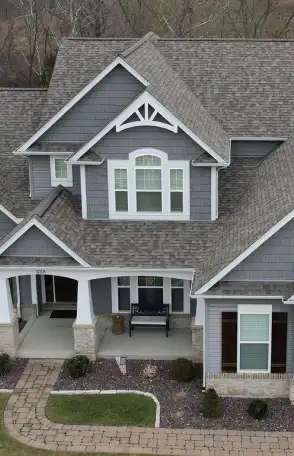
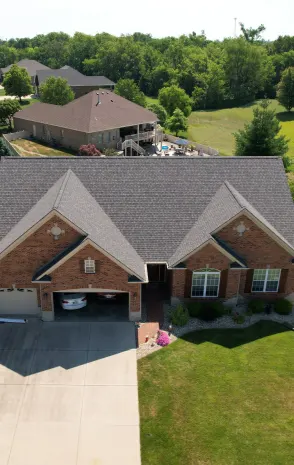
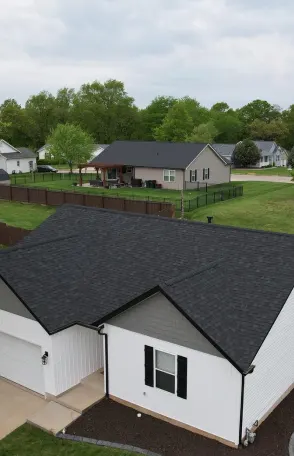
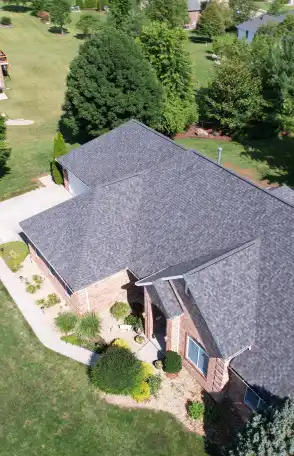
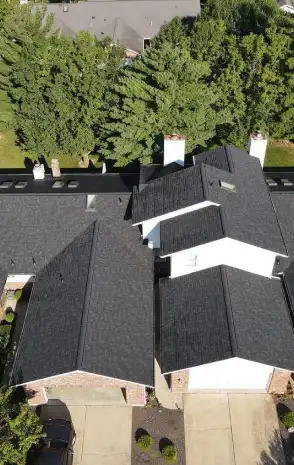
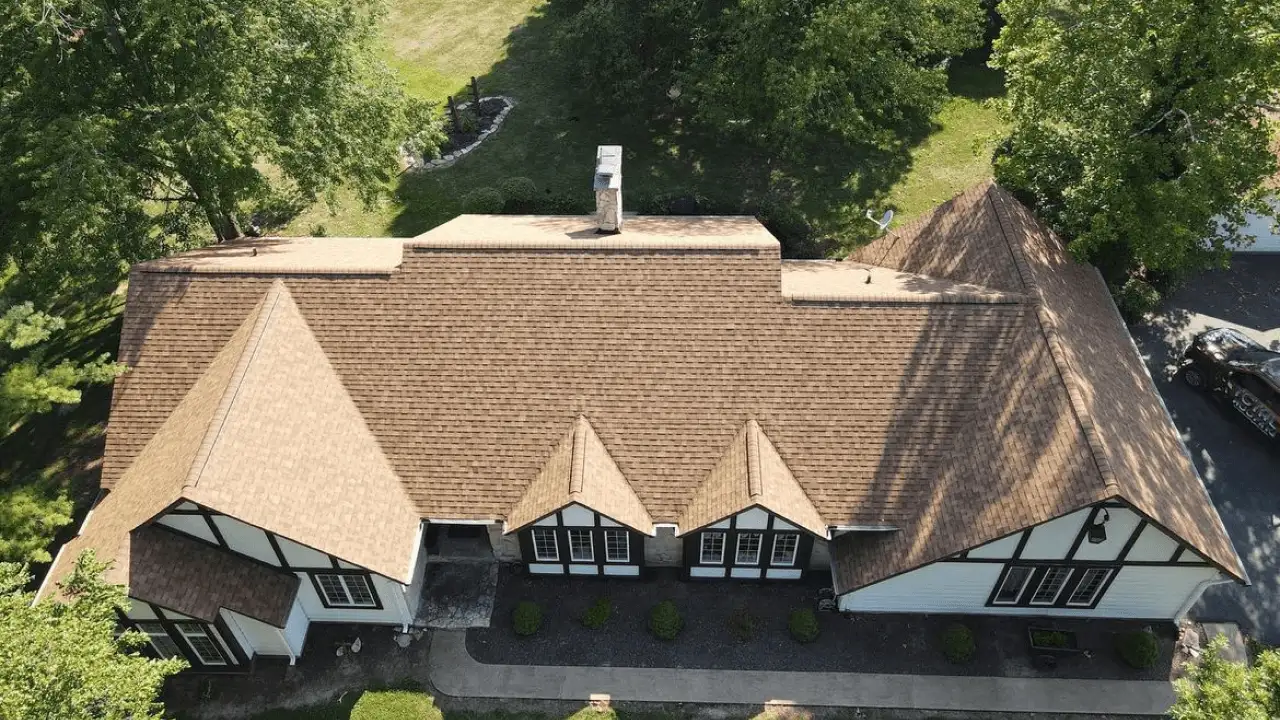
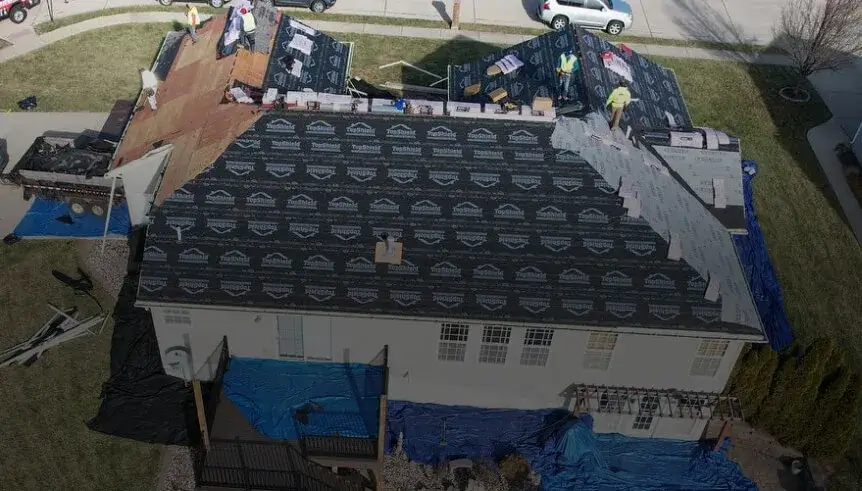
Our Work Speaks For Itself
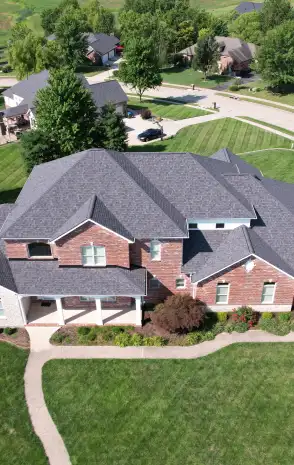
Our completed roofing projects reflect our commitment to quality, durability, and craftsmanship. From repairs to full installations, every job is done with attention to detail and built to last.

Our Client Feedback
Our work is best told through our customers. Whether it’s a quick repair or a full roof replacement, Total Roofing delivers reliable roofing done right.
View more arrow_forward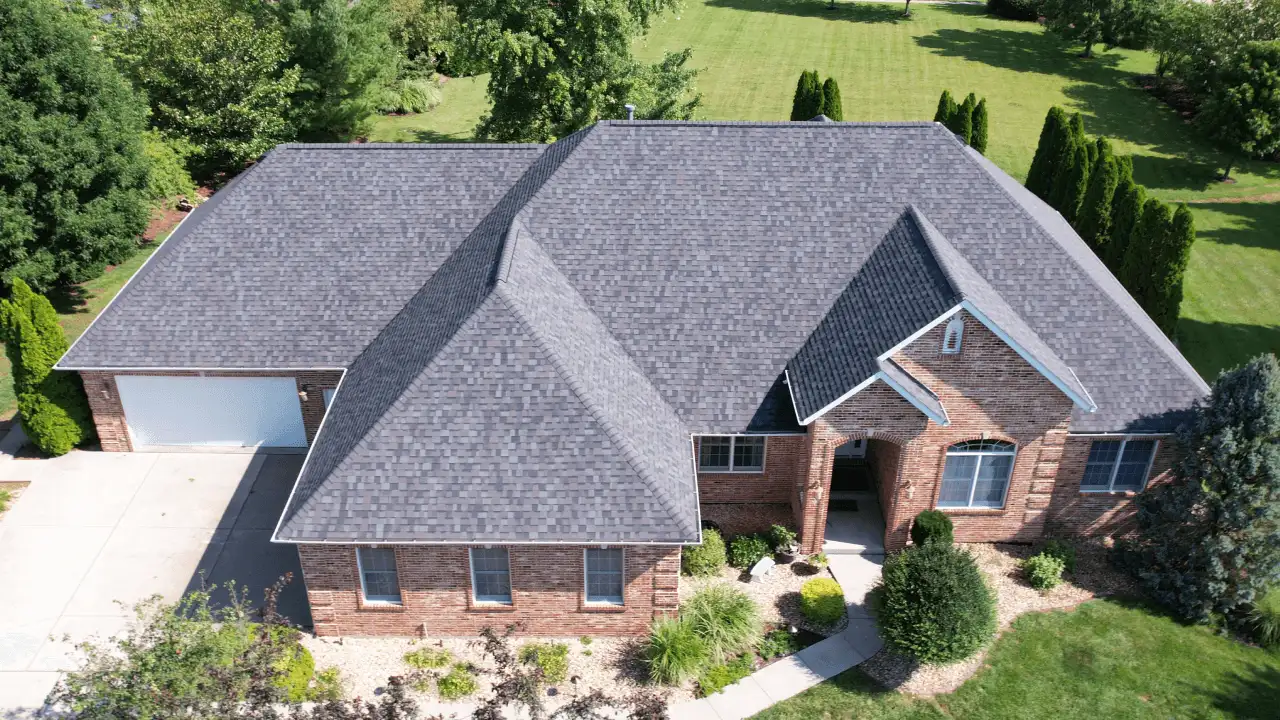











Professional Guidance and Consultation for All Roofing & Remodeling Projects
If you would like a free estimate for a new roof, please contact your nearest office location listed below. You may also submit an inquiry through the contact form, and a member of our team will respond promptly.
- done_allFree, detailed roof inspection by certified professionals Free
- done_allAccurate estimates with transparent pricing 100% Trusted
- done_allNo obligation and no pressure to commit
- done_allFast response and timely project scheduling
- done_allHigh-quality materials and skilled workmanship
- done_allDedicated support from consultation to completion







Get Your Free Professional Roof Inspection