

 call(618) 719-6767 call


Proudly Serving Homeowners Across Missouri
Commercial Roof Repair in Kirkwood, MO
5.0 Stars - Based on 222 User Reviews
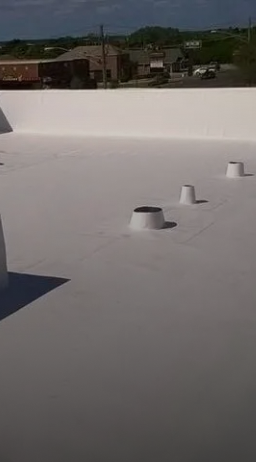
Kirkwood sits in west St. Louis County where commercial roofs take a beating year-round. Summers push temperatures into the 90s, stretching and softening low-slope membranes and sealants. Winters drop below freezing, and that repeated cycle of heating and cooling causes seams to shift, flashing to pull away, and small cracks to open up around gaps and edges. Add in the heavy rainfall this area sees each year, and flat or low-slope commercial roofs face real pressure to drain properly and stay watertight. On older Kirkwood buildings, where roofs may have already gone through several patch cycles, these conditions can turn minor wear into serious leaks faster than most property owners expect.
Professional commercial roof repair addresses these challenges before they affect your tenants, your inventory, or your day-to-day business operations. Total Roofing works with building owners and property managers across Kirkwood and the broader St. Louis metro, handling repairs on the membrane systems most common in this market: TPO, EPDM, and modified bitumen.
Whether your facility has a leak tracing back to a failed seam, damaged flashing, or a drainage issue causing ponding water, the right repair starts with a thorough roof inspection and a clear understanding of what your existing system needs. That kind of targeted approach keeps repair costs down and extends the useful life of the roof you already have.
How Commercial Roof Repair Works in Kirkwood, MO
Commercial roof damage can develop around existing repairs, drainage areas, and other vulnerable portions of the roof, making a focused inspection important before repair decisions are made. Total Roofing evaluates the affected areas, explains the available approach, and reviews the finished work with you.
- Step 1: Investigate the Source of the Problem
A Total Roofing technician examines seams, flashing, roof openings, edges, membrane wear, and areas where water may be collecting. On older Kirkwood buildings with a history of previous repairs, those areas are reviewed for signs that earlier work has deteriorated or that nearby roofing has also been affected. - Step 2: Assess the Extent and Repair Options
The inspection findings are explained in straightforward terms, including whether the damage appears confined to one area or reflects a broader condition across the membrane. When a localized repair is appropriate, that option is presented along with the reason a full replacement is not currently necessary. - Step 3: Specify the Repair and Materials
A written quote identifies the work to be completed and how the affected areas will be addressed. Repair materials are matched to the existing roofing, including TPO, EPDM, or modified bitumen when applicable, so the repaired sections remain compatible with the surrounding roof. - Step 4: Restore the Damaged Areas
The required repairs are completed based on the conditions identified during the inspection. Work may include sealing seams, replacing damaged flashing, correcting drainage concerns, or restoring damaged membrane areas. Standard repairs may take a few hours to 1 day, depending on the work involved. - Step 5: Inspect the Completed Repair
The finished repair is checked before the job is closed, followed by a walkthrough of the work performed. Any other roofing conditions that should be monitored are identified so you have a clear understanding of the roof’s condition after the repair.
Common Repair Issues on Commercial Roofs in Kirkwood, MO
Kirkwood’s commercial building stock includes a lot of older retail, office, and institutional facilities, many with flat or low-slope roofs that have been patched more than once over the years. Understanding what tends to go wrong on these roofs, and why, helps you recognize warning signs early and make smarter decisions about repair priorities.
| Common Issue | Typical Cause | Why It Matters |
|---|---|---|
| Failed or lifting seams | Temperature changes and membrane aging | Open seams are the most direct path for water to reach your building interior |
| Flashing separation | Expansion and contraction at roof edges and gaps | Pulled flashing allows water to travel behind the membrane and into the wall assembly |
| Ponding water damage | Blocked or undersized drains, settled roof deck | Standing water accelerates membrane breakdown and adds weight stress over time |
| Deteriorated sealants around gaps | UV exposure and age | Pipe boots, vents, and HVAC curbs are frequent leak points on aging commercial roofs |
| Prior patch failure | Incompatible materials or surface prep issues | Mismatched patches create new weak points and can mask deeper system problems |
On buildings with a long repair history, the pattern of where leaks keep returning often tells you more than any single problem spot. If the same areas are failing repeatedly, that is worth discussing with your roofing contractor before committing to another round of localized patches.
Material Compatibility on Existing Systems
Repairs made with the wrong materials can create new failure points even when the work itself looks solid. Total Roofing matches every repair material to your existing membrane type, whether that is TPO, EPDM, or modified bitumen, so the repaired area bonds correctly and holds up as one cohesive system rather than a mismatched patch.
Drainage Correction and Flow Restoration
Flat and low-slope roofs in Kirkwood rely on properly functioning drains, scuppers, and slope to move water off the surface quickly. When drainage is part of the problem, we address it directly during repair rather than leaving your facility exposed to the ponding and membrane stress that standing water causes over time.
Gap and Curb Detailing
HVAC units, pipe boots, vents, and rooftop equipment curbs are among the most common leak entry points on commercial roofs, especially on older Kirkwood facilities where these details have been exposed to years of heat, cold, and rainfall. Resealing and re-flashing these areas is a standard part of repair work, not an afterthought.
Storm Response and Emergency Patching
When a severe storm leaves your facility with an active leak or exposed membrane, waiting is not an option. Total Roofing provides emergency patching and storm damage repair to stop water entry quickly, protecting your building interior, equipment, and tenants until full repairs can be completed.
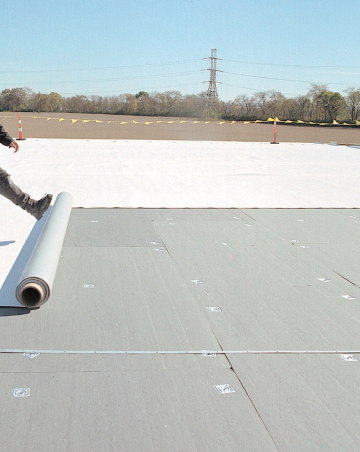
Get Commercial Roof Repairs Done in Kirkwood, MO
Kirkwood’s weather pattern puts real pressure on commercial roofing systems year after year. The combination of summer heat, freezing winters, and steady rainfall takes a gradual toll on membranes, seams, and flashing, especially on older buildings that have already been through several repair cycles. Addressing problems while they are still manageable keeps your facility protected, reduces long-term costs, and extends the life of the roofing system you have in place. Waiting tends to turn a smaller repair into a larger one, and that usually means more disruption to your building operations.
Total Roofing works with property managers and building owners across Kirkwood and the surrounding area to keep commercial roofs in good working condition. If your facility has a leak, drainage issue, or membrane wear you have been watching, reaching out to get a roof inspection scheduled is a straightforward next step. Our team is ready to take a look and give you a clear picture of what your roof needs.
Frequently Asked Questions
Got questions about your roof? We’ve got answers. From maintenance tips to insurance claims and repair timelines, our FAQ section covers the most common concerns homeowners have. Get informed and make confident decisions about protecting your home.
How do I know if my commercial roof needs a localized repair or if the whole system is failing?
The pattern of leaks tells you a lot. If water entry keeps showing up in the same general areas despite repeated patching, that often points to a broader membrane issue rather than isolated damage. A thorough inspection can help distinguish between a roof that still has useful life with targeted repairs and one where the system has degraded to the point that patching is no longer the right answer.
Does the time of year affect how well a commercial roof repair will hold up in Kirkwood?
Yes, and it matters more than most building owners realize. Sealants and membrane adhesives need moderate temperatures to bond correctly, which makes spring and fall the most reliable windows for repairs that require cured seams or new flashing details. Repairs done during a January cold snap or a July heat wave can still be completed by experienced crews, but material performance is more predictable when temperatures are in a moderate range.
Our building has a modified bitumen roof that has been patched several times. Can mismatched patches from previous contractors cause new leaks?
They can, and it happens more often than people expect on older Kirkwood commercial buildings with long repair histories. Patches made with incompatible materials may not fully adhere to the existing membrane, leaving edges that lift or allow water to travel underneath. When we inspect a roof with multiple prior repairs, we look closely at how those patches have bonded to the surrounding system and whether they are creating new weak points rather than solving the original problem.
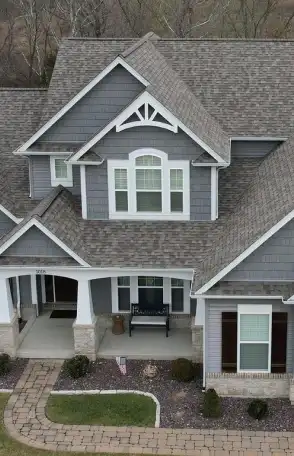
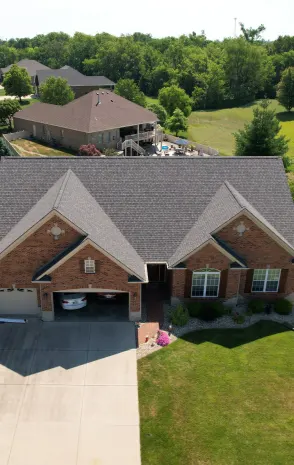
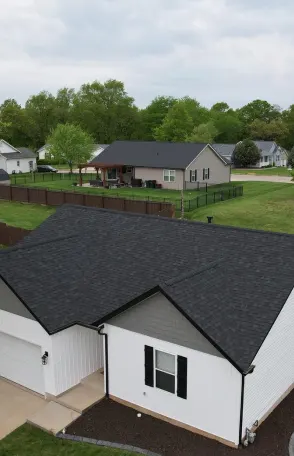
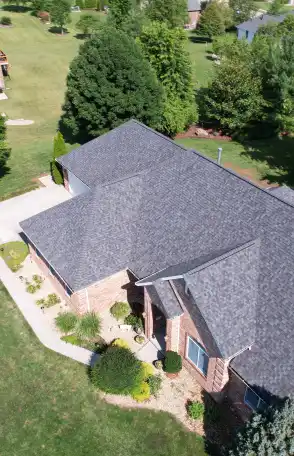
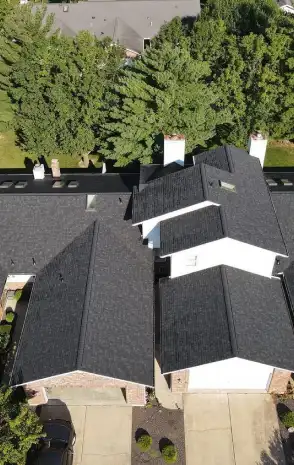
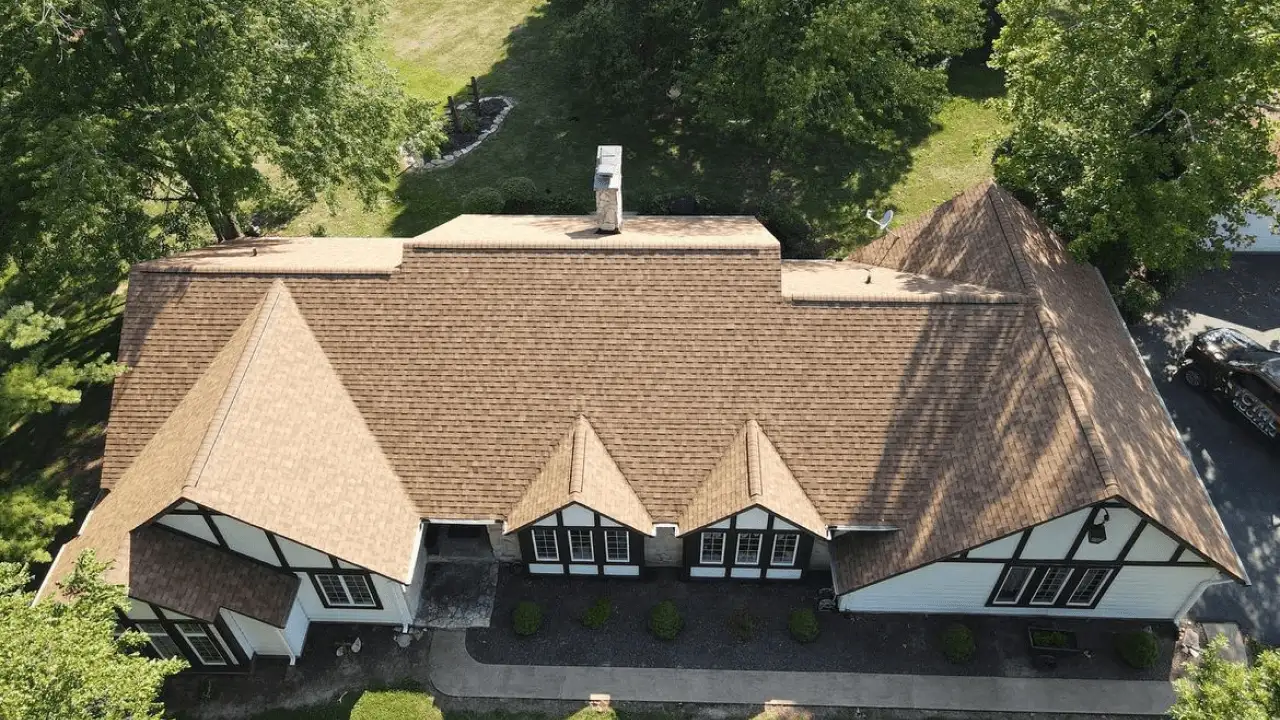
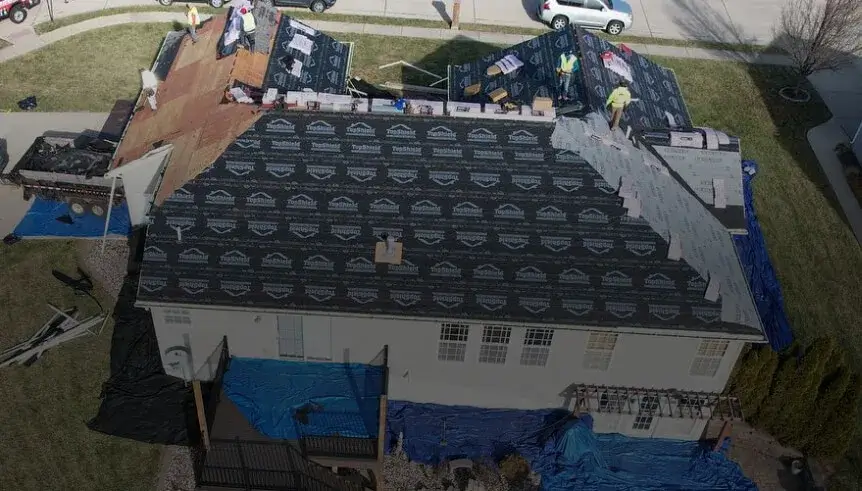
Our Work Speaks For Itself
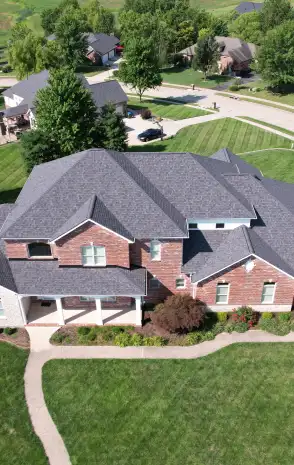
Our completed roofing projects reflect our commitment to quality, durability, and craftsmanship. From repairs to full installations, every job is done with attention to detail and built to last.

Our Client Feedback
Our work is best told through our customers. Whether it’s a quick repair or a full roof replacement, Total Roofing delivers reliable roofing done right.
View more arrow_forward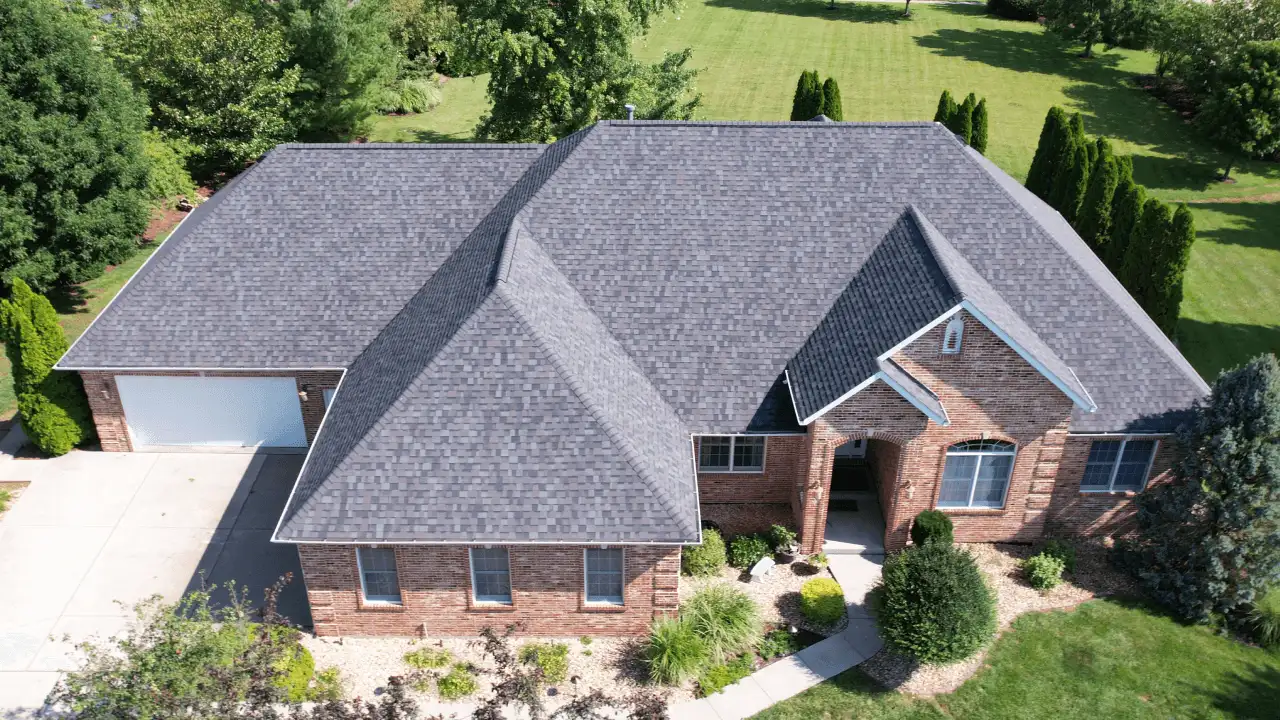




Professional Guidance and Consultation for All Roofing & Remodeling Projects
If you would like a free estimate for a new roof, please contact your nearest office location listed below. You may also submit an inquiry through the contact form, and a member of our team will respond promptly.
- done_allFree, detailed roof inspection by certified professionals Free
- done_allAccurate estimates with transparent pricing 100% Trusted
- done_allNo obligation and no pressure to commit
- done_allFast response and timely project scheduling
- done_allHigh-quality materials and skilled workmanship
- done_allDedicated support from consultation to completion







Get Your Free Professional Roof Inspection