

 call(618) 719-6767 call


Proudly Serving Homeowners Across Missouri
Commercial Roof Repair in Webster Groves, MO
5.0 Stars - Based on 222 User Reviews
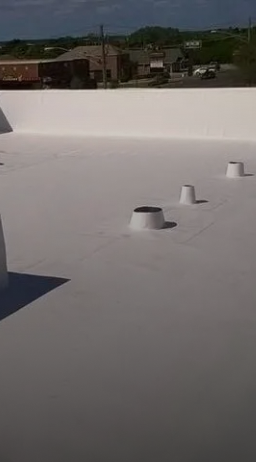
Webster Groves has a lot of older commercial buildings, schools, churches, and small business properties that have been standing for decades. Many of them were built in the early and mid-1900s, which means their roofs have seen a lot of weather over the years. The St. Louis metro area brings hot, humid summers with temperatures reaching into the 90s, cold winters that push near or below freezing, and around 40 inches of precipitation spread throughout the year. For flat and low-slope commercial roofs, that kind of weather puts constant pressure on seams, flashing, and drainage systems. When small problems go unaddressed, water finds its way in, and what started as a minor repair can turn into a much larger project affecting your building’s interior, your tenants, and your day-to-day operations.
That’s where professional commercial roof repair makes a real difference. A qualified crew can locate the source of a leak, repair damaged membrane sections, reseal roof gaps, and correct drainage problems before the next round of rain or temperature changes makes things worse. Total Roofing has worked on commercial properties throughout the Webster Groves area and understands what these buildings need. Whether your roof is showing signs of wear around a parapet wall, a rooftop unit, or a drain that isn’t clearing properly, targeted repairs can extend the life of your roof and protect your property without the disruption of a full replacement.
How Commercial Roof Repair Works in Webster Groves, MO
A commercial roof repair should give you a clear understanding of the problem, the recommended work, and the condition of the roof once the repair is complete.
- Step 1: Inspect the Roof and Identify the Source
A member of our crew examines the reported problem along with nearby roofing components. We check seams, flashing, gaps, parapet areas, and drainage points to determine where water is entering. Older flat and low-slope roofs can have multiple areas of concern, so the inspection extends beyond the most obvious location. - Step 2: Review the Findings and Repair Options
After the inspection, we explain what we found and what is causing the issue. You will know which areas need attention, what repair approaches are available, and what could happen if the problem remains unresolved. If only minor work is necessary, we make that clear rather than recommending more extensive repairs. - Step 3: Detail the Recommended Work and Pricing
We provide a written breakdown of the repair, including the areas involved and how they will be addressed. The materials selected are based on compatibility with the existing roof and the conditions identified during the inspection. You can review the details and pricing before approving the work. - Step 4: Complete the Necessary Repairs
Our crew performs the approved repairs using methods appropriate for the existing commercial roofing system. Depending on the findings, this may include membrane patching, resealing around rooftop equipment, correcting drainage problems, or securing flashing at parapet areas. Most standard repairs take a few hours to 1 day, depending on the affected area and repair requirements. - Step 5: Verify the Completed Repair and Walk Through It
Once the work is finished, we inspect the repaired areas to verify the repair details and drainage components were properly addressed. We then review the completed work with you and identify any conditions that should be monitored, giving you a clear understanding of what was repaired before we leave.
Common Commercial Roof Problems in Webster Groves, MO
Flat and low-slope roofs on commercial buildings take a beating over time, especially in a climate that swings from summer heat to winter cold and back again. Understanding where problems tend to develop helps you spot warning signs early and act before a small repair turns into a large one.
| Repair Type | Common Cause | When to Address It |
|---|---|---|
| Split or torn membrane | Temperature changes causing material expansion and contraction | As soon as visible, it can become worse quickly with rain |
| Open or separated seams | Age, foot traffic, or debris impact on older single-ply systems | Before rainy season or winter temperature drops |
| Flashing failure at parapets or gaps | Repeated temperature changes loosening seals around edges and rooftop units | At first sign of interior leaks or visible lifting |
| Clogged or damaged drains and scuppers | Debris from mature trees blocking water flow on flat roofs | Seasonally and after heavy wind or storms |
| Ponding water | Drainage imbalance or settled roof deck on aging buildings | After standing water remains 48 hours or more |
Spring and fall are ideal windows for getting ahead of these issues. Moderate temperatures make it easier to inspect seams and flashing properly, and repairs completed before winter give your roof the best chance of holding up through the coldest months without new leaks opening up.
Membrane Patching & Seam Repair
Whether your roof uses a built-up or single-ply membrane system, damaged sections and open seams require materials that are compatible with what is already in place. Using the right patch material for your existing system helps the repair hold up through future temperature changes without lifting, bubbling, or separating at the edges.
Flashing Repair at Parapets, Curbs & Roof Gaps
Rooftop HVAC units, vent pipes, skylights, and parapet walls all create transition points where water can enter if flashing pulls loose or deteriorates. Resealing and resetting flashing at these locations is one of the most effective repairs a commercial roof can receive, especially on older buildings where these details have been exposed to years of weather stress.
Drainage Correction & Scupper Repair
Flat roofs depend entirely on proper drainage to stay watertight, and a blocked or damaged scupper can lead to pooling that adds weight and accelerates surface wear. Repairing or clearing drain outlets and scupper edges restores the water flow your roof was designed to handle, which matters especially in a market where rain comes throughout the year.
Tree Debris Management & Pre-Repair Surface Prep
Properties in established neighborhoods like Webster Groves often sit under mature tree canopies that drop branches, leaves, and seed pods directly onto flat roof surfaces. Clearing debris before repairs begin allows the crew to access problem areas cleanly and helps prevent buildup from trapping moisture against seams and membrane edges after the work is done.
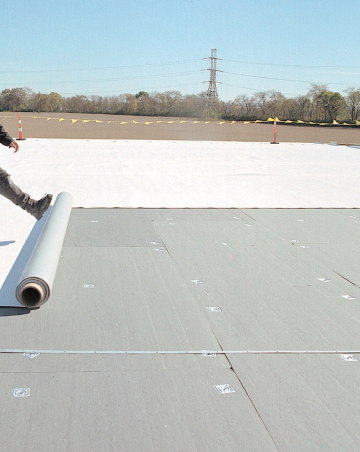
Plan Your Commercial Roof Repair in Webster Groves, MO
Keeping a commercial roof in good working order pays off over time. Well-maintained seams, clear drains, and properly sealed flashing reduce the chance of water reaching your building’s interior, which protects your tenants, your facility, and the long-term value of the property. In a market with year-round precipitation and wide temperature swings between seasons, deferred repairs tend to get more expensive, not less. Addressing problems while they are still manageable keeps your building operational and your repair costs predictable.
If you have noticed pooling water, interior staining, or areas of the roof that look different after a rain, those are worth a closer look. Total Roofing works with commercial property owners and managers throughout the Webster Groves area and can help you figure out what your roof actually needs. Reach out when you are ready, and we will take it from there.
Frequently Asked Questions
Got questions about your roof? We’ve got answers. From maintenance tips to insurance claims and repair timelines, our FAQ section covers the most common concerns homeowners have. Get informed and make confident decisions about protecting your home.
Can repairs be made on older built-up roofing systems, or do those always need full replacement?
Many older built-up roofs on Webster Groves commercial properties are still good candidates for targeted repair, especially when damage is limited to specific sections, seams, or flashing details. The key is using compatible patch materials that bond properly with the existing system rather than layering on products that won’t hold. A thorough inspection tells you whether repair is a realistic path or whether the roof has deteriorated too far for patching to be a lasting fix.
Do repair crews need to shut down building operations or block access to the facility during the work?
Most standard commercial roof repairs in Webster Groves can be completed without disrupting tenants, staff, or customers below. Crews typically work from the surface of the roof, and the interior stays accessible throughout the job. If a repair involves an area directly above an occupied space or requires roof access through an interior route, that is worth discussing during the planning stage so the work can be scheduled at a low-traffic time.
Why do some repaired areas on flat roofs start leaking again after only a season or two?
Repeat leaks in repaired sections are often caused by using materials that are not fully compatible with the original roofing system, which means the patch expands and contracts at a different rate than the surrounding membrane. Webster Groves commercial roofs face real stress from the region’s temperature swings, and repairs that don’t account for that movement tend to separate at the edges over time. A repair done with the right materials for your specific type of roof is far more likely to stay watertight through multiple seasons.
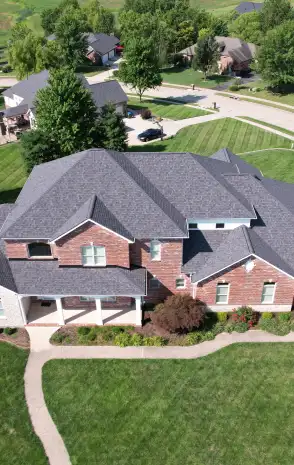
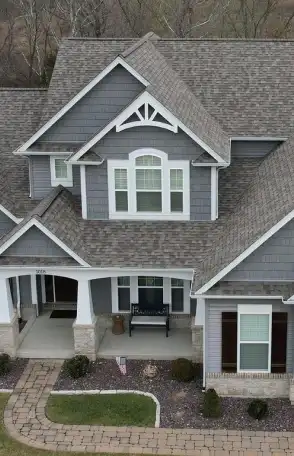
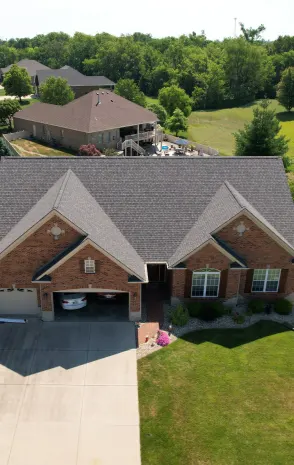
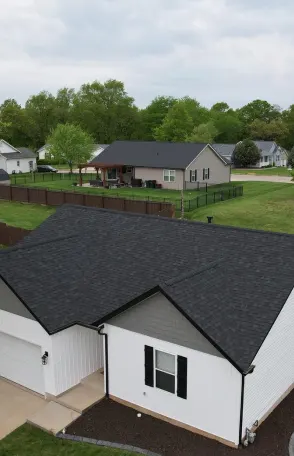
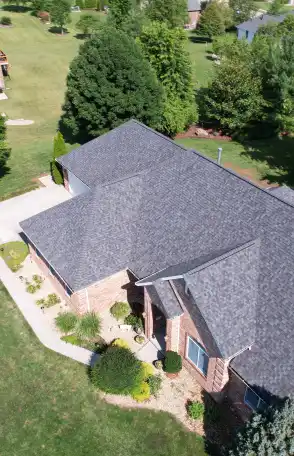
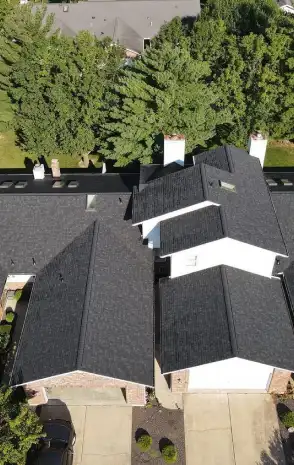
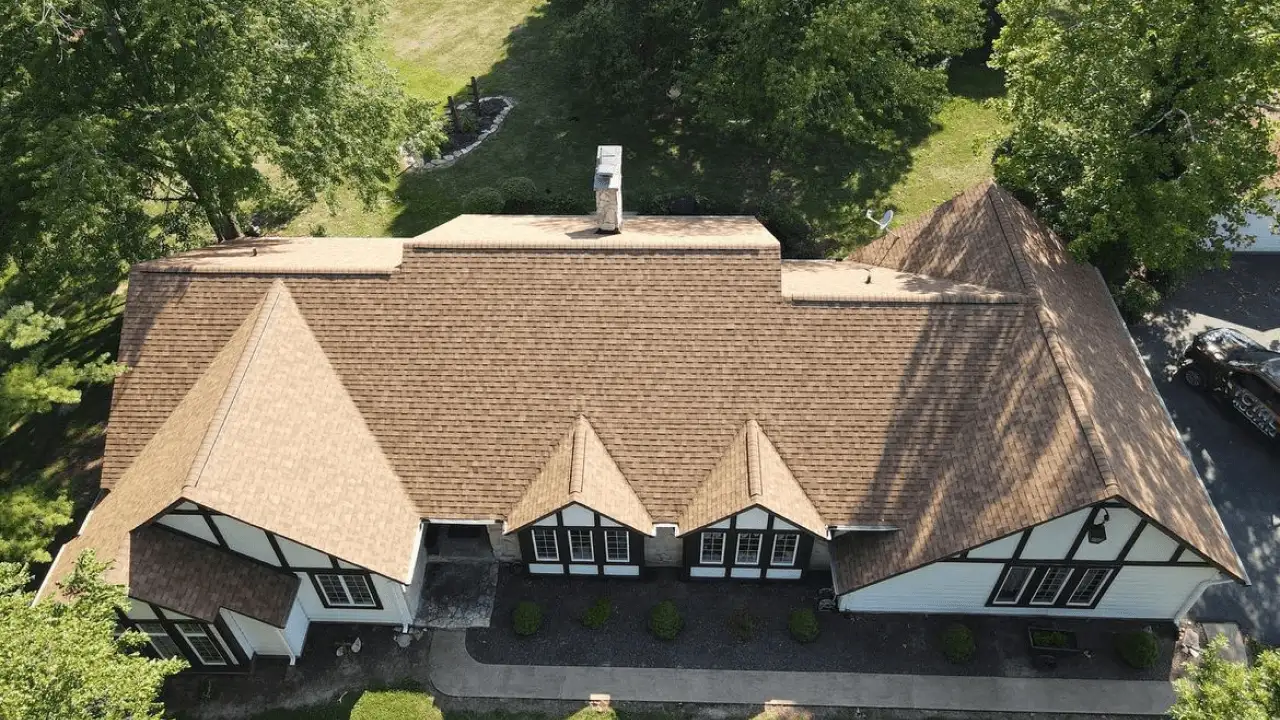
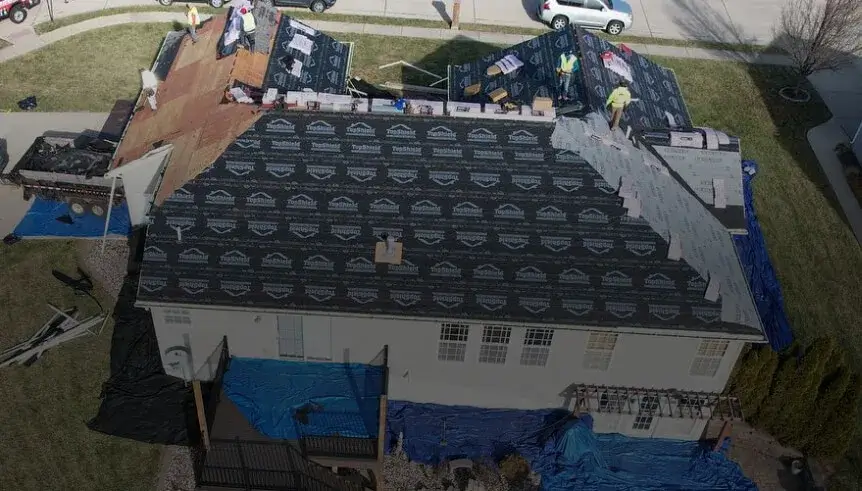
Our Work Speaks For Itself
Our completed roofing projects reflect our commitment to quality, durability, and craftsmanship. From repairs to full installations, every job is done with attention to detail and built to last.

Our Client Feedback
Our work is best told through our customers. Whether it’s a quick repair or a full roof replacement, Total Roofing delivers reliable roofing done right.
View more arrow_forward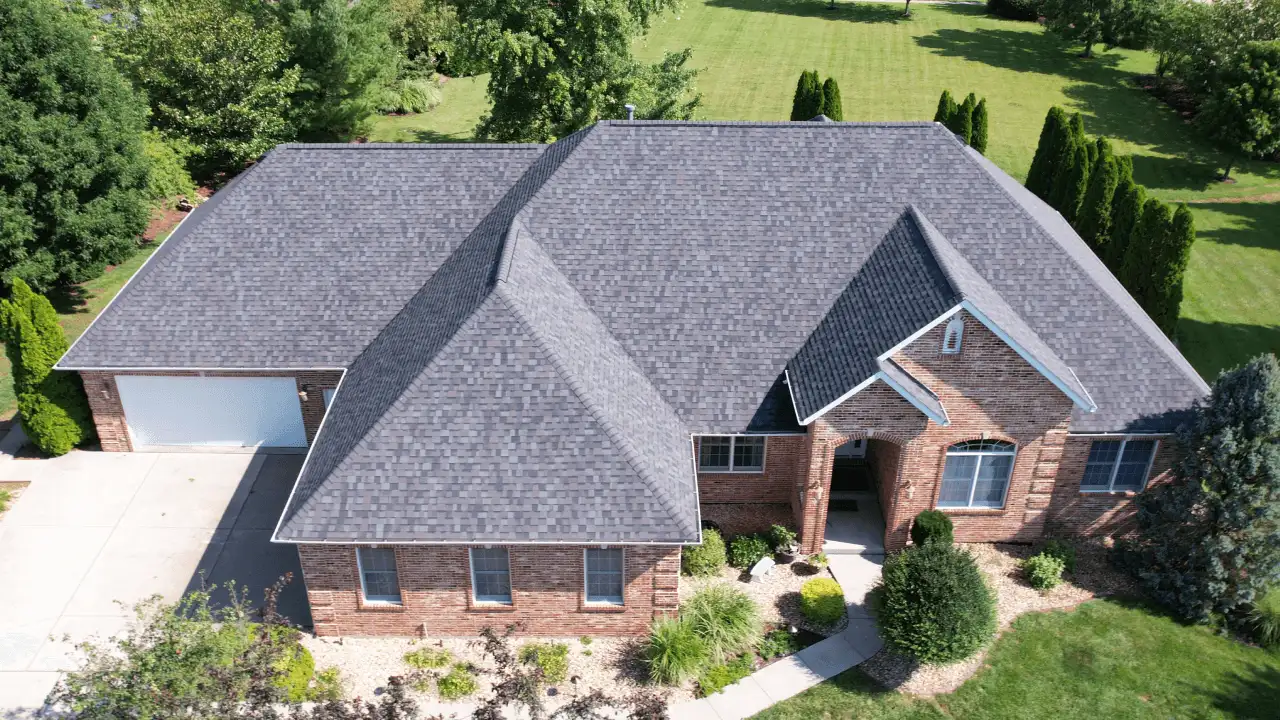




Professional Guidance and Consultation for All Roofing & Remodeling Projects
If you would like a free estimate for a new roof, please contact your nearest office location listed below. You may also submit an inquiry through the contact form, and a member of our team will respond promptly.
- done_allFree, detailed roof inspection by certified professionals Free
- done_allAccurate estimates with transparent pricing 100% Trusted
- done_allNo obligation and no pressure to commit
- done_allFast response and timely project scheduling
- done_allHigh-quality materials and skilled workmanship
- done_allDedicated support from consultation to completion









Get Your Free Professional Roof Inspection