

 call(618) 719-6767 call


Proudly Serving Homeowners Across Missouri
Commercial Roof Inspections in Belleville, IL
5.0 Stars - Based on 231 User Reviews
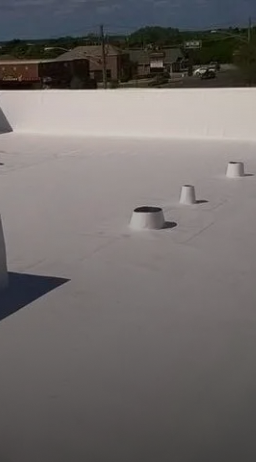
Belleville’s climate is hard on commercial roofs. Summer highs average close to 90 degrees Fahrenheit with heavy humidity, while winter lows fall into the low-to-mid 20s and the area sees about a foot of snow in a typical year. That swing causes seams and membranes to expand and contract repeatedly, wearing down the materials over time. Belleville also receives roughly 43 inches of precipitation a year, so drainage systems, flashing, and rooftop openings are tested on a regular basis. For the many older commercial buildings in Belleville and the broader Metro East area, that ongoing stress can push an aging roof toward failure faster than property owners often expect.
Most commercial buildings in this area have flat or low-slope roofs, which means water has fewer places to go and more opportunities to pool, seep through weak seams, or back up around drains and equipment curbs. Rooftop HVAC units are common on office, retail, warehouse, and industrial buildings throughout the area, and those openings are frequent sources of leaks when they are not checked regularly. A commercial roof inspection catches those problems early, before a small issue turns into an expensive repair or forces business operations to work around damage.
Total Roofing works with building owners and property managers across Belleville and the surrounding area, bringing hands-on knowledge of local conditions to every inspection. The goal is to give you a clear picture of where your roof stands so you can make informed decisions about what comes next.
How Our Commercial Roof Inspections Work in Belleville, IL
Knowing what to expect removes the guesswork from the process. Here is exactly what happens during a commercial roof inspection in Belleville:
- Step 1: Scheduling and Access Coordination
We work around your schedule and your tenants or operations so the inspection does not disrupt your business day. Before we arrive, we confirm the areas we’ll need to access, rooftop equipment locations, and any existing concerns you want us to look at closely. This keeps the visit efficient and focused from the start. - Step 2: Thorough Inspection of Your Roof
We walk the entire roof and check seams, flashing, drains, scuppers, parapets, and all rooftop openings, including HVAC equipment curbs. On low-slope roofs, we pay close attention to areas where water tends to pool, where membranes show movement from temperature changes, and where past repairs may have left hidden weak points. Older roofs with multiple layers of previous repairs get extra attention because those areas carry a higher risk of failure. - Step 3: Documentation of Findings
We document everything we find, so you have a clear record of your roof's current condition. We note problem areas, take photos, and record the condition of key parts like flashing, seams, and drainage outlets. That documentation gives you something concrete to reference whether you act now or monitor the roof over time. - Step 4: Honest Evaluation and Recommendations
We walk you through what we found. If your roof is in good shape and needs nothing right now, we will tell you that directly. If repairs are needed, we explain exactly where and why so you understand what you are looking at before any decisions are made. - Step 5: Clear Next Steps
You leave the conversation knowing exactly where things stand and what your options are. If no work is needed, we can recommend a timeline for your next inspection based on your roof's condition. If repairs are warranted, we outline what those involve so you can plan accordingly with no pressure and no surprises.
The Best Time for a Roof Inspection in Belleville, IL
Timing a commercial roof inspection around Belleville's weather patterns can make a real difference in what gets caught and how quickly you can act on it. The right time gives you a chance to fix problems before conditions make them worse. Most building owners and property managers get the most value by scheduling inspections around these key triggers:
| Inspection Trigger | Why It Matters for Low-Slope Roofs |
|---|---|
| Before spring rain season | Belleville's heaviest rainfall comes in April and May; drains, scuppers, and ponding-prone areas need to be clear and functioning before that stretch hits |
| After extreme heat or hard freezes | Extreme heat and repeated freeze-thaw cycles make seams, terminations, and flashing expand, contract, and shift; inspecting after those stretches catches splits and separations early |
| Before winter freeze periods | Water trapped in small cracks or weakened seams expands as it freezes, which can widen splits and lift membrane edges, so catching those spots before a hard freeze reduces the risk of membrane damage |
| After prolonged or heavy rain | Extended rainfall shows whether drains and low spots are clearing properly, and it can show where leaks are appearing around HVAC curbs, fasteners, and drainage outlets |
If your building has an older roof assembly with past repairs or multiple membrane layers, more frequent inspections are a smart move. Those roofs carry more hidden risk and benefit from a closer look on a regular basis rather than waiting for visible damage to appear.
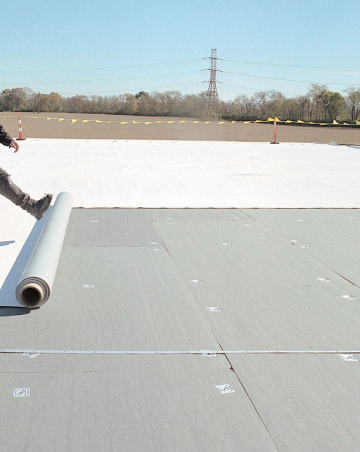
What a Commercial Roof Inspection Includes in Belleville, IL
Belleville’s temperature swings and spring rain put steady stress on commercial roofs, so our inspections focus on the areas where problems start. Here is what we check, and what you’ll have in hand when we’re done:
Seam & Membrane Review
On flat and low-slope roofs, seams and membrane surfaces take the brunt of Belleville's temperature swings year after year. We check for splits, bubbling, shrinkage, and areas where the membrane has begun to pull away from terminations or parapets, since those are the spots most likely to let water in before visible damage appears inside your facility.
Drainage System Check
Clogged or slow-draining outlets cause water to sit on the roof longer than it should, which puts extra stress on seams and increases the risk of leaks. We check internal drains, scuppers, and any secondary overflow outlets to confirm they are clear and flowing correctly for your building's roof layout.
Rooftop Equipment Review
HVAC curbs, pipe boots, vent stacks, and other rooftop openings are among the most common leak sources on commercial buildings in the Belleville area. We inspect the flashing and sealants around each opening for gaps, cracks, or separation that could allow water to work its way into the roofing system.
Written Condition Report for Your Records
After the inspection, you receive a written summary of findings with photos of any problem areas. The report can be used to track your roof's condition over time, plan future maintenance budgets, and give property managers or building owners a clear record of what was found and when.
Frequently Asked Questions
Got questions about your roof? We’ve got answers. From maintenance tips to insurance claims and repair timelines, our FAQ section covers the most common concerns homeowners have. Get informed and make confident decisions about protecting your home.
How does Belleville's spring rain season affect what gets flagged during a commercial roof inspection?
Low-slope roofs that look fine in dry conditions often reveal drainage problems, slow-moving scuppers, or ponding areas that hold water for a day or two after rain. An inspection done just before spring gives you a chance to clear and correct those issues while the roof is dry and accessible. If an inspection happens after a heavy rainstorm, it can show where water is collecting and where leaks are appearing around fasteners, curbs, and drains, so either timing has value.
What does it mean when a commercial roof has multiple repair layers, and why does that matter during an inspection?
Over time, some commercial buildings end up with repairs patched on top of older repairs, sometimes without a full tear-off in between. Those layered areas can hide moisture that has worked its way into the roofing system without ever showing up as an obvious interior leak. During an inspection, those sections get closer attention because failure points are often buried under the surface. A visual inspection can flag warning signs such as soft spots, blistering, and failed patches, but confirming trapped moisture may require additional testing.
Do rooftop HVAC units need to be shut down or moved for a commercial roof inspection?
No, the units stay in place and running during the inspection. The focus around rooftop equipment is on the curbs, flashing, and sealants around the openings, not on the mechanical systems themselves. Those connection points between the equipment and the roof membrane are among the most common places leaks develop on commercial buildings in this area, so they get a thorough look without any disruption to your building's operations.
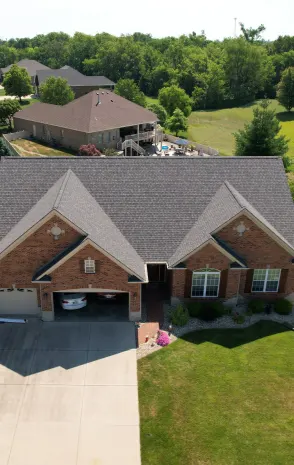
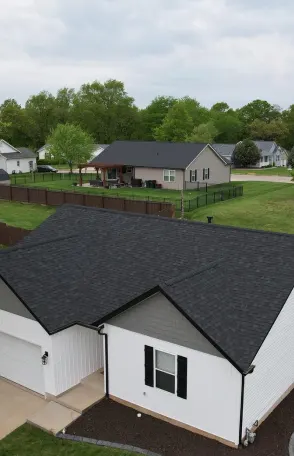
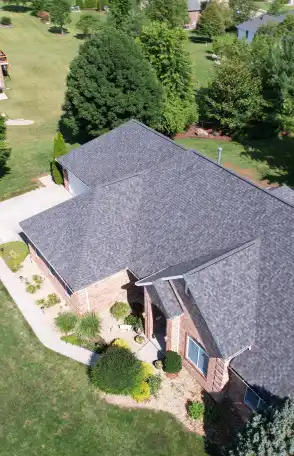
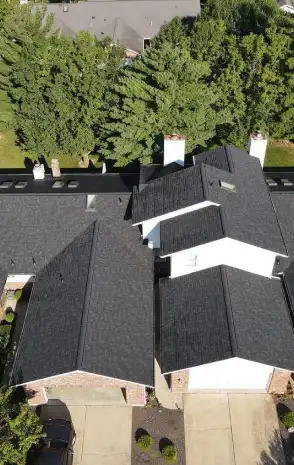
Our Work Speaks For Itself
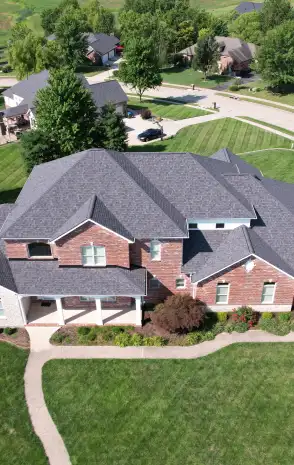
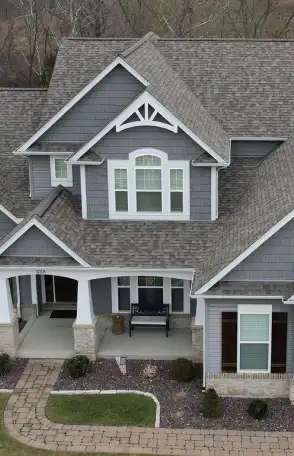
Our completed roofing projects reflect our commitment to quality, durability, and craftsmanship. From repairs to full installations, every job is done with attention to detail and built to last.

Our Client Feedback
Our work is best told through our customers. Whether it’s a quick repair or a full roof replacement, Total Roofing delivers reliable roofing done right.
View more arrow_forward











Professional Guidance and Consultation for All Roofing & Remodeling Projects
If you would like a free estimate for a new roof, please contact your nearest office location listed below. You may also submit an inquiry through the contact form, and a member of our team will respond promptly.
- done_allFree, detailed roof inspection by certified professionals Free
- done_allAccurate estimates with transparent pricing 100% Trusted
- done_allNo obligation and no pressure to commit
- done_allFast response and timely project scheduling
- done_allHigh-quality materials and skilled workmanship
- done_allDedicated support from consultation to completion








Get Your Free Professional Roof Inspection