

 call(618) 719-6767 call


Proudly Serving Homeowners Across Missouri
Emergency Roof Repair in Belleville, IL
5.0 Stars - Based on 224 User Reviews
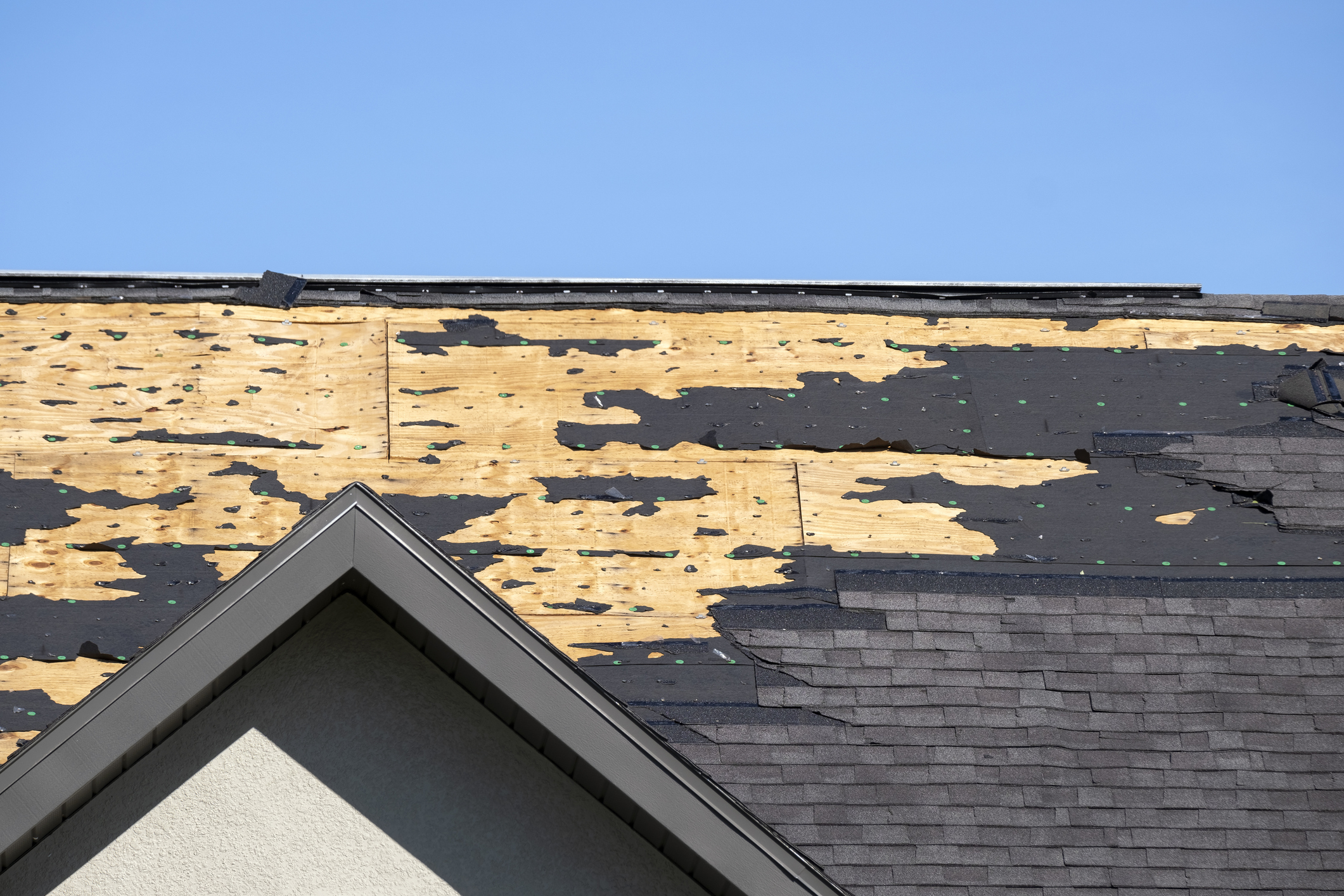
Belleville sits squarely in the path of some of the Midwest's most punishing weather. Spring and summer bring hail, high winds, and the occasional tornado, while winter drops temperatures well below freezing and piles on snow that older roofs weren't built to handle. With around 50 inches of annual precipitation spread across more than 150 days of rain and snow, your roof rarely gets a break. Hail is the leading trigger for emergency calls across the Metro East region, and for good reason. A single storm can crack or strip shingles, damage flashing, and open up your home to leaks within minutes. When that happens, the longer you wait, the more water works its way into your ceilings, walls, and framing.
That's exactly where Total Roofing comes in. As a local roofing contractor serving Belleville and the surrounding St. Clair County area, we understand how fast conditions can change and how much is at stake when your roof is compromised. Emergency roof repair isn't just about patching a problem. It's about protecting your home and everything inside it before the next round of weather arrives. We respond quickly, get the damaged area secured, and give you a clear picture of what comes next.
Belleville also has a strong inventory of historic brick homes, many with aging roofing systems that need careful handling during emergency repairs. Whether your home is decades old or recently built, the goal is the same: stop the damage, protect your property, and set you up for a lasting repair you can count on.
How Emergency Roof Repair Works in Belleville, IL
An emergency roof repair should begin with protecting your home and giving you a clear understanding of what needs to happen next. Total Roofing focuses on stabilizing the damage, identifying the source of the problem, and completing the necessary repairs as efficiently as conditions allow.
- Step 1: Immediate Response and Triage
We respond as quickly as possible to evaluate the situation and determine how urgently your roof needs attention. Our priority is identifying active leaks, assessing the extent of the damage, and determining the safest way to prevent the problem from getting worse. - Step 2: Temporary Stabilization and Protection
If immediate protection is needed, we secure the damaged area with temporary waterproof coverings to help prevent additional leaks until permanent repairs can be completed. The temporary protection is installed carefully to safeguard your home while the repair plan is finalized. - Step 3: Complete Inspection Once Stabilized
After your home is protected, we perform a thorough inspection of the damaged area and the surrounding roof components. We examine shingles, flashing, underlayment, and other materials that may have been affected, including damage that is not immediately visible. For older or historic homes, we take additional care to evaluate existing materials while minimizing unnecessary disturbance. - Step 4: Permanent Repair Planning and Execution
Once the inspection is complete, we explain our findings, review the recommended repairs, and outline the work involved before anything begins. Our crew completes the repairs using materials appropriate for Illinois weather conditions, restoring the affected areas with attention to long-term performance. Most standard emergency repairs are completed within a few hours to a single day, depending on the extent of the damage. - Step 5: Prevention Guidance and Follow-up
After the repairs are finished, we inspect the completed work and review the results with you. We explain what was repaired, answer any questions, and identify any areas that may be worth monitoring in the future. If no additional work is needed, we will tell you that directly so you have a clear understanding of your roof's condition.
Common Causes of Emergency Roof Damage in Belleville, IL
Not every roof emergency looks the same, and knowing what typically triggers urgent repairs can help you act faster when something goes wrong. In the Metro East region, a few specific storms account for the majority of emergency calls, and each one creates its own pattern of damage that requires a different response.
| Damage Cause | Typical Roof Impact | Response Priority |
|---|---|---|
| Hail storms | Cracked, dented, or missing shingles: damaged flashing | Immediate tarping and full inspection |
| High winds and flying debris | Lifted or torn shingles: exposed underlayment | Secure damaged sections before the next storm |
| Heavy rain and snow | Leaks through weakened or aging shingles | Tarp installation to stop active leaks |
| Gradual material wear | Brittle or deteriorated shingles that fail under storm pressure | Inspection to identify vulnerable areas |
Hail is the single most common trigger for emergency roof repair calls across Belleville and the surrounding St. Clair County area. Even a brief storm can strip or crack enough shingles to leave your home exposed. For older homes with aging roofing systems, any of these storms can push a roof that was already under stress past the point of holding on on its own. Getting a professional out quickly gives you a clear picture of the damage before conditions change and the situation gets worse.
Heavy-Duty Tarp Installation That Actually Holds
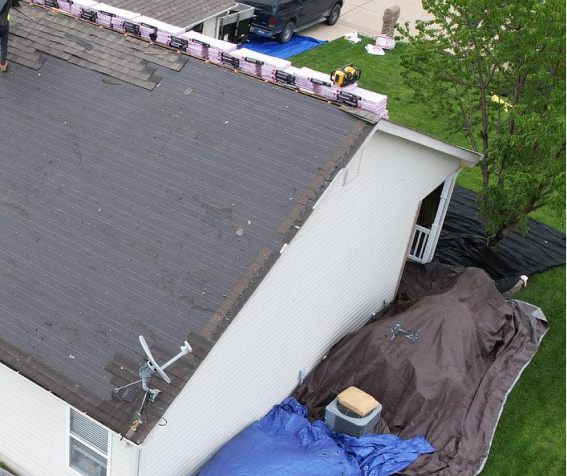
Not all tarping is done the same way. We use heavy-duty polyethylene tarps anchored to protect your roof structure, not just draped over the surface, so the cover stays put through wind, rain, and whatever Illinois weather throws at it next. A properly secured tarp can hold for several weeks, giving you a real window to plan permanent repairs without the pressure of an active leak overhead.
Flashing Repair and Shingle Replacement
Hail and high winds don't just crack shingles; they also damage the flashing around chimneys, vents, and valleys where leaks are most likely to start. We address both the shingles and the flashing as part of the repair, not as separate jobs, so you are not left with a patchwork fix that misses the entry points water is already using.
Specialized Handling for Older and Historic Homes
Many homes in the Belleville area are older brick structures with roofing systems that require careful handling to avoid damaging original materials during emergency work. We know how to work on these properties without making the situation worse, and when possible, we match replacement materials to what is already on the roof so the repair doesn't stand out.
Scalable Response from Spot Repair to Full Replacement
Some storm damage is limited to a few shingles. Other times, a thorough look reveals that the roof has been compromised beyond what a spot fix can address. We handle both ends of that spectrum, from targeted emergency repairs completed in a few hours to full replacements when the damage is too widespread for anything less, so you get the right scale of work for your specific situation.
Get Emergency Roof Repairs Done in Belleville, IL
Living in the Metro East means your roof faces real stress year-round, from spring hail and wind storms to freezing winters that test even well-maintained shingles. Catching damage early and getting it properly secured keeps a manageable repair from growing into something far more expensive. Your home's value and the condition of what's inside it depend on how quickly the roof gets stabilized after something goes wrong.
Total Roofing is here when you need that response. If your roof has been damaged and you are not sure what you are dealing with, reaching out is the right first step. We will take a look, give you a straight answer about the damage, and get your home protected. No pressure, just a clear path forward when you need it most.
Frequently Asked Questions
Got questions about your roof? We’ve got answers. From maintenance tips to insurance claims and repair timelines, our FAQ section covers the most common concerns homeowners have. Get informed and make confident decisions about protecting your home.
My roof only lost a few shingles in the storm. Do I really need emergency service, or can it wait a few days?
Even a small number of missing shingles can leave your underlayment exposed to whatever weather rolls through next, and Belleville rarely goes long between storms. The open plains' wind patterns across the Metro East region also mean wind-driven rain can push water sideways under adjacent shingles that look fine from the ground. What starts as a few missing shingles can quietly allow water to reach your roof decking and framing before you ever notice a stain on the ceiling.
How long does an emergency tarp hold up on a Belleville home, and what affects that?
A properly anchored heavy-duty tarp typically holds for several weeks, which is enough time to get through a permanent repair schedule in most cases. That said, the condition of your roof's surface and how much intact structure surrounds the damaged area both affect how securely the tarp can be anchored. On older homes with worn roof decking or original materials, installation requires extra attention to make sure the tarp doesn't shift during the high winds this area is known for.
Does hail damage always show up right away, or can it be hidden after a storm passes?
Hail hits are sometimes obvious, with visibly cracked or missing shingles, but a lot of the damage works quietly beneath the surface. Granules get knocked loose from the shingles, which accelerates wear and leaves those areas far more vulnerable to leaks the next time it rains hard. A professional inspection after a significant hailstorm is the only reliable way to catch that kind of damage before it shows up as a leak inside your home weeks later.
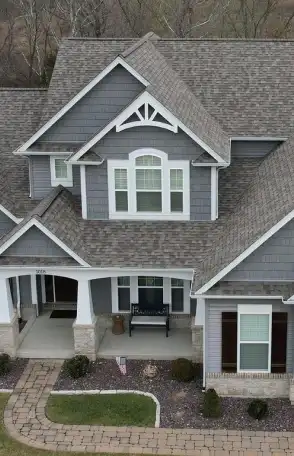
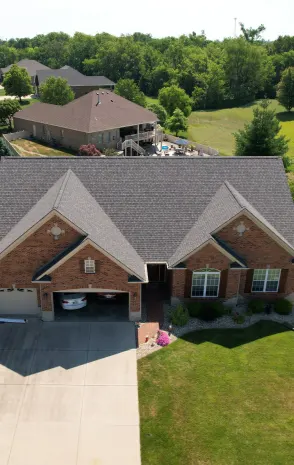
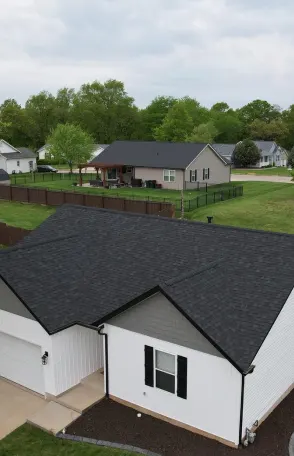
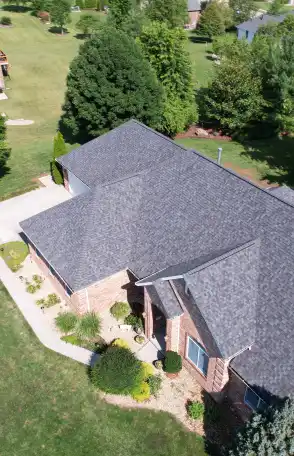
Our Work Speaks For Itself
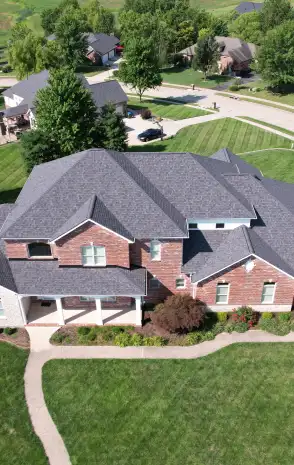
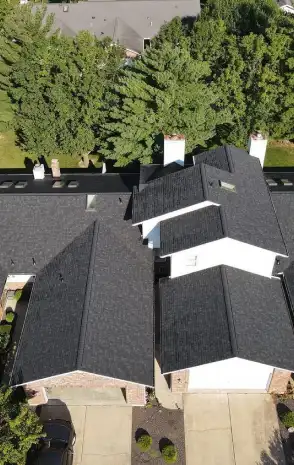
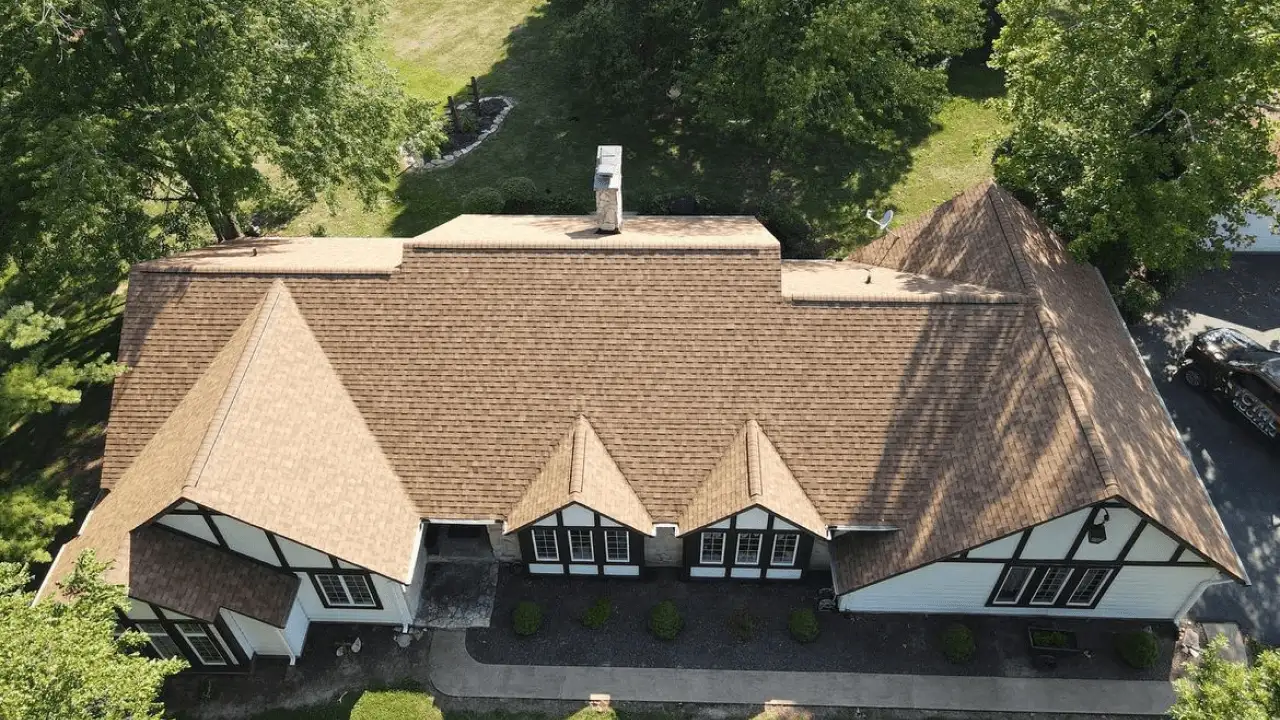
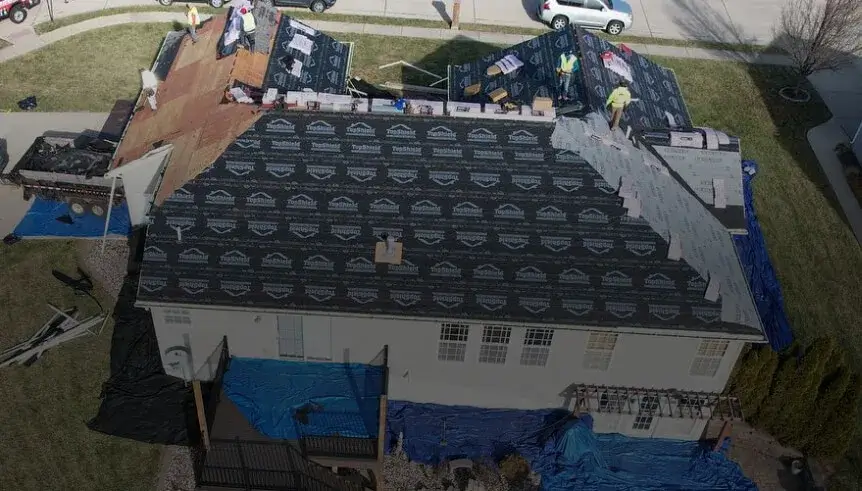
Our completed roofing projects reflect our commitment to quality, durability, and craftsmanship. From repairs to full installations, every job is done with attention to detail and built to last.

Our Client Feedback
Our work is best told through our customers. Whether it’s a quick repair or a full roof replacement, Total Roofing delivers reliable roofing done right.
View more arrow_forward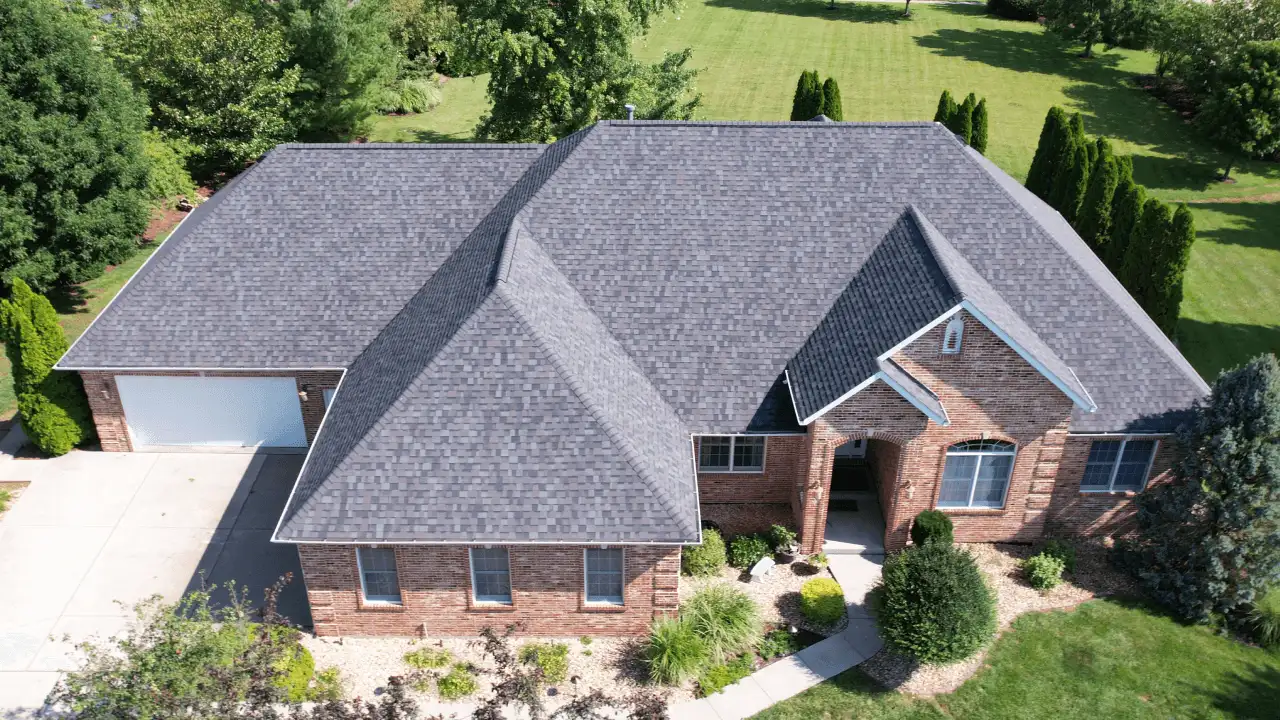






Professional Guidance and Consultation for All Roofing & Remodeling Projects
If you would like a free estimate for a new roof, please contact your nearest office location listed below. You may also submit an inquiry through the contact form, and a member of our team will respond promptly.
- done_allFree, detailed roof inspection by certified professionals Free
- done_allAccurate estimates with transparent pricing 100% Trusted
- done_allNo obligation and no pressure to commit
- done_allFast response and timely project scheduling
- done_allHigh-quality materials and skilled workmanship
- done_allDedicated support from consultation to completion










Get Your Free Professional Roof Inspection