

 call(618) 719-6767 call


Proudly Serving Homeowners Across Missouri
Storm Damage Roof Repair in Chesterfield, MO
5.0 Stars - Based on 222 User Reviews
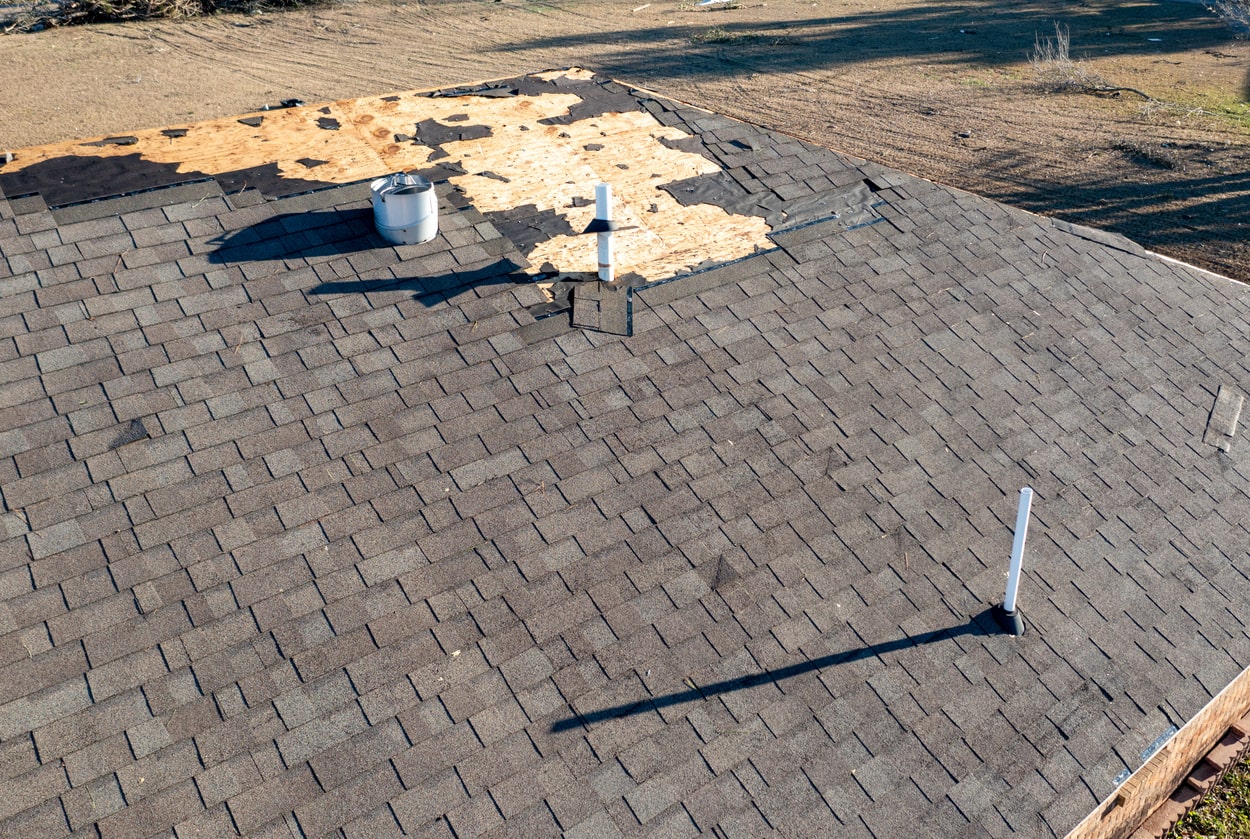
Chesterfield sits in a part of Missouri where the weather doesn't ease up. Spring and fall bring some of the most intense storms in the region, with hail, high winds, and heavy rain arriving fast and leaving real damage behind. The area's rolling terrain and mature tree cover only add to the risk, since high winds send branches onto roofs that are already dealing with impact from hail and wind uplift. Many homes here were built between the 1980s and early 2000s, and asphalt shingle roofs from that era take a beating during storm season. What makes it harder is that a lot of the damage isn't obvious from the ground. Hail can crack the internal structure of a shingle while the surface still looks mostly intact, and compromised seals along edges and valleys let water in long before you notice anything inside your home.
That's where Total Roofing comes in. As a local roofing contractor familiar with the specific conditions that affect Chesterfield homes, we know what to look for after a storm and how to make repairs that hold up through the region's sharp temperature changes, summer humidity, and winter freezes. A complete post-storm inspection can catch hidden damage early, and getting repairs done after storm damage during the right seasonal window keeps the work quality where it needs to be for lasting results. Waiting too long turns a minor issue into a much bigger one, and your home deserves better than a temporary fix that fails before the next storm rolls through.
How Storm Damage Roof Repair Works in Chesterfield, MO
Storm damage creates uncertainty, so the process is built to make each step clear and verifiable.
- Step 1: On-Roof Assessment
A technician evaluates the roof directly, checking impact zones, seal lines, and transition points where failures tend to start. Attention is given to subtle indicators like granule displacement patterns and lifted edges that signal wind involvement. - Step 2: Condition Breakdown
The findings are translated into a clear condition report. Instead of general statements, you get a distinction between cosmetic impact and areas that affect water resistance or structural integrity. - Step 3: Define Repair Plan
A repair plan is laid out with specific locations, methods, and material types. This focuses on isolating affected sections rather than disturbing intact areas of the roof. - Step 4: Targeted Repair Execution
Work is performed with an emphasis on integration, tying new materials into existing sections without creating weak transition points. Temporary protection is used only if conditions require staging the repair. - Step 5: Post-Repair Confirmation
Completed areas are reviewed for seal continuity, alignment, and consistency with surrounding materials. You are shown exactly where work was completed and how those sections were restored.
What Storm Damage Looks Like in Chesterfield, MO
Storm damage doesn't always announce itself with a visible hole or a missing shingle. In many cases, the real problems are subtle, and they get worse the longer they go unaddressed. Knowing what signs to watch for helps you act before a small issue turns into water damage inside your home.
- Granule loss on shingles: Hail strips the protective granule layer from asphalt shingles, leaving the surface exposed to UV degradation and accelerating wear through summer heat and humidity.
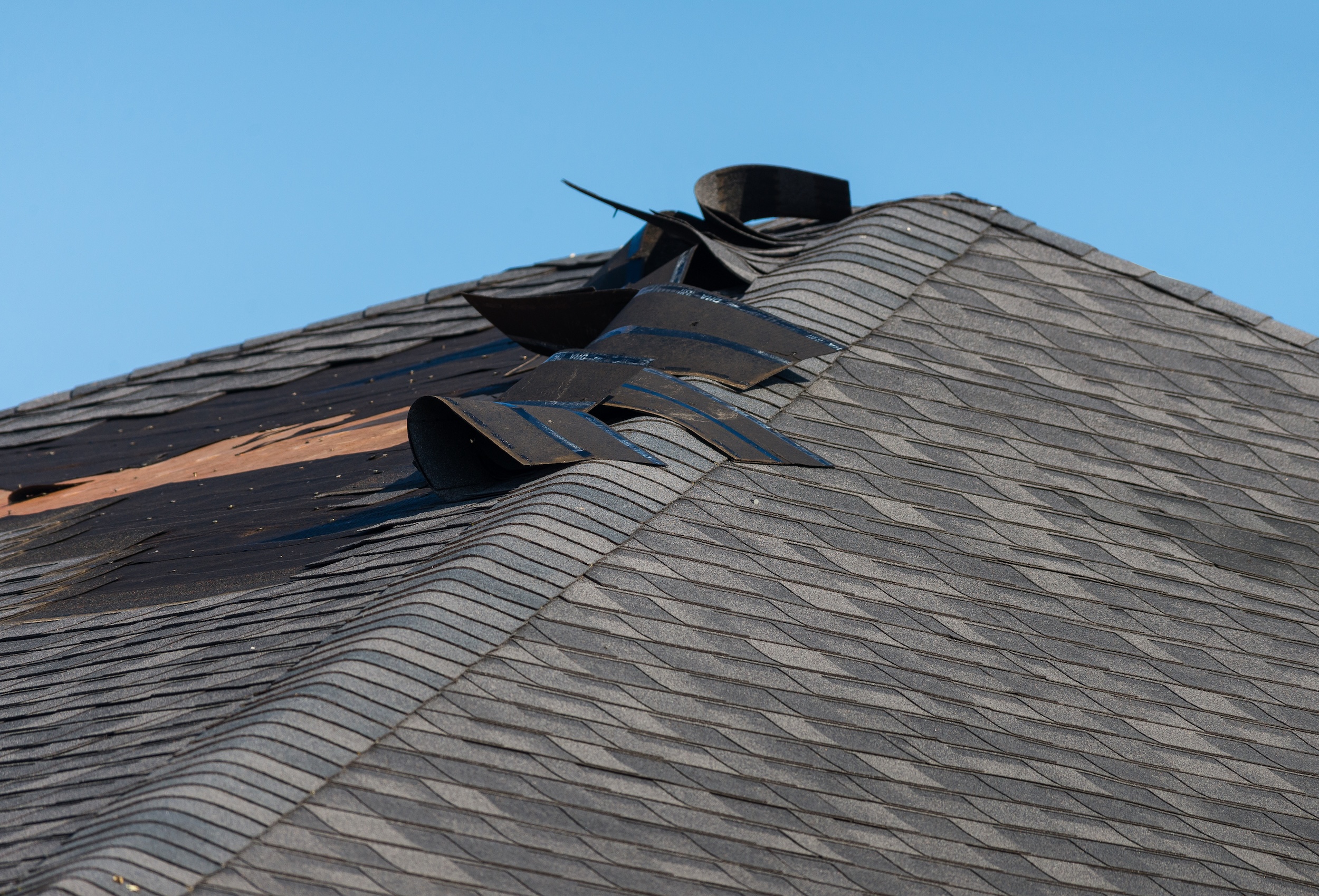
- Cracked or fractured shingles: Impact from hail or falling branches can fracture the internal structure of a shingle without fully breaking through, weakening it against future storms.
- Lifted or curling shingle edges: High winds break the seal between shingles, allowing wind-driven rain to push underneath and reach the underlayment and roof decking below.
- Damaged or separated flashing: Flashing around chimneys, vents, and valleys is particularly vulnerable to wind uplift and temperature changes, and failed flashing is a common source of leaks.
- Water stains on interior ceilings: By the time staining appears inside, the roof has likely been leaking for a while. This is usually a sign that damage was present but went undetected after a storm.
Older homes built in the 1980s and 1990s are especially prone to these issues, since the original fastening systems and materials have had decades of weather exposure before a major storm even hits.
Hail Impact Repair for Asphalt Shingles
Chesterfield's spring and fall storm seasons regularly bring hail that dents, cracks, and strips shingles in ways that shorten their remaining lifespan significantly. Repairs target both the surface damage and the underlying structure, using materials matched to your existing roof so the repaired sections perform just as well as the ones around them.
Flashing Replacement and Resealing
Wind and temperature changes put constant stress on the metal flashing around chimneys, vents, and roof valleys, and storm conditions accelerate that wear fast. Replacing or resealing compromised flashing closes off one of the most common entry points for leaks and keeps water from working its way into the roof decking and framing below.
Underlayment and Roof Deck Repair
When wind-driven rain gets under lifted shingles, it doesn't stop at the surface. If the underlayment or wooden roof decking below has absorbed moisture, those layers need to be addressed directly so the new shingles above have a solid, dry base to bond to.
Permit Coordination for Qualifying Repairs
Chesterfield requires permits for roof repairs that exceed certain size thresholds, with specific standards around fastening and material matching in storm-prone areas. Total Roofing handles the permit process upfront so your repair meets local code requirements and there are no delays once the work begins.
Get Storm Damage Repaired in Chesterfield, MO
Chesterfield's weather cycles don't leave much room for delay. The seasons that bring the most damaging storms also create the best window for quality repairs, and acting before that window closes keeps your home protected through whatever comes next. Addressing storm damage quickly means the work gets done under the right conditions, materials seal properly, and you're not left with a weakened roof heading into winter.
Total Roofing works with homeowners across Chesterfield and the surrounding area who want straightforward answers and repairs done right the first time. If your roof took a hit in a recent storm or you haven't had it looked at since the last storm, reaching out is the right first step. We're here to help you figure out what you're dealing with and get it handled.
Frequently Asked Questions
Got questions about your roof? We’ve got answers. From maintenance tips to insurance claims and repair timelines, our FAQ section covers the most common concerns homeowners have. Get informed and make confident decisions about protecting your home.
Does the age of my roof affect what kind of storm repairs are possible?
It can, and it's worth knowing upfront. Many Chesterfield homes built in the 1980s and 1990s have roofs with fastening systems that predate current storm-resistance standards, which means repeated weather exposure may have weakened the structure beyond just the visible damage. In some cases, a targeted repair is still the right call, but an inspection will reveal whether the surrounding areas are stable enough to support it or whether a broader approach makes more sense.
Can hail damage a roof without leaving marks I can see from my yard?
Yes, and this is one of the most common surprises homeowners in Chesterfield encounter after a storm. Hail can fracture the inner layers of an asphalt shingle while the surface still looks mostly intact, and that internal damage speeds up deterioration through summer heat, humidity, and temperature swings. The only reliable way to catch it is to get someone on the roof who knows what to look for beneath the surface.
Why do some storm repairs in Chesterfield require permits when others don't?
Local code sets a size threshold for roof repairs, and once a repair crosses that line, a permit is required to ensure the work meets standards for fastening and material matching in storm-prone areas. This matters more than most homeowners realize because unpermitted work can create complications if you sell your home or if the roof sustains further damage down the road. A contractor familiar with Chesterfield's requirements should handle permit coordination before work begins, not after.
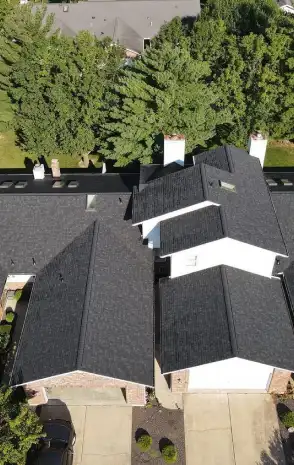
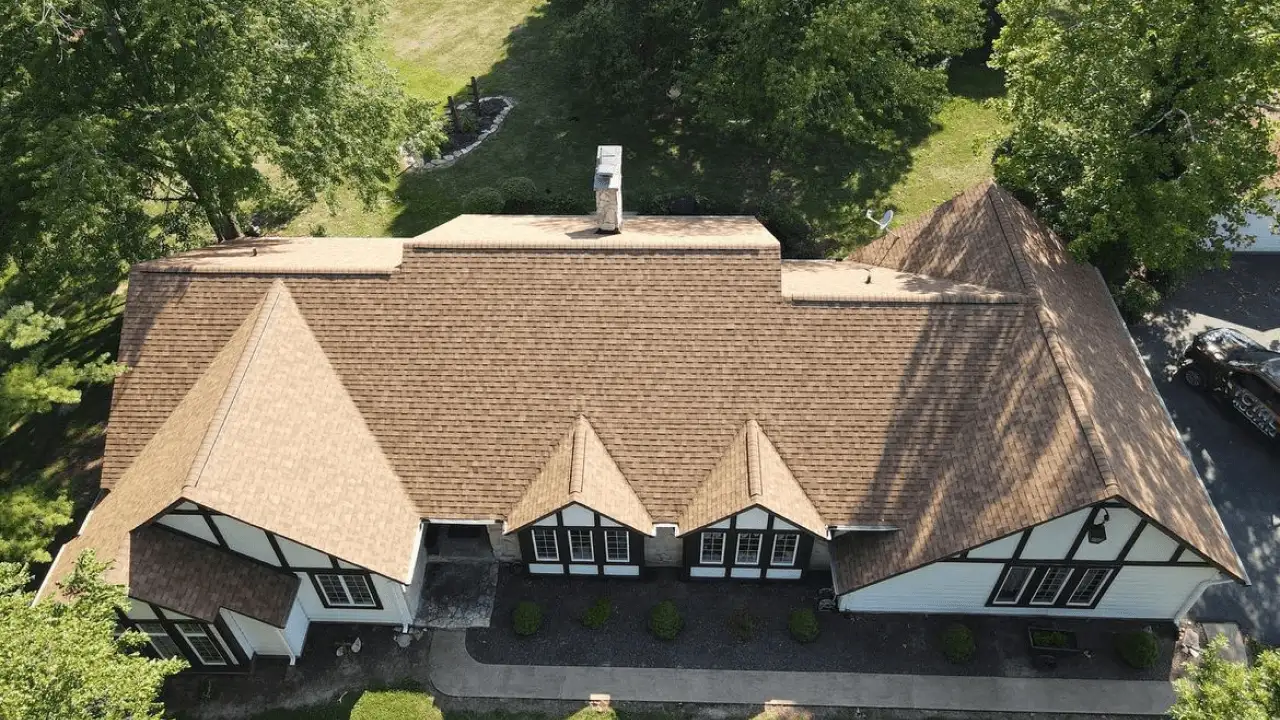
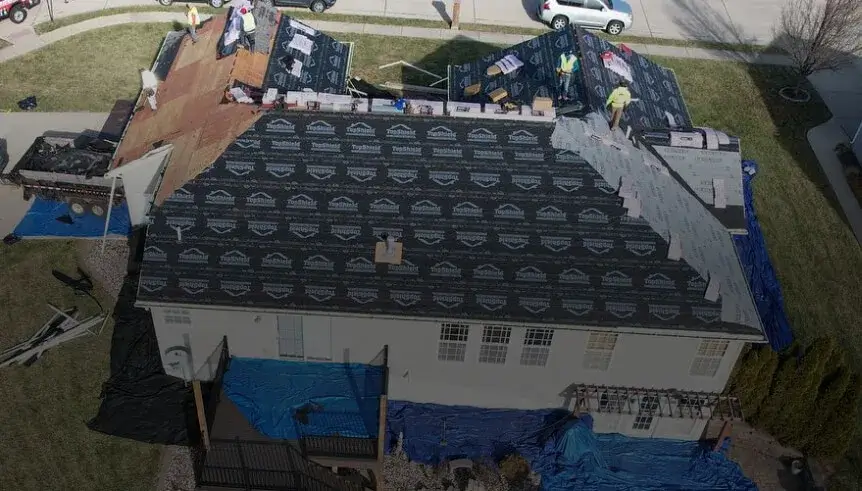
Our Work Speaks For Itself
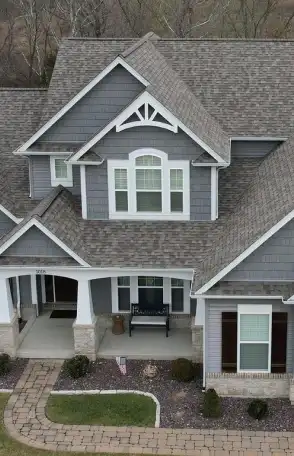
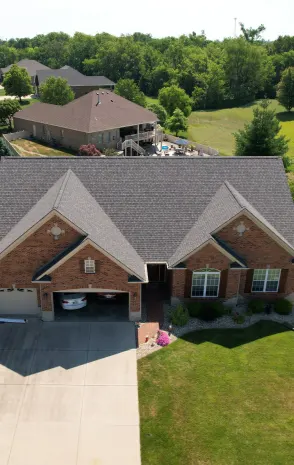
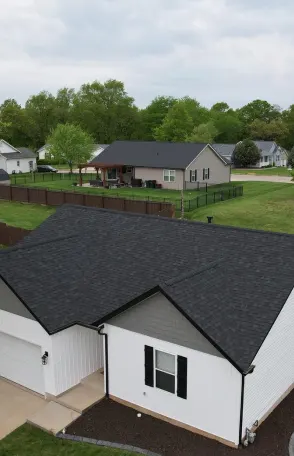
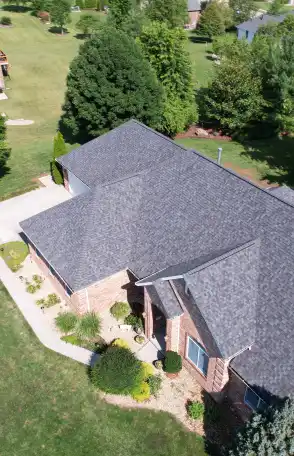
Our completed roofing projects reflect our commitment to quality, durability, and craftsmanship. From repairs to full installations, every job is done with attention to detail and built to last.

Our Client Feedback
Our work is best told through our customers. Whether it’s a quick repair or a full roof replacement, Total Roofing delivers reliable roofing done right.
View more arrow_forward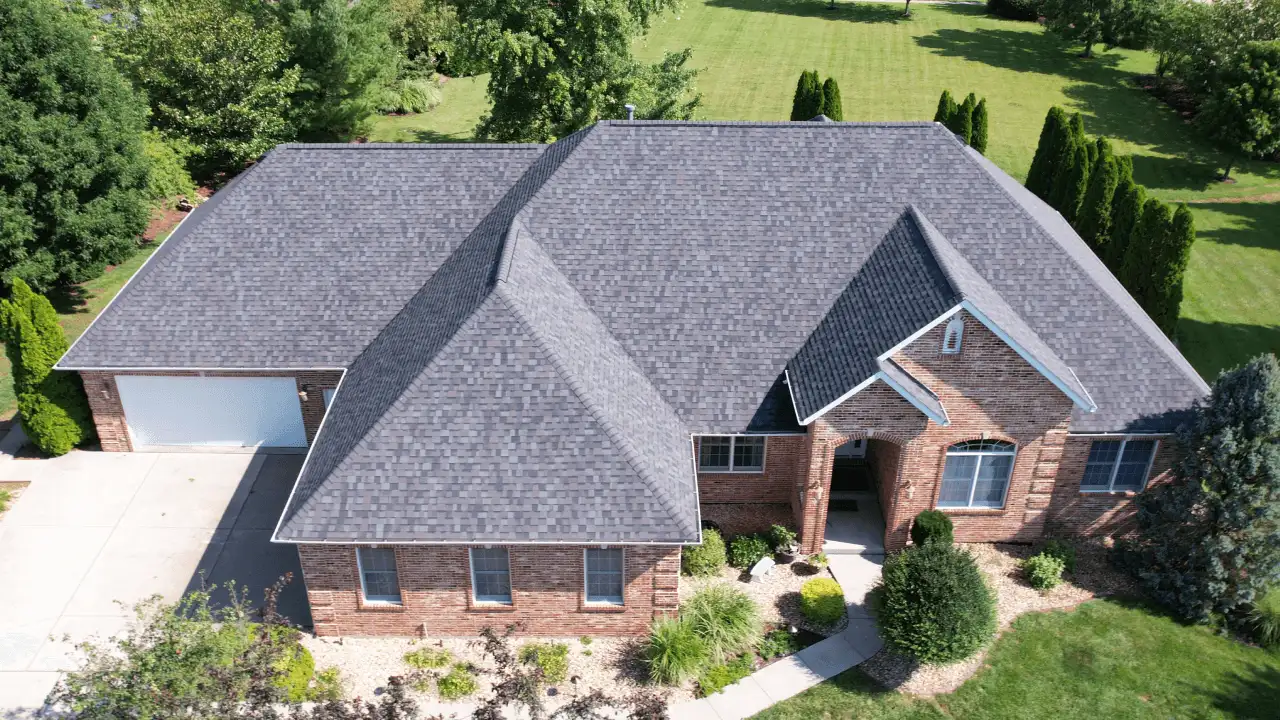




Professional Guidance and Consultation for All Roofing & Remodeling Projects
If you would like a free estimate for a new roof, please contact your nearest office location listed below. You may also submit an inquiry through the contact form, and a member of our team will respond promptly.
- done_allFree, detailed roof inspection by certified professionals Free
- done_allAccurate estimates with transparent pricing 100% Trusted
- done_allNo obligation and no pressure to commit
- done_allFast response and timely project scheduling
- done_allHigh-quality materials and skilled workmanship
- done_allDedicated support from consultation to completion









Get Your Free Professional Roof Inspection