

 call(618) 719-6767 call


Proudly Serving Homeowners Across Missouri
Commercial Roof Replacement in Columbia, IL
5.0 Stars - Based on 224 User Reviews
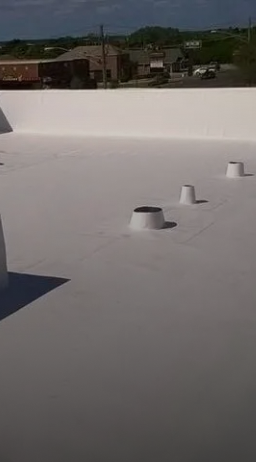
Columbia sits in the heart of southern Illinois, where summer heat pushes temperatures into the 90s, winter cold brings snow and hard freezes, and the region sees around 40 inches of rainfall most years. That cycle of heat, moisture, and temperature changes puts real stress on commercial roofing systems, especially flat and low-slope roofs where water has nowhere to go quickly. When seams separate, flashing pulls away, or drainage gets compromised, the damage builds quietly until a small problem becomes a major repair job affecting your tenants, your operations, and your building's structure.
A full commercial roof replacement addresses those problems at the source. Instead of patching a system that's already breaking down, replacement gives your facility a new roofing membrane, updated flashing, and the kind of drainage details that hold up against Midwest weather patterns. Total Roofing has worked with commercial property owners and building managers throughout the Columbia area, and we understand the specific demands this region puts on roofing systems, from storm wind exposure to the slow wear that comes from years of temperature movement and standing water.
Whether your current roof is showing persistent leaks, visible surface damage, or simply reaching the end of its service life, replacement is often the more practical path forward for larger commercial buildings. The right system, installed correctly, protects your property and keeps maintenance demands manageable for years to come.
How Commercial Roof Replacement Works in Columbia, IL
Every commercial roof replacement follows a series of important steps, and understanding the process ahead of time makes it easier to plan for your building, your occupants, and your day-to-day operations.
- Step 1: Roofing System Evaluation
Before discussing materials or scheduling, we perform a thorough assessment of the existing roof. We examine the membrane, seams, flashing, drainage components, and any locations showing signs of standing water or deterioration. Evaluating the entire system allows us to understand the roof's condition before recommending the next course of action. - Step 2: Replacement Assessment
After the evaluation, we review our findings with you in straightforward terms. If repairs are capable of providing additional reliable service life, we will recommend that option. When the roof's condition, remaining lifespan, or overall deterioration makes replacement the better investment, we explain the reasons behind that recommendation. - Step 3: System Selection and Project Planning
If replacement is the appropriate solution, we help you compare roofing systems that fit your facility, operational needs, and budget. We also review project requirements, anticipated scheduling, permitting considerations, and a detailed written estimate that outlines every phase of the planned work before construction begins. - Step 4: Roof Replacement
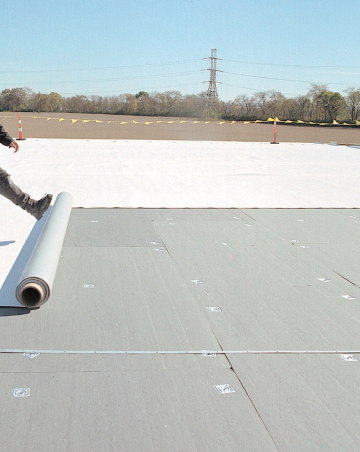
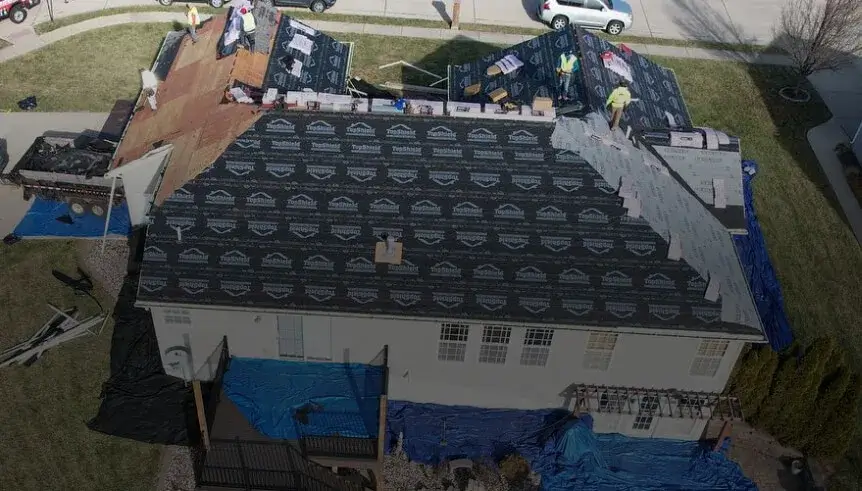
Once the project is underway, the existing roofing system is removed, the roof deck is evaluated, and the new system is installed according to the approved plan. Throughout the installation, careful attention is given to drainage, flashing transitions, gaps, and other important details while coordinating the work to reduce disruption to normal business activities. - Step 5: Project Completion Review
Before the project is complete, we perform a final inspection of the finished roof and review the installation with you. We verify key roofing details, answer any remaining questions, and make sure you have a clear understanding of the completed system before the project is officially wrapped up.
Choosing the Right Roofing System in Columbia, IL
Not every commercial roof replacement calls for the same solution. The right material depends on your building's slope, size, existing structure, and how much maintenance you want to manage long term. Here is a quick look at the systems commonly used for commercial replacements in this area and what each one is suited for.
| Roofing System | Best Suited For | Key Advantage |
|---|---|---|
| TPO | Flat and low-slope roofs | Reflects heat well during hot summers and resists moisture buildup |
| EPDM | Flat roofs with simple layouts | Handles repeated temperature changes without cracking or pulling apart |
| Modified Bitumen | Low-slope roofs with heavy foot traffic | Durable layered system that holds up well in wet, variable conditions |
| Metal Roofing | Sloped commercial roofs | Long service life with strong wind and storm resistance |
Columbia's weather patterns make material selection genuinely important. Flat and low-slope roofs are common on commercial buildings here, and those surfaces deal with standing water, UV exposure in summer, and stress from temperature movement in winter. The system you choose affects how your roof performs across all of those conditions, not just on installation day. A material that works well in a dry climate may not hold up the same way here, so the conversation about options is worth having carefully before any work begins.
Tear-Off and Roof Deck Preparation
Before any new membrane goes down, your existing roofing material is fully removed, and the roof deck underneath is carefully checked for soft spots, rot, or structural damage. Skipping this step is one of the most common shortcuts that leads to early failures, and we don't take it.
Flashing and Gap Details
Every pipe, HVAC unit, vent, and roof edge gets properly flashed and sealed as part of the replacement. These transition points are where most commercial roofs eventually fail, so getting the details right here is just as important as the membrane itself.
Drainage and Slope Corrections
If your current roof has areas where water pools and sits, replacement is the opportunity to correct that before it becomes a recurring problem. Proper drainage is built into the installation, not treated as an afterthought, because standing water is one of the fastest ways to shorten the life of a flat or low-slope system in a wet climate like southern Illinois.
Permit Compliance and Code Requirements
Commercial roof replacements in Columbia typically require a building permit, and local code can affect insulation depth, fastening methods, and ventilation details. We handle the permit side of the project and make sure the finished installation meets current requirements, so you are not left dealing with compliance questions after the job is done.
Plan Your Commercial Roof Replacement in Columbia, IL
A new roofing system is one of the more significant investments you can make in a commercial property, and the payoff is practical. You reduce the risk of leaks disrupting your tenants, lower the likelihood of expensive repairs down the road, and extend the useful life of the building itself. Southern Illinois weather is not easy on roofing systems, and having a replacement done correctly means your facility is set up to handle what this region delivers year after year, not just for a season or 2.
When you are ready to move forward, or just want a clearer picture of what your roof actually needs, Total Roofing is a straightforward call or message away. We work with commercial property owners and building managers throughout the Columbia area and are happy to start with a simple inspection to help you make an informed decision.
Frequently Asked Questions
Got questions about your roof? We’ve got answers. From maintenance tips to insurance claims and repair timelines, our FAQ section covers the most common concerns homeowners have. Get informed and make confident decisions about protecting your home.
Does the time of year actually matter for scheduling a commercial roof replacement in Columbia?
It does, and it's worth planning around. The St. Louis metro region gets stretches of heavy rain in spring and significant heat in summer that can slow installation and affect how certain membrane materials cure and seal. Late spring and early fall tend to offer the most cooperative conditions for larger commercial projects, though urgent situations like active leaks don't always allow for perfect timing. If your roof is failing now, waiting for ideal weather usually makes things worse, so the better approach is to get an inspection scheduled and let the condition of your roof guide the urgency.
What happens to the old roofing material once it's torn off, and does that affect the project timeline?
Tear-off debris is hauled away and disposed of as part of the replacement process, but on larger commercial buildings, it adds real time and labor to the project. A flat roof with a big footprint can generate a significant amount of material, especially if there are multiple layers that have been added over the years. This is one of the details worth discussing upfront, because the volume of tear-off affects how long the roof deck is exposed and how tightly the crew needs to work around weather windows to keep your building protected during the process.
Can a commercial roof replacement affect how my building handles wind, not just rain?
Absolutely, and for buildings in this area, it's a real consideration. Columbia's position in the greater St. Louis region means commercial properties, especially those with large flat or low-slope surfaces, are regularly exposed to strong storm winds. Fastening patterns, edge flashing details, and the specific attachment method used for the new membrane all factor into how well the system resists uplift during storms. A replacement done to current code standards addresses wind resistance in ways that older or poorly maintained systems typically don't, which matters more for broad commercial rooftops than most property owners initially expect.
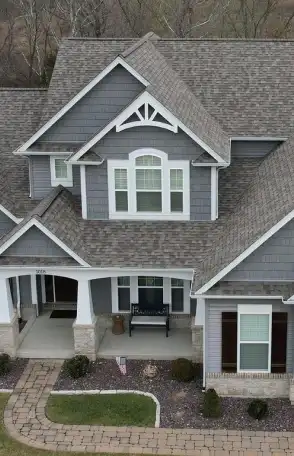
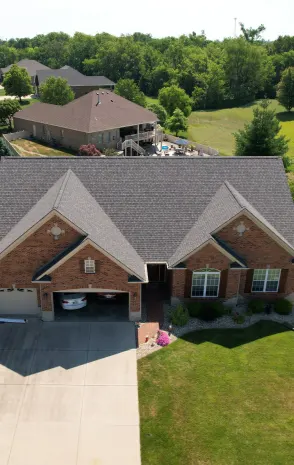
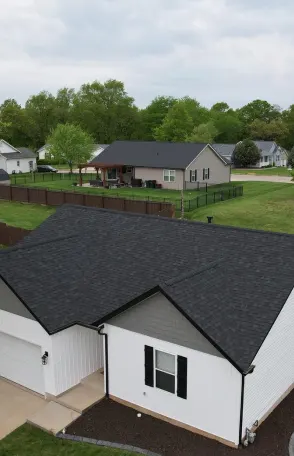
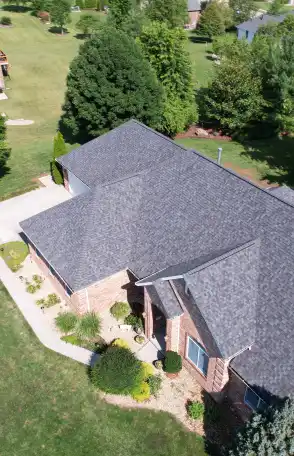
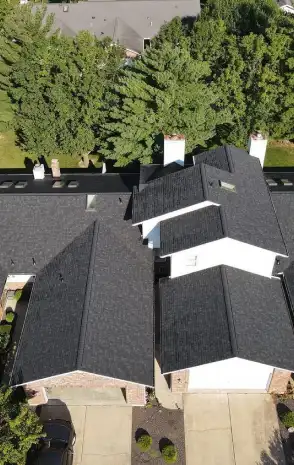
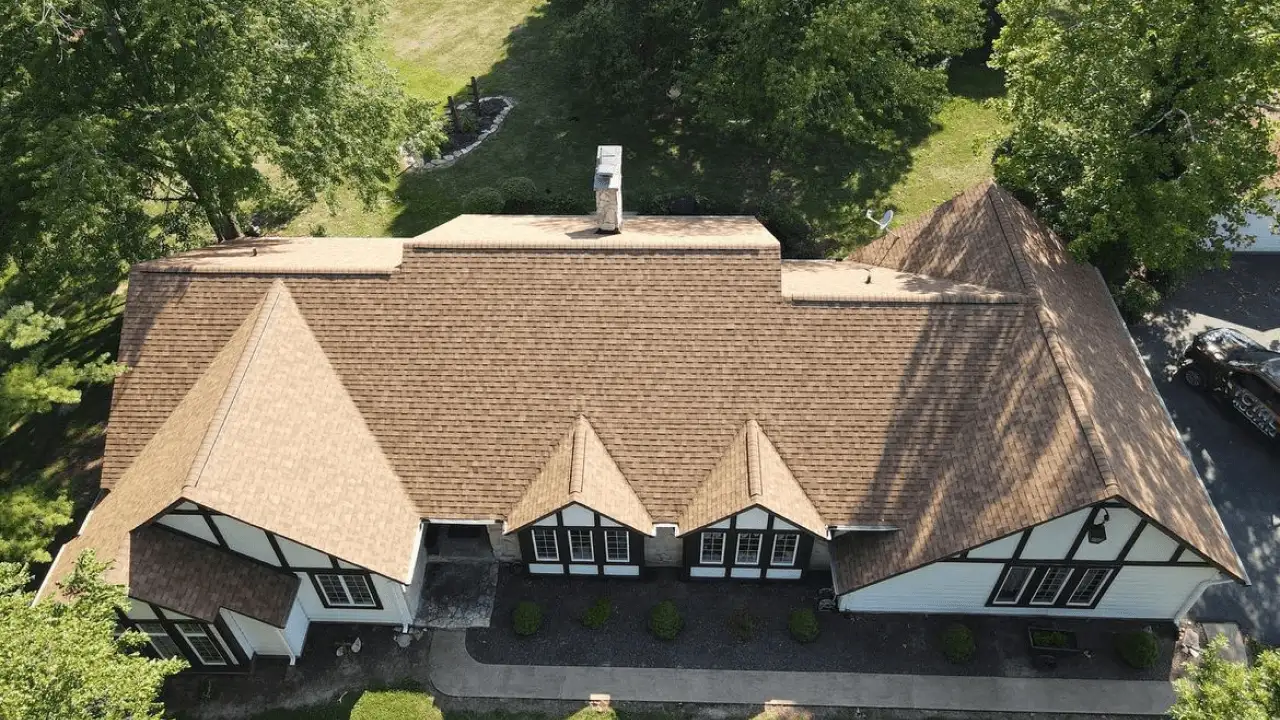
Our Work Speaks For Itself
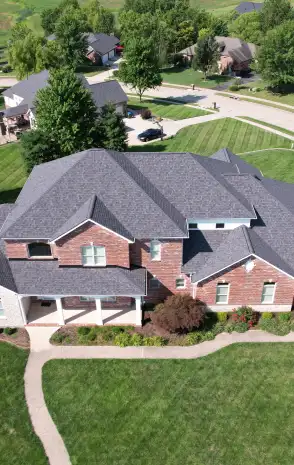
Our completed roofing projects reflect our commitment to quality, durability, and craftsmanship. From repairs to full installations, every job is done with attention to detail and built to last.

Our Client Feedback
Our work is best told through our customers. Whether it’s a quick repair or a full roof replacement, Total Roofing delivers reliable roofing done right.
View more arrow_forward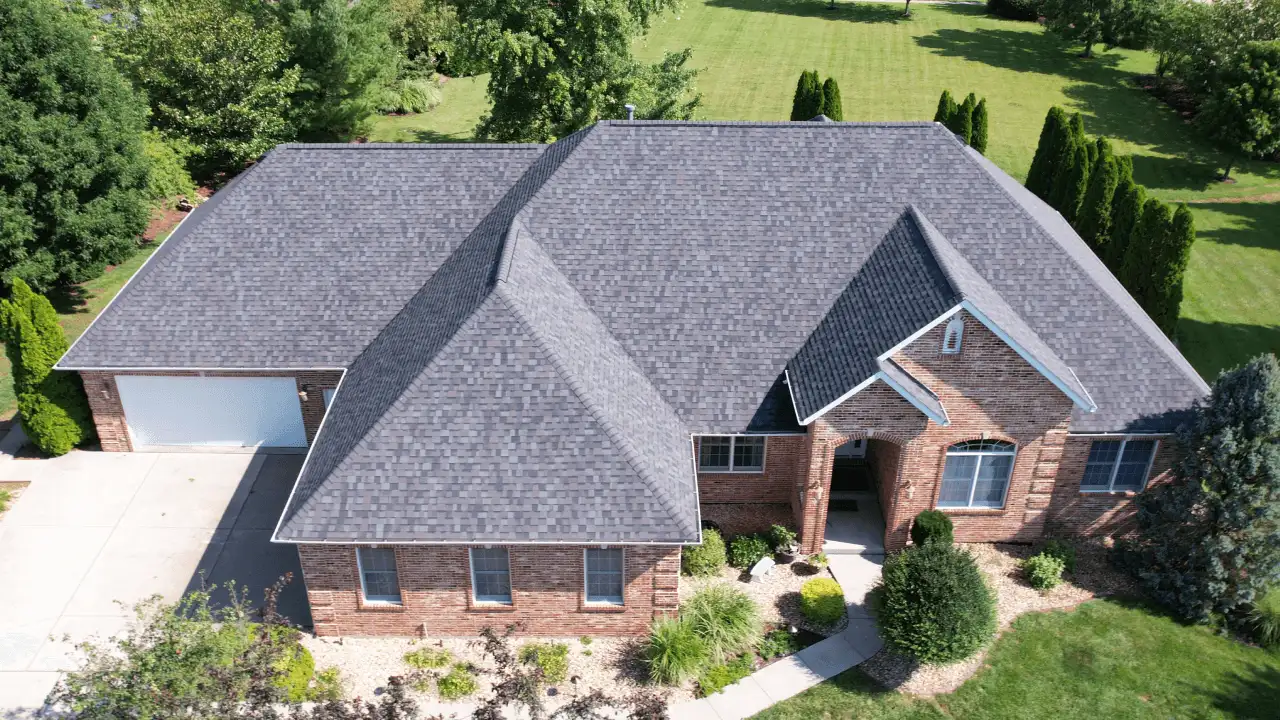






Professional Guidance and Consultation for All Roofing & Remodeling Projects
If you would like a free estimate for a new roof, please contact your nearest office location listed below. You may also submit an inquiry through the contact form, and a member of our team will respond promptly.
- done_allFree, detailed roof inspection by certified professionals Free
- done_allAccurate estimates with transparent pricing 100% Trusted
- done_allNo obligation and no pressure to commit
- done_allFast response and timely project scheduling
- done_allHigh-quality materials and skilled workmanship
- done_allDedicated support from consultation to completion






Get Your Free Professional Roof Inspection