

 call(618) 719-6767 call


Proudly Serving Homeowners Across Missouri
Emergency Roof Tarping in Columbia, IL
5.0 Stars - Based on 231 User Reviews
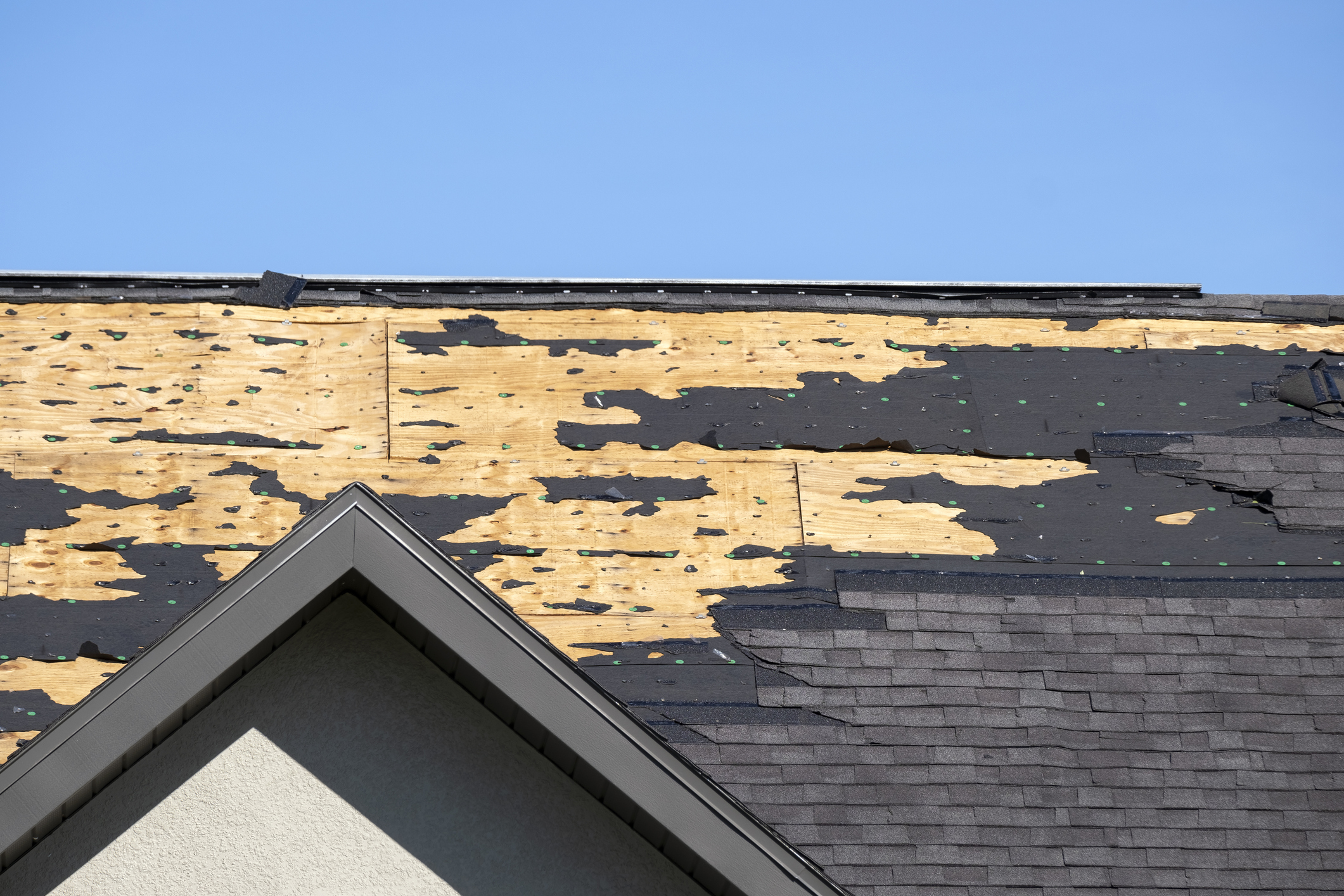
Columbia sits in a stretch of southern Illinois where the weather doesn't take it easy on rooftops. Summers bring heat, humidity, and thunderstorms that roll through Monroe County with wind-driven rain and hail. Late spring into summer is the roughest stretch, with May and July often seeing the heaviest rainfall. When a storm punches through shingles or lifts flashing, your roof is exposed, and every hour of delay means more water reaching your roof decking, insulation, and ceiling. That risk is even higher in older Columbia homes, and a large share of the housing here was built before 1980, some going back before 1940. Aged roofing materials don't take storm damage well, and a small breach can turn into a serious interior problem faster than most homeowners expect.
Emergency roof tarping is the fastest way to protect your home after storm damage opens up your roof. A properly secured tarp stops water from reaching the interior while you wait for a full repair. Total Roofing works with Columbia homeowners to get a tarp in place quickly after damage occurs, whether that's a summer hailstorm, a winter ice problem, or wind that strips shingles mid-season. The goal is simple: protect your home from further damage and give you time to plan the right repair without rushing into decisions while water is still coming in.
How Emergency Roof Tarping Works in Columbia, IL
Storm damage can leave your roof exposed and make it difficult to know what needs to happen first. Total Roofing focuses on securing the affected area, assessing the damage, and explaining what comes next so you have a clear path forward.
- Step 1: Assess the Storm Damage
When you call, we gather the essential details, including what happened, how severe the damage appears from the ground, and how long the roof has been exposed. We then work to get a crew to the property as quickly as possible so the condition can be evaluated before it changes. - Step 2: Secure the Damaged Area
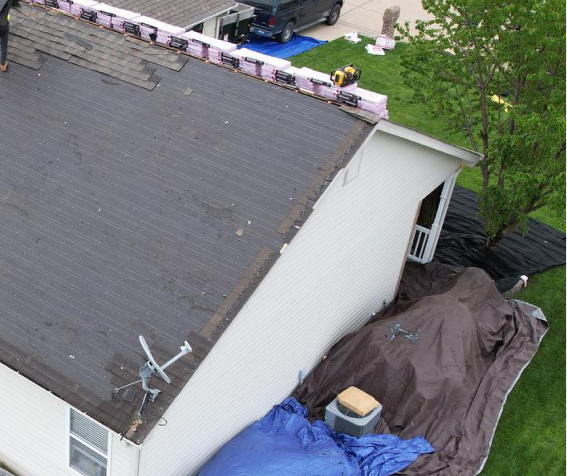
At the property, we locate the breached sections and place a heavy-duty tarp over the affected areas. The tarp is properly anchored rather than simply laid across the roof, helping keep it in place through wind and rain. When more than one section is exposed, each affected area is covered before we leave. - Step 3: Examine the Damage More Closely
Once temporary protection is in place, we take a closer look at the surrounding roofing and the areas affected by the storm. We inspect the roof decking, flashing, and nearby shingles to better understand the extent of the damage. That assessment helps determine which repairs are actually needed. - Step 4: Explain the Permanent Repair Options
We review the inspection findings with you and explain what the permanent repair will involve. When the damage can be addressed with a straightforward repair, we will tell you that directly. Our recommendations are based on the condition of the roof and the work required to address the storm damage. - Step 5: Confirm Protection and Plan the Repair
Before wrapping up, we make sure the temporary protection is secure and discuss scheduling for the permanent repair. Total Roofing is licensed with the State of Illinois and handles applicable permit requirements, so the follow-up work meets Columbia's local standards.
Emergency Roof Tarping and Columbia, IL Weather Conditions
Columbia's weather creates a real challenge for temporary roof coverings. A tarp that goes on during a warm, humid July afternoon has to keep performing through cold snaps, heavy snow, and repeated temperature changes that make roofing materials expand and contract. Getting the installation right the first time is what keeps your home protected between the storm and the permanent repair.
| Weather Condition | Roof Tarping Challenge | What It Means for Your Roof |
|---|---|---|
| Summer thunderstorms and hail | Heat-softened materials make anchoring more delicate | Damaged areas need to be covered quickly before follow-up rain arrives |
| Winter cold and snow | Brittle shingles and stiff materials require careful handling | Tarps must hold firm under snow weight and repeated temperature changes |
| Wind-driven rain | Loose or improperly secured tarps can shift or lift | Proper anchoring keeps the tarp sealed against wind edges |
| Freeze and thaw cycles in spring | Ice buildup can work under a poorly fitted tarp | Tight edges and secure fastening reduce the risk of leaks returning |
Because Columbia requires roofers to hold a State of Illinois license and routes applicable roof work through local permitting and inspections, you can expect follow-up repairs to be handled correctly from the start. A properly installed tarp buys you time to make that happen without pressure.
Heavy-Duty Tarp Materials Rated for Seasonal Extremes
Not every tarp holds up the same way under Monroe County's weather swings. We use commercial-grade polyethylene tarps thick enough to handle summer downpours and stay intact under winter snow accumulation, so your home stays protected through whatever follows the initial damage.
Multi-Point Anchoring Built to Resist Wind Lift
A tarp that shifts in the wind creates a false sense of security. We anchor tarps using a system of weighted boards and secure fastening points that distribute tension across the tarp's surface, keeping edges sealed and preventing wind from getting underneath and peeling the covering loose.
Coverage Sized to the Actual Damage, Not Just the Impact Point
Storm damage rarely stops exactly where it looks like it does. We size and position tarps to cover the breached area plus enough surrounding surface to account for runoff patterns and hidden damage near the edges, so water doesn't find a path around the covered zone.
Special Attention to Older Roofing Materials
Columbia's older housing means many roofs have aged roof decking, worn flashing, and brittle shingles that require careful handling during roof tarping. We work around fragile materials without causing additional breaks, which keeps the scale of your eventual repair from growing larger than it needs to be.
Get Emergency Roof Tarping Done Right in Columbia, IL
Columbia's weather can shift fast, and a roof that takes a hit in a spring thunderstorm or a winter ice storm doesn't give you much time to wait. Older homes especially feel that urgency, since aged roof decking and worn flashing give water fewer obstacles once a breach opens up. Getting a tarp secured quickly keeps the damage contained to the roof itself rather than letting it spread to the structure and living space below, which is where repair costs can climb fast.
Total Roofing is ready to respond when your roof needs immediate protection. Whether the damage happened overnight or earlier today, our crew can get to your Columbia property, cover the problem areas properly, and walk you through what comes next. If you're ready to get started or just have questions, reach out and we'll take it from there.
Frequently Asked Questions
Got questions about your roof? We’ve got answers. From maintenance tips to insurance claims and repair timelines, our FAQ section covers the most common concerns homeowners have. Get informed and make confident decisions about protecting your home.
Does emergency roof tarping require a permit in Columbia, IL?
Temporary roof tarping itself is generally not the part that triggers a permit, but the follow-up repair work often does. Columbia routes applicable roof work through its local permitting and inspections process, so when Total Roofing moves from the tarp to the actual repair, we handle the permit requirements on our end. Knowing that upfront means you won't face any surprises when permanent work begins.
Will a tarp hold up if another storm rolls through before my roof is fully repaired?
A properly installed tarp can handle follow-up rain, wind, and even moderate snow accumulation, but it depends heavily on how it was anchored the first time. We use commercial-grade polyethylene material with multi-point anchoring that keeps edges sealed rather than just laying a cover over the damaged area. If conditions shift dramatically after installation, we can come back out to check the tarp's position and re-secure it if needed.
Why does the time of year affect how my emergency tarp is installed?
Columbia's temperature range means roofing materials behave very differently depending on the season. In summer, heat-softened shingles around the damaged area require a more careful approach to avoid making existing brittle spots worse during anchoring. In winter, stiff and cold materials need handling that accounts for how they'll expand and contract as temperatures shift, which affects how tightly the tarp edges need to be fastened to stay leak-free.
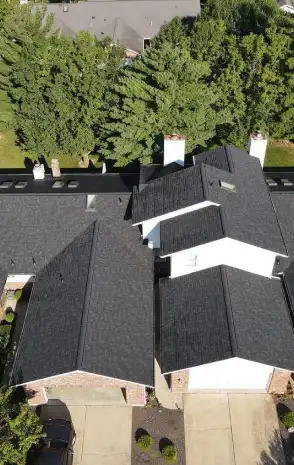
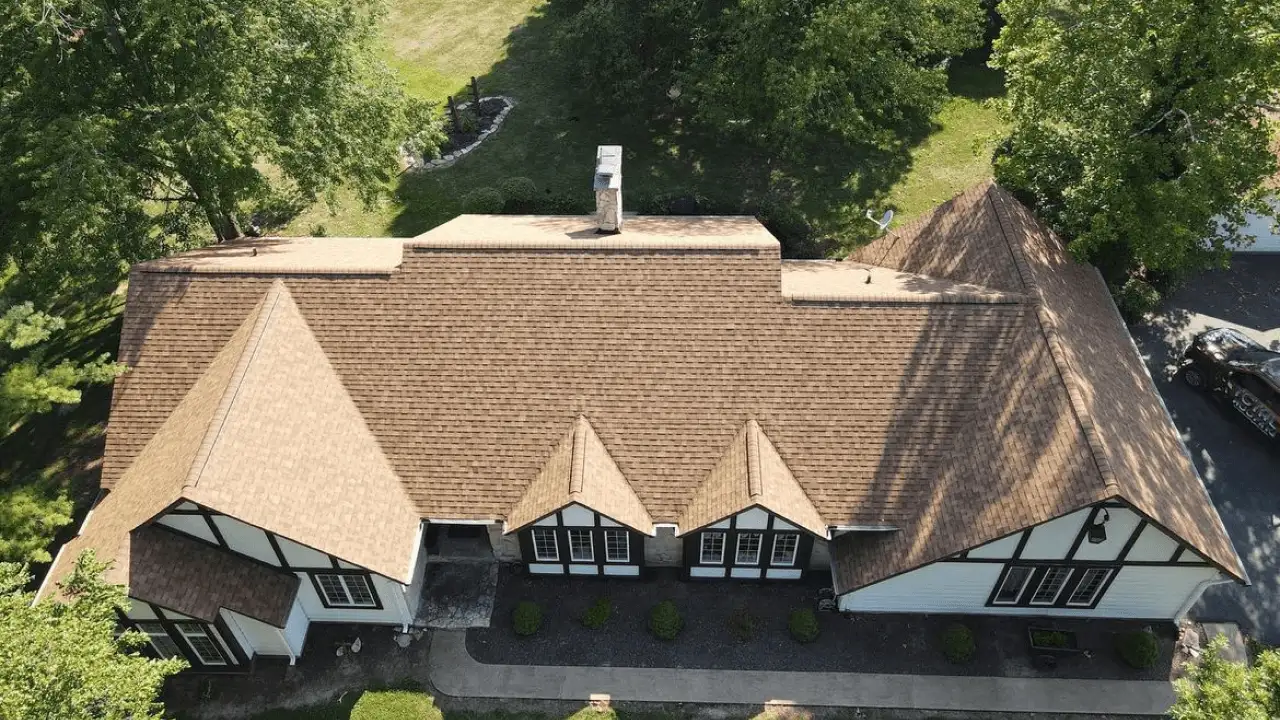
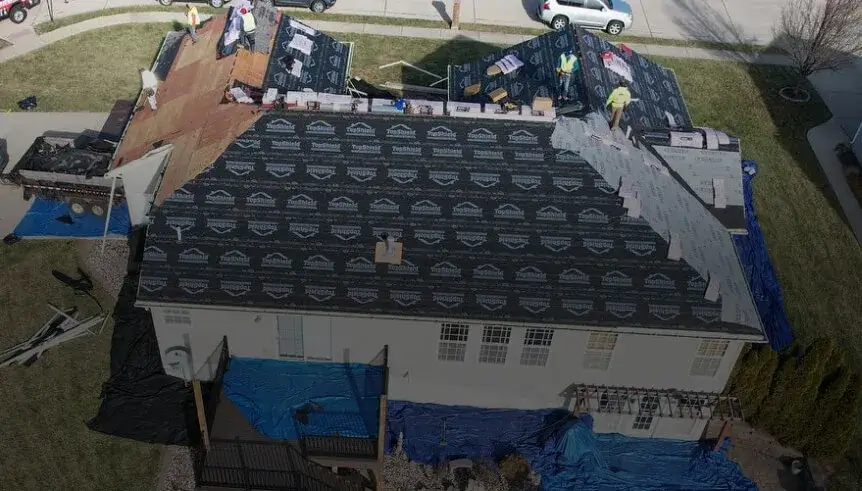
Our Work Speaks For Itself
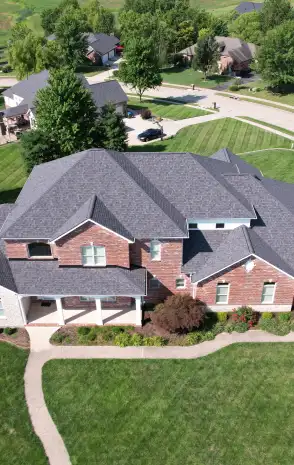
Our completed roofing projects reflect our commitment to quality, durability, and craftsmanship. From repairs to full installations, every job is done with attention to detail and built to last.
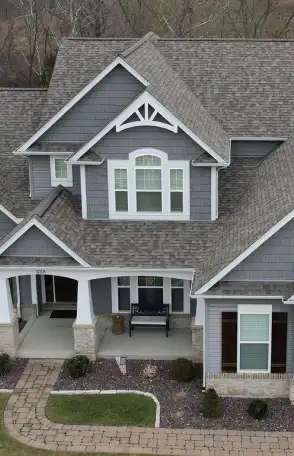
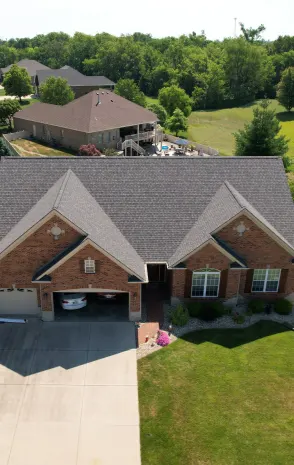
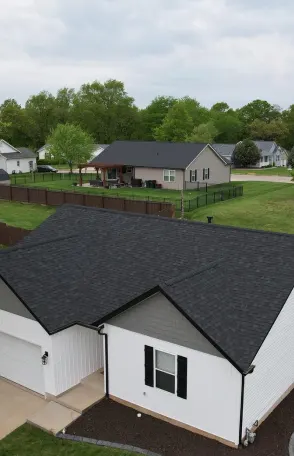

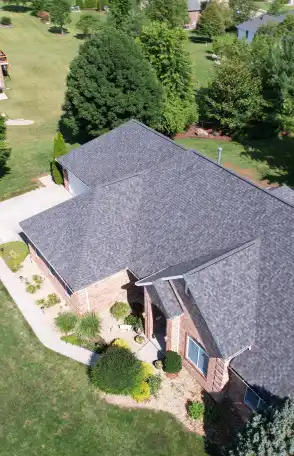
Our Client Feedback
Our work is best told through our customers. Whether it’s a quick repair or a full roof replacement, Total Roofing delivers reliable roofing done right.
View more arrow_forward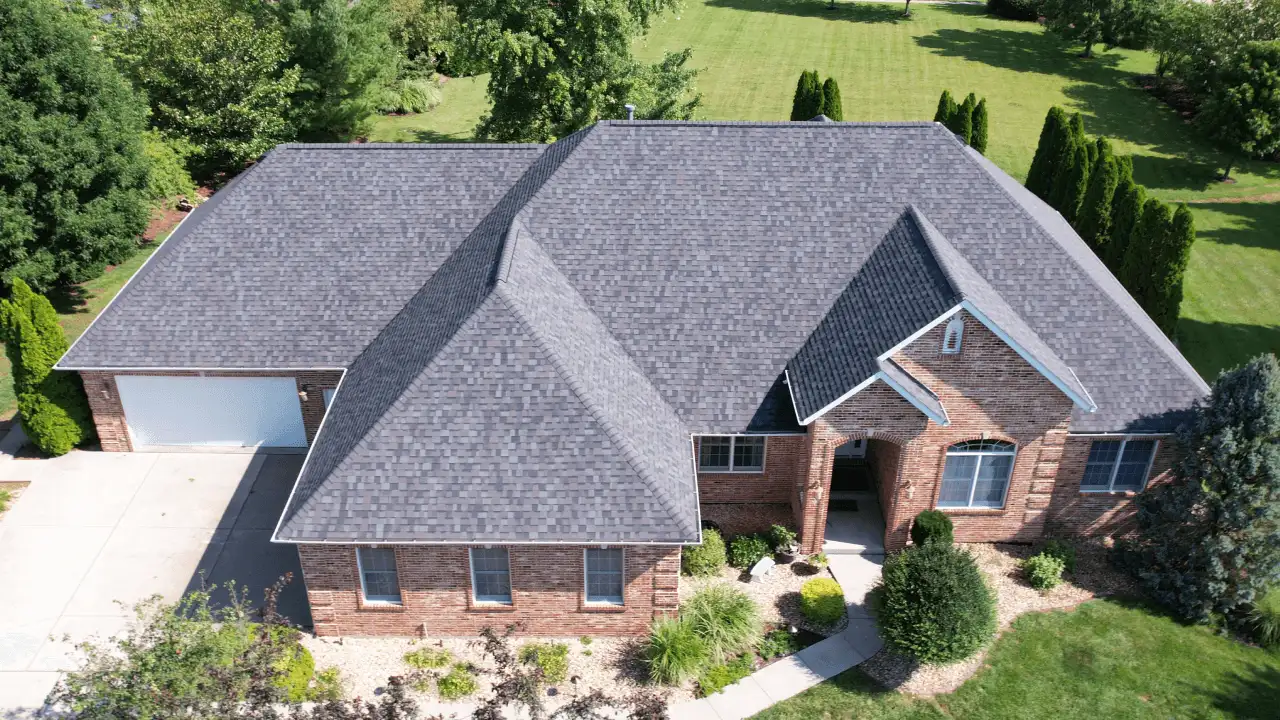











Professional Guidance and Consultation for All Roofing & Remodeling Projects
If you would like a free estimate for a new roof, please contact your nearest office location listed below. You may also submit an inquiry through the contact form, and a member of our team will respond promptly.
- done_allFree, detailed roof inspection by certified professionals Free
- done_allAccurate estimates with transparent pricing 100% Trusted
- done_allNo obligation and no pressure to commit
- done_allFast response and timely project scheduling
- done_allHigh-quality materials and skilled workmanship
- done_allDedicated support from consultation to completion










Get Your Free Professional Roof Inspection