

 call(618) 719-6767 call


Proudly Serving Homeowners Across Missouri
Metal Roof Installation in Columbia, IL
5.0 Stars - Based on 224 User Reviews
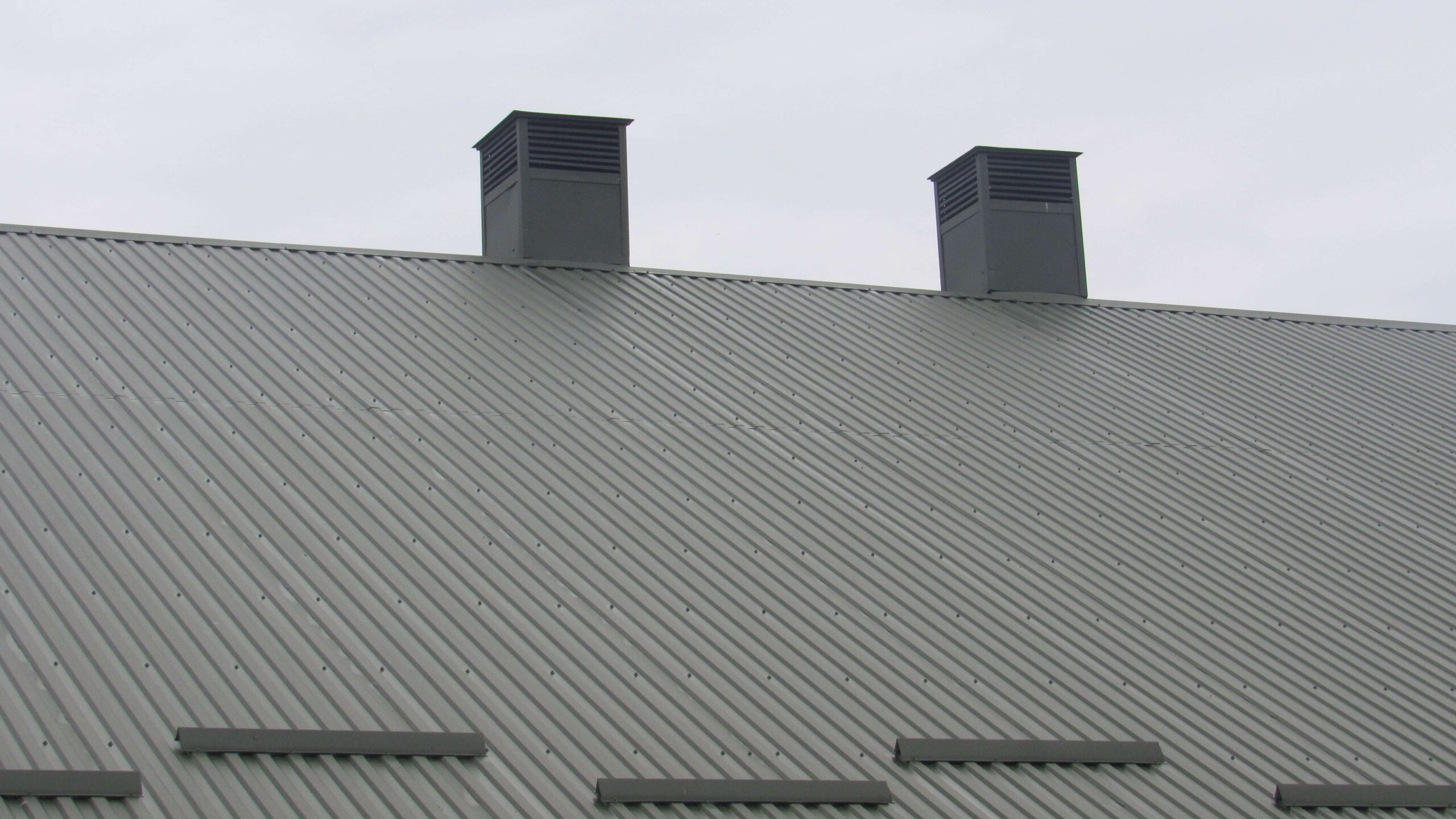
Columbia sits in a weather corridor that puts roofs through a real workout every year. Summers push temperatures into the 90s, winters drop into the low 20s, and spring brings nearly 40 inches of annual rainfall along with strong thunderstorms that roll in off the Mississippi River corridor with sustained gusts. For the many homes in this area built between the 1960s and 1990s, original asphalt shingle roofs are either at, or well past, their useful life. Aging shingles under that kind of weather pressure don't just look worn, they start to fail in ways that allow leaks, invite ice buildup along eaves in winter, and leave your home exposed after every major storm.
Metal roofing systems address those problems directly. It holds up against wind that peels asphalt loose, sheds water efficiently during heavy spring rains, and handles the temperature changes between seasons without cracking or warping. Standing seam roofing systems, in particular, offer a fastening approach that keeps panels locked down even when storms push through with serious force. The proximity to the Mississippi River also raises humidity and wind exposure levels that affect how long roofing materials last, and metal handles that environment far better than traditional shingles.
Total Roofing works with Columbia homeowners who are ready to stop replacing shingles every decade and make an investment in their property that actually holds up to what this area demands. That starts with understanding your home, your roof's current condition, and what a properly installed metal system looks like for your specific situation.
How Metal Roof Installation Works in Columbia, IL
Knowing what to expect before the first crew member shows up makes the whole process easier. Here is exactly how Total Roofing handles every metal roof installation from the first visit to the final walkthrough.
- Step 1: Initial Inspection
We start by taking a close look at your current roof, including the roof deck, flashing, eaves, and any areas showing wear or damage. This tells us what we are actually working with before anything gets quoted or scheduled. Older homes in Columbia often have layers of asphalt that reveal underlying issues once we get up there, and we want to know about those upfront. - Step 2: Honest Recommendation
After the inspection, we walk you through what we found and give you a straight answer on whether replacement is the right call. If your existing roof has life left in it, we will tell you that rather than push a project you do not need. When replacement does make sense, we explain exactly why so you can make a confident decision. - Step 3: Options, Specifications, and Detailed Quote
We go over the panel options that work best for your roof's pitch, your home's layout, and Columbia's specific wind and humidity conditions. You will see a clear, itemized quote with no vague line items. Nothing moves forward until you fully understand what is included. - Step 4: Professional Installation
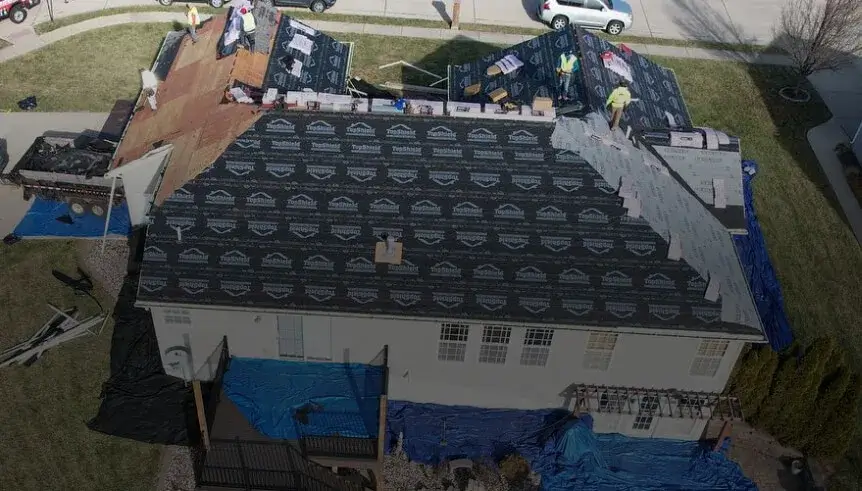
Our crew handles permits, prepares the deck, installs proper underlayment, and secures standing seam panels with the precise work this type of system requires. Flashing details get special attention, since that is where most installations run into problems down the road. We work efficiently without cutting corners on the parts that protect your home long term. - Step 5: Quality Check and Final Walkthrough
Once installation is complete, we inspect the finished roof and walk you through the work before we leave. We check fasteners, seams, flashing, and drainage points to confirm everything is set correctly. You get a clear picture of what was done and what your new roof is built to handle.
Metal Roof Installation in Columbia, IL: What Affects Your Project
No two metal roof installations come together exactly the same way, and in Columbia, that is especially true. Local soil conditions, roof pitch, proximity to the Mississippi River, and Monroe County permitting requirements all play into how your project gets planned and executed. Understanding the key factors ahead of time helps you set realistic expectations from the start.
| Local Factor | How It Affects Installation | What This Means for Your Roof |
|---|---|---|
| Clay-heavy soil movement | Minor structural shifts stress flashing connections over time | Flashing must be installed with expansion tolerance built in |
| Mississippi River wind and humidity | Elevated corrosion exposure compared to inland areas | Panel selection accounts for moisture resistance in this specific region |
| Ice buildup along eaves in winter | Temperature changes drive repeated freeze/thaw cycles along roof edges | Proper slope and ventilation reduce ice accumulation and attic moisture |
| Monroe County permit requirements | Underlayment and flashing must be inspection-ready before covering | Project timelines include documentation and scheduled inspections |
These are not abstract concerns. They directly shape the decisions made during your installation, from which panels get specified to how flashing details are handled before the roof is closed up. Getting these details right during installation protects your home for decades rather than creating problems that show up a few years down the road.
Standing Seam Panel Fastening System
Unlike exposed-fastener metal panels, standing seam systems use concealed clips that allow the metal to expand and contract with Columbia's temperature swings without stressing the fasteners or creating gaps where water can enter. This fastening method is what makes standing seam the right choice for a region that sees both 90-degree summers and 20-degree winters in the same year.
Underlayment Selection and Deck Preparation
The underlayment installed beneath your metal panels acts as a critical backup layer against moisture, and not every underlayment performs equally under metal roofing. We use materials rated for the heat and humidity common in this area, and the deck gets inspected and prepped to give those materials a solid, consistent surface to bond to.
Ventilation Integration
A metal roof performs best when the attic system beneath it is properly ventilated, and this matters especially during Columbia winters when warm attic air meeting cold roof surfaces drives ice buildup and moisture problems. Ventilation is addressed during installation to make sure your new roof and your home's thermal envelope are working together, not against each other.
Corrosion-Resistant Panel Finishes
Proximity to the Mississippi River raises humidity and wind-driven moisture exposure levels that accelerate corrosion on roofing materials that are not rated for the conditions. The panels specified for your home include finish coatings designed to hold up in this specific environment, giving you long-term protection that a generic panel selection would not reliably provide.
Plan Your Metal Roof Installation in Columbia, IL
Columbia's weather does not give roofs a break, and homes that have been carrying aging asphalt through decades of storms, temperature swings, and wet springs are often closer to failure than they look. A properly installed metal roof puts that cycle behind you. You are not just replacing what wore out; you are putting something on your home that is built to hold up through everything this area regularly delivers, season after season.
If you are thinking about making the switch to metal roofing, Total Roofing is a straightforward call or message away. We will take a look at your current roof, give you an honest read on where things stand, and walk you through what a metal installation would involve for your specific home. No pressure, just a clear picture of your options so you can decide what makes sense.
Frequently Asked Questions
Got questions about your roof? We’ve got answers. From maintenance tips to insurance claims and repair timelines, our FAQ section covers the most common concerns homeowners have. Get informed and make confident decisions about protecting your home.
Does the Monroe County permitting process slow down a metal roof installation, and what do I need to do to prepare?
The permit process in Monroe County requires that underlayment and flashing details be visible and inspection-ready before the roof gets closed up, which means your project timeline needs to account for a scheduled inspection mid-installation. As the homeowner, you typically do not need to do much to prepare since a qualified contractor handles the documentation and coordinates with the county directly. What matters is working with someone who knows what inspectors look for in this area, so there are no delays waiting for corrections.
My home was built in the 1970s. Are there structural concerns I should know about before switching from asphalt to metal?
Homes from that era in Columbia are worth a closer look at the decking before any new roof goes on, since decades of asphalt and seasonal moisture can leave soft spots or minor deterioration that need to be addressed first. The clay-heavy soil common in Monroe County can also cause subtle shifts over the years that affect how flashing connects at the edges and valleys. A thorough inspection of the deck and underlying structure before installation begins is the step that catches these issues before they become bigger problems.
Will a metal roof make my home noisier during the heavy spring rainstorms Columbia gets?
This is one of the most common concerns people have, and the short answer is that a properly installed metal roof with solid decking and insulation beneath it is not noticeably louder than asphalt during rain. The noise issue tends to come up with older pole barn-style installations where there is nothing between the metal and the space below. On a residential installation with a prepared deck and underlayment, the sound difference is minimal, and most homeowners say they hardly notice it.
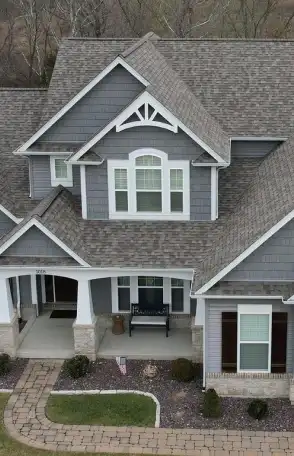
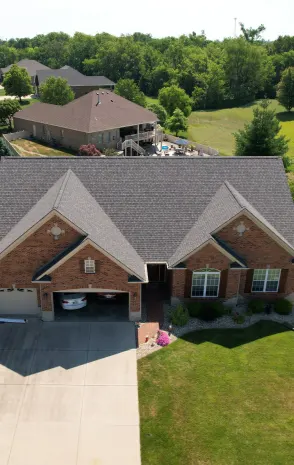
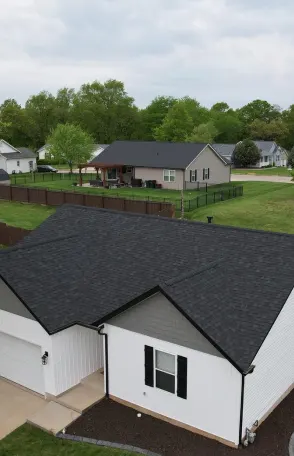
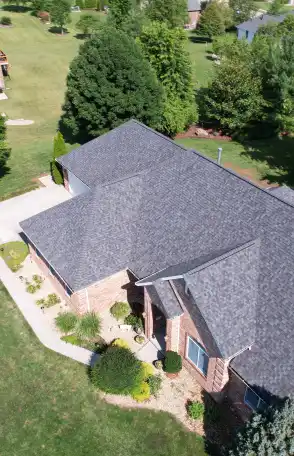
Our Work Speaks For Itself
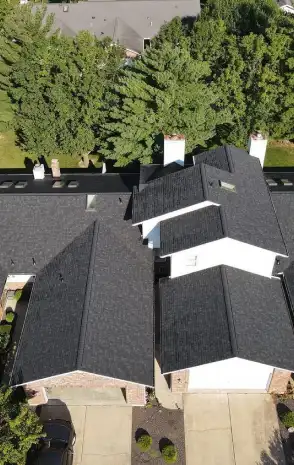
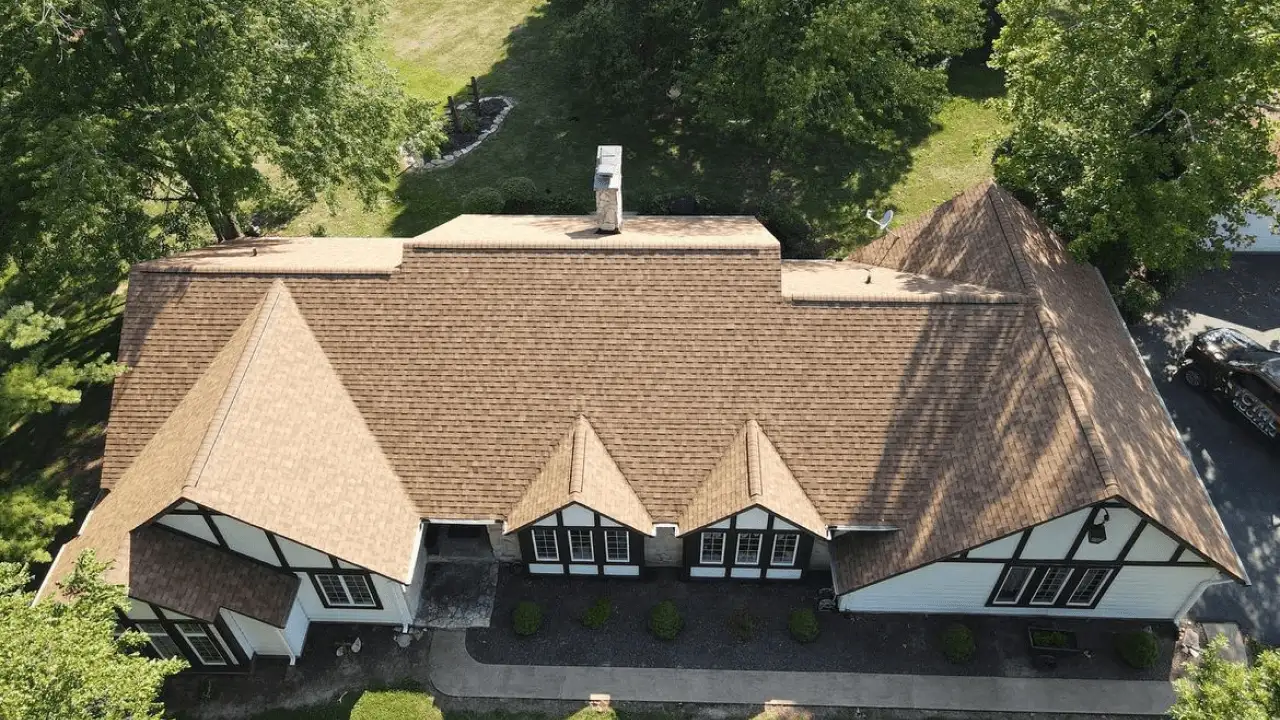
Our completed roofing projects reflect our commitment to quality, durability, and craftsmanship. From repairs to full installations, every job is done with attention to detail and built to last.

Our Client Feedback
Our work is best told through our customers. Whether it’s a quick repair or a full roof replacement, Total Roofing delivers reliable roofing done right.
View more arrow_forward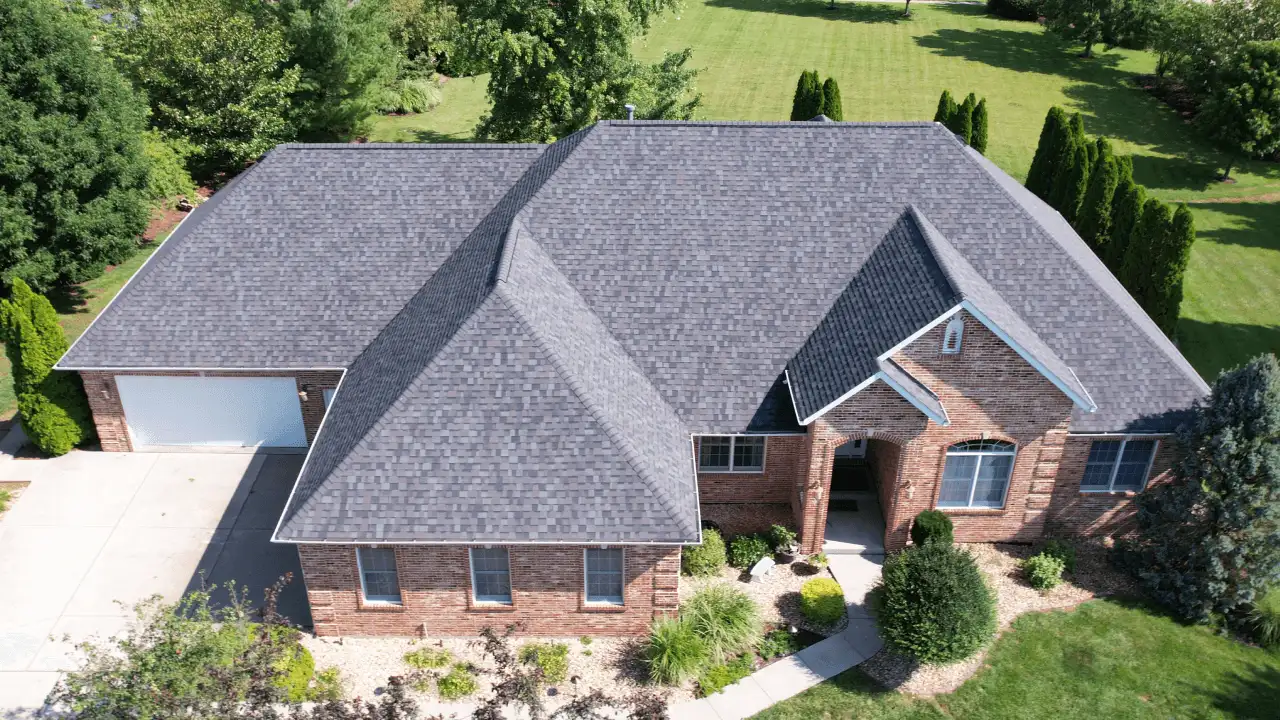






Professional Guidance and Consultation for All Roofing & Remodeling Projects
If you would like a free estimate for a new roof, please contact your nearest office location listed below. You may also submit an inquiry through the contact form, and a member of our team will respond promptly.
- done_allFree, detailed roof inspection by certified professionals Free
- done_allAccurate estimates with transparent pricing 100% Trusted
- done_allNo obligation and no pressure to commit
- done_allFast response and timely project scheduling
- done_allHigh-quality materials and skilled workmanship
- done_allDedicated support from consultation to completion









Get Your Free Professional Roof Inspection