

 call(618) 719-6767 call


Proudly Serving Homeowners Across Missouri
Storm Damage Roof Repair in Columbia, IL
5.0 Stars - Based on 222 User Reviews
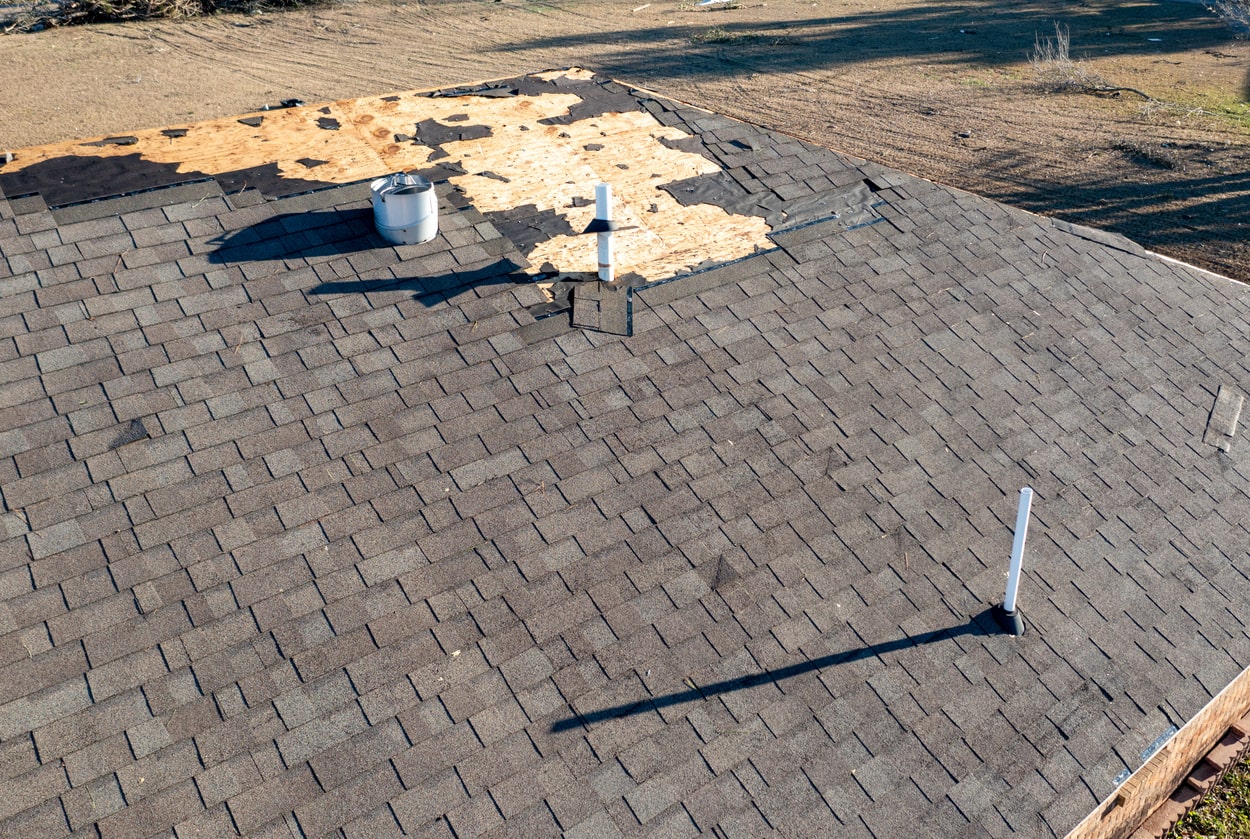
Columbia sits right in the path of some of the Midwest's most punishing weather. Spring and fall bring frequent thunderstorms capable of driving hail into your shingles with enough force to crack them or knock loose the granules that protect the material underneath. Summer brings high winds and heavy rain, and winter adds the weight of snow to roofs that may already be compromised. Many homes in this area were built on asphalt shingle systems that have been doing their job for decades, and after a strong storm rolls through, even a roof that looks fine from the ground can have damage that quietly gets worse with every rain that follows.
That's where a close-up inspection matters. Granule loss from hail impacts is one of the most common issues homeowners miss after a storm, and once that protective layer is gone, the shingles underneath start breaking down faster than they should. Leaks can follow, and water that gets in through a small tear or a lifted section of underlayment doesn't stay small for long, especially with Columbia's wide temperature changes between summer and winter, pushing materials to expand and contract.
Total Roofing works with homeowners in Columbia, IL, to identify exactly what a storm left behind on your roof and fix it correctly before the next weather system arrives. The goal is to protect your home and your investment in your property with repairs that hold up long after the work is done.
How Storm Damage Roof Repair Works in Columbia, IL
Storm damage adds uncertainty, so a defined process is used to move from inspection to completion without gaps.
- Step 1: Problem Inspection
A technician performs a direct roof inspection, evaluating shingles, flashing, eaves, and underlayment. Indicators such as hail impact marks, wind-related lifting, granule loss, and exposed sections are documented to establish the actual extent of damage. - Step 2: Diagnosis and Options Discussion
Findings are reviewed in clear terms, with an explanation of how the damage affects roof performance. If conditions are localized, a targeted repair approach is outlined. Broader damage is addressed with corresponding repair options. - Step 3: The Scale of Work and Quote
A written job scale defines each repair area, required materials, and total cost. This document reflects the full extent of identified work before scheduling, eliminating undefined items during the project. - Step 4: Professional Repair
Repairs are completed using materials aligned with the existing roofing system for consistency. Work may include shingle replacement, underlayment reinforcement at vulnerable edges, and flashing correction. Temporary protective measures are installed when required until permanent repairs are completed. - Step 5: Final Verification
All repaired sections are inspected for proper sealing, alignment, and integration with surrounding materials. The completed work is reviewed to confirm that the identified damage has been fully addressed.
What Storm Damage Actually Does in Columbia, IL
Storms in this area can leave behind damage that ranges from obvious to nearly invisible, and the difference matters when it comes to how quickly your roof deteriorates afterward. Understanding the most common damage types helps you know what you are dealing with and why certain repairs take priority over others.
| Damage Type | Common Cause | Why It Needs Quick Repair |
|---|---|---|
| Granule loss on shingles | Hail impact | Exposed asphalt breaks down faster under UV exposure, shortening shingle life significantly |
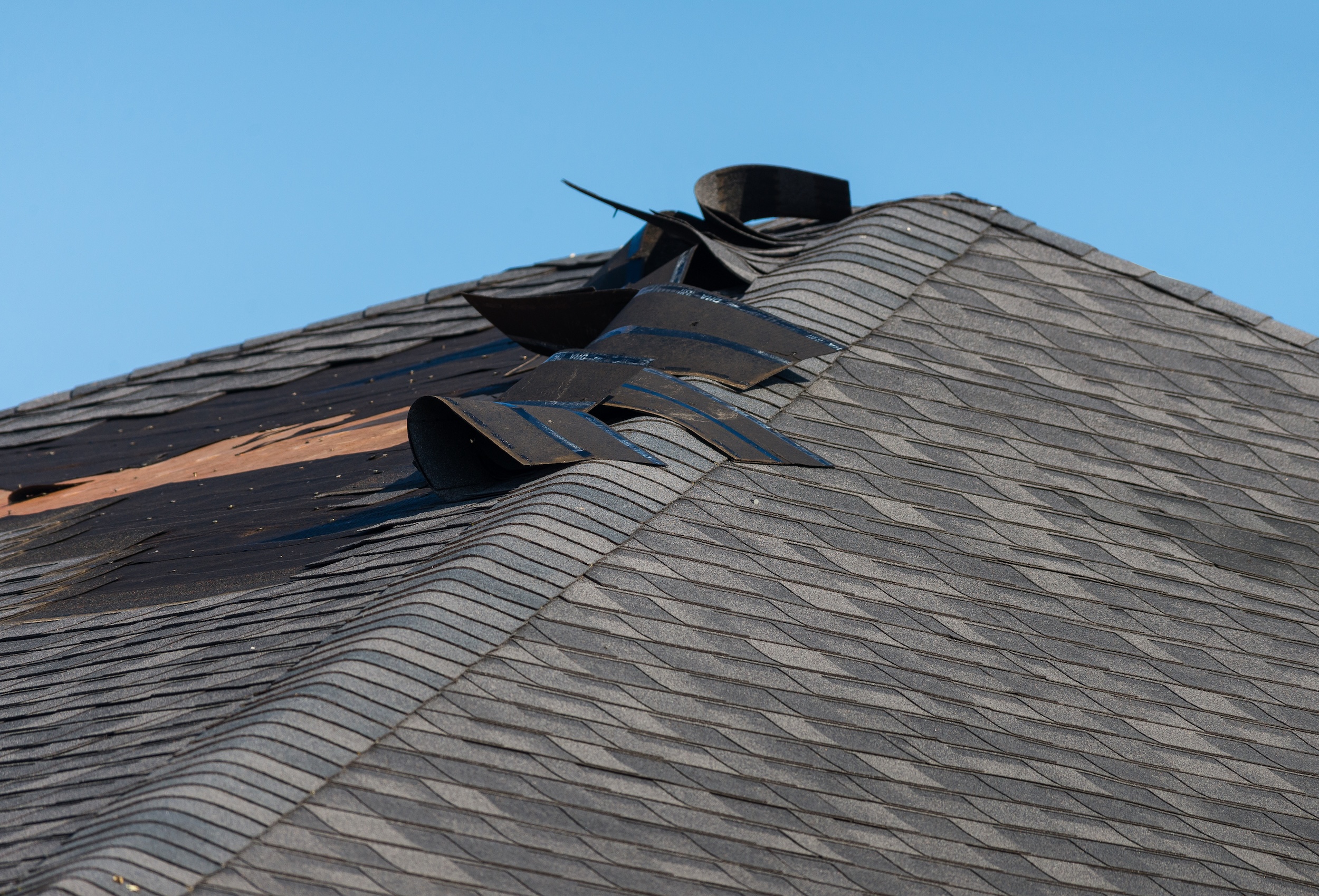
| Lifted or torn shingles | High wind uplift | Opens the underlayment to rain, which can reach the roof decking before the next storm arrives |
| Underlayment displacement | Wind-driven rain and wind uplift | Leaves are vulnerable to leaks, especially during temperature changes between seasons |
| Flashing gaps at valleys | Wind-driven moisture and debris | Allows water to channel directly into seams where two roof planes meet |
What makes storm damage in Colombia particularly tricky is how often the worst of it stays hidden until conditions get worse. A shingle that looks intact from below can have cracked edges or missing granules that only show up on a close-up ladder inspection. Catching these issues early keeps repairs focused and prevents a straightforward fix from turning into a much larger project.
Shingle Profile Matching
When storm damage requires replacing shingles, we match the profile and style of what is already on your roof so repairs blend in rather than stand out. For homes in Columbia with established architectural shingle systems, a mismatched patch is both an eyesore and a sign that the work was done carelessly.
Impact-Resistant Shingle Options
If hail has damaged your shingles once, it can do it again, and Columbia gets hit with significant hailstorms more often than many homeowners expect. Where repairs allow, we can replace damaged sections with higher-impact-rated asphalt shingles that are better equipped to hold up against future hail and reduce the chance of repeat damage in the same spots.
Eave and Underlayment Reinforcement
Wind uplift from Midwest thunderstorms frequently loosens underlayment along the eaves, leaving those lower sections vulnerable to leaks long after the storm has passed. We address this by reinforcing compromised eave areas with ice-and-water shield material, which creates a tighter barrier against the wind-driven rain that Columbia storms regularly bring.
Flashing Integration at Valleys and Gaps
Valleys and roof gaps like vents and chimneys are the spots where water is most likely to find a way in after storm damage shifts or loosens the surrounding materials. We make sure all flashing in repaired areas is properly seated and sealed before the job is finished, because a clean shingle repair means little if the seams around it are still letting water through.
Get Storm Damage Repaired Correctly in Columbia, IL
Columbia's weather doesn't give roofs much of a break. Between the hail that comes through in spring and the weight that winter puts on already stressed materials, even a well-built roof can end up with damage that quietly grows between storms. Getting repairs done after a storm protects your home from the kind of water damage that turns a straightforward fix into something much more involved and expensive. The sooner the roof is back to a solid condition, the less you have to worry about what the next round of rain or wind will find.
If a recent storm has you wondering what your roof actually looks like up close, Total Roofing is ready to take a look. We proudly serve homeowners throughout the Columbia area, and a complete inspection is the right starting point. From there, you will know exactly what needs attention and what does not. Reach out when you are ready, and we will help you get your roof back in shape.
Frequently Asked Questions
Got questions about your roof? We’ve got answers. From maintenance tips to insurance claims and repair timelines, our FAQ section covers the most common concerns homeowners have. Get informed and make confident decisions about protecting your home.
Does my roof need attention even if I don't see any missing shingles after a storm?
Yes, and this is one of the most common misconceptions homeowners have after a storm passes through. Hail can knock the granules off your shingles without displacing them at all, leaving the shingles sitting in place while the protective layer underneath starts breaking down from UV exposure. The only reliable way to know what you are actually dealing with is a close-up inspection from a ladder, not a look from your yard or driveway.
Why do Columbia homes seem to need underlayment repairs so often compared to other types of storm damage?
The wind patterns that come with Midwest thunderstorms tend to create strong uplift along rooflines, and the eave sections take the most stress in those conditions. Columbia sits in an area that sees frequent fast-moving storm systems, and that kind of wind repeatedly works at the edges of the underlayment over time. Older asphalt shingle systems common throughout the area are especially vulnerable because the underlayment has already been through years of temperature changes before a storm ever hits.
What happens if I wait until spring to deal with damage from a fall storm?
Waiting through winter with unrepaired storm damage is a real risk in this area. A small lifted section or a granule-bare patch that seems minor in October is going to face months of cold temperatures, potential heavy snow, and repeated wet and dry cycles before spring arrives. Those conditions put steady pressure on already weakened spots, and what started as a limited repair can expand significantly by the time warmer weather returns.
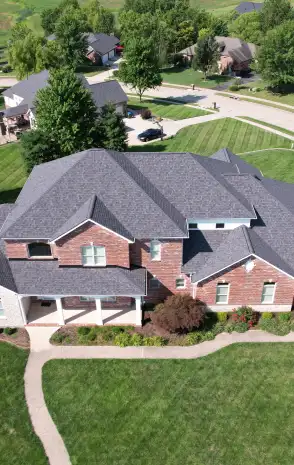
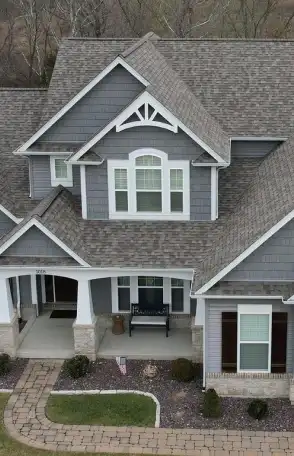
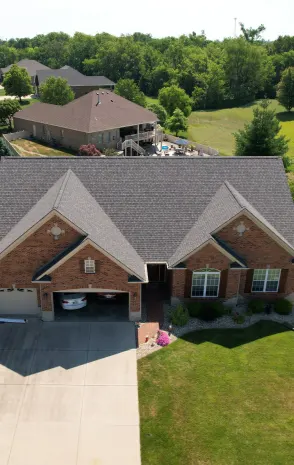
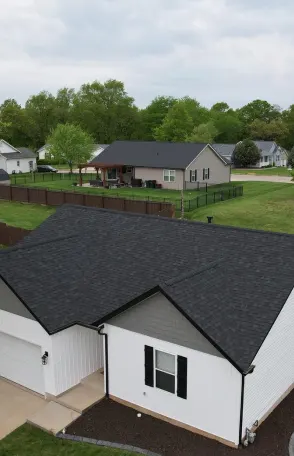
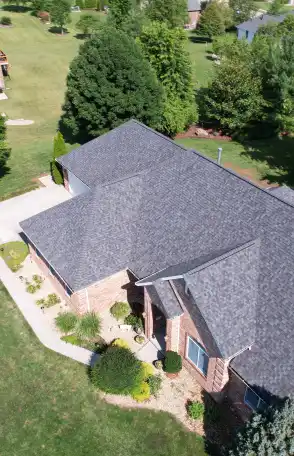
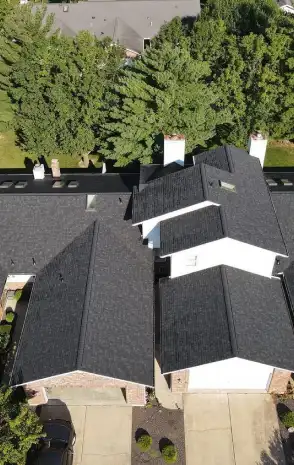
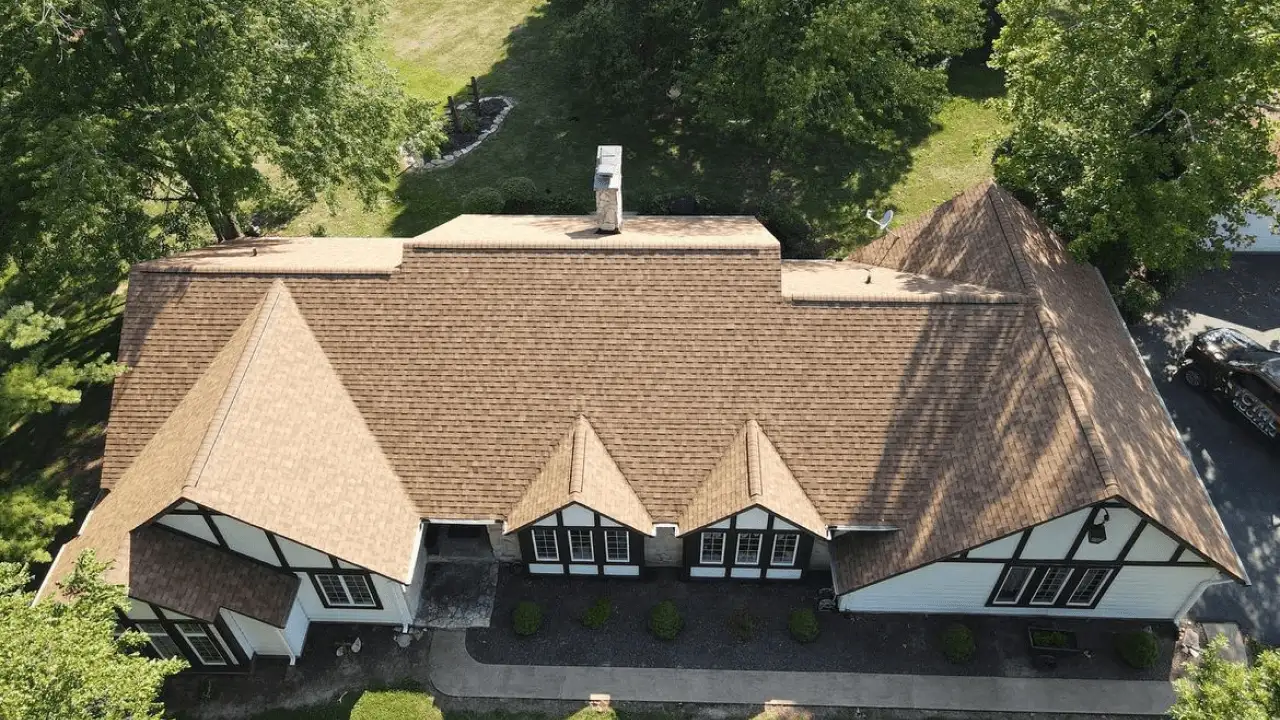
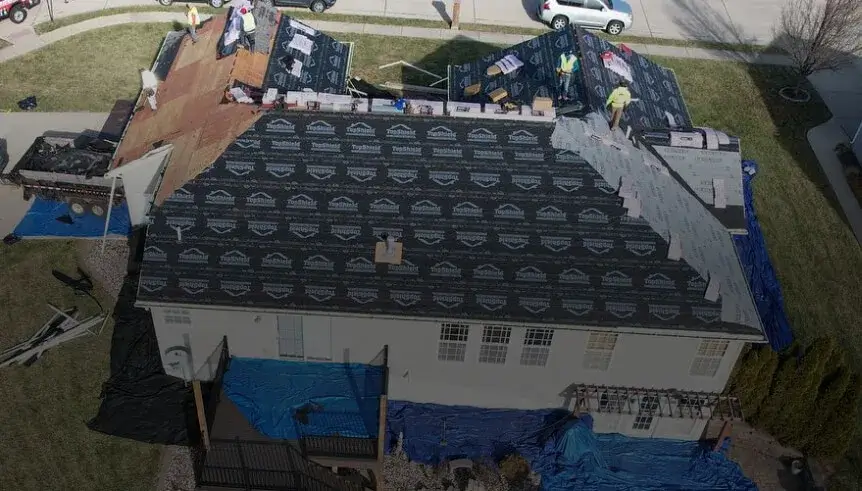
Our Work Speaks For Itself
Our completed roofing projects reflect our commitment to quality, durability, and craftsmanship. From repairs to full installations, every job is done with attention to detail and built to last.

Our Client Feedback
Our work is best told through our customers. Whether it’s a quick repair or a full roof replacement, Total Roofing delivers reliable roofing done right.
View more arrow_forward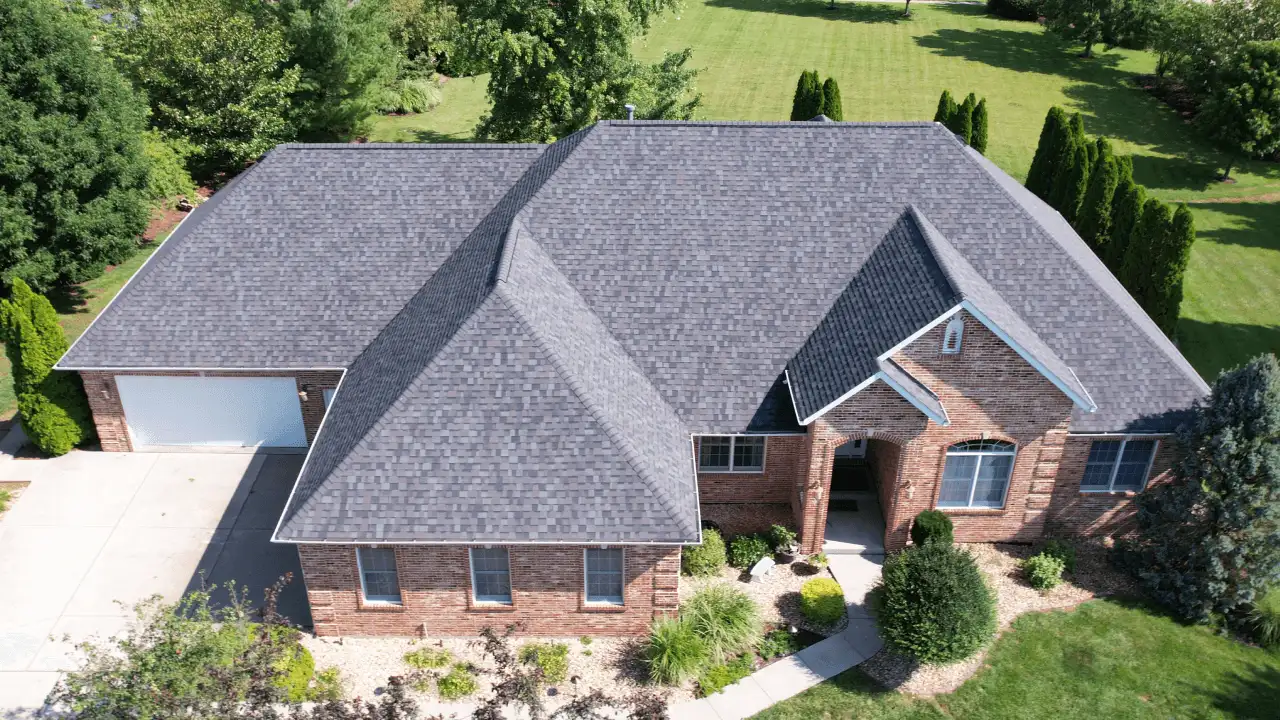




Professional Guidance and Consultation for All Roofing & Remodeling Projects
If you would like a free estimate for a new roof, please contact your nearest office location listed below. You may also submit an inquiry through the contact form, and a member of our team will respond promptly.
- done_allFree, detailed roof inspection by certified professionals Free
- done_allAccurate estimates with transparent pricing 100% Trusted
- done_allNo obligation and no pressure to commit
- done_allFast response and timely project scheduling
- done_allHigh-quality materials and skilled workmanship
- done_allDedicated support from consultation to completion










Get Your Free Professional Roof Inspection