

 call(618) 719-6767 call


Proudly Serving Homeowners Across Missouri
Commercial Roof Repair in Fairview Heights, IL
5.0 Stars - Based on 222 User Reviews
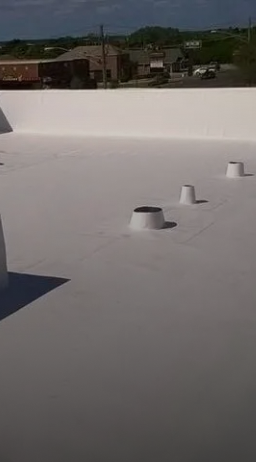
Running a business in Fairview Heights means dealing with some demanding weather. Summers push temperatures into the 90s, winters dip well below freezing, and the area sees steady rain and storms throughout the year. That cycle of heat, cold, and moisture puts real stress on flat and low-slope commercial roofs, which are common across the retail centers, restaurants, offices, and service buildings that line Illinois 159 and the St. Clair Square corridor. Over time, that stress shows up as cracked seams, failed flashing, and leaks around rooftop equipment. Left unchecked, what starts as a minor drip can work its way into the building structure and disrupt your tenants or business operations.
That is where professional commercial roof repair makes a difference. A trained crew can spot the problem areas that are not always obvious from the ground, including failing membrane seams, clogged drains, damaged scuppers, and worn edges that let water in during heavy rain or snowmelt. Total Roofing understands the roofing challenges specific to this part of southwestern Illinois and works with building owners and property managers to get repairs done quickly, with as little disruption to daily operations as possible. Whether your roof took a hit during a recent storm or has been showing signs of wear for a while, getting it inspected and repaired by people who know this market is the right first step.
How Commercial Roof Repair Works in Fairview Heights, IL
Commercial roof repairs require more than identifying the visible symptom. Total Roofing evaluates the areas most likely to contribute to the problem, explains the recommended work, and reviews the finished repair with you.
- Step 1: Inspect the Commercial Roof
The inspection covers membrane seams, flashing around HVAC equipment and roof openings, drains, scuppers, and roof edges. The affected areas are examined directly rather than relying on a view from ground level, and the findings are documented to provide a clear record of the roof's condition. - Step 2: Establish the Repair Approach
The inspection results are reviewed with you in straightforward terms, including whether the issue is isolated or involves additional areas. When a simple patch or localized repair can address the problem, that approach is recommended instead of expanding the work unnecessarily. - Step 3: Detail the Work and Pricing
A written breakdown of the planned repair and associated pricing is provided before scheduling. The details identify what will be addressed and what the work involves. If conditions discovered during the repair require changes, those findings are communicated before additional work proceeds. - Step 4: Complete the Roof Repair
The repair is scheduled around your business operations and tenants when possible to limit disruption. Standard repairs may take a few hours to 1 day, depending on the extent of the work and affected area. - Step 5: Review the Finished Repair
The completed work is inspected before the crew leaves the property. A walkthrough covers what was repaired and any conditions that should be monitored afterward, giving you a clear record of the work performed.
Common Commercial Roof Problems in Fairview Heights, IL
Flat and low-slope roofs take a beating in southwestern Illinois. Temperature changes between summer and winter put constant pressure on seams, sealants, and edges, and the region's steady pattern of rain and storms means that small vulnerabilities get tested often. Knowing which problems are most common can help you catch issues before they turn into expensive repairs.
| Problem Area | Common Cause | What to Watch For |
|---|---|---|
| Membrane seams | Temperature changes causing expansion and contraction | Splitting, lifting, or gaps along seam lines |
| Flashing around rooftop equipment | Movement and weather exposure over time | Gaps, rust staining, or water tracks near HVAC units |
| Roof drains and scuppers | Debris buildup and heavy rain or snowmelt | Pooling water, slow drainage, or overflow marks |
| Roof edges and edge metal | Wind stress and sealant wear | Lifted metal, separation from the roof deck, or visible gaps |
| Gap flashings | Sealant loss and repeated thermal movement | Cracks, voids, or dark staining around pipes and vents |
Spring and fall are the best windows to get repairs done in Fairview Heights. Milder temperatures allow sealants and membrane materials to bond and perform the way they should, and scheduling repairs during those seasons helps you stay ahead of the harsher conditions that come with summer and winter.
Membrane Repair Across Multiple Roofing Systems
Commercial roofs in Fairview Heights are built with a range of materials, including TPO, EPDM, and modified bitumen, and each one requires a different repair approach. Total Roofing works with all common flat and low-slope membrane systems, so the repair method matches your actual roof rather than a one-size-fits-all fix.
Rooftop Equipment Flashing Repairs
HVAC units, exhaust fans, and other rooftop equipment create gaps that are among the most common sources of leaks on commercial roofs. Repairing and resealing the flashing around this equipment stops water from tracking into the building and helps your roof hold up through the temperature changes southwestern Illinois puts it through season after season.
Drain & Scupper Restoration
Clogged or damaged drains and scuppers allow water to pond on flat roofs, which adds weight and accelerates membrane wear. Restoring proper drainage flow is an important part of commercial roof repair because it reduces the risk of recurring leaks and protects your building structure long after the repair crew has left.
Repair Scheduling Around Active Business Hours
Many commercial properties along Illinois 159 and the St. Clair Square area stay open and occupied throughout the workweek, which means repair timing matters as much as the repair itself. Total Roofing works around your facility's schedule to keep disruption to your tenants and customers as low as possible while still getting the work done right.
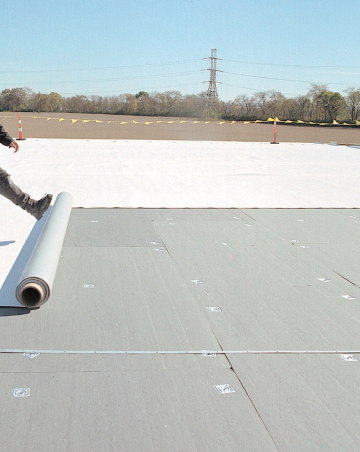
Get Commercial Roof Repairs Handled in Fairview Heights, IL
A flat or low-slope roof in this part of Illinois faces real year-round pressure. Between the heat that builds up through summer, the freezing temperatures that arrive by winter, and the rain and storms that show up in between, the wear adds up faster than most building owners expect. Addressing repairs before small problems spread keeps your facility protected, extends the life of your roof, and helps you avoid the kind of work that disrupts your tenants and cuts into your operating budget.
Total Roofing works with commercial property owners and managers throughout the Fairview Heights area and is familiar with the roof types and conditions common to this market. If your roof has been showing signs of wear or you just want a professional set of eyes on it, reaching out is a straightforward first step. There is no pressure, just honest answers and practical repair work done on a schedule that works for your property.
Frequently Asked Questions
Got questions about your roof? We’ve got answers. From maintenance tips to insurance claims and repair timelines, our FAQ section covers the most common concerns homeowners have. Get informed and make confident decisions about protecting your home.
Does my commercial roof repair require a permit in Fairview Heights?
Minor patching and spot repairs typically do not require a permit, but more extensive work in Illinois can trigger local permitting requirements, especially if the repair touches structural elements or involves a significant portion of the roof membrane. If your repair crosses that line, Total Roofing can help you understand what applies to your specific project before work begins. Getting that right from the start keeps your facility code-compliant and protects you if questions come up later.
How does the St. Louis metro storm pattern affect flat commercial roofs differently than other roof types?
Flat and low-slope roofs do not shed water the way pitched roofs do, so the heavy rain and wind storms common to this region put much more stress on seams, drains, and flashing. A storm that causes minimal trouble on a sloped roof can leave standing water on a flat roof for hours, and that sustained pressure works its way into any weak point in the membrane or around rooftop equipment. That is why post-storm inspections on commercial properties in this area often turn up issues that were not visible before the rain hit.
Can a commercial roof be repaired in winter in Fairview Heights?
Some repairs can be done in winter, particularly emergency work to stop an active leak, but cold temperatures limit how well certain sealants and membrane materials bond and cure. Below-freezing conditions can prevent adhesives from setting properly, which means a repair done in January may not hold the way the same repair would in April or October. If your situation allows for any scheduling flexibility, late spring or early fall gives repair materials the best chance to perform correctly from the start.
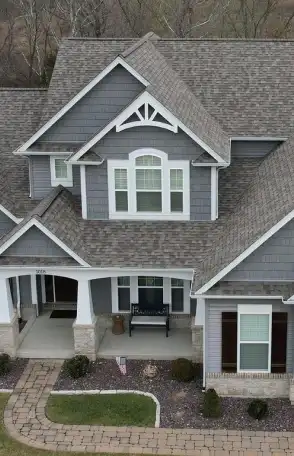
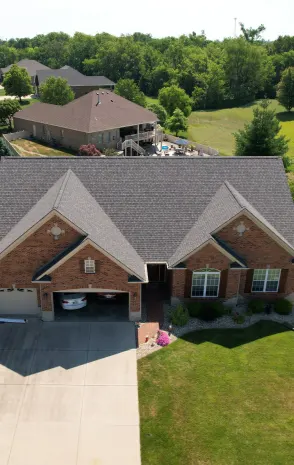
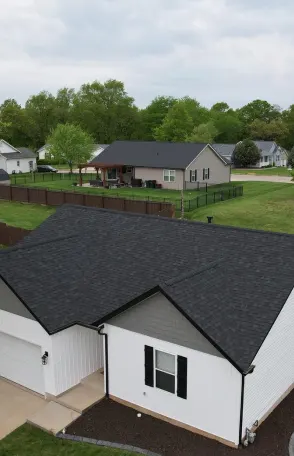
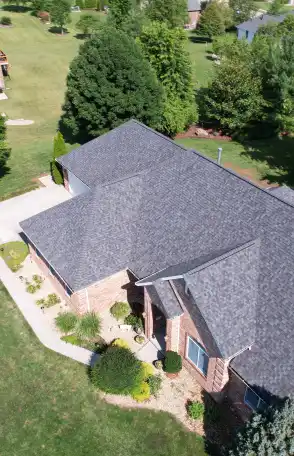
Our Work Speaks For Itself
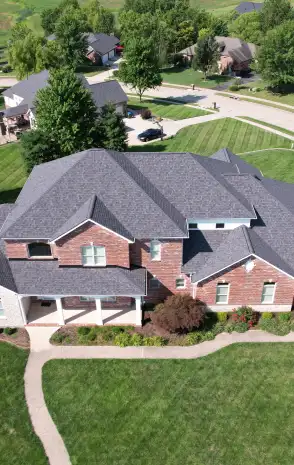
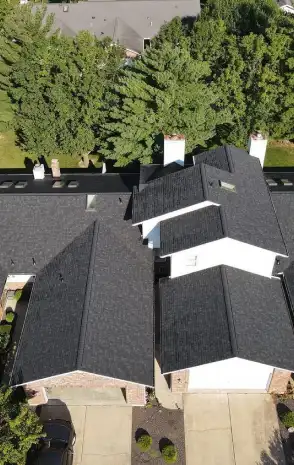
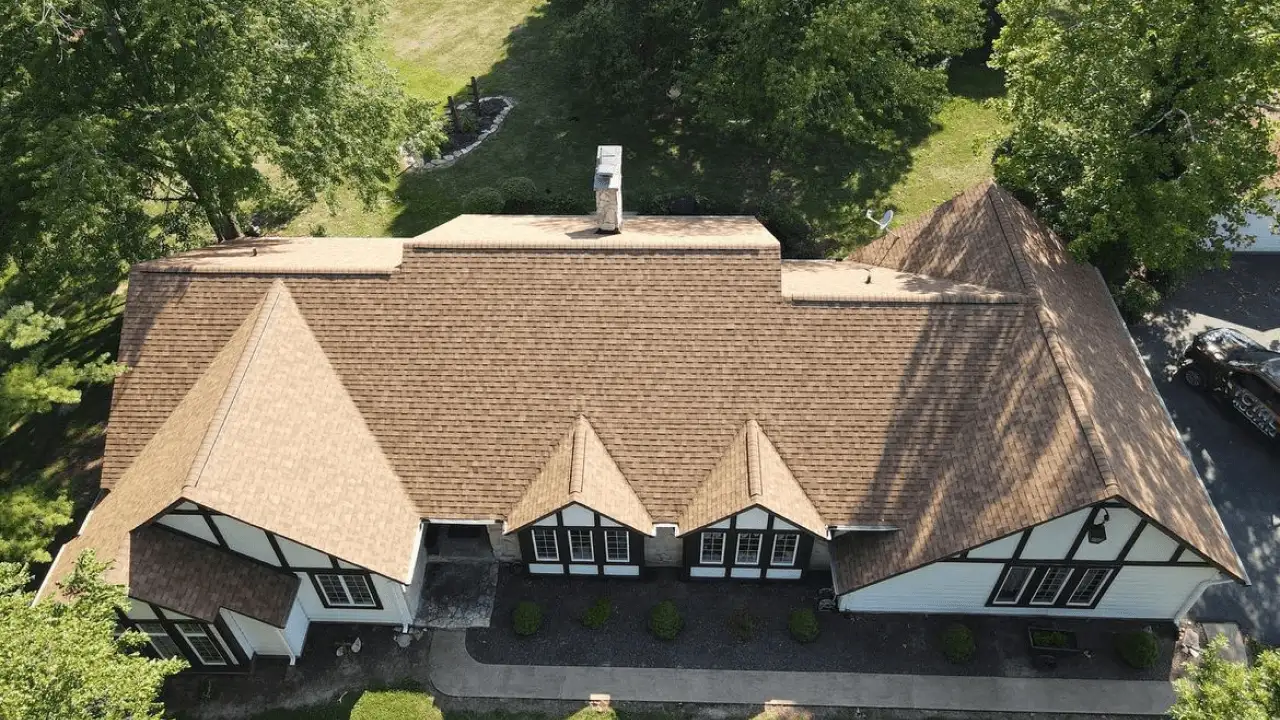
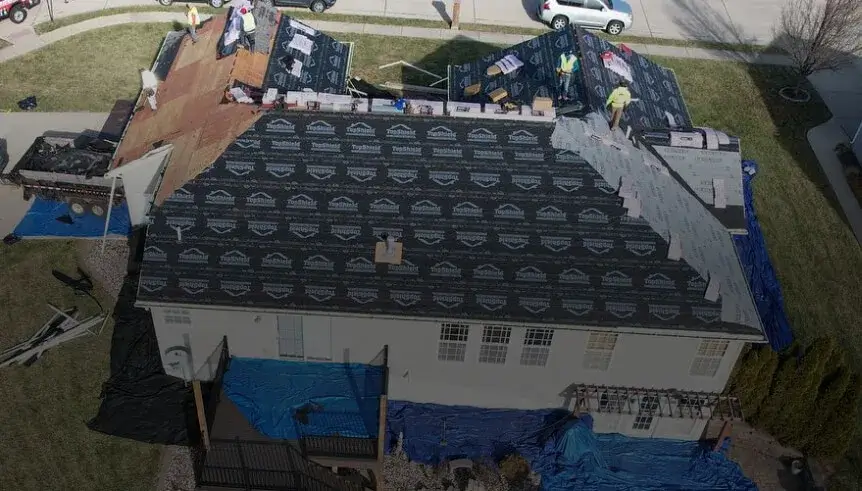
Our completed roofing projects reflect our commitment to quality, durability, and craftsmanship. From repairs to full installations, every job is done with attention to detail and built to last.

Our Client Feedback
Our work is best told through our customers. Whether it’s a quick repair or a full roof replacement, Total Roofing delivers reliable roofing done right.
View more arrow_forward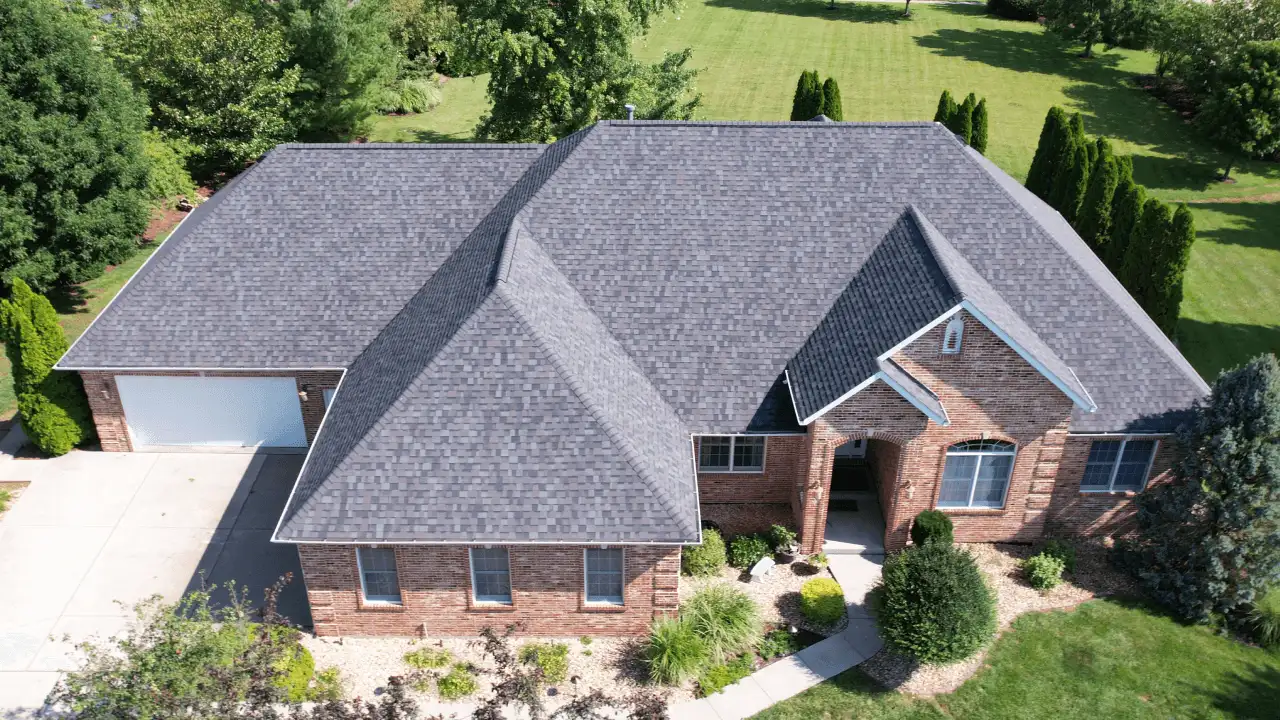




Professional Guidance and Consultation for All Roofing & Remodeling Projects
If you would like a free estimate for a new roof, please contact your nearest office location listed below. You may also submit an inquiry through the contact form, and a member of our team will respond promptly.
- done_allFree, detailed roof inspection by certified professionals Free
- done_allAccurate estimates with transparent pricing 100% Trusted
- done_allNo obligation and no pressure to commit
- done_allFast response and timely project scheduling
- done_allHigh-quality materials and skilled workmanship
- done_allDedicated support from consultation to completion







Get Your Free Professional Roof Inspection