

 call(618) 719-6767 call


Proudly Serving Homeowners Across Missouri
Commercial Roof Replacement in Fairview Heights, IL
5.0 Stars - Based on 222 User Reviews
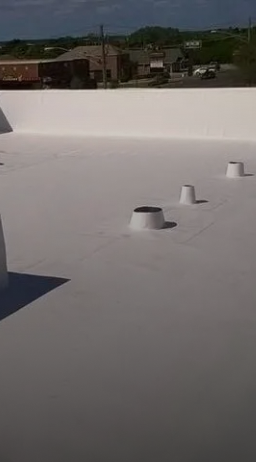
Fairview Heights sits just outside St. Louis, and the weather here puts commercial roofs through a real workout. Summers push temperatures into the 90s with heavy humidity, thunderstorms roll through regularly, and winters bring ice, snow, and the kind of temperature changes that slowly wear down roofing membranes over time. Flat and low-slope roofs are especially vulnerable in this climate. Standing water after a storm, failing seams, and seal breakdowns around gaps are some of the most common reasons building owners in this area find themselves needing a full replacement rather than another round of repairs.
When a commercial roof reaches that point, patching it becomes a losing battle. Persistent leaks, interior water stains, sagging sections, and visible membrane deterioration are all signs that the system is done protecting your facility. At that stage, a full roof replacement is the more practical path forward, and it is also the point where working with a contractor who understands this market matters most. Total Roofing brings direct experience with commercial properties in the Fairview Heights area, including the flat and low-slope buildings where membrane failures tend to surface first and where getting the replacement details right has a direct impact on how long the new roof performs.
From the deck condition underneath to fastening requirements shaped by local wind exposure and code considerations, a commercial replacement here involves more moving parts than it might appear from the outside. Understanding those factors before work begins is what separates a roof that lasts from one that creates problems within a few years.
How Commercial Roof Replacement Works in Fairview Heights, IL
A commercial roof replacement involves several moving parts, and understanding the process ahead of time makes it easier to plan for your property, your tenants, and your day-to-day operations.
- Step 1: Roofing System Evaluation
Before discussing materials or scheduling, we perform a complete assessment of the existing roof. We examine the membrane, flashing, seams, drainage components, gaps, and any visible signs of deterioration across the entire surface. Looking at the full system instead of isolated trouble spots gives us an accurate understanding of the roof's overall condition. - Step 2: Replacement Assessment
After completing the evaluation, we review the findings with you and explain whether a replacement is truly warranted. If strategic repairs can provide dependable additional service life, we will recommend that option. A full replacement is only advised when the condition of the roofing system justifies the investment. - Step 3: System Selection and Project Planning
When replacement is the appropriate solution, we discuss the roofing systems that best fit your building, drainage layout, and operational needs. We also review project logistics, installation requirements, and every item included in your written estimate so you know exactly what the project involves before work begins. - Step 4: Roof Replacement
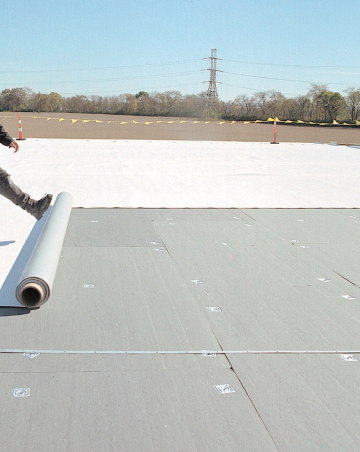
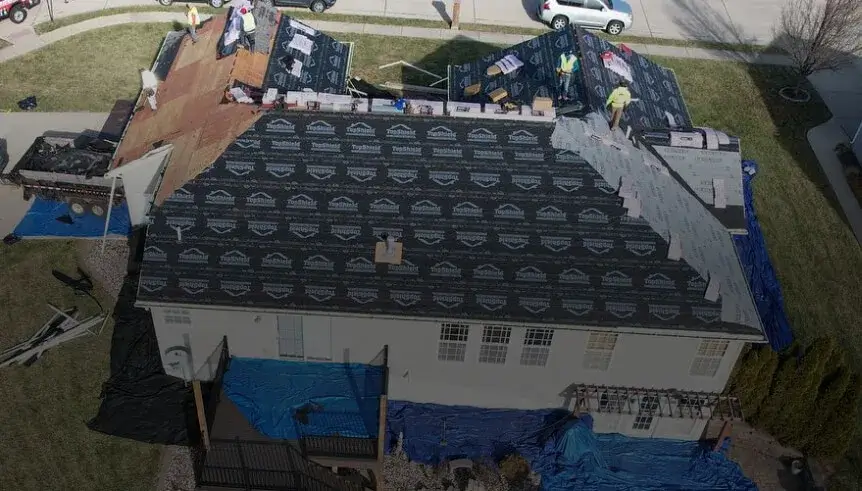
Installation begins with coordinated material delivery, removal of the existing roofing system, and preparation of the roof deck as needed. The new system is installed with careful attention to drainage, flashing transitions, gaps, and seam construction, while the project is managed to minimize interruptions to your business and occupants. - Step 5: Final Review and Project Completion
After installation is finished, we complete a final inspection of the new roofing system before reviewing the completed work with you. We verify important installation details, answer any remaining questions, and make sure you have a clear understanding of the finished project before the job is closed.
Roofing Material Options in Fairview Heights, IL
Choosing the right system for your facility is one of the most important decisions in a commercial roof replacement. For flat and low-slope buildings in the Fairview Heights area, the membrane type affects everything from how well the roof handles standing water to how it holds up through years of temperature changes and storm activity.
| System Type | General Characteristics | Common Use Case |
|---|---|---|
| TPO | Heat-welded seams, reflect solar heat, perform well on low-slope roofs | Commercial buildings seeking durable single-ply performance |
| EPDM | Rubber-based membrane, flexible through temperature changes, handles ponding water well | Flat roofs where long-term flexibility is a priority |
Both TPO and EPDM are single-ply systems commonly used on commercial properties throughout the St. Louis metro area, and both are well-suited for the kind of flat and low-slope roofing you find across Fairview Heights. The right choice depends on your specific roof deck condition, drainage setup, and how the building is used. During the quoting process, Total Roofing reviews these factors with you directly so the system selected fits your facility rather than just a general recommendation. Seam quality, gap details, and fastening methods all carry significant weight on flat roofs, and those specifics are built into how we approach every replacement from the start.
Roof Deck Inspection
Once the old membrane comes off, we inspect the deck and underlying material for water damage, soft spots, or deterioration before anything new goes down. Skipping this step is one of the most common ways a replacement project ends up costing more down the road, because hidden deck damage gets covered rather than corrected.
Gap and Drainage Detailing
Every pipe boot, HVAC curb, vent, and drain opening on your roof gets properly sealed and detailed as part of the replacement. These are the spots where flat and low-slope roofs tend to fail first, and getting them right from the start is what keeps the new system performing the way it should through heavy rain seasons and winter freeze-up.
Wind Fastening to Local Code Requirements
Fairview Heights commercial roofs are subject to regional wind exposure requirements that affect how the new system is fastened and how insulation layers are secured. We account for those code requirements during installation so your roof is built to meet the standards that apply to your property, not a generic spec that may not fit local conditions.
Occupied-Building Project Coordination
If your facility stays open during the replacement, we plan material staging, equipment access, and crew movement to protect your tenants, customers, and daily operations throughout the project. Entrances, loading areas, and mechanical equipment access all factor into how we sequence the work so disruptions stay manageable from start to finish.
Plan Your Commercial Roof Replacement in Fairview Heights, IL
A new roofing system does more than stop leaks. It extends the useful life of your building, reduces the likelihood of expensive repairs down the road, and gives you confidence that the protection of your facility is actually doing its job. For property managers and building owners serving the Fairview Heights area, getting ahead of deterioration before it affects operations is a practical business decision, not just a maintenance item. Spring and early fall tend to be the most workable windows for scheduling a replacement, when conditions are stable enough to support proper sealing and material performance on flat and low-slope systems.
If your current roof is showing signs that it has reached the end of its useful life, the next step is a straightforward conversation. Total Roofing is ready to take a look at your facility, walk you through what we find, and help you understand your options without pressure. Reach out whenever you are ready.
Frequently Asked Questions
Got questions about your roof? We’ve got answers. From maintenance tips to insurance claims and repair timelines, our FAQ section covers the most common concerns homeowners have. Get informed and make confident decisions about protecting your home.
Does replacing a commercial roof require a permit in Fairview Heights, and who handles that?
Yes, commercial roof replacement in Fairview Heights typically requires a building permit through the city, and your contractor should pull that permit before work begins. Total Roofing handles the permitting process as part of the project, so you are not left coordinating paperwork on your own. Having the right permit also means the work is inspected to local code, which protects you if questions come up later about the installation.
How does the southwestern Illinois weather pattern affect which membrane system makes the most sense for my building?
The combination of humid summers, periodic heavy thunderstorms, and cold winters here means your membrane needs to perform across a wide range of conditions, not just one season. TPO tends to hold up well under intense sun and heat because its surface reflects rather than absorbs solar energy, which matters on a flat roof that sees full sun exposure through long summer days. EPDM brings a flexibility advantage as temperatures drop in winter, making it a practical option for buildings where the roof deck shifts more noticeably through the cold season. The right fit depends on your specific building and how it is oriented, which is something we work through during the quoting process.
What happens if unexpected deck damage is found once the old membrane is removed?
It is not uncommon on older flat roofs in this area to find deteriorated or soft sections in the deck that were not visible before tear-off, especially after years of slow moisture working under a failing membrane. When that happens, damaged deck sections need to be repaired or replaced before the new system goes down, since laying a fresh membrane over a compromised roof deck shortens the life of the new roof and can void coverage on the installation. We document what we find and walk you through the job scale before any additional work proceeds, so there are no surprise charges without your sign-off first.
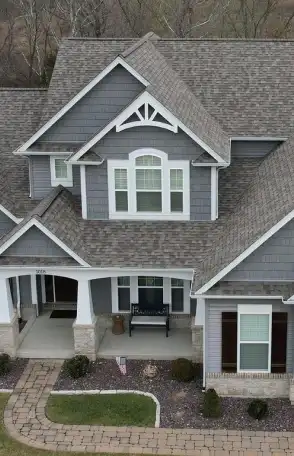
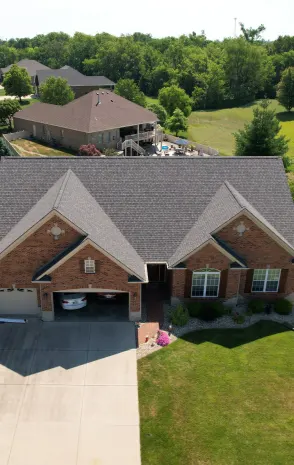
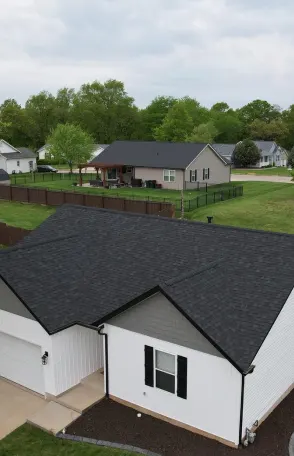
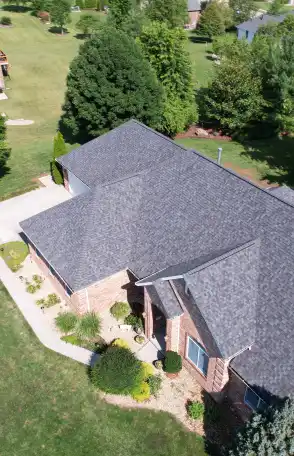
Our Work Speaks For Itself
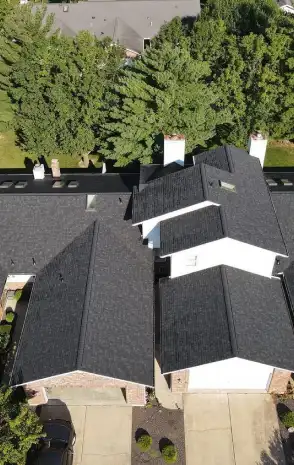
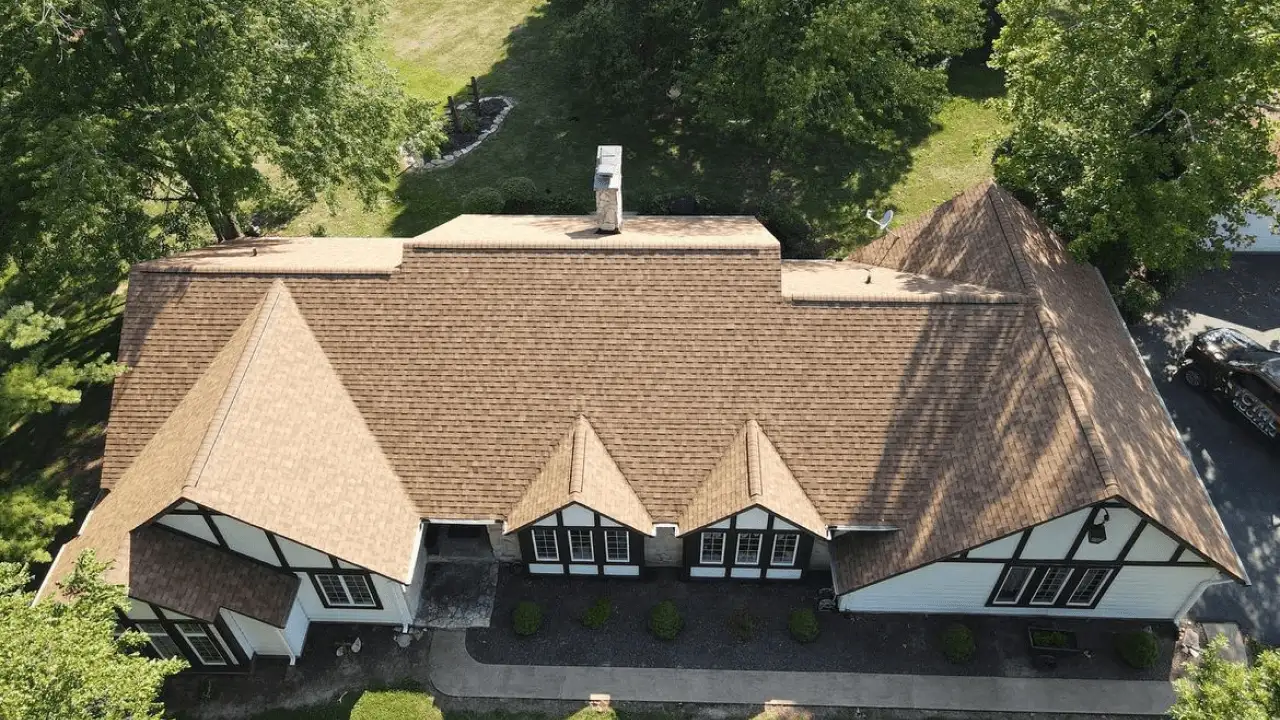
Our completed roofing projects reflect our commitment to quality, durability, and craftsmanship. From repairs to full installations, every job is done with attention to detail and built to last.

Our Client Feedback
Our work is best told through our customers. Whether it’s a quick repair or a full roof replacement, Total Roofing delivers reliable roofing done right.
View more arrow_forward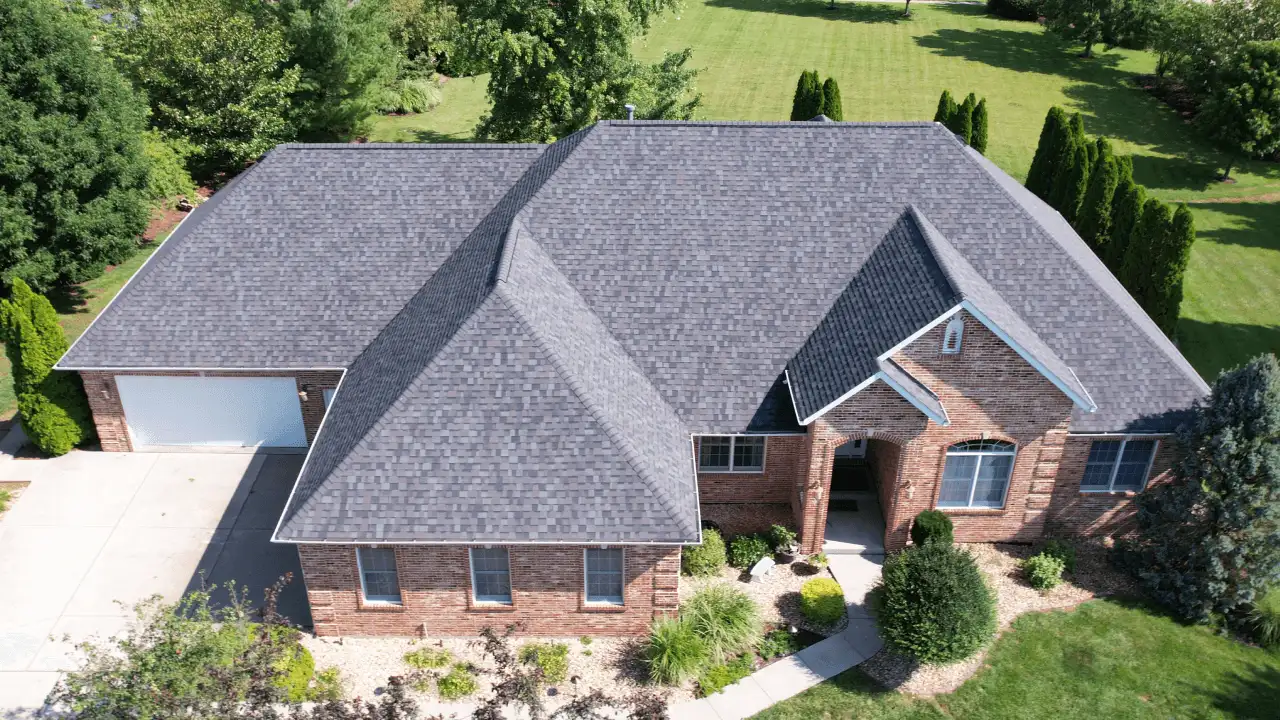




Professional Guidance and Consultation for All Roofing & Remodeling Projects
If you would like a free estimate for a new roof, please contact your nearest office location listed below. You may also submit an inquiry through the contact form, and a member of our team will respond promptly.
- done_allFree, detailed roof inspection by certified professionals Free
- done_allAccurate estimates with transparent pricing 100% Trusted
- done_allNo obligation and no pressure to commit
- done_allFast response and timely project scheduling
- done_allHigh-quality materials and skilled workmanship
- done_allDedicated support from consultation to completion






Get Your Free Professional Roof Inspection