

 call(618) 719-6767 call


Proudly Serving Homeowners Across Missouri
Metal Roof Installation in Fairview Heights, IL
5.0 Stars - Based on 218 User Reviews
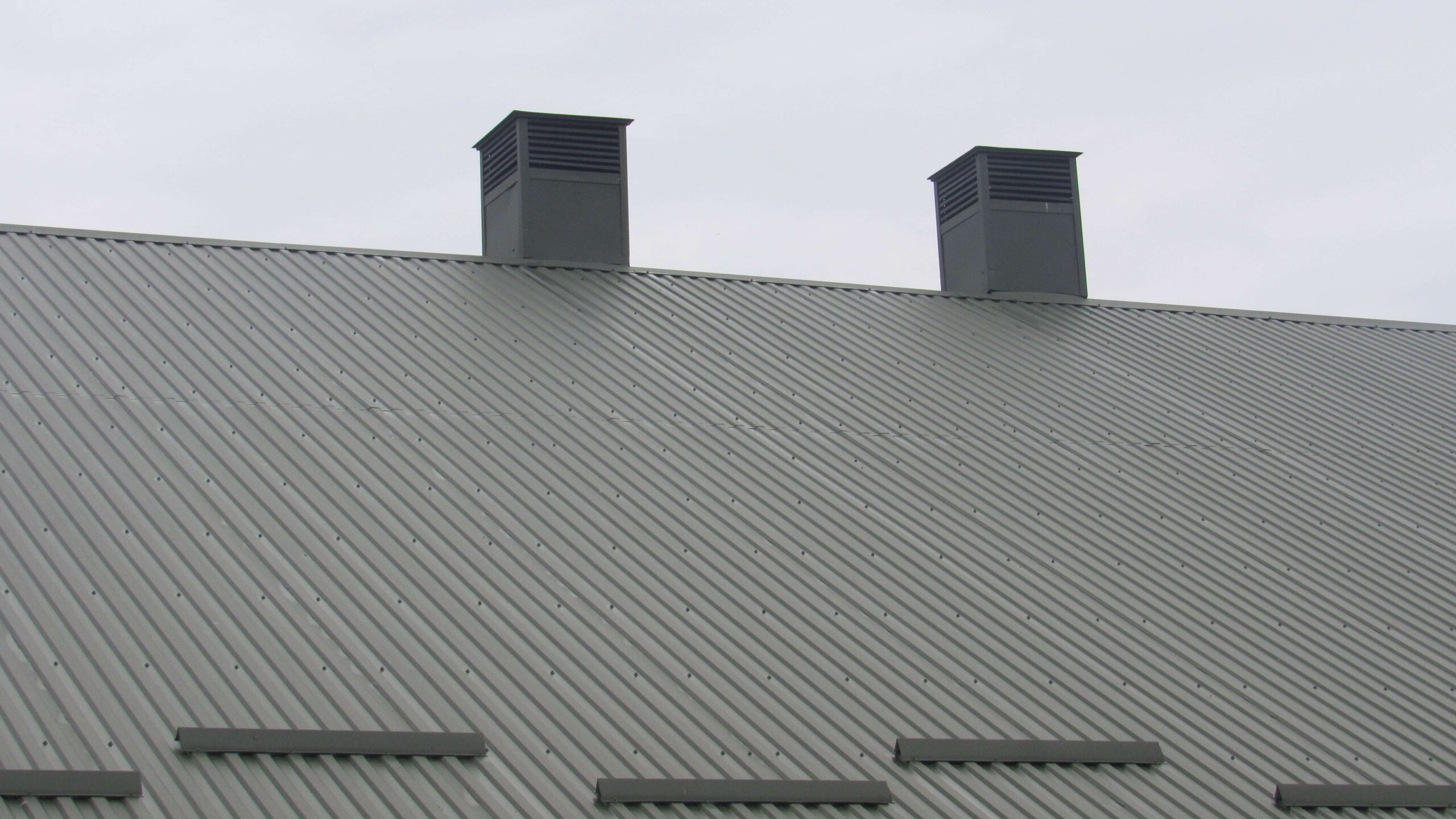
Fairview Heights sits in a part of Illinois where the weather keeps homeowners on their toes year-round. Summers push into the high 80s and low 90s, winters regularly drop below freezing, and spring brings its own set of problems with hail and high winds moving through the region. That kind of range puts real stress on a roof over time. Asphalt shingles in particular take a beating from repeated temperature changes and the moisture that comes with around 40 to 45 inches of annual precipitation. When a roof starts to give out under those conditions, what begins as minor wear can quietly turn into leaks, damaged decking, and repairs that are far more expensive than they needed to be.
Metal roofing is one of the most practical answers to the weather patterns this area throws at a home. It holds up against hail that would crack or dent standard shingles, sheds ice and snow more efficiently, and handles temperature changes throughout the year without becoming brittle or breaking down. Its reflective surface also helps keep cooling costs lower during summer, which homeowners here notice. Total Roofing brings that combination of material performance and local installation experience to every project in Fairview Heights, helping you get a roof that is built to last well beyond what traditional roofing can offer in this climate.
How Metal Roof Installation Works in Fairview Heights, IL
Knowing what to expect before the first crew member shows up makes the whole process easier. Here is exactly how a metal roof installation with Total Roofing goes from start to finish.
- Step 1: Existing Condition Inspection
Before any materials are ordered or work is scheduled, we inspect your current roof thoroughly. We look at the roof deck, substrate condition, existing layers, and any structural concerns that could affect installation. Older homes in the area sometimes have multiple roofing layers underneath, and we need a clear picture before recommending anything. - Step 2: Honest Recommendation
After the inspection, we walk you through what we found and what it means. If repairs to your current roof are a legitimate option, we will tell you that directly. We only recommend a full metal roof installation when the condition of your roof or your long-term goals actually call for it. - Step 3: Options, Specifications, and Detailed Quote
Once you decide to move forward, we will go over the material options that fit your home and your budget. You will get a complete breakdown of the scope of work, the materials selected, and the full project quote before anything is signed. No surprises once work begins. - Step 4: Professional Installation
Our crew handles the removal of your existing roofing, prepares the decking, and installs your new metal roof according to local permit requirements. Every detail gets attention during the open roof stage, since that is when any underlying issues get addressed properly. - Step 5: Quality Assurance and Final Walkthrough
When installation is complete, we inspect the finished roof with you before wrapping up. We check seams, fasteners, flashing, and drainage points to confirm everything is right. You leave knowing exactly what was done and that the work meets the standard your home deserves.
Metal Roof Options for Homes in Fairview Heights, IL
Choosing the right metal roofing setup for your home comes down to understanding how different options perform against the specific conditions here. Spring hail, summer heat, and repeated temperature changes through winter all factor into which materials and configurations hold up best over the long run.
| Installation Factor | Local Condition | What to Consider |
|---|---|---|
| Panel profile and fastening | High winds from spring storms | Concealed fastener systems reduce wind uplift risk and long-term leak points |
| Surface finish and coating | Summer highs and humidity | Reflective finishes reduce heat transfer into the home and resist corrosion over time |
| Substrate condition | Older housing stock in the area | Homes with multiple existing roofing layers require removal and roof deck inspection before installation |
| Panel thickness and gauge | Spring hail season peaks in May and June | Heavier gauge material resists surface damage during hail events that would compromise standard shingles |
| Permitting requirements | Local municipal building codes | Wind load calculations are typically required for permit approval in St. Clair County |
Every home is a little different, and the options that make sense for a newer suburban build may not be the same ones that fit an older property with a different substrate underneath. Getting the right combination from the start is what makes a metal roof perform the way it should for 40 years or more.
Proper Flashing at Every Transition Point
Valleys, chimneys, vents, and roof-to-wall transitions are where leaks typically start on any roof, and metal installations are no exception if flashing is installed carelessly. Every transition on your home gets properly fitted and sealed, so water moves off the roof the way it is supposed to, even during the heavy rain that this region regularly sees.
Ventilation Integration During Installation
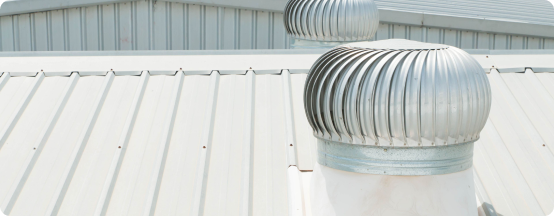
A new metal roof is also the right time to make sure your attic ventilation is working correctly, since poor airflow underneath a metal surface speeds up heat buildup in summer and can lead to ice dam problems in winter. We account for ventilation as part of the installation so your roof performs the way it should in both seasons, not just on the day it goes on.
Rust and Corrosion Protection Built Into the Material
The humidity that comes with southwestern Illinois summers, combined with the moisture from regular precipitation through the rest of the year, makes corrosion resistance a real need rather than a marketing point. The metal roofing materials installed on your home are treated and coated to resist rust over the long term, which is what lets a properly installed roof hold up for decades without breaking down from the inside out.
Permit Coordination and Code-Compliant Installation
Every metal roof installation in Fairview Heights requires a permit through the local municipal building department, and that process includes wind load documentation specific to St. Clair County’s storm exposure. Total Roofing handles the permitting side, so you are not left figuring out paperwork, and the finished installation meets code requirements that protect your home, and your investment in it, long after the job is done.
Install a Metal Roof in Fairview Heights, IL
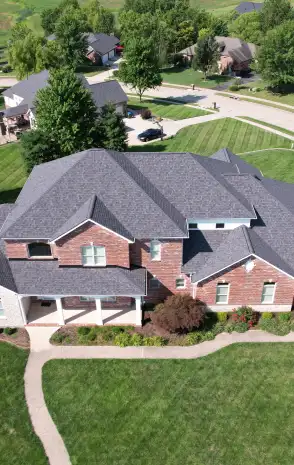
A home in this part of Illinois faces a wide range of conditions across the year, from humid summer heat to freezing winters and the occasional spring storm that reminds you how quickly weather can test a roof. Metal roofing holds up through all of it, without the cycle of gradual wear that eventually catches up with standard shingles. Beyond durability, a properly installed metal roof protects your home’s value, keeps maintenance demands low for decades, and gives you one less thing to worry about every time the forecast turns.
If you are ready to move forward or just want to talk through whether metal roofing is the right fit for your home, Total Roofing is here to help. Reach out to schedule an inspection and get a complete picture of your options before making any decisions.
Frequently Asked Questions
Got questions about your roof? We’ve got answers. From maintenance tips to insurance claims and repair timelines, our FAQ section covers the most common concerns homeowners have. Get informed and make confident decisions about protecting your home.
Will a metal roof be louder than my current shingles during heavy rain or hail?
This is one of the most common concerns homeowners bring up, and the honest answer is that a properly installed metal roof with a solid roof deck and insulation underneath sounds very similar to what you have now. The noise difference comes when metal is installed over an open or thin roof deck, which is not how a residential installation is done. Given how frequently this area sees heavy spring rain and the occasional hailstorm, it is worth asking your contractor directly about what goes beneath the panels, not just what goes on top.
Does the repeated freezing and thawing in a Fairview Heights winter cause metal panels to loosen over time?
Metal does expand and contract with temperature changes, and that is actually something a good installation accounts for from the start. Concealed fastener systems and properly spaced clips allow panels to move slightly without putting stress on the fasteners or creating gaps at the seams. If an installation ignores this and everything is locked down too rigidly, you can end up with panels that buckle or fasteners that work loose after a few winters. It is one of the details that separates a careful installation from one that just looks correct on the day it is finished.
Can my existing roof decking support a metal roof, or does it typically need to be replaced?
Decking condition varies a lot across the Fairview Heights market, especially on older homes, where moisture exposure over the years may have softened or weakened sections of the roof deck. Metal roofing itself is lighter than most people expect, so weight is rarely the issue. The real concern is whether the decking is solid enough to hold fasteners securely and uniform enough to keep panels lying flat. That is exactly why a thorough inspection of the substrate happens before materials are ordered, because replacing a section of decking mid-project is far simpler than discovering the problem after panels are already down.
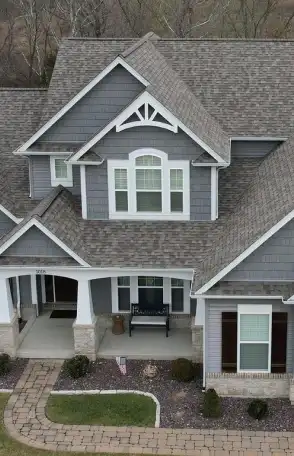
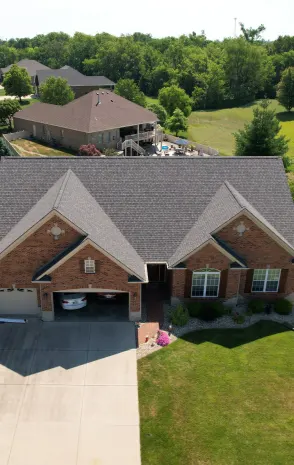
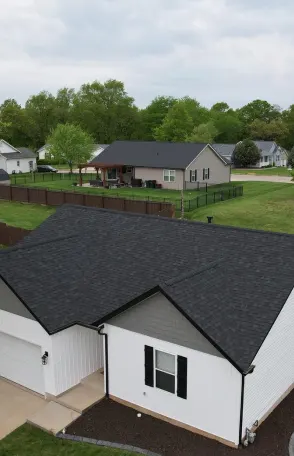
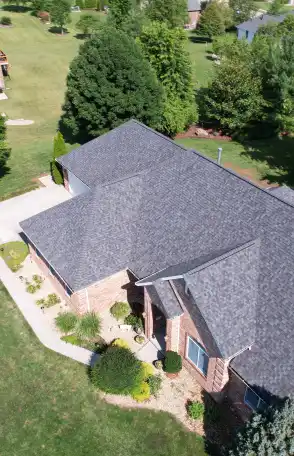
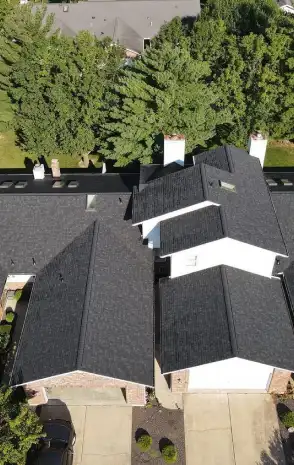
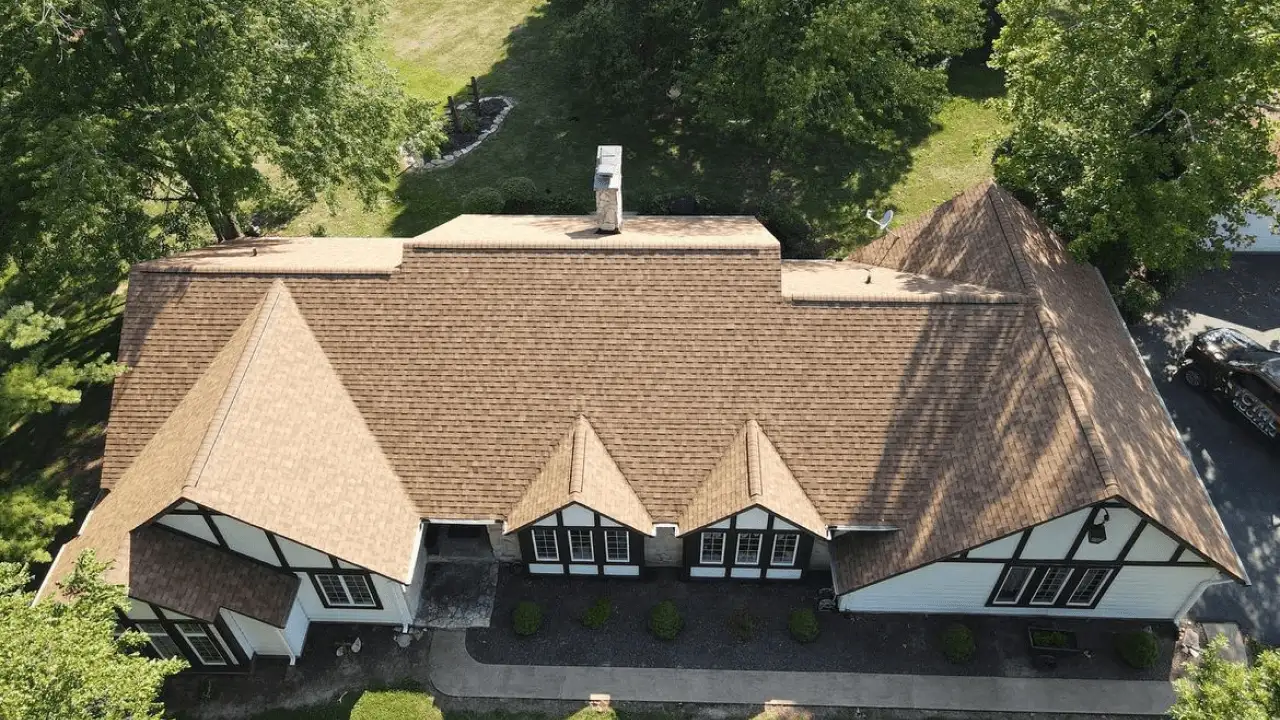
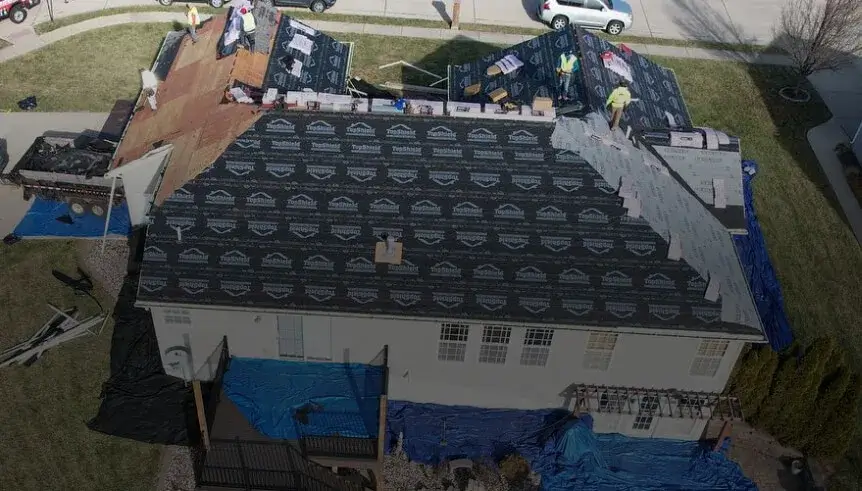
Our Work Speaks For Itself
Our completed roofing projects reflect our commitment to quality, durability, and craftsmanship. From repairs to full installations, every job is done with attention to detail and built to last.

Our Client Feedback
Our work is best told through our customers. Whether it’s a quick repair or a full roof replacement, Total Roofing delivers reliable roofing done right.
View more arrow_forward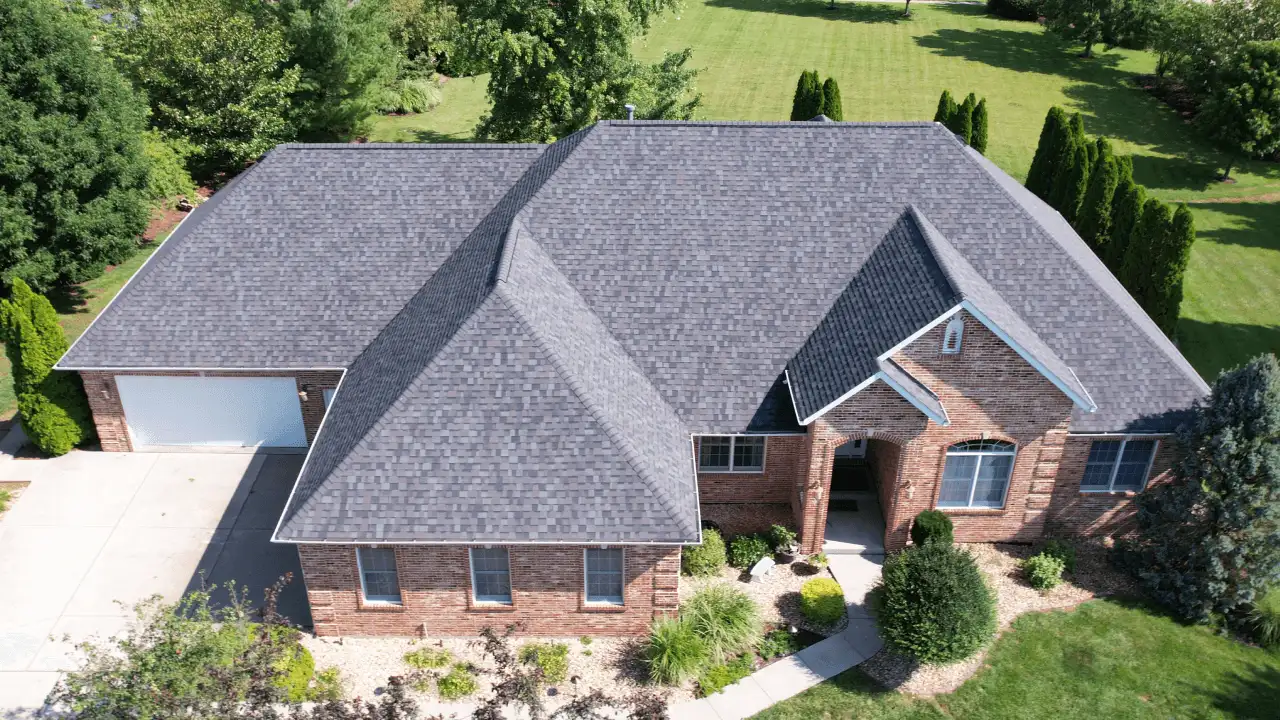




Professional Guidance and Consultation for All Roofing & Remodeling Projects
If you would like a free estimate for a new roof, please contact your nearest office location listed below. You may also submit an inquiry through the contact form, and a member of our team will respond promptly.
- done_allFree, detailed roof inspection by certified professionals Free
- done_allAccurate estimates with transparent pricing 100% Trusted
- done_allNo obligation and no pressure to commit
- done_allFast response and timely project scheduling
- done_allHigh-quality materials and skilled workmanship
- done_allDedicated support from consultation to completion







Get Your Free Professional Roof Inspection