

 call(618) 719-6767 call


Proudly Serving Homeowners Across Missouri
Emergency Roof Tarping in Kirkwood, MO
5.0 Stars - Based on 231 User Reviews
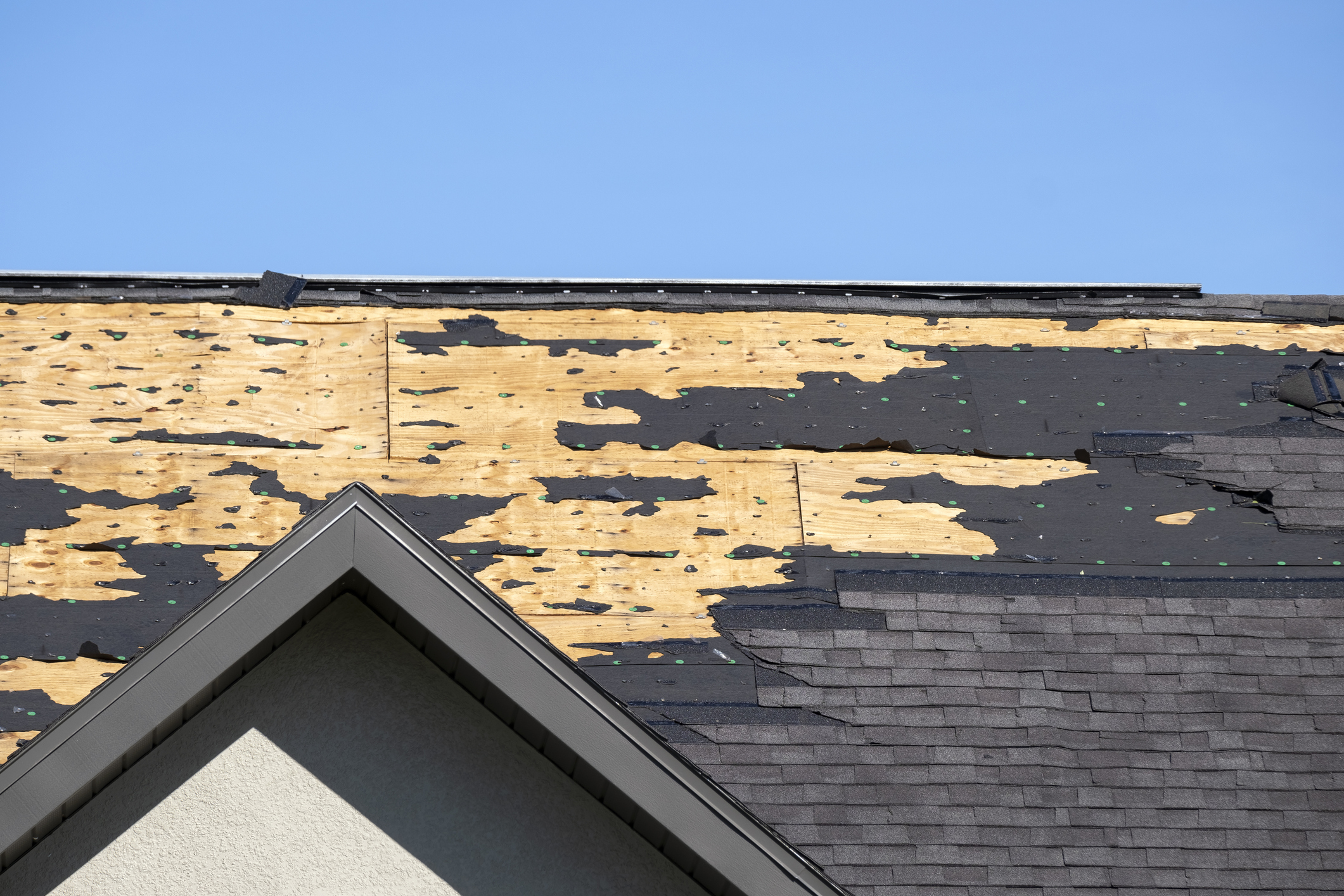
Kirkwood gets hit from both ends of the weather calendar. Spring and early summer bring heavy rain, strong winds, and hail that can tear through shingles and lift flashing in a matter of minutes. Winter adds its own pressure, with freezing temperatures that can make an already damaged roof worse if water gets underneath and refreezes. A large share of homes here were built before 1970, and older roofs tend to have more worn seal points, aging flashing, and irregular surfaces that give storm damage more places to take hold. When a storm opens up your roof, every hour without cover is another hour for water to work its way deeper into your home.
That’s exactly where emergency roof tarping makes a difference. A properly installed tarp stops the bleeding, so to speak, buying you the time you need to schedule permanent repairs without the damage spreading further. Total Roofing knows this area well, including the mix of steep residential roofs, older housing, and the kind of storms that roll through St. Louis County with hail and wind strong enough to cause serious, sudden damage. Getting a secure tarp in place quickly, with proper coverage around valleys, vents, chimneys, and exposed roof decking, is the first step toward protecting your home and keeping a bad situation from getting more expensive.
How Emergency Roof Tarping Works in Kirkwood, MO
Storm damage can leave you with an exposed roof and no clear idea of what needs to happen first. Total Roofing focuses on protecting the damaged area, assessing the roof, and explaining the repair process so you know what comes next.
- Step 1: Assess the Storm Damage
When you contact Total Roofing, we gather the basic details and evaluate the roof from the ground and, when appropriate, from the roof itself. Lifted shingles, broken sections, exposed roof decking, and other openings are identified so we can determine which areas need immediate temporary protection. - Step 2: Install Temporary Roof Protection
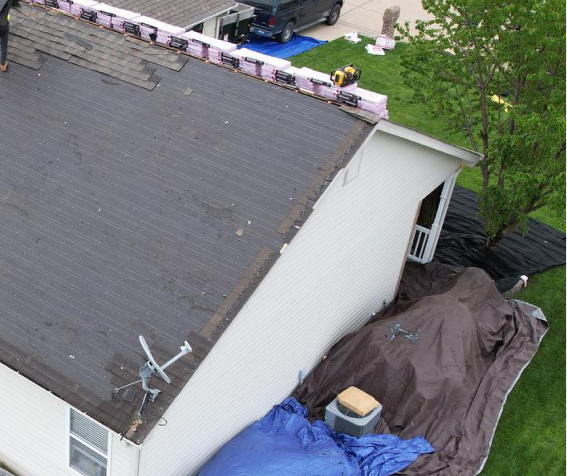
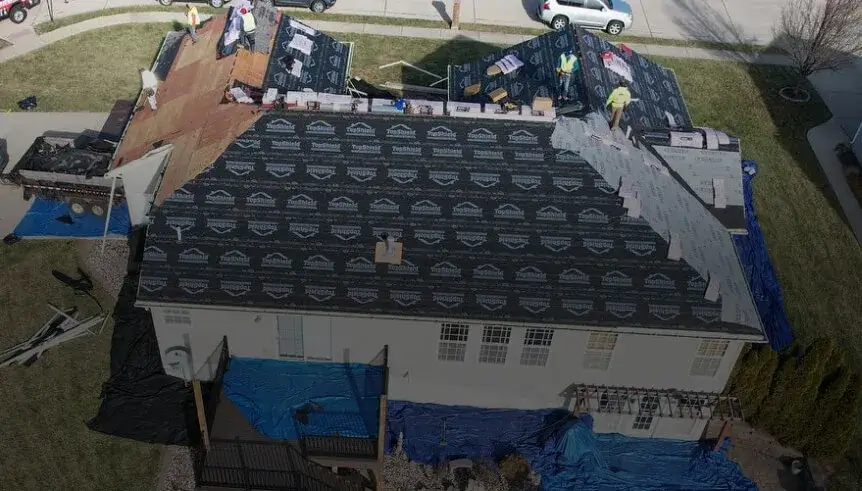
We cover the damaged area with a heavy-duty tarp and secure the edges carefully. Coverage extends around vulnerable locations such as valleys, vents, chimneys, and dormers where water could continue to enter. Irregular surfaces on older homes require additional attention so the tarp remains properly positioned over the exposed areas. - Step 3: Examine the Full Extent of the Damage
Once the temporary covering is in place, we inspect the surrounding roof more closely. Our review includes the flashing, underlayment, and roof decking along with the visible roofing damage. This helps us determine whether the problem is confined to the area that was initially identified or extends farther across the roof. - Step 4: Review the Permanent Repair
We go over the inspection findings with you and explain the repair options in straightforward terms. When the damage is limited to a smaller area, we will tell you that directly. Any work we recommend is based on the actual condition of the roof and what is required to address the storm damage. - Step 5: Explain the Follow-Up
Before leaving, we review what you should expect while the tarp remains in place and answer questions about the permanent repair. We also explain the next steps so you understand how the temporary protection fits into the larger repair process.
What Qualifies as an Emergency Tarp Situation in Kirkwood, MO
Not every roof issue requires an emergency response, but certain types of storm damage absolutely do. In Kirkwood, the combination of hail, high winds, and older homes with aging roofs means the window between minor damage and a serious leak can close faster than most homeowners expect.
| Damage Type | Why It Needs Tarping Quickly | Local Factor |
|---|---|---|
| Hail impact zones | Punctured or cracked shingles let water through fast | Hail around 1 to 1.75 inches is common in the St. Louis area |
| Wind-lifted shingles | Exposed underlayment soaks through quickly in rain | Severe storms with winds above 58 mph are a regular local concern |
| Exposed roof decking | Open roof decking absorbs water and weakens structure | Steep roof designs in Kirkwood can make damage spread faster |
| Failed or missing flashing | Gaps around chimneys and vents allow direct water entry | Older Kirkwood homes have more worn flashing and seal points |
| Winter damage openings | Water can refreeze under damaged sections and make the breach worse | Temperature changes through winter create added pressure on compromised roofs |
If your roof has any of these conditions after a storm, waiting is not a good option. A secure tarp placed over the right areas, with proper edge anchoring and full coverage around vulnerable spots, keeps the situation from getting more expensive before repairs can be scheduled.
Heavy-Duty Tarp Materials Built for St. Louis Weather
Not all tarps hold up the same way under rain, hail, and wind. We use thick, reinforced tarps rated to handle the kind of weather Kirkwood sees, so the temporary cover doesn’t fail before permanent repairs can be scheduled.
Secure Edge Anchoring on Steep and Complex Rooflines
A tarp that isn’t properly anchored can lift, shift, or peel back in strong wind, leaving your home exposed again. We weight and fasten edges in a way that accounts for steep pitches and the varied roof layouts common in Kirkwood’s mix of older and mid-century homes.
Full Coverage Around High-Risk Gaps
Chimneys, dormers, vents, and roof valleys are the spots where water finds a way in fastest, especially on homes with aging or irregular surfaces. Our tarping coverage extends to these areas specifically, not just the obvious damaged section, to close off every open leak path.
Winter-Ready Installation for Freezing Conditions
When temperatures drop into the 20s, water that gets under a damaged roof can refreeze and push existing damage wider before you even notice. Emergency tarping in colder months is installed with that in mind, keeping exposed areas sealed against both rain and the freeze-thaw cycle that Kirkwood winters bring.
Get Emergency Roof Tarping Done in Kirkwood, MO
Kirkwood’s weather doesn’t give you much grace period after roof damage. Between the wet stretches of late spring, summer storms, and winters that push temperatures into the 20s, an uncovered opening in your roof can go from a minor problem to a serious one faster than most homeowners expect. That’s especially true on older homes, where worn seal points and aging materials give water more places to settle in before repairs can be made. Getting a tarp in place quickly is one of the most practical things you can do to protect your home and keep repair costs from climbing.
If your roof has taken storm damage and you’re not sure what to do next, Total Roofing is ready to help. Reach out whenever you’re ready, and we’ll take a look, walk you through what we find, and get your home covered.
Frequently Asked Questions
Got questions about your roof? We’ve got answers. From maintenance tips to insurance claims and repair timelines, our FAQ section covers the most common concerns homeowners have. Get informed and make confident decisions about protecting your home.
Does the age of my home affect how emergency tarping is handled?
Yes, and it matters more than most people realize. Older homes in Kirkwood often have irregular roof surfaces, multiple layers of worn materials, and flashing that has shifted over the years, which means a tarp has to be fitted and anchored more carefully to cover all the open leak paths. A tarp laid the same way on a newer roof and a pre-1970 home can perform very differently when a storm rolls back through.
Can a tarp handle a second round of storms while I wait for permanent repairs?
A properly installed, heavy-duty tarp can hold up through additional rain and moderate wind, but it’s not a permanent fix and should be checked after any bad weather. In the St. Louis area, it’s not unusual to see back-to-back storm systems in spring and early summer, so edge anchoring and coverage around valleys and gaps matter a lot for keeping the tarp secure between your damage and your scheduled repair date.
What happens to roof damage that is left uncovered through a Kirkwood winter?
Water that gets into an open roof section can refreeze when temperatures drop into the 20s, and that expanding ice pushes existing damage wider, sometimes affecting areas of the roof that were not originally compromised. By the time temperatures rise and you get a full inspection done in the spring, the scale of repairs needed can be larger than what the original storm caused. Getting a tarp in place before freezing weather sets in keeps that from happening.
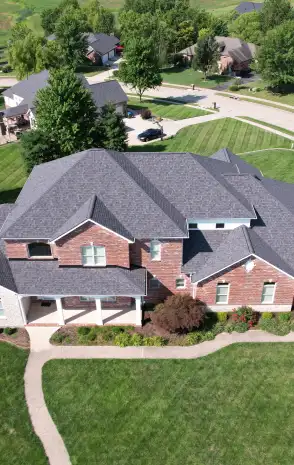
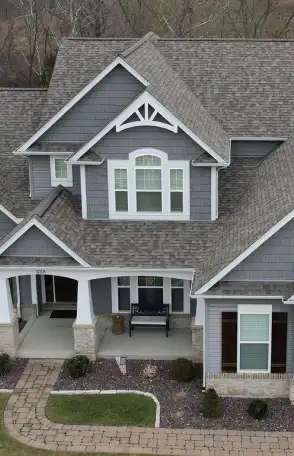
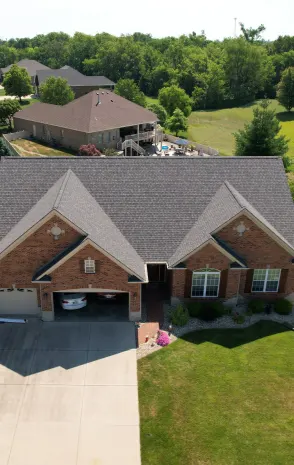
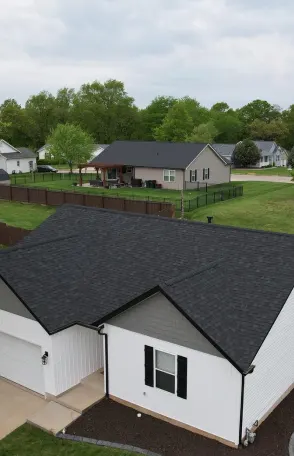
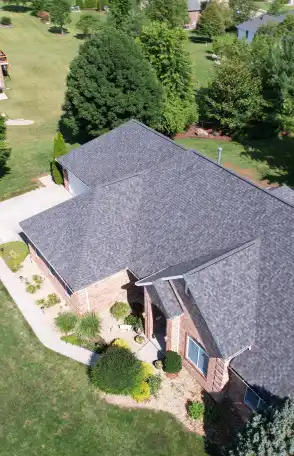
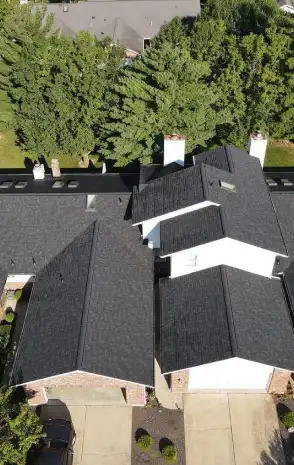
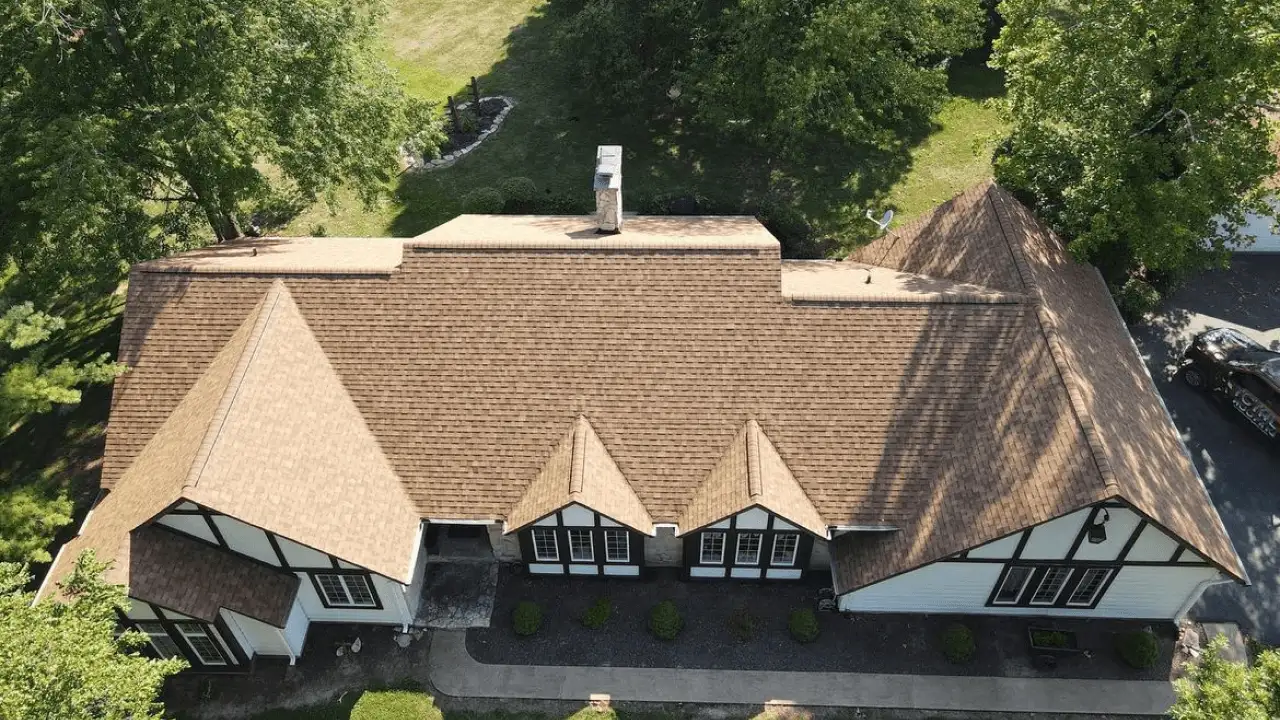
Our Work Speaks For Itself
Our completed roofing projects reflect our commitment to quality, durability, and craftsmanship. From repairs to full installations, every job is done with attention to detail and built to last.

Our Client Feedback
Our work is best told through our customers. Whether it’s a quick repair or a full roof replacement, Total Roofing delivers reliable roofing done right.
View more arrow_forward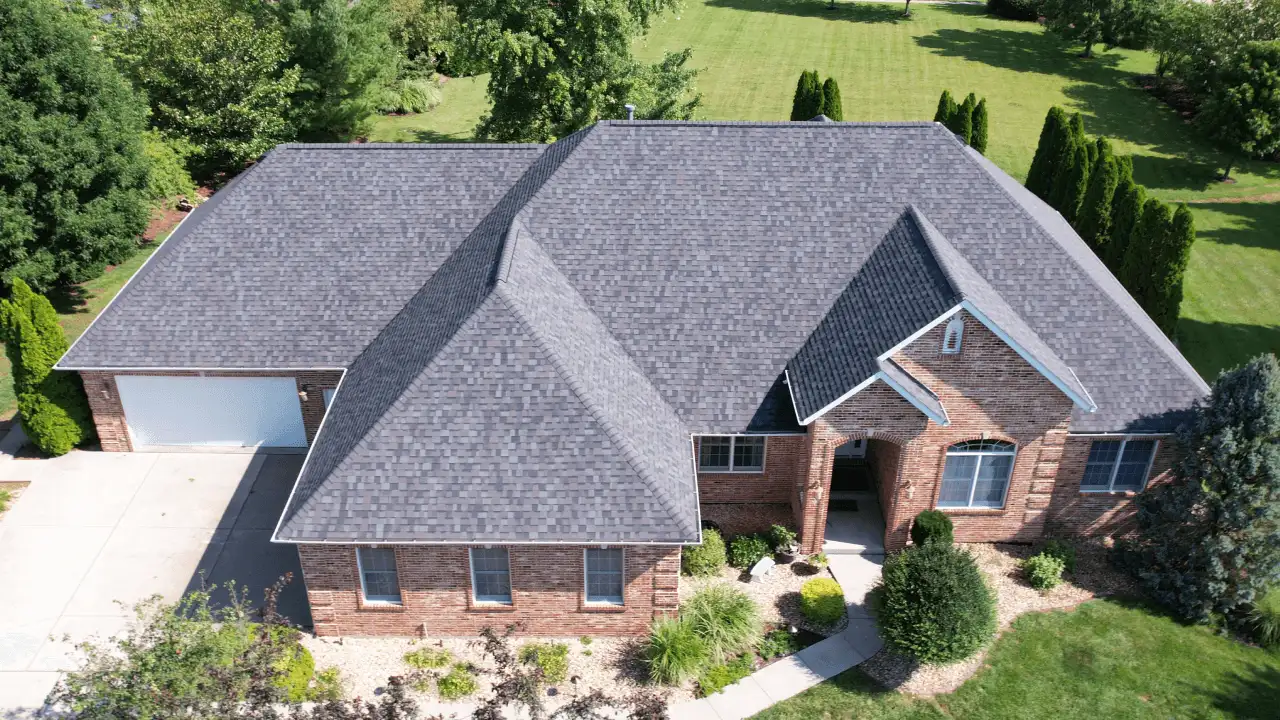











Professional Guidance and Consultation for All Roofing & Remodeling Projects
If you would like a free estimate for a new roof, please contact your nearest office location listed below. You may also submit an inquiry through the contact form, and a member of our team will respond promptly.
- done_allFree, detailed roof inspection by certified professionals Free
- done_allAccurate estimates with transparent pricing 100% Trusted
- done_allNo obligation and no pressure to commit
- done_allFast response and timely project scheduling
- done_allHigh-quality materials and skilled workmanship
- done_allDedicated support from consultation to completion










Get Your Free Professional Roof Inspection