

 call(618) 719-6767 call


Proudly Serving Homeowners Across Missouri
Emergency Roof Repair in O'Fallon, IL
5.0 Stars - Based on 224 User Reviews
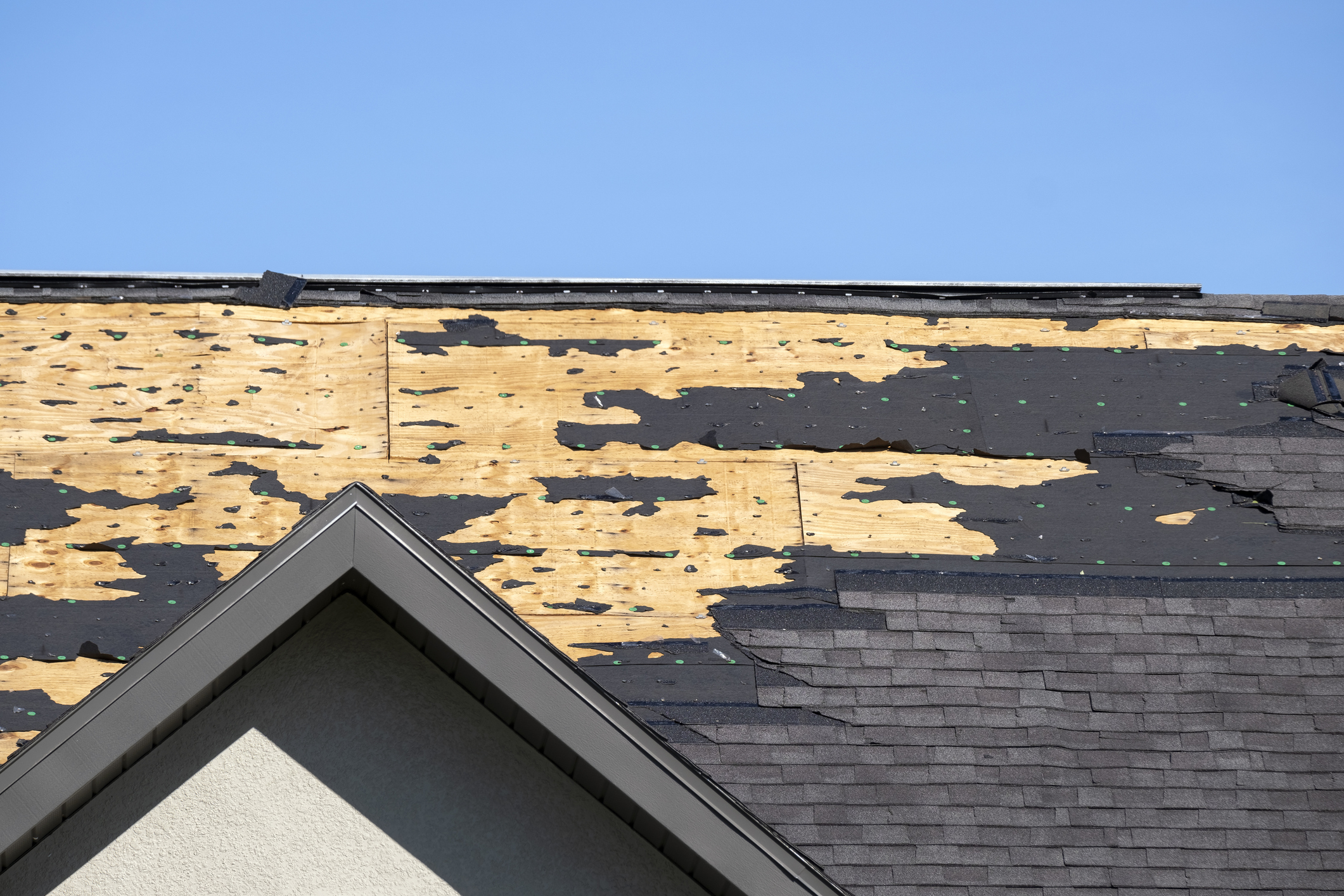
O'Fallon sits squarely in the path of Midwest weather that doesn't go easy on roofs. Summers push temps into the 90s, winters bring freezing conditions and ice buildup, and the area sees around 50 inches of precipitation each year. Hailstorms roll through with little warning, high winds pull shingles loose, and heavy rain finds every weak point in an aging or damaged roof. What starts as a few missing shingles or a small section of cracked flashing can open the door to leaks within a single storm cycle, and once water gets beneath the roofing system, the damage spreads fast into roof decking, insulation, and interior ceilings.
That's exactly where Total Roofing steps in. As a local contractor familiar with the specific weather patterns and roof conditions common across O'Fallon, the team responds quickly to stop active damage and protect your home before a manageable problem becomes something far more serious. Whether your roof took a direct hit from a falling branch, lost shingles in last night's storm, or you noticed a brown stain spreading across your ceiling, fast professional attention is what separates a straightforward repair from an expensive structural project.
Emergency roof repair isn't just about patching a hole. It's about getting your home protected as quickly as possible, with the right materials and the experience to do the job correctly under pressure. Total Roofing brings both to every call.
How Emergency Roof Repair Works in O'Fallon, IL
A roof emergency can escalate quickly, especially when water is entering your home. Understanding how the repair process works helps remove uncertainty and gives you a clear picture of what to expect from the first call through the completed repair.
- Step 1: Emergency Assessment
When you contact Total Roofing, we respond quickly to evaluate the situation. Before arriving, we gather key details about the damage so our crew is prepared for conditions such as missing shingles, fallen tree limbs, or active leaks. Our first objective is to determine the severity of the problem and identify what requires immediate attention. - Step 2: Temporary Protection
If your roof has exposed areas that could allow additional water inside, we install temporary protective measures before beginning permanent repairs. Reinforced tarps or other appropriate coverings help safeguard the roof decking, insulation, and interior of your home while the repair plan is finalized. Stabilizing the roof is the priority during this stage. - Step 3: Complete Damage Evaluation
Once the immediate threat has been addressed, we perform a thorough inspection of the damaged area and the surrounding roof. We examine shingles, flashing, roof gaps, roof decking, and other components that may have been affected by the same storm. This full evaluation allows us to identify both visible and concealed damage before repair work begins. - Step 4: Repair Plan and Professional Restoration
After the inspection, we explain our findings in straightforward language and outline the repairs your roof actually needs. If the damage is confined to a small section, we'll recommend a targeted repair rather than unnecessary work. Once approved, our crew completes the repairs efficiently, with many emergency projects finished within a few hours to a single day, depending on the scale of the work. - Step 5: Final Verification and Customer Walkthrough
Before the project is complete, we inspect every repaired area to verify the work has been completed properly. We then review the finished repairs with you, answer any remaining questions, and discuss any conditions that may deserve attention in the future, helping you better understand your roof's current condition and reduce the likelihood of future emergencies.
Common Emergency Roof Issues in O'Fallon, IL
O'Fallon's storm seasons bring a range of roof damage situations, and knowing what you're dealing with helps you act faster and smarter. Some issues look minor from the ground but indicate serious damage beneath the surface, while others are clearly urgent from the start.
| Issue Type | Common Cause | How Quickly to Act |
|---|---|---|
| Missing or lifted shingles | High-wind thunderstorms | Within a few days, to prevent moisture from reaching the roof decking |
| Active ceiling leaks | Compromised flashing or cracked shingles | Immediately, brown or yellow stains signal ongoing water damage |
| Ice dam leaks | Temperature changes and deteriorated flashing | Same day, trapped meltwater spreads fast into interior structures |
| Punctures from fallen branches | Storm-broken overhanging limbs | Immediately, large gaps expose the roof decking and insulation directly |
| Granule loss on shingles | Age and repeated storm impact | Within days, unprotected shingles fail faster in the next storm |
If you're unsure whether your situation qualifies as a true emergency, the safer assumption is that it does. O'Fallon sees enough rain and storm activity throughout the year that even small gaps in your roof's surface can lead to significant interior damage before the next weather system moves through. Document what you can see from the ground, stay off a wet roof, and get a professional out to inspect the damage as soon as possible.
Temporary Tarping for Open Roof Areas
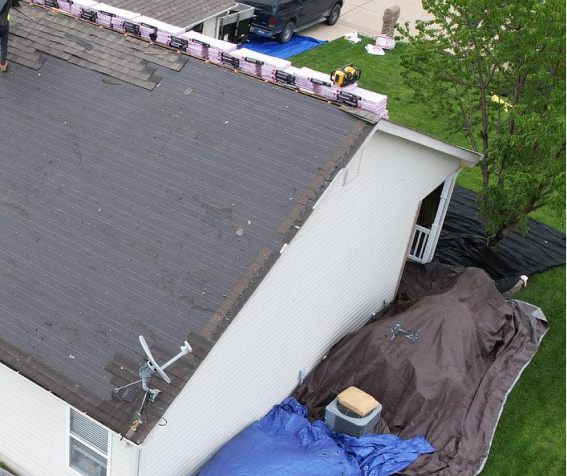
When sections of your roof are exposed after a storm, a properly secured tarp buys important time between the emergency and the permanent repair. This protection covers vulnerable roof decking and keeps water out during the repair window, which matters a lot in a market that averages around 50 inches of precipitation each year.
Flashing Repair and Resealing
Flashing around chimneys, vents, and roof transitions is one of the most common failure points during high-wind storms in O'Fallon. When flashing pulls loose or cracks, water finds its way in fast, so restoring a tight seal around these areas is a core part of any complete emergency repair.
Shingle Replacement with Storm-Resistant Materials
When shingles are replaced as part of an emergency repair, you have the option to upgrade to impact-resistant materials that hold up better against the hail and wind storms that O'Fallon sees regularly. Choosing the right shingle during a repair can reduce the chance of the same section failing again in the next storm season.
Granule Loss and Accelerated Wear Correction
Shingles that have lost significant granule coverage are far more vulnerable to heat, UV exposure, and storm impact, making them a weak point even after surrounding damage is fixed. Addressing granule loss as part of the emergency repair prevents those thinned-out areas from becoming the next source of leaks before your roof gets its next full inspection.
Get Emergency Roof Repairs Handled in O'Fallon, IL
O'Fallon's weather puts roofs through a real workout, and when damage happens, the window to act is shorter than most homeowners expect. A gap that seems minor after one storm can let in enough moisture during the next one to reach your insulation, ceiling, and interior framing.
Getting the repair done quickly protects your home from that kind of spreading damage and keeps a straightforward fix from growing into something far more involved and expensive.
Total Roofing is ready to help you move from damaged to protected as quickly as possible. If you've spotted missing shingles, noticed a stain on your ceiling, or your roof has taken any kind of impact recently, reaching out sooner rather than later is the right call. The team will inspect the damage honestly, explain what needs to be done, and get your home covered. Whenever you're ready, Total Roofing is a straightforward call away.
Frequently Asked Questions
Got questions about your roof? We’ve got answers. From maintenance tips to insurance claims and repair timelines, our FAQ section covers the most common concerns homeowners have. Get informed and make confident decisions about protecting your home.
How do I know if ceiling stains mean my roof needs emergency repair or if I can wait a few days?
Brown or yellow stains on your ceiling are a sign that water has already moved past the roofing surface and into the structure below, which means the situation is already past the waiting stage. In O'Fallon, where the area can pick up several inches of rain in a single storm system, that moisture pathway will let in more water every time it rains. Getting a professional out quickly to locate the source is the right move, even if the stain looks small right now.
What should I do about overhanging trees near my roof before storm season hits?
Trimming branches that hang over your roof is one of the most practical things you can do before O'Fallon's spring and summer storm season, since falling limbs are a leading cause of punctures and large-scale shingle loss during high winds. A branch doesn't have to be massive to cause serious damage. Even mid-sized limbs can dislodge entire sections of shingles or crack the roof deck when they fall with force. If a branch has already come down and made contact with your roof, treat it as an emergency and get the damage inspected before the next round of rain arrives.
Do emergency roof repairs in winter require different materials or methods than warm-weather repairs?
Winter repairs in O'Fallon do require some adjustments, particularly around how sealants and adhesives are applied, since cold temperatures affect how roofing materials bond and set. A contractor experienced with cold-weather repairs will account for this, using appropriate products and techniques to ensure the repair holds until a full warm-weather fix can be completed if needed. Ice dams and frozen flashing also create conditions that are harder to fully address mid-winter, so temporary protection may be part of the plan while temperatures remain too low for certain permanent repairs.
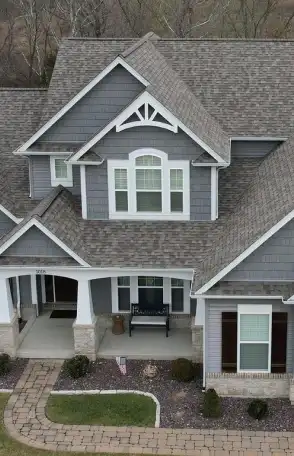
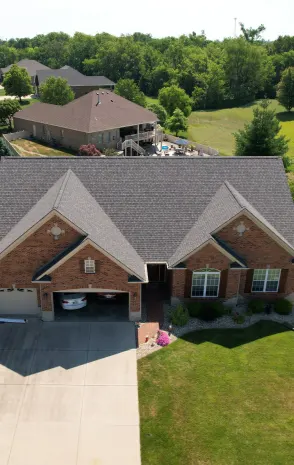
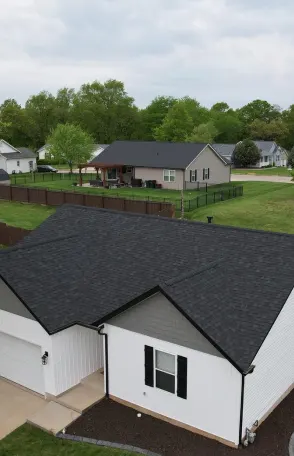
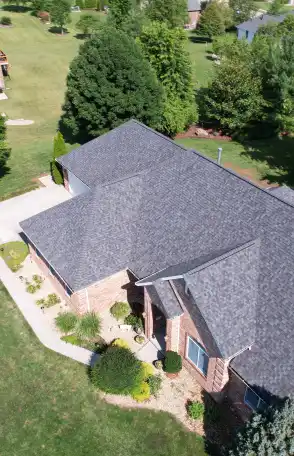
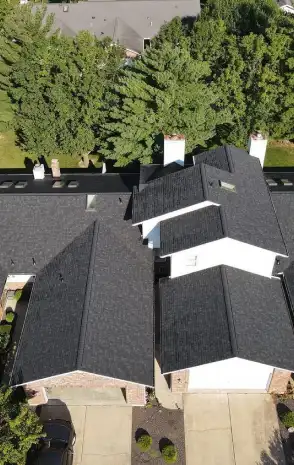
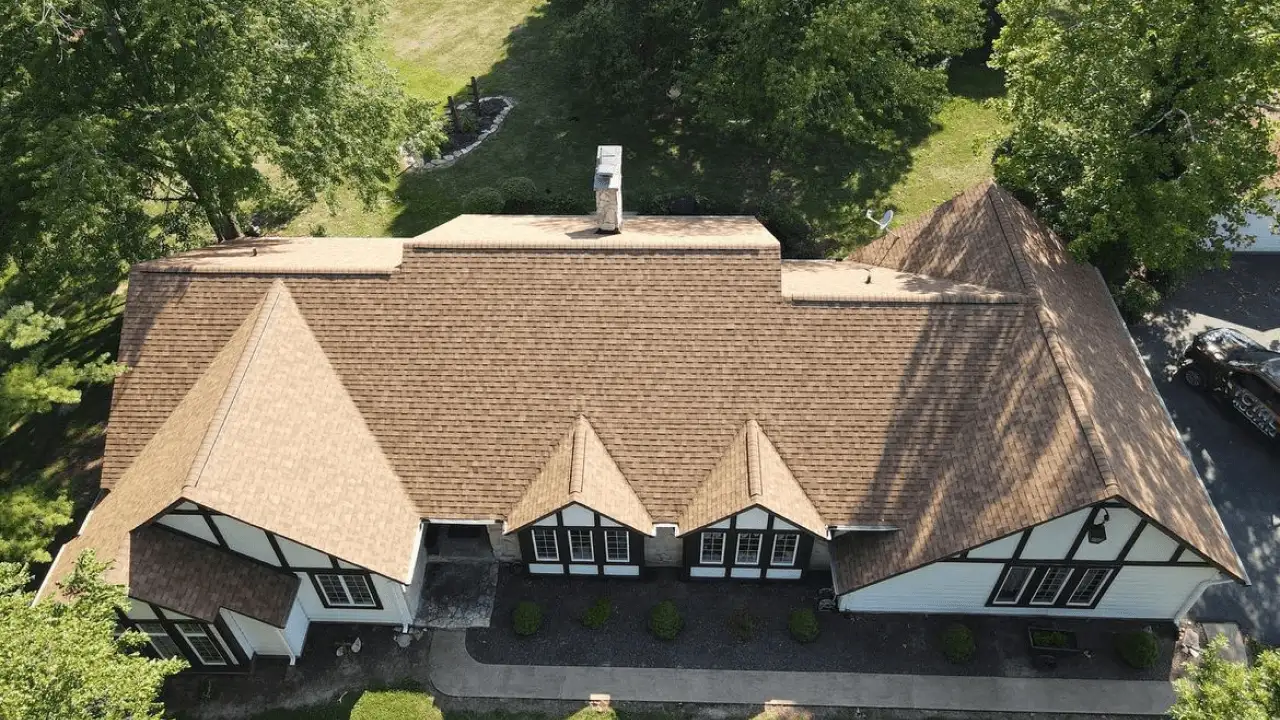
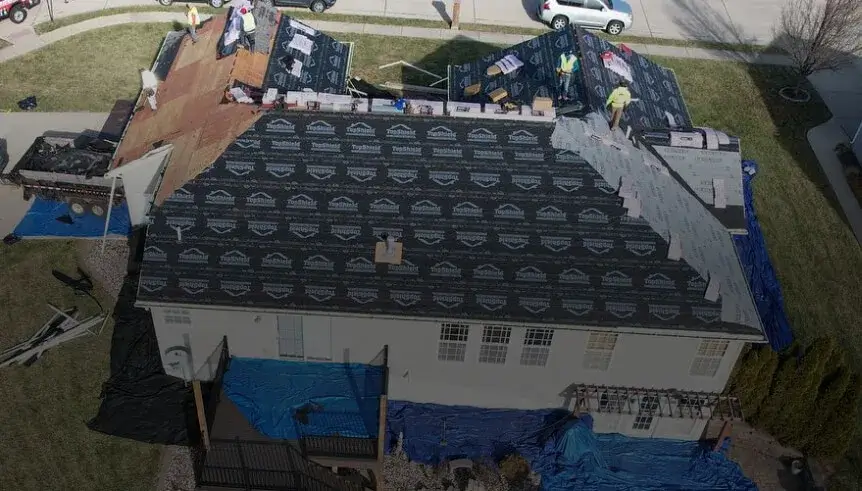
Our Work Speaks For Itself
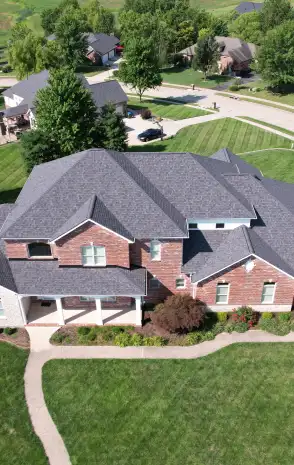
Our completed roofing projects reflect our commitment to quality, durability, and craftsmanship. From repairs to full installations, every job is done with attention to detail and built to last.

Our Client Feedback
Our work is best told through our customers. Whether it’s a quick repair or a full roof replacement, Total Roofing delivers reliable roofing done right.
View more arrow_forward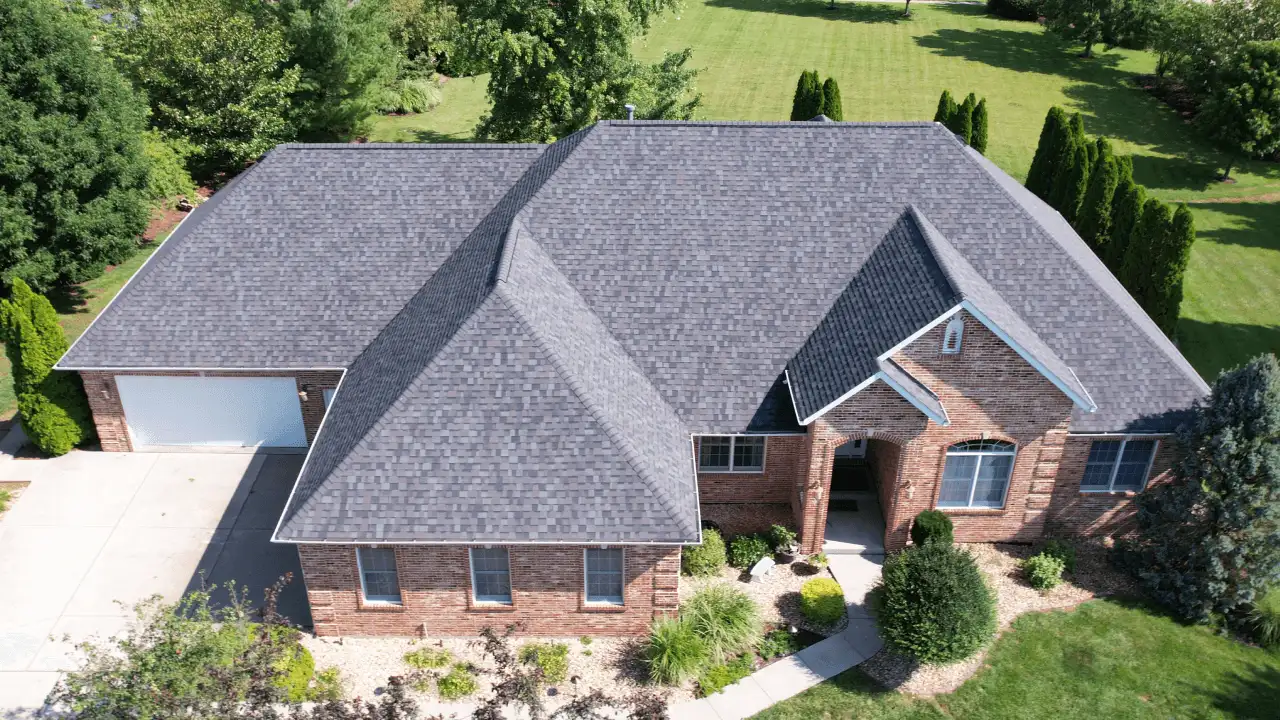






Professional Guidance and Consultation for All Roofing & Remodeling Projects
If you would like a free estimate for a new roof, please contact your nearest office location listed below. You may also submit an inquiry through the contact form, and a member of our team will respond promptly.
- done_allFree, detailed roof inspection by certified professionals Free
- done_allAccurate estimates with transparent pricing 100% Trusted
- done_allNo obligation and no pressure to commit
- done_allFast response and timely project scheduling
- done_allHigh-quality materials and skilled workmanship
- done_allDedicated support from consultation to completion









Get Your Free Professional Roof Inspection