

 call(618) 719-6767 call


Proudly Serving Homeowners Across Missouri
Storm Damage Roof Repair in O'Fallon, IL
5.0 Stars - Based on 222 User Reviews
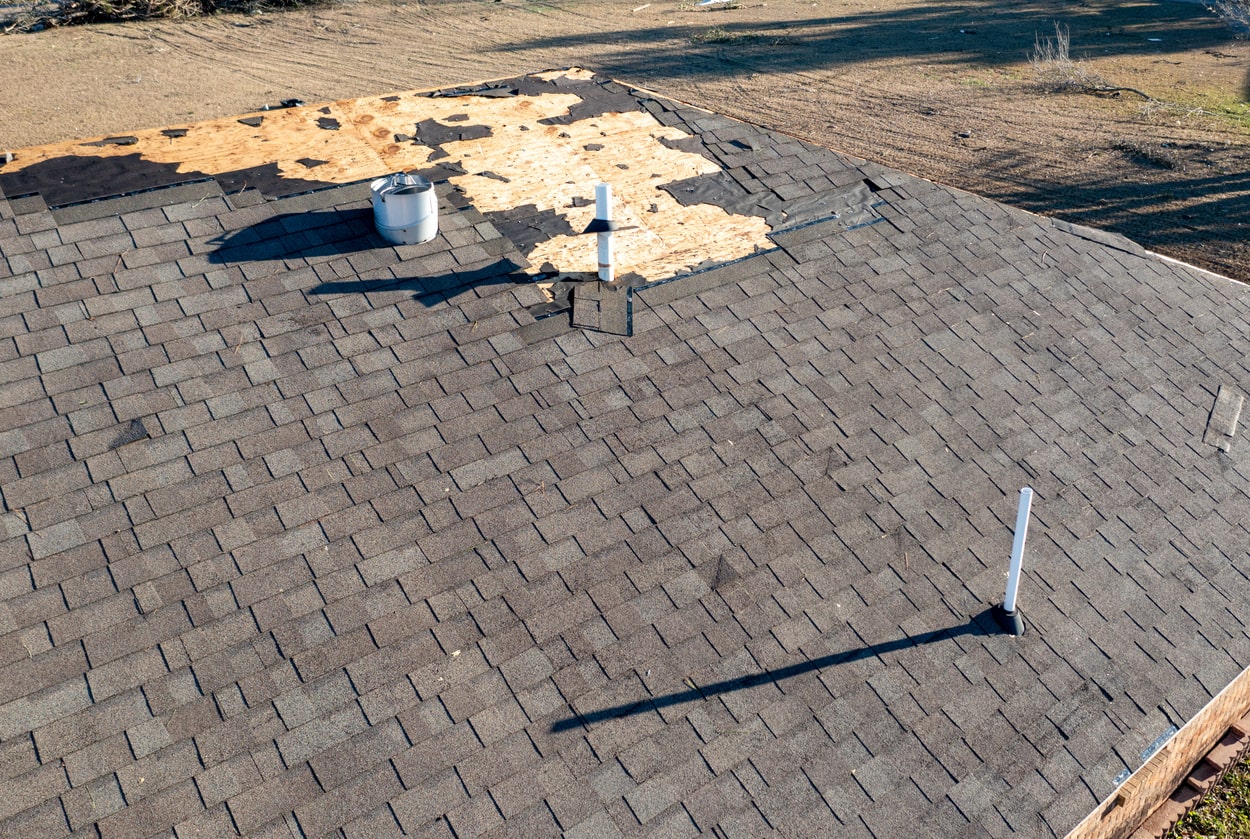
O'Fallon sits right in the path of some of the Midwest's most punishing storm seasons. Spring and summer bring repeated rounds of hail and high winds across the flat terrain here, and that open exposure means storms hit rooftops with little buffer. Hail cracks and dents asphalt shingles, winds lift edges and loosen tabs, and the damage is not always obvious from the ground. Many of the homes in this area were built between the 1980s and early 2000s, and those roofs have absorbed years of that kind of punishment. With close to 45 inches of annual rainfall and winters that swing from freezing temperatures down into the teens, even a small area of compromised shingles can let water work its way into your home before you realize there is a problem.
That is exactly the kind of situation Total Roofing works to get ahead of for homeowners across O'Fallon. Getting a thorough inspection done after a significant storm gives you a clear picture of what actually happened to your roof, from visible shingle damage down to the roof decking underneath. Catching issues early means repairs stay manageable, and your roof stays ready to handle whatever the next season brings before unresolved leaks become a much bigger problem heading into winter.
How Storm Roof Repair Works in O'Fallon, IL
Not knowing what happens after a storm-related call can add unnecessary stress. Here is how the process works when you contact Total Roofing.
- Step 1: Problem Inspection
We access the roof directly and assess all areas affected by wind or hail. This includes shingles, ridge lines, flashing transitions, and any roof deck sections that may show signs of impact. Many storm issues are not visible from ground level, so the inspection focuses on confirming actual material condition rather than surface appearance alone. - Step 2: Diagnosis and Options Discussion
After the inspection is complete, we explain the findings in straightforward terms. This includes what damage is present, what is structurally relevant, and what can safely remain as-is. If only limited areas are affected, that is clearly stated, along with why broader work is not necessary. - Step 3: Prioritization of Repairs and Sequencing Plan
Instead of jumping straight to pricing language, we first organize what needs to be addressed in order of importance. Active leak points and structural vulnerabilities are separated from cosmetic or non-urgent issues. This creates a clear repair sequence so the most important areas are handled first, and temporary stabilization can be identified if needed. - Step 4: Professional Repair
Repairs are completed using materials selected to align with the existing roofing system. Work is typically completed within a short window, depending on severity. Attention is given to both visible damage and any underlying issues identified during inspection to ensure consistency across repaired sections. - Step 5: Quality Verification and Walkthrough
Once work is finished, a final review is performed on-site. Repaired areas are checked for proper sealing and stability, and the completed job scale is reviewed with you so the results are fully transparent before the project is closed.
Common Storm Damage Patterns in O'Fallon, IL
The weather conditions in this area create specific, repeating patterns of roof damage that homeowners should understand. Knowing what to look for and why certain issues develop the way they do helps you make confident decisions after a storm rolls through.
| Damage Type | Common Cause | Why It Gets Worse Over Time |
|---|---|---|
| Granule loss on shingles | Hail impact | Exposed asphalt degrades faster under UV, shortening roof life |
| Lifted or loose shingle tabs | High wind gusts | Open edges allow water underneath, which gets worse with temperature changes |
| Cracked or bruised shingles | Hail impact | Small cracks expand and let leaks reach the roof decking below |
| Compromised sheathing | Repeated water exposure | Soft or warped roof decking leads to sagging and structural concerns |
| Flashing separations | Wind stress at roof edges | Gaps around gaps allow water to track into your home |
Older homes in O'Fallon are especially vulnerable because the roofs have already handled years of Midwest storms. Damage that looks minor after a single storm can add up quickly, particularly heading into fall when unresolved leaks set the stage for ice buildup along your eaves once temperatures drop.
Sheathing and Roof Deck Repair
When hail or repeated water exposure weakens the wood underneath your shingles, new shingles alone will not hold up. We replace damaged sheathing as part of the repair, so your roof has a solid base, not just a fresh surface over a problem that will keep growing.
Flashing Repair and Resealing
Wind stress pulls flashing away from chimneys, vents, and roof edges, and those gaps are a direct path for water into your home. We reseal and reset flashing as part of storm repairs so those vulnerable transition points are properly closed off before the next round of heavy rain.
Material Matching for Repaired Areas
Replacing shingles in a damaged section with materials that do not match the rest of your roof can affect both appearance and performance. We work to closely match color, profile, and wind uplift ratings to the existing shingles so repaired areas hold up to the same conditions the rest of your roof is rated for.
Emergency Tarping for Active Leak Situations
When a storm leaves your roof exposed, and rain is not done yet, waiting for a scheduled repair window is not an option. We provide temporary tarping to protect your home from further water damage until full repairs can be completed, keeping a bad situation from getting worse inside your walls and ceilings.
Get Storm Damage Repaired for Your Home in O'Fallon, IL
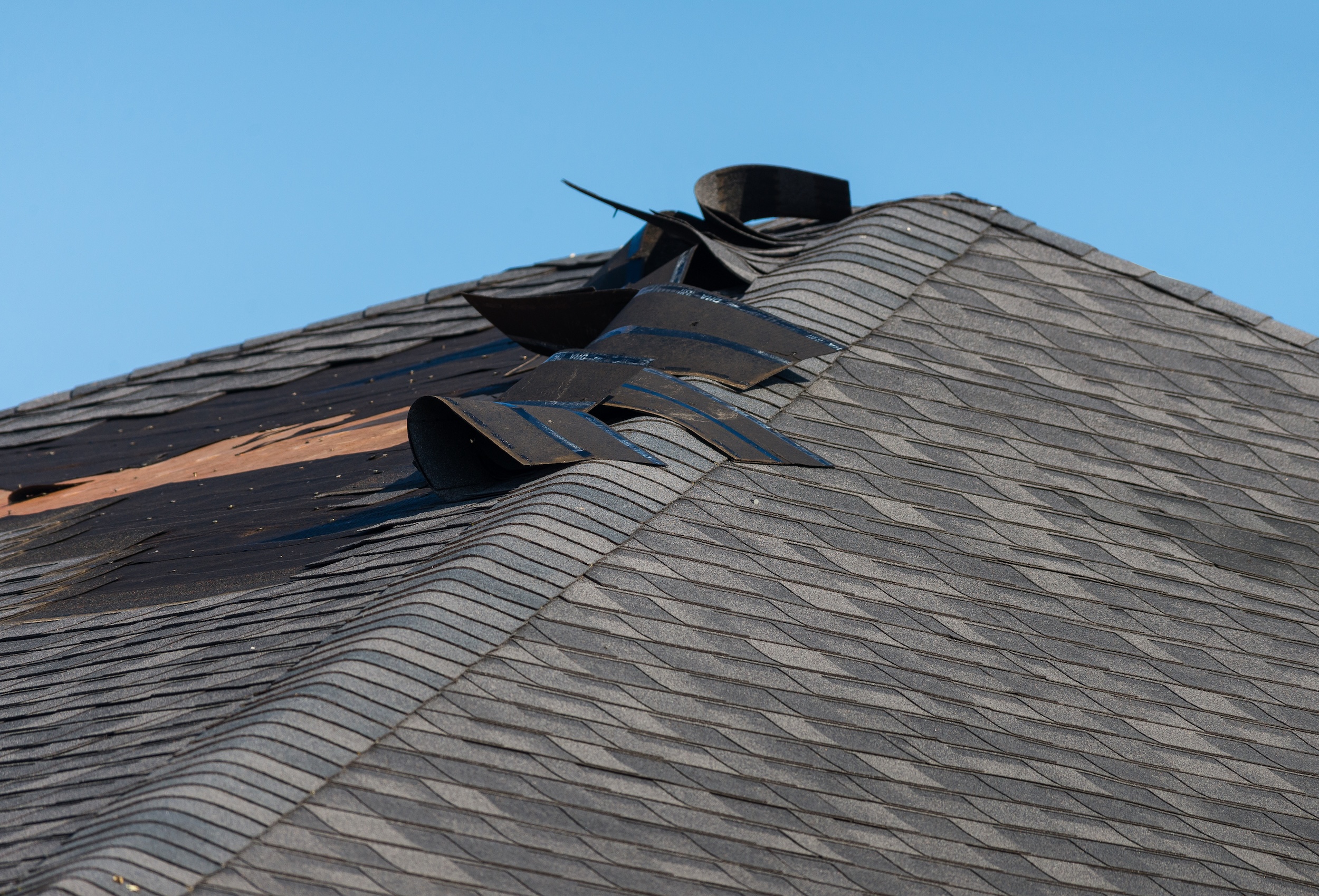
Living in this part of Illinois means your roof faces real weather pressure every year. Thunderstorm seasons bring hail and wind that quietly wear down even a well-maintained roof, and the cold months that follow can turn overlooked damage into something far more disruptive. Getting repairs handled before fall sets in protects your home from leaks that get worse once temperatures drop and ice begins to form along the eaves. Staying ahead of that cycle is one of the most practical things you can do to protect your investment in your property.
Total Roofing is familiar with the conditions homeowners in this part of Illinois deal with season after season, and we are ready to help you get your roof back in solid shape. If you had a recent storm come through or you noticed something that does not look right, reaching out for an inspection is a straightforward next step. We will give you a clear picture of where things stand, and you can go from there.
Frequently Asked Questions
Got questions about your roof? We’ve got answers. From maintenance tips to insurance claims and repair timelines, our FAQ section covers the most common concerns homeowners have. Get informed and make confident decisions about protecting your home.
How do I know if my roof has structural damage underneath the shingles after a hail storm?
Surface shingle damage is usually visible, but compromised sheathing underneath is harder to spot without getting on the roof and physically checking. Signs like soft spots when walking on the roof, subtle sagging between rafters, or shingles that feel unstable underfoot can point to roof deck that has absorbed water or taken impact damage. A hands-on inspection is the only reliable way to know what is happening below the surface, especially on older O'Fallon homes that have weathered years of Midwest hail seasons.
Does the flat terrain around O'Fallon actually make storm damage worse compared to other areas?
It does make a real difference. Without natural windbreaks like significant hills or dense tree coverage, straight-line winds from regional storm systems move across this area with little resistance before hitting your rooftop. That kind of uninterrupted wind exposure puts more stress on shingle tabs and flashing than you might see in areas with more varied terrain, and hail cores from storms tracking through Madison County tend to hit roofs more directly as a result.
Is a permit required for storm damage roof repairs in O'Fallon?
It depends on the scale of the work. Minor shingle repairs typically do not trigger a permit requirement, but repairs that involve structural changes, large-scale replacements, or sheathing work generally do require one under local building rules. Your contractor should be able to tell you upfront whether your specific repair falls into that category and handle the permit process so you are not left navigating that on your own.
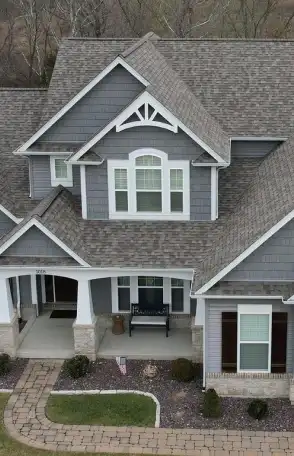
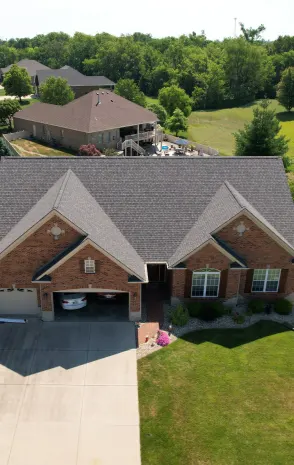
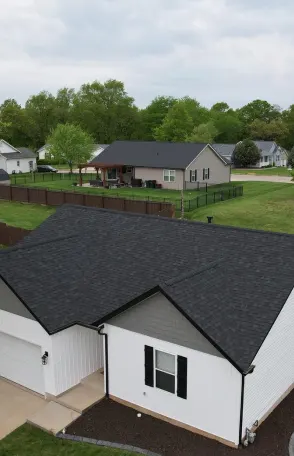
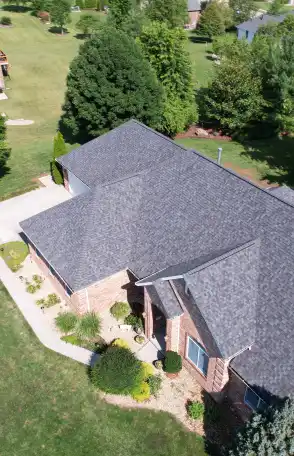
Our Work Speaks For Itself
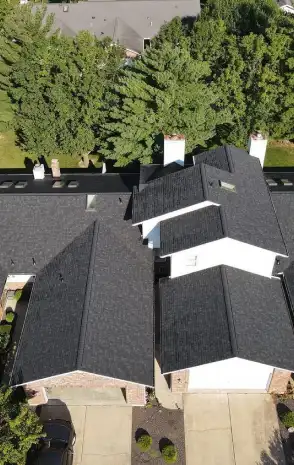
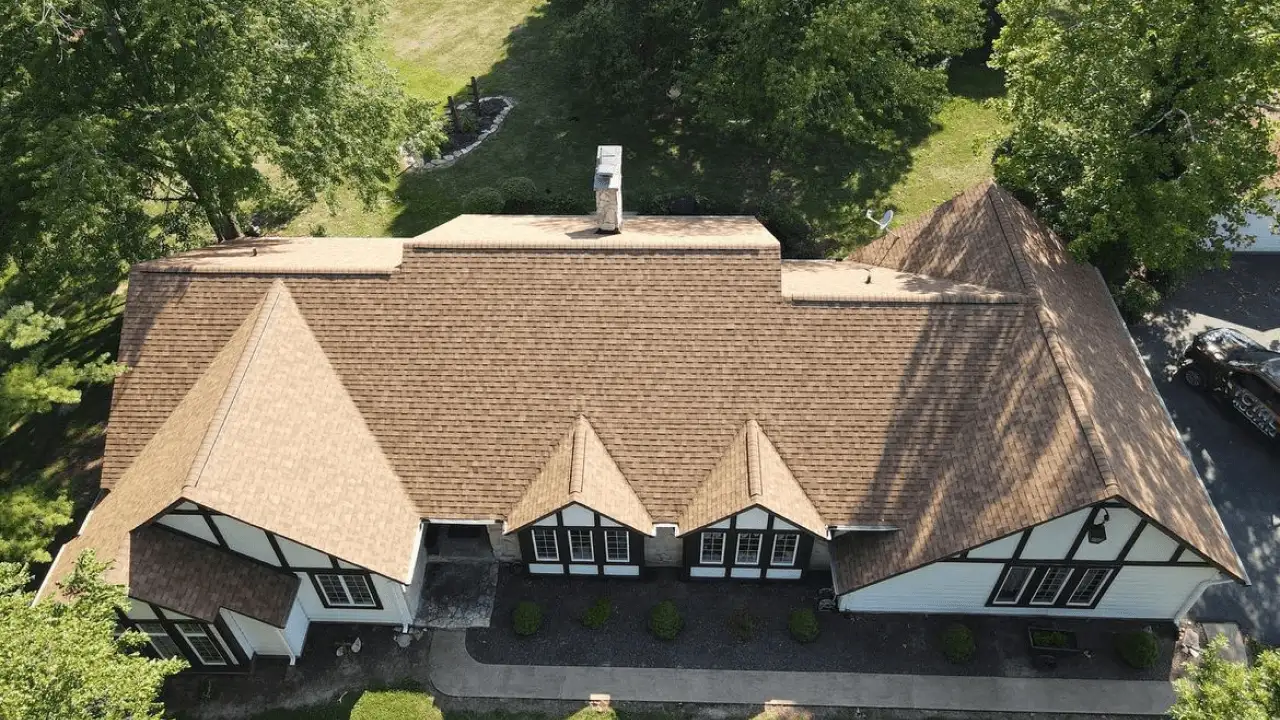
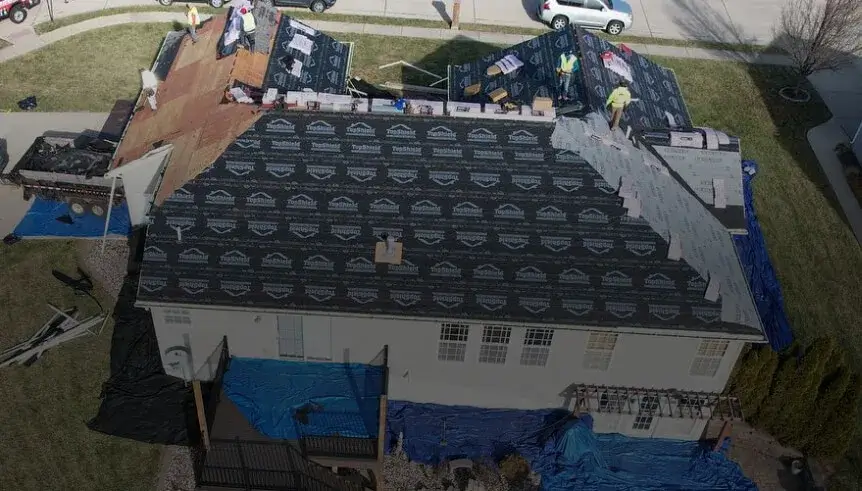
Our completed roofing projects reflect our commitment to quality, durability, and craftsmanship. From repairs to full installations, every job is done with attention to detail and built to last.

Our Client Feedback
Our work is best told through our customers. Whether it’s a quick repair or a full roof replacement, Total Roofing delivers reliable roofing done right.
View more arrow_forward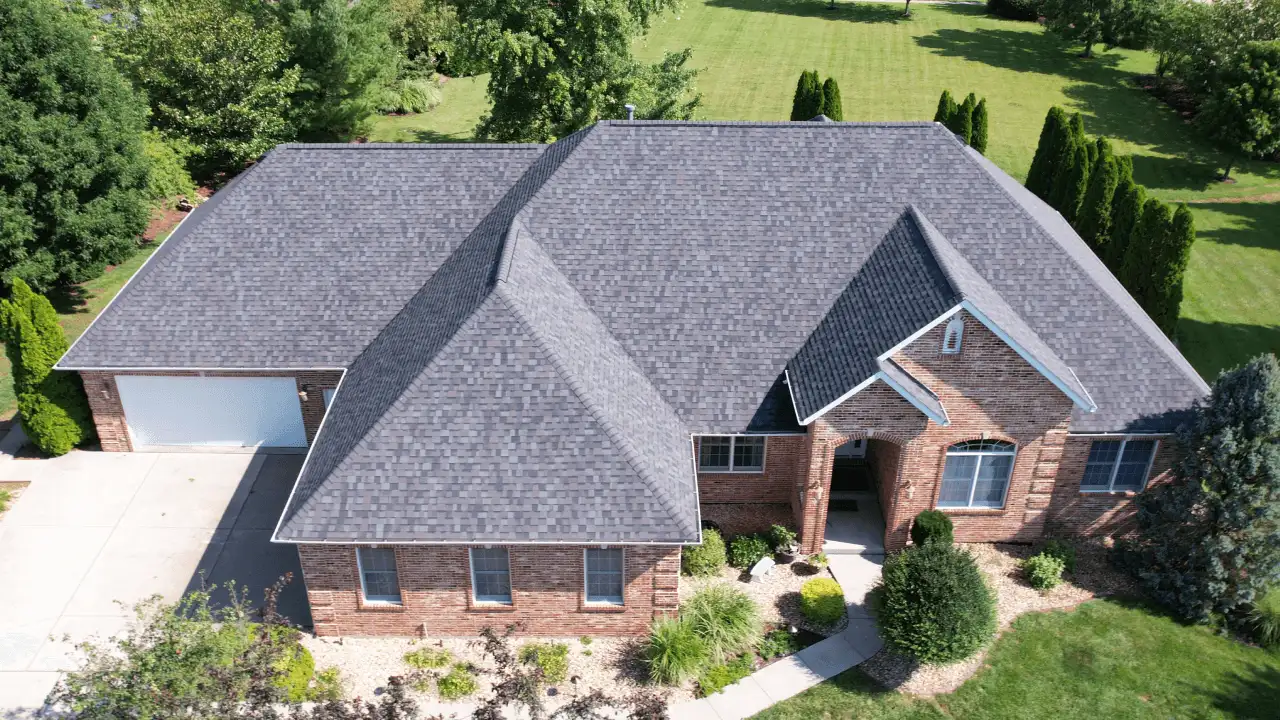




Professional Guidance and Consultation for All Roofing & Remodeling Projects
If you would like a free estimate for a new roof, please contact your nearest office location listed below. You may also submit an inquiry through the contact form, and a member of our team will respond promptly.
- done_allFree, detailed roof inspection by certified professionals Free
- done_allAccurate estimates with transparent pricing 100% Trusted
- done_allNo obligation and no pressure to commit
- done_allFast response and timely project scheduling
- done_allHigh-quality materials and skilled workmanship
- done_allDedicated support from consultation to completion










Get Your Free Professional Roof Inspection