

 call(618) 719-6767 call


Proudly Serving Homeowners Across Missouri
Commercial Roof Replacement in St. Charles, MO
5.0 Stars - Based on 222 User Reviews
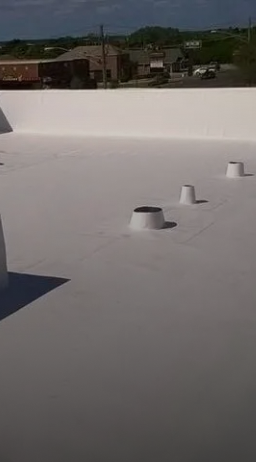
St. Charles sits squarely in a climate that tests commercial roofs year after year. Summers push temperatures into the upper 80s and 90s, baking flat and low-slope membrane systems through long stretches of heat and humidity. Then winter arrives with freezing temperatures and snow that stresses the same surfaces in the opposite direction. Add roughly 40 inches of annual precipitation spread across nearly every season, and you have conditions that accelerate wear on commercial roofing faster than many building owners expect. When flat-roof drainage falls behind, or a membrane starts to fail, the consequences can quickly escalate from a minor repair to a disruption affecting your tenants, your operations, and your building's long-term value.
Professional commercial roof replacement addresses those challenges directly, and doing it right in this market means understanding the specific building stock and weather patterns here.
St. Charles has a mix of newer suburban commercial corridors and older developed areas, so replacement projects often involve aging systems, layers of prior repairs, and code-related upgrades that accompany reroofing work. Total Roofing works with property owners and building managers throughout the St. Charles area to navigate that complexity, from the initial inspection through tear-off, installation, and drainage performance that holds up through the seasons ahead.
How Commercial Roof Replacement Works in St. Charles, MO
A large commercial roofing project is much easier to manage when you understand how each phase unfolds before work begins. Here is how Total Roofing handles a commercial roof replacement from the initial inspection through project completion.
- Step 1: Full Roof Evaluation
We begin with a detailed assessment of the existing roofing system, examining the membrane, seams, flashing, drainage components, and any areas that have been repaired in the past. We also look for signs of wear, leaks, and conditions that could affect the replacement. This evaluation provides the information needed before any recommendations are made. - Step 2: Condition Review and Recommendations
After completing the inspection, we explain exactly what we found and discuss the most practical path forward. If the existing roof still has useful service life and repairs are a reasonable option, we will explain why. When replacement is warranted, we also explain the conditions that led to that conclusion so you can make an informed decision. - Step 3: Material Selection and Project Proposal
If replacement is the appropriate solution, we review roofing systems that fit your building's design, drainage layout, and long-term performance goals. You'll receive a detailed written proposal outlining materials, project scale, anticipated timeline, and any additional work identified during the inspection, so expectations are established before construction begins. - Step 4: Coordinated Roof Replacement
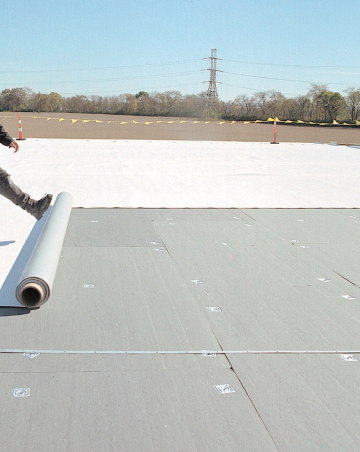
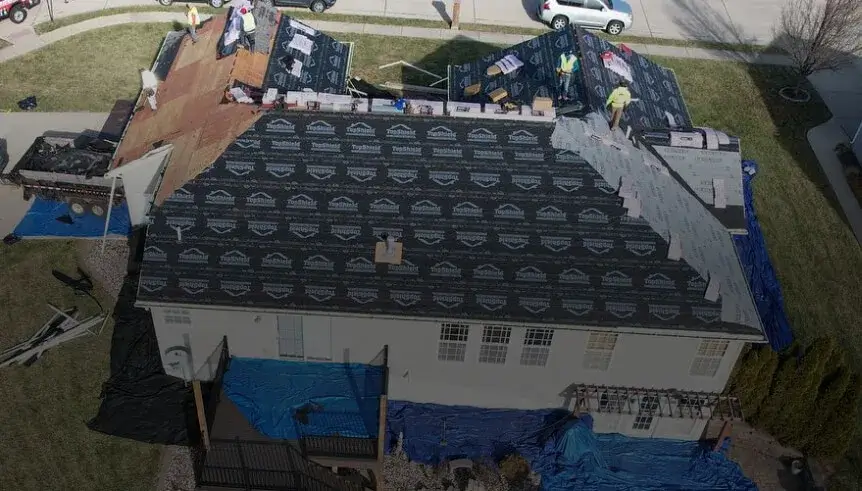
The replacement is scheduled around your facility's operations whenever possible to reduce disruption for tenants, employees, and visitors. Existing roofing materials are removed, any damaged roof decking or related components are addressed as needed, and the new roofing system is installed according to manufacturer requirements. Careful planning helps limit the amount of time the roof remains exposed during construction. - Step 5: Final Inspection and Project Review
Before the project is complete, we perform a thorough inspection of the finished roof, checking seams, flashing, drainage details, and overall installation quality. We then walk through the completed project with you, answer any questions, and review the finished system before closing out the job.
Flat Roof Replacement Factors in St. Charles, MO
Commercial roof replacement projects in St. Charles involve more variables than most building owners expect going in. Understanding what drives the project’s scale and timing helps you plan more accurately and avoid surprises once work begins.
| Factor | What It Affects | Local Relevance |
|---|---|---|
| Roof Age and Repair History | Tear-off scale and deck condition | Older systems in established corridors often have layered repairs that complicate removal |
| Drainage Design | Installation approach and code compliance | Flat and low-slope roofs in this market are prone to ponding water if drainage isn't corrected during replacement |
| Building Occupancy | Scheduling and phasing | Occupied offices, retail spaces, and warehouses require work plans that protect tenants and limit operational disruption |
| Permit Requirements | Project timeline and scale | Commercial reroofing in St. Charles typically requires a building permit and may trigger insulation or drainage upgrades |
| Seasonal Timing | Installation conditions and scheduling | Spring and fall offer the most reliable windows: summer rain and winter cold both create scheduling and material challenges |
Getting these factors sorted early keeps your project on track and helps you make informed decisions before work starts rather than reacting to problems once the roof is open.
Membrane System Selection for Your Building Type
Not every commercial building in St. Charles needs the same membrane, and choosing the right system matters for long-term performance. Whether your facility calls for a single-ply membrane, a modified bitumen system, or a built-up assembly, the right match depends on your roof slope, square footage, and how the building is used day to day.
Roof Deck Inspection and Preparation
Once the tear-off is complete, the roof deck gets a close look before anything new goes down. Damaged or deteriorated roof decking gets addressed at this stage, so the new membrane has a solid, code-compliant surface to bond to, which directly affects how long your investment holds up.
Flashing and Gap Detailing
Curbs, vents, HVAC units, and wall transitions are common leak points on commercial roofs, and they require precise work during replacement to seal properly. Every gap and edge detail is finished to match the membrane system, because a new roof is only as reliable as its weakest transition point.
Post-Installation Drainage Performance Verification
Flat and low-slope roofs across St. Charles are especially vulnerable to ponding water when drainage isn't performing correctly after installation. Before the project closes out, drainage flow is confirmed across the full roof surface so standing water doesn't become a recurring problem for your property.
Replace Your Commercial Roof in St. Charles, MO
The weather patterns in this region put real demands on commercial roofing over time. Heat, humidity, seasonal rain, and the temperature swings between summer and winter all take a steady toll on flat and low-slope systems. For building owners and property managers, a well-executed replacement protects the facility, keeps operations running without recurring interruptions, and reduces the long-term costs that come with patching an aging roof year after year.
If your building is showing signs that the current system is nearing the end of its useful life, getting a proper inspection is the natural next step. Total Roofing works with commercial property owners throughout St. Charles to make that process straightforward, from the first look at your roof to a finished installation that performs through whatever the seasons bring. Reach out when you're ready, and we'll give you an honest picture of where your roof stands.
Frequently Asked Questions
Got questions about your roof? We’ve got answers. From maintenance tips to insurance claims and repair timelines, our FAQ section covers the most common concerns homeowners have. Get informed and make confident decisions about protecting your home.
Can a commercial roof replacement trigger code upgrades for the rest of the building?
It can, and this catches some building owners off guard. In St. Charles, pulling a commercial reroofing permit may bring insulation requirements, drainage standards, or roof assembly specifications into play, depending on the building's age and the scale of work. Knowing this before you start lets you plan for those requirements rather than discover them mid-project.
How does St. Charles's spring rainfall affect when we can schedule a replacement?
Spring is generally one of the better windows for commercial roof replacement in this area, but the frequent rain that comes with it can compress available workdays quickly. Contractors who schedule projects here plan for interruptions during that window, so the sequence of tear-off and installation needs to account for how much roof can safely stay open between dry stretches. Tighter sequencing during spring reduces the risk of exposing the deck to an unexpected storm.
If my building has multiple tenants, do they need to vacate during replacement?
In most cases, no. Commercial roof replacement on occupied buildings is common in St. Charles, and phased scheduling lets crews work in sections while the rest of the facility stays in normal operation. The key is coordinating around tenant activity, building access, and any noise or odor concerns before work begins, rather than working around them after the project is already underway.
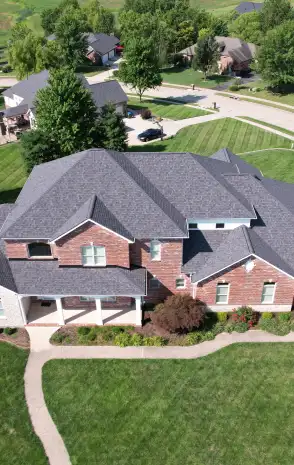
Our Work Speaks For Itself
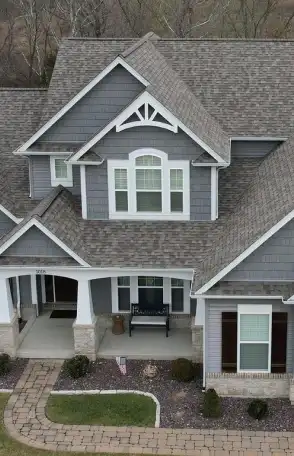
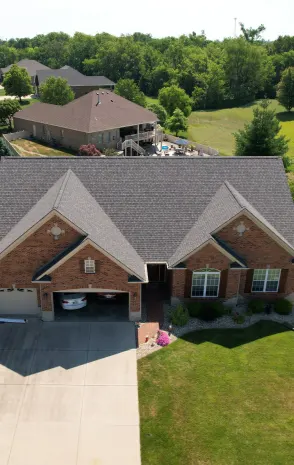
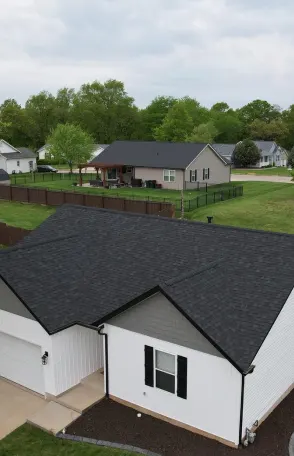
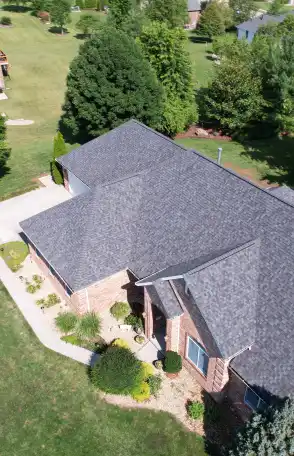
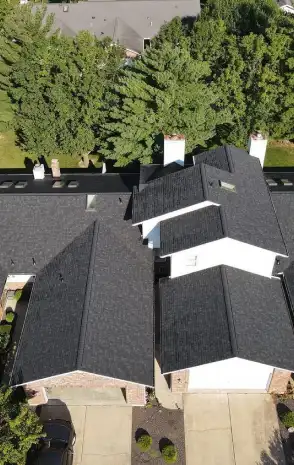
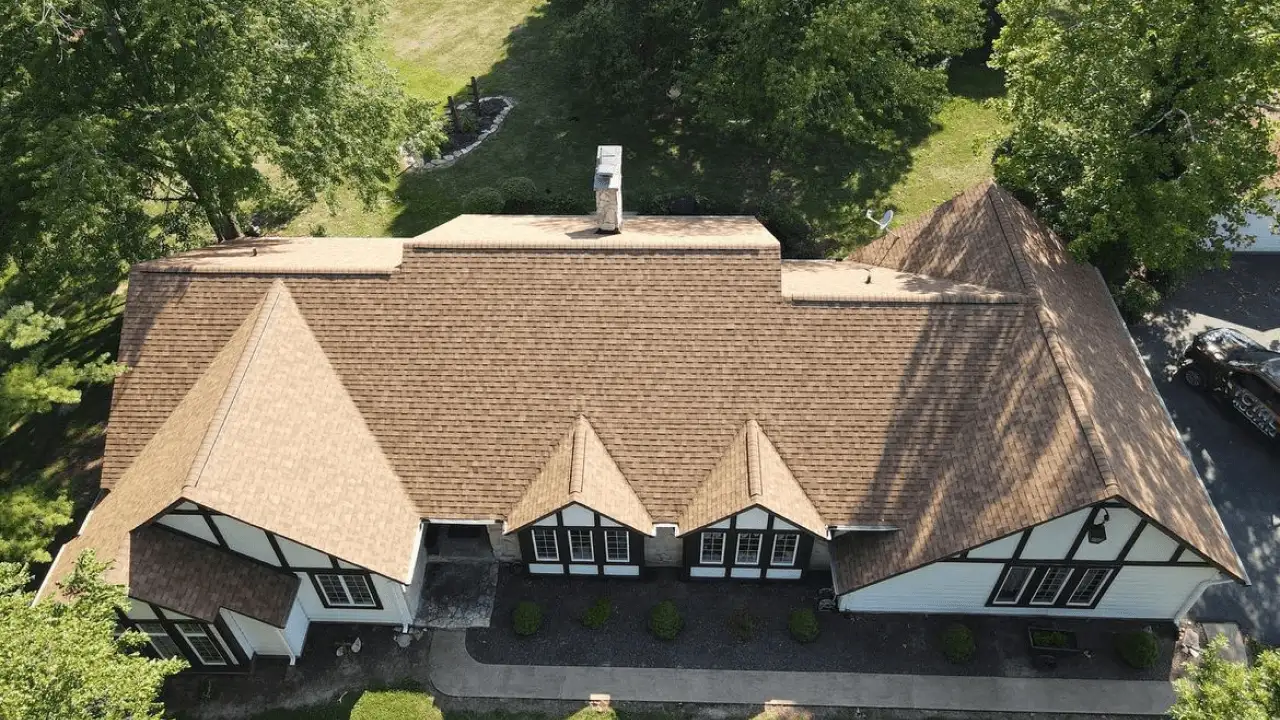
Our completed roofing projects reflect our commitment to quality, durability, and craftsmanship. From repairs to full installations, every job is done with attention to detail and built to last.

Our Client Feedback
Our work is best told through our customers. Whether it’s a quick repair or a full roof replacement, Total Roofing delivers reliable roofing done right.
View more arrow_forward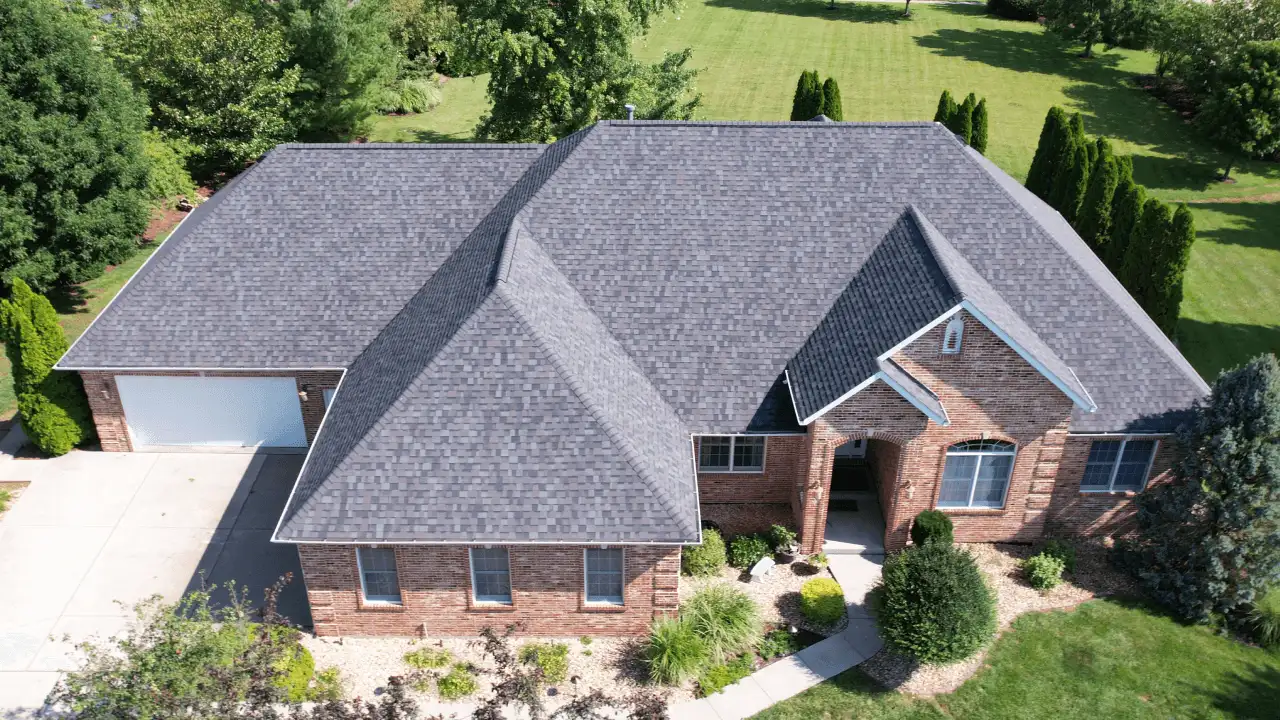




Professional Guidance and Consultation for All Roofing & Remodeling Projects
If you would like a free estimate for a new roof, please contact your nearest office location listed below. You may also submit an inquiry through the contact form, and a member of our team will respond promptly.
- done_allFree, detailed roof inspection by certified professionals Free
- done_allAccurate estimates with transparent pricing 100% Trusted
- done_allNo obligation and no pressure to commit
- done_allFast response and timely project scheduling
- done_allHigh-quality materials and skilled workmanship
- done_allDedicated support from consultation to completion









Get Your Free Professional Roof Inspection