

 call(618) 719-6767 call


Proudly Serving Homeowners Across Missouri
Emergency Roof Repair in St. Charles, MO
5.0 Stars - Based on 220 User Reviews
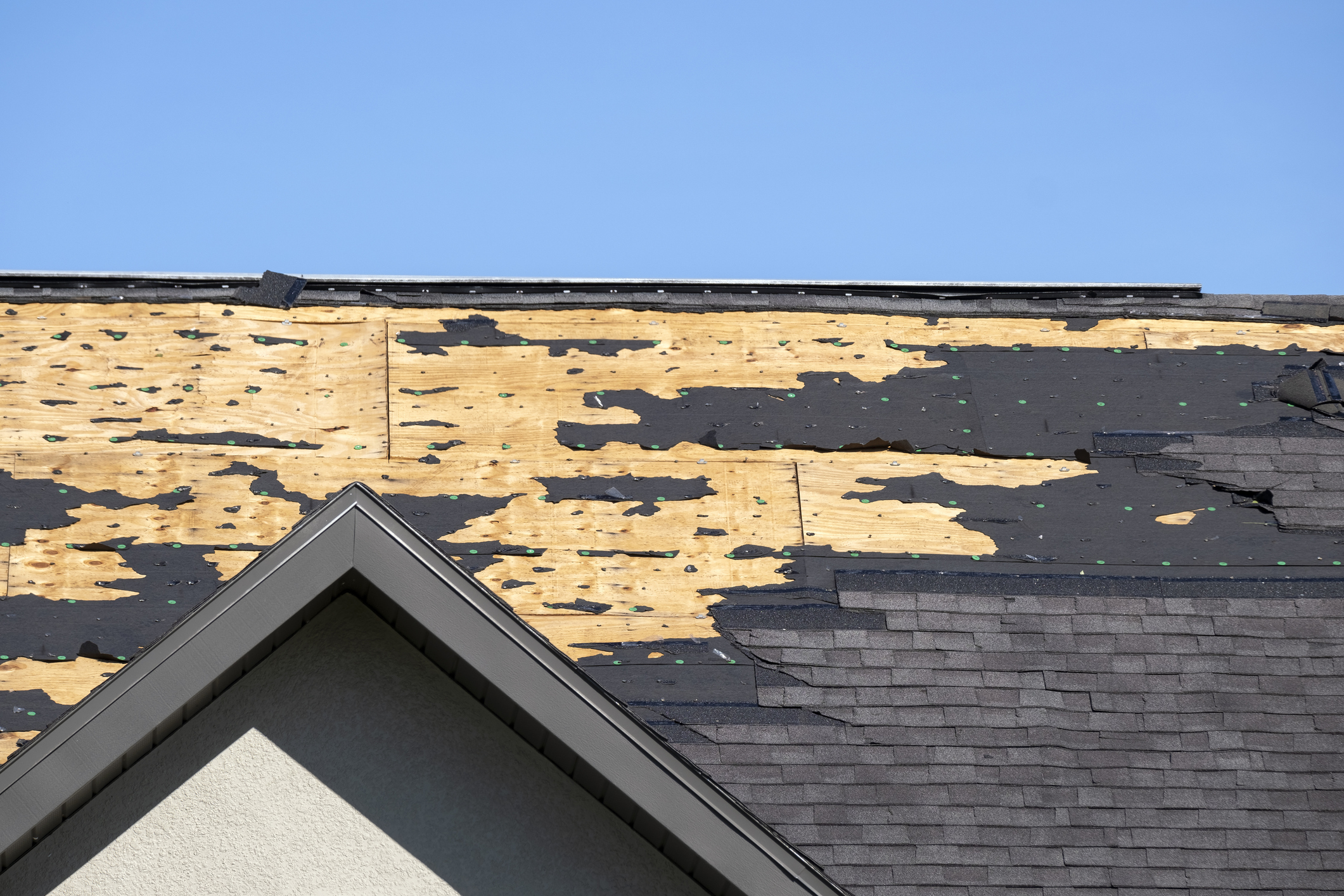
St. Charles sits in a stretch of Missouri where the weather rarely gives homeowners a break. Spring storms roll through with hail and high winds capable of tearing shingles loose, cracking flashing, and leaving your roof exposed in a matter of minutes. With around 45 inches of annual rainfall, much of it concentrated in spring, water has plenty of opportunities to find its way in through any damage left unaddressed. Older homes throughout St. Charles, many built 30 to 50 years ago with asphalt shingle roofs, are especially vulnerable after a hard storm. The longer damage sits, the more likely a minor leak becomes a serious interior problem.
That urgency is exactly why emergency roof repair exists as a service on its own. When a storm causes sudden damage, you need someone who can respond quickly, stop the water from getting further inside, and give you a clear picture of what needs to be fixed. Total Roofing has been working in St. Charles long enough to understand how local storms behave, what they tend to damage, and what it takes to protect your home until permanent repairs are complete.
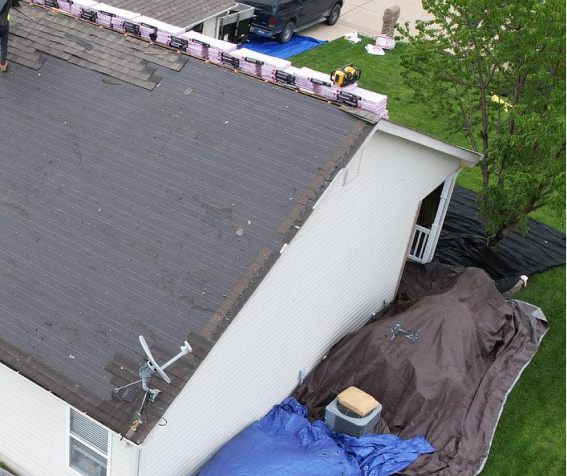
Emergency response typically starts with tarping open or damaged areas to cut off any active water entry, followed by a thorough roof inspection to identify the full extent of the damage. From there, repairs are prioritized based on what poses the most immediate risk to your home's structure and interior.
How Emergency Roof Repair Works in St. Charles, MO
When roof damage leaves your home exposed to the elements, knowing what happens next can make an already stressful situation much easier to manage. Here's what you can expect when Total Roofing handles your emergency roof repair from the initial call through the completed repair.
- Step 1: Emergency Assessment
As soon as you contact us, we prioritize your emergency and gather a few details about what you're experiencing so our crew arrives prepared. Once on-site, we assess where water is entering, evaluate the extent of the damage, and determine what needs immediate attention to protect your home from further exposure. - Step 2: Temporary Protection
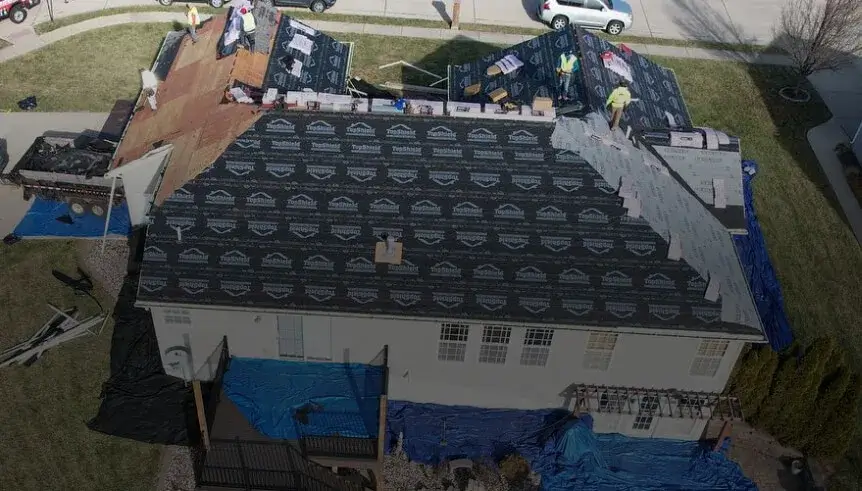
Our priority is preventing additional leaks. If the roof has exposed or damaged areas, we install temporary protective measures, such as reinforced tarping, to keep your home's interior protected while permanent repairs are planned. Stabilizing the situation comes before anything else. - Step 3: Complete Damage Evaluation
After the immediate risk has been addressed, we perform a thorough inspection of the damaged area and surrounding roofing components. We examine shingles, flashing, valleys, roof gaps, roof decking, and other areas that may have been affected by the same storm. We document our findings so you have a clear understanding of your roof's condition, and if a targeted repair is all that's needed, we'll tell you that directly. - Step 4: Repair Plan and Professional Restoration
We explain the recommended repairs, the materials involved, and what you can expect during the work before anything begins. We only recommend repairs that your roof genuinely requires. Once approved, our crew completes the restoration efficiently, with many emergency repairs finished within a few hours to a single day, depending on the scale of the damage. - Step 5: Final Verification and Customer Walkthrough
Before the project is complete, we inspect every repaired area to confirm the work has been completed properly. We then walk through the finished repairs with you, answer your questions, and point out any conditions worth monitoring before future storms so you have a complete understanding of your roof's current condition.
What Qualifies as a Roof Emergency in St. Charles, MO
Not every roofing issue needs same-day attention, but some situations genuinely cannot wait. In St. Charles, where Missouri River valley storms can drop hail and push wind damage into places you would not expect, knowing what counts as a true emergency helps you act fast when it matters most.
| Damage Type | Why It Qualifies as an Emergency | Typical Urgency Level |
|---|---|---|
| Missing or uplifted shingles | Exposes the roof deck directly to rain and humidity, accelerating interior damage | High |
| Active leaking after a storm | Water reaching ceilings or walls can saturate insulation and framing quickly | Immediate |
| Damaged or separated flashing | Flashing failures around vents and valleys are a leading entry point for water | High |
| Fallen tree or debris impact | Can puncture the roof deck or shift structural supports beneath the surface | Immediate |
| Hail pockmarks on shingles | Bruised shingles lose granules and break down faster, especially before winter | Moderate to High |
Before your repair crew arrives, document everything with photos, both inside and outside your home. Clear shots of water on ceilings, damaged shingles, and any visible gaps in the surface of the roof give you a solid record of the damage. The sooner you identify what you are dealing with, the better positioned you are to get the right repairs done before the next round of rain moves through.
Storm-Specific Shingle and Flashing Repair
Missouri River valley storms hit roofs in predictable ways, and Total Roofing addresses the damage patterns most common in St. Charles: wind-uplifted shingles, separated valley flashing, and compromised vent flashing that lets water track down into the roof decking. Matching materials to your existing roof keeps repairs tight and prevents new weak points from forming.
Protecting the Structural Roof Deck During Open Roof Stages
When shingles or flashing are removed to complete a repair, the underlying roof deck is exposed and vulnerable to the humidity and rainfall that St. Charles sees regularly. Your repair crew protects that open area throughout the process so moisture does not soak into the wood before new materials are in place.
Tree Impact and Debris Gap Repairs
St. Charles has significant tree coverage, and wind-driven branches or full tree falls can punch through shingles and roof decking in ways that go deeper than surface damage. Emergency repairs for impact damage address both the visible breach and any underlying structural shift caused by the weight of the debris.
Targeted Repairs for Aging Asphalt Shingle Roofs
Many homes in St. Charles were built decades ago, and older asphalt shingle roofs respond differently to emergency repairs than newer installations. Total Roofing accounts for material age and wear when selecting repair methods, so the fix holds up rather than creating a new failure point on a roof that has already been through years of temperature changes and storm exposure.
Get Emergency Roof Repairs Done in St. Charles, MO
St. Charles weather puts roofs through a real workout year after year. Between spring storm seasons that bring hail and heavy rain, summer heat that stresses aging materials, and winter cold that follows close behind, your roof takes the full range of what Missouri can deliver. When damage happens suddenly, acting quickly protects your home from the kind of interior damage that starts small and gets expensive fast. A quick repair keeps the problem contained to your roof rather than spreading to your ceilings, walls, and the structure underneath.
Total Roofing is local, familiar with how St. Charles storms behave, and ready to respond when you need it most. If your roof has taken damage and you are not sure what needs attention, reaching out sooner rather than later is always the right call. The team can inspect the situation, walk you through what they find, and get the work done so your home is protected before the next round of weather moves in.
Frequently Asked Questions
Got questions about your roof? We’ve got answers. From maintenance tips to insurance claims and repair timelines, our FAQ section covers the most common concerns homeowners have. Get informed and make confident decisions about protecting your home.
Should I be worried about contractors showing up in my neighborhood after a big storm in St. Charles?
After significant storms, out-of-town contractors often move through the area offering quick repairs at prices that seem hard to pass up. The problem is that many of these crews leave before issues surface, and you have little recourse if something goes wrong. Working with a licensed local contractor means you have someone accountable who knows the area, understands local building codes, and will still be around if you need follow-up work.
Does my roof need a permit for emergency repairs in St. Charles?
In most cases, minor emergency repairs like replacing damaged shingles or resealing flashing do not require a formal permit from St. Charles County. Permits typically come into play when repairs involve structural changes to the roof's framework. Your contractor should be able to tell you upfront whether the scale of your repair falls into a category that requires pulling a permit before work begins.
What should I do inside my home while waiting for the repair crew to arrive?
Move furniture, rugs, and anything valuable away from areas where water is coming in, and place buckets or towels to catch drips and limit the spread across your floors. If water is pooling on a ceiling, be cautious about overhead fixtures and lights in that area. Taking clear photos of interior water damage before cleaning anything up gives you a useful record of the situation as it stood when the storm hit.
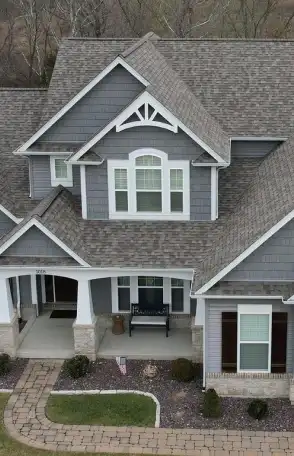
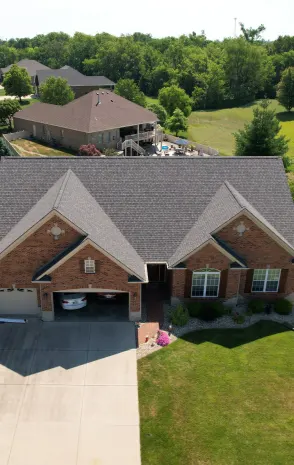
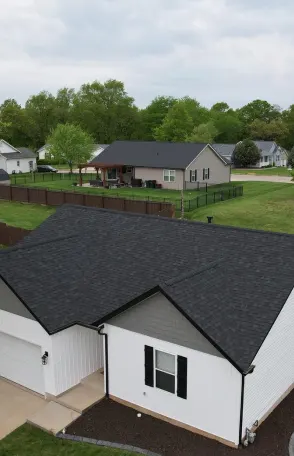
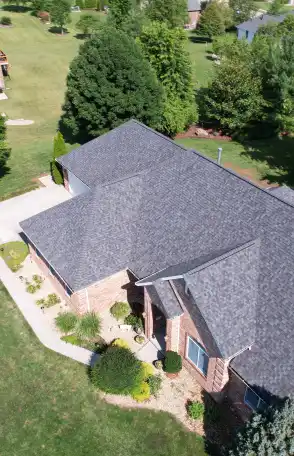
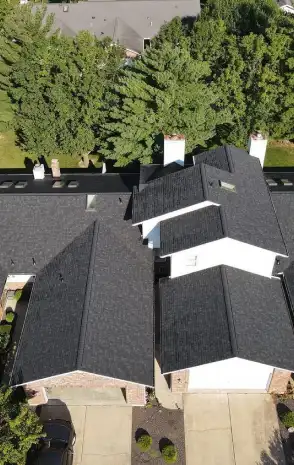
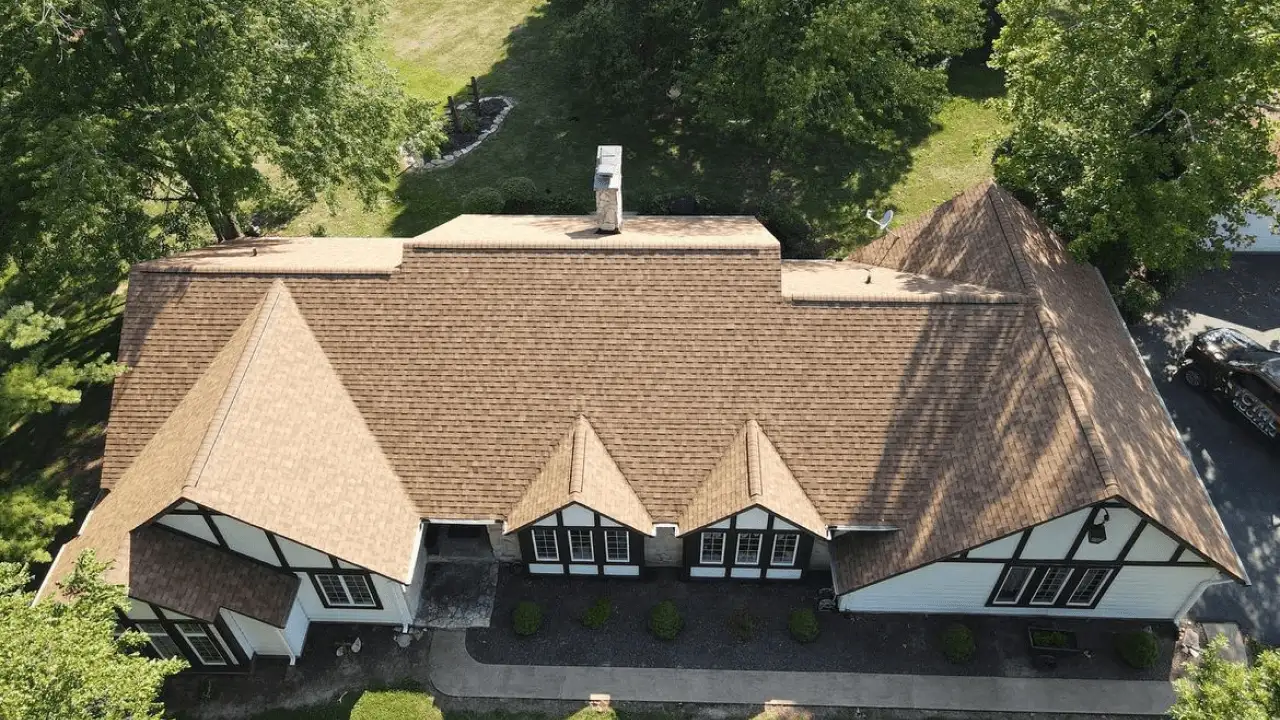
Our Work Speaks For Itself
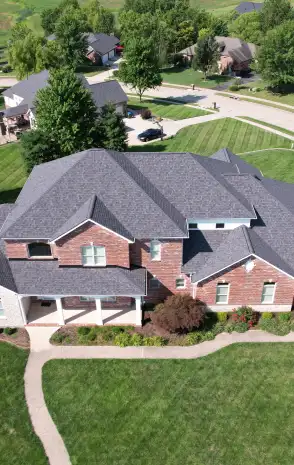
Our completed roofing projects reflect our commitment to quality, durability, and craftsmanship. From repairs to full installations, every job is done with attention to detail and built to last.

Our Client Feedback
Our work is best told through our customers. Whether it’s a quick repair or a full roof replacement, Total Roofing delivers reliable roofing done right.
View more arrow_forward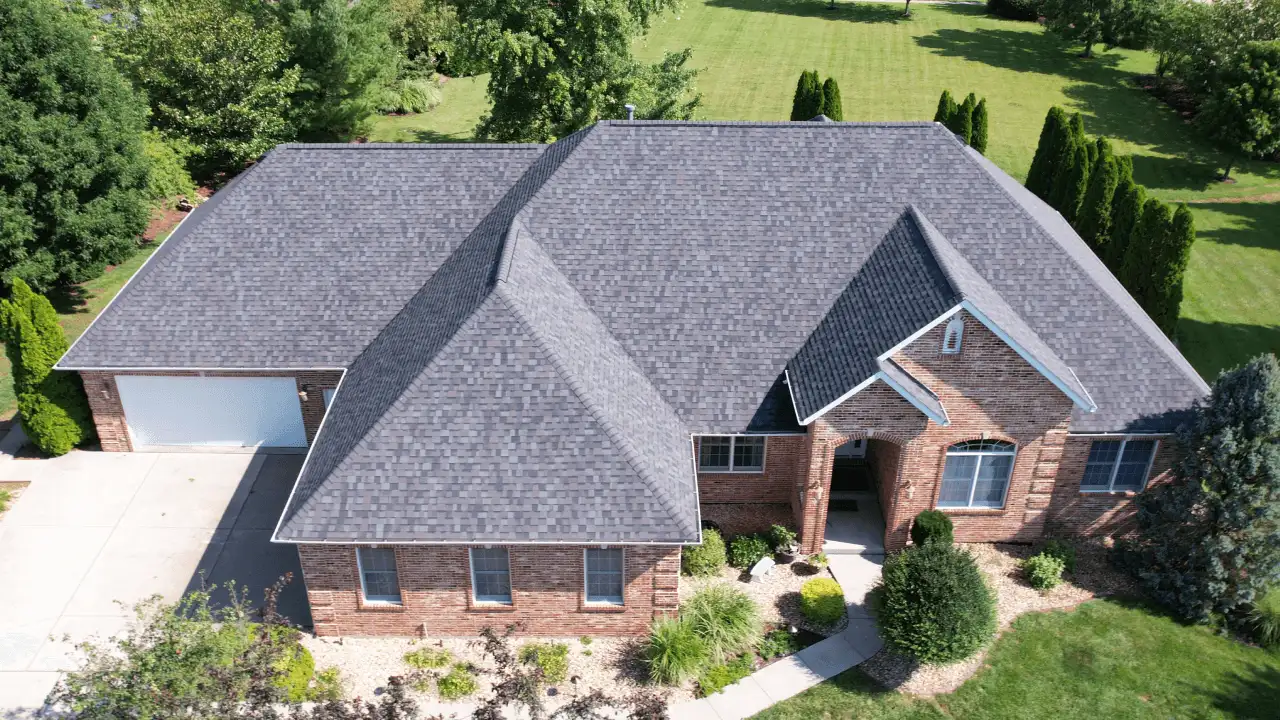




Professional Guidance and Consultation for All Roofing & Remodeling Projects
If you would like a free estimate for a new roof, please contact your nearest office location listed below. You may also submit an inquiry through the contact form, and a member of our team will respond promptly.
- done_allFree, detailed roof inspection by certified professionals Free
- done_allAccurate estimates with transparent pricing 100% Trusted
- done_allNo obligation and no pressure to commit
- done_allFast response and timely project scheduling
- done_allHigh-quality materials and skilled workmanship
- done_allDedicated support from consultation to completion









Get Your Free Professional Roof Inspection