
 call(618) 719-6767 call

Proudly Serving Homeowners Across Missouri
Commercial Roof Inspection in St. Louis, MO
5.0 Stars - Based on 239 User Reviews
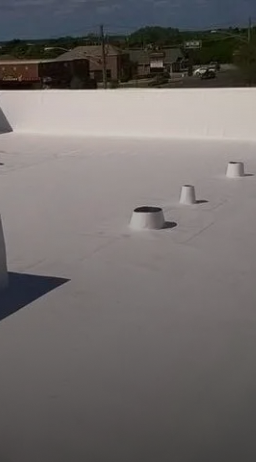
Summers in St. Louis bring heat, humidity, and heavy thunderstorms that roll through on dozens of days each year. Then winter arrives with cold stretches and temperature changes that cause roofing materials to expand and contract, slowly degrading seams, flashing, and openings. For flat and low-slope roofs common on commercial buildings, those repeated weather swings create real problems. Ponding water, worn membrane seams, and damaged perimeter edges can develop quietly and go unnoticed until the damage becomes expensive to fix.
That is where a professional commercial roof inspection makes a difference. A thorough inspection covers the most vulnerable parts of your roof, including drainage systems, seam strength, parapet edges, scuppers, and internal drains. On the large warehouse and industrial buildings common throughout St. Louis, catching a problem early at one of those points can protect your facility from serious damage and keep your business operations running without interruption. Total Roofing works with building owners and property managers across the St. Louis area, and we understand how local weather patterns affect commercial roofing systems over time. Getting a complete picture of your roof's condition is the first step toward protecting your property and staying ahead of repairs before they grow into something much larger.
How Our Commercial Roof Inspection Works in St. Louis, MO
Knowing what to expect makes the whole process easier. Here is exactly how Total Roofing handles a commercial roof inspection in St. Louis from start to finish:
- Step 1: Scheduling and Access Coordination
We work around your schedule to set up a time that does not interfere with your business operations or your tenants. Before we arrive, our team verifies entry points, roof access locations, and any building-specific safety guidelines. - Step 2: Thorough Inspection
Our team gets on the roof and inspects every area, including membrane surfaces, seams, flashing, parapet edges, scuppers, and internal drains. On larger warehouses and industrial buildings, we pay close attention to ponding areas, perimeter damage, and any spots where water may be sitting or pooling after rain. - Step 3: Documentation and Findings
We photograph problem areas and document conditions across the full roof so you have a clear record of what we found. Nothing gets overlooked, and nothing gets reported without visual evidence to back it up. - Step 4: Honest Evaluation and Recommendations
We walk you through what we found. If repairs are needed, we explain what is needed and why. If the roof is in good shape and no work is required, we will tell you that directly. - Step 5: Clear Next Steps
You leave the inspection knowing exactly where your roof stands and what, if anything, needs to happen next. We outline any recommended repairs and give you a realistic picture of your roof's condition going forward.
Best Times for Commercial Roof Inspections in St. Louis, MO
Timing your inspection properly can make a real difference in what gets caught and how quickly you can act on it. St. Louis weather creates natural times during the year when inspections are most valuable, and knowing when to schedule one helps you stay ahead of the damage that builds up quietly between seasons.
| Time | What to Watch For | Why It Matters |
|---|---|---|
| Spring | Ponding, seam separation, scupper and drain blockages | Winter temperature changes can open seams and loosen flashing; spring rains reveal drainage problems fast |
| Summer | Membrane blistering, UV wear, heat-related seam stress | Heat and humidity accelerate wear on low-slope membrane surfaces across large roof expanses |
| Fall | Storm impact damage, perimeter edge wear, debris buildup in drains | Catching damage before winter sets in prevents small issues from getting worse during cold stretches |
| After Severe Storms | Hail impact, wind-lifted edges, punctures near parapet walls | Post-storm inspections protect flat roofs before leaks develop |
Spring and fall are the best times to schedule a routine inspection in St. Louis. Those windows sit on either side of the seasons most likely to cause damage, giving you time to address repairs before conditions get harder on your roof.
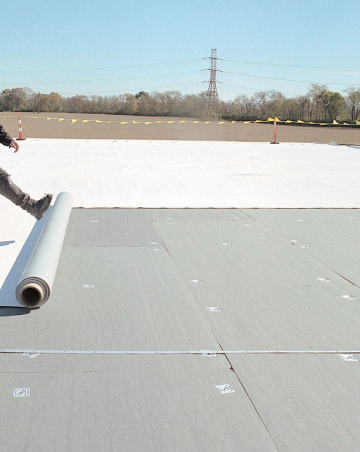
What Does a Commercial Roof Inspection Include in St. Louis, MO?
St. Louis weather is tough on commercial roofs, and many problems develop long before a leak shows up inside. A thorough inspection helps you catch those issues early, plan ahead, and protect your building. Here's what we look at during every commercial roof inspection:
Drainage System & Ponding Review
Flat and low-slope roofs depend heavily on working drains, scuppers, and internal drain lines to move water off the surface quickly. Our inspection checks every drainage point for blockages, slow flow, and signs of standing water that can add weight and break down membrane surfaces over time.
Seam & Membrane Strength Check
On large commercial roofs, seams are often the first place problems show up, especially after temperature swings or heavy rain. We inspect membrane seams across the roof for separation, bubbling, or wear that could allow water to reach the roof deck below.
Flashing Inspection
Anywhere something passes through or meets your roof, including HVAC units, vents, pipes, and parapet walls, is a spot where leaks are likely to start. We inspect all flashing and openings closely to spot gaps, lifting edges, or deterioration before they become a larger problem for your facility.
Written Condition Report for Your Records
After the inspection, you receive a written report with photos documenting the condition of your roof. That record is useful for tracking changes over time, planning maintenance budgets, and supporting any decisions about future repair or replacement work on your property.
Frequently Asked Questions
Got questions about your roof? We’ve got answers. From maintenance tips to insurance claims and repair timelines, our FAQ section covers the most common concerns homeowners have. Get informed and make confident decisions about protecting your home.
Does the size of a commercial roof affect what gets inspected or how the inspection is handled?
Yes, larger roofs require more attention to specific areas that smaller buildings do not have in the same way. On the big-span warehouse and industrial buildings common in St. Louis, inspectors focus heavily on the middle sections of the roof where drainage is slowest, and ponding is most likely to develop. Edge conditions, interior drain lines, and seam runs that stretch across long distances also get more scrutiny on larger roofs because small problems can cover a lot of ground before they show up inside.
Can a commercial roof look fine from the outside but still have serious problems underneath?
Absolutely, and that is one of the most important reasons to have a professional inspection rather than a quick visual check from the ground. Water can travel a long distance between where it enters a roof membrane and where it eventually shows up as a stain or leak inside your facility. On flat roofs, moisture can sit beneath the surface for months without any visible sign on top, quietly breaking down insulation and the roof deck while your building appears fine from the outside.
What should a property manager in St. Louis do with the inspection report after the inspection is complete?
Keep it as a dated record tied to your building's maintenance history, and use it as a baseline to compare against future inspections. St. Louis property managers who track their roof’s condition over time are better positioned to plan repair budgets, spot patterns in where problems keep developing, and make informed decisions about when repair versus replacement makes more sense. If you ever pull permits or plan major work on the property, having documented inspection history on file can also support that process with your contractor and the city's Building Division.
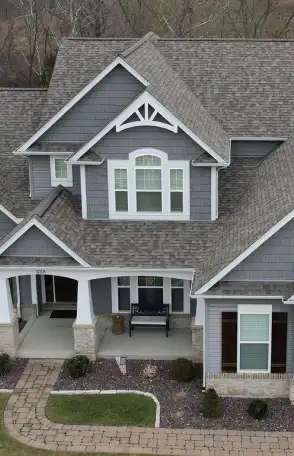
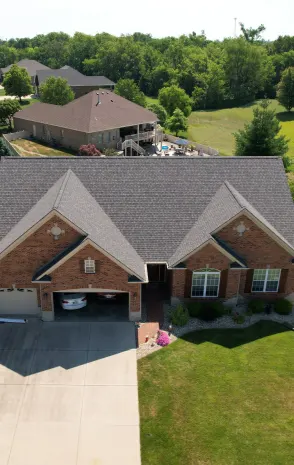
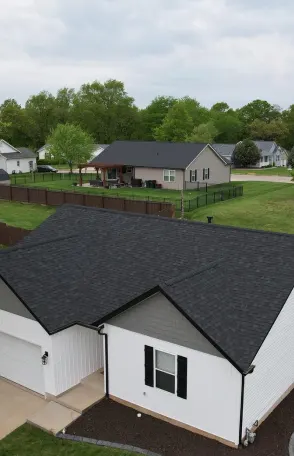
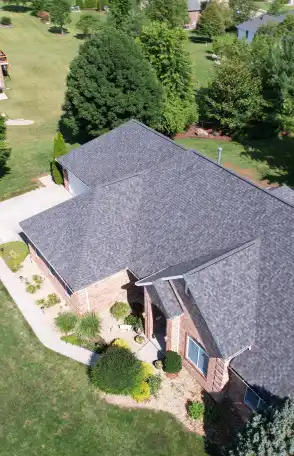
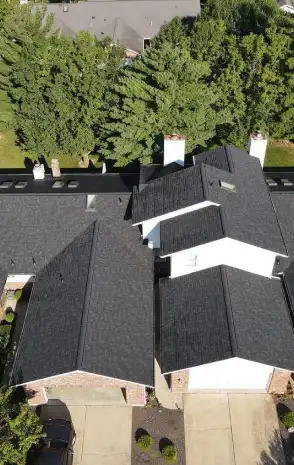
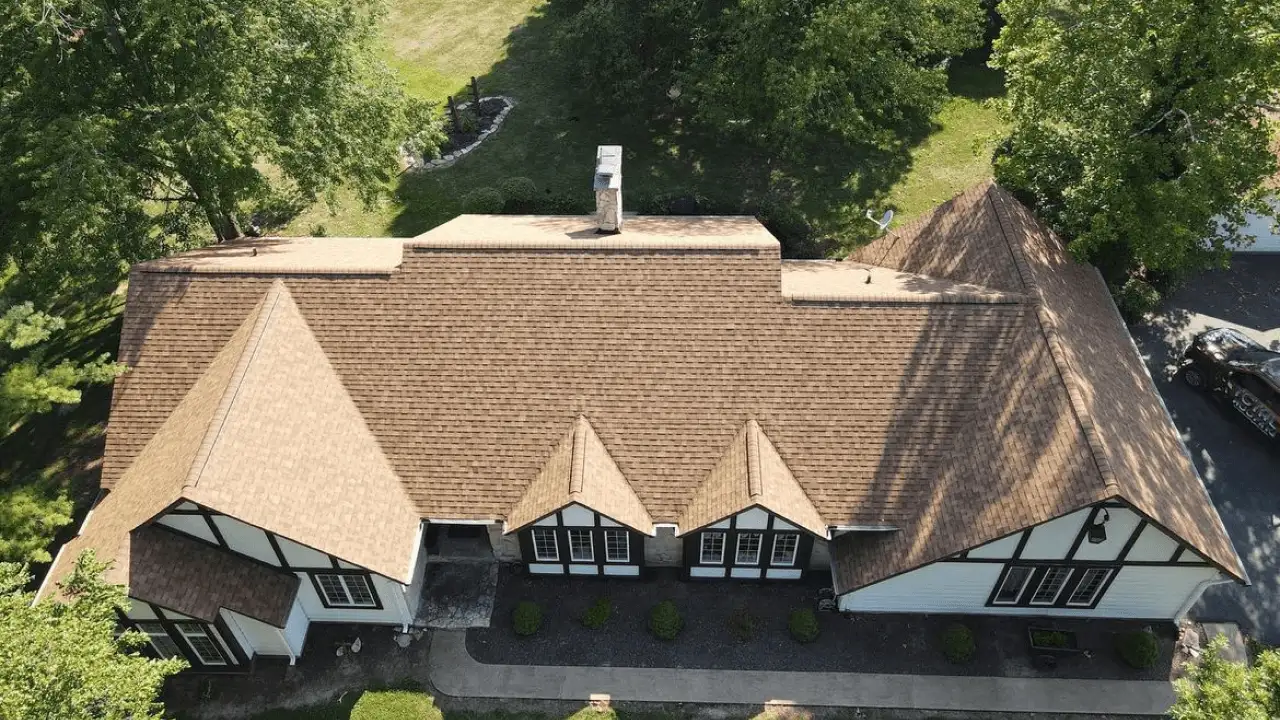
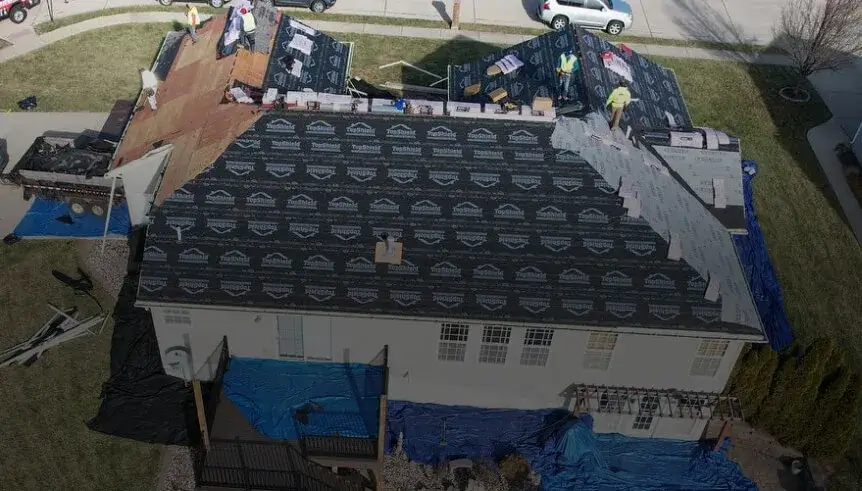
Our Work Speaks For Itself
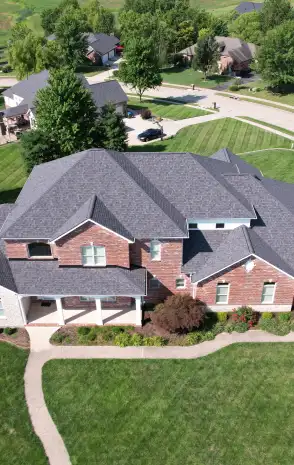
Our completed roofing projects reflect our commitment to quality, durability, and craftsmanship. From repairs to full installations, every job is done with attention to detail and built to last.

Our Client Feedback
Our work is best told through our customers. Whether it’s a quick repair or a full roof replacement, Total Roofing delivers reliable roofing done right.
View more arrow_forward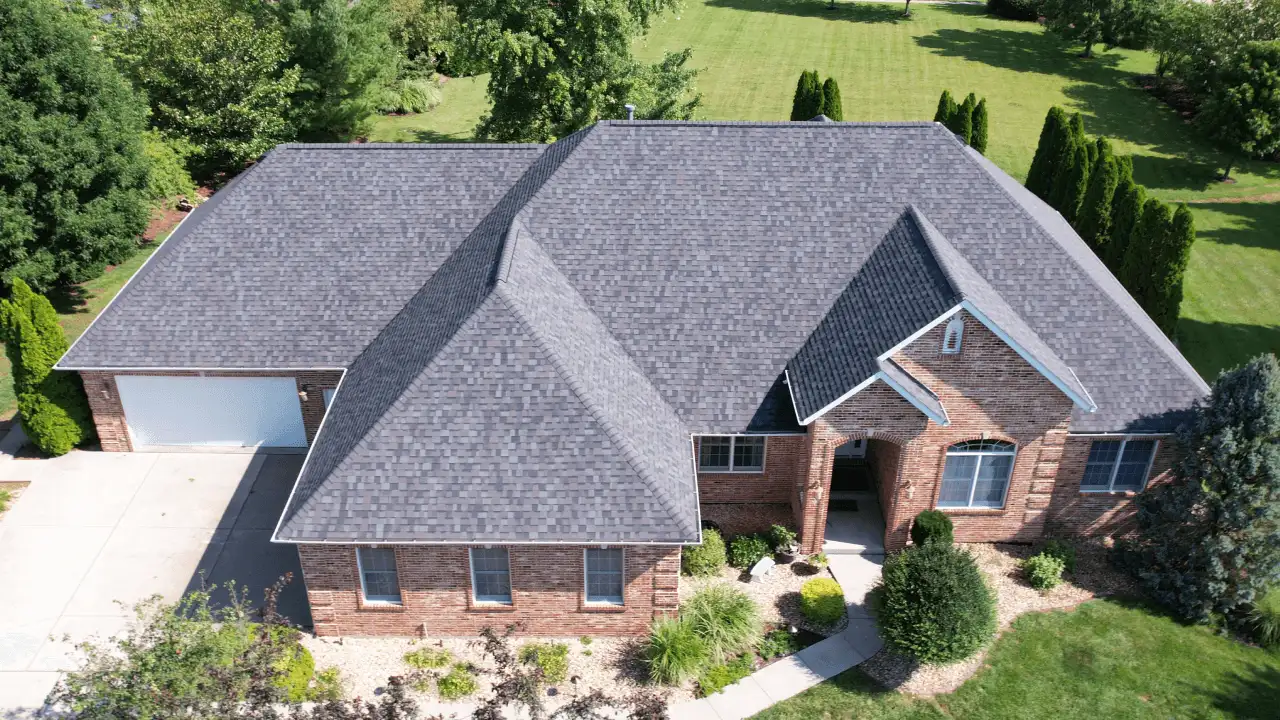











Professional Guidance and Consultation for All Roofing & Remodeling Projects
If you would like a free estimate for a new roof, please contact your nearest office location listed below. You may also submit an inquiry through the contact form, and a member of our team will respond promptly.
- done_allFree, detailed roof inspection by certified professionals Free
- done_allAccurate estimates with transparent pricing 100% Trusted
- done_allNo obligation and no pressure to commit
- done_allFast response and timely project scheduling
- done_allHigh-quality materials and skilled workmanship
- done_allDedicated support from consultation to completion








Get Your Free Professional Roof Inspection