

 call(618) 719-6767 call


Proudly Serving Homeowners Across Missouri
Commercial Roof Repair in St. Louis, MO
5.0 Stars - Based on 222 User Reviews
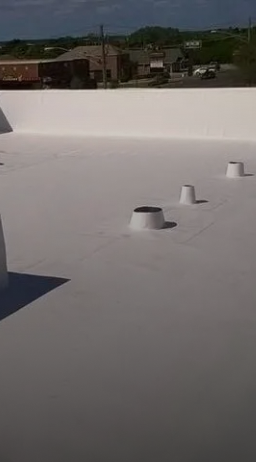
St. Louis puts commercial roofs through a lot. Summers push temperatures into the 90s with heavy humidity, winters drop into the 20s and 30s, and the seasons in between bring severe thunderstorms, hail, and wind that can lift edges, split seams, and leave standing water sitting on flat membranes. That kind of weather variety adds up fast, especially on the TPO, EPDM, modified bitumen, and metal roofing systems you see on most commercial buildings in this area. When small problems like open seams, cracked membranes, or damaged flashing go unaddressed, water finds its way in, and the repair scale grows along with the costs.
That is where Total Roofing comes in. As a local contractor who works with building owners and property managers across the St. Louis area, we understand the specific conditions that put pressure on commercial roofs here. Professional commercial roof repair is not just about patching a leak. It’s about tracing the source, fixing it correctly, and protecting the rest of the roofing system so one problem does not turn into several.
Whether your facility has a flat roof with drainage issues, a membrane showing blisters or cracks, or flashing that took a hit during a recent storm, the right repair done quickly makes a real difference in how long your existing roof continues to perform.
How Commercial Roof Repair Works in St. Louis, MO
A commercial roof repair should leave you with a clear understanding of the problem, the recommended solution, and what was completed before the job is closed out.
- Step 1: Investigate the Reported Roof Problem
We begin with a hands-on inspection of the reported area and the roofing components around it. Seams, flashing, membrane condition, drainage points, vents, and rooftop equipment gaps are all checked to determine where the problem originates. Since water can travel beneath the surface of the roof, we look beyond the location where the leak becomes visible inside the building. - Step 2: Review the Cause and Available Solutions
After the inspection, we explain the findings in straightforward terms. You will know what caused the issue, which areas are affected, and what repair approach fits the condition of the roof. When a localized repair is sufficient, we recommend it rather than expanding the work unnecessarily. - Step 3: Outline the Repair and Provide Pricing
We provide a written breakdown identifying the areas involved, repair methods, materials, and associated costs. If the work requires permitting or other project requirements, those details are discussed before scheduling so there are no unexpected delays once the job begins. - Step 4: Perform the Approved Repair
The repair is completed using materials and methods appropriate for the existing roofing system, whether it’s TPO, EPDM, modified bitumen, or metal. Depending on the affected area, the work may involve membrane repairs, seam work, flashing replacement, or corrections around drainage components. Most standard repairs take a few hours to 1 day, depending on the condition and size of the affected area. - Step 5: Verify the Repair and Review the Work
Once the repair is complete, we inspect the finished area and surrounding components to make sure the work was properly completed. We then review the results with you, explain anything that should be monitored, and address any concerns identified before the job is closed out.
Common Commercial Roof Problems in St. Louis, MO
St. Louis weather is tough on commercial roofing systems year-round. Knowing what types of damage to watch for can help you catch problems early, before a minor repair turns into a much larger job. The roofing systems most common in this area, including TPO, EPDM, modified bitumen, and metal, each have specific failure points that show up repeatedly in this market.
| Issue Type | Common Cause | Roofing Systems Affected |
|---|---|---|
| Open or lifted seams | Wind uplift, temperature changes, age | TPO, EPDM, modified bitumen |
| Membrane cracks or blistering | UV exposure, trapped moisture, humidity | EPDM, modified bitumen, TPO |
| Ponding water | Clogged drains, settled roof deck, poor slope | Flat and low-slope systems |
| Flashing and edge damage | Severe storms, straight-line winds, hail | All commercial roof types |
| Fastener and seam corrosion | Moisture, oxidation, repeated temperature changes | Metal roofing systems |
For roofs that are structurally sound but showing surface wear, a roof coating can be a practical repair option. Coatings work especially well on flat membranes and metal systems, extending the life of the existing roof without a full replacement. If your facility has an older roof that still has good bones, targeted repairs combined with a protective coating may be all it needs to keep performing.
Gap & Equipment Seal Repairs
Every vent, pipe, HVAC unit, and rooftop gap is a potential entry point for water if the surrounding seals crack or pull away. We repair and reseal these areas using materials matched to your roofing system, keeping the areas most likely to fail on flat and low-slope roofs properly protected.
Drainage Correction & Ponding Fixes
Standing water on a flat or low-slope roof is one of the fastest ways to shorten its lifespan. Beyond clearing clogged drains, we address the root cause, whether that is a settled roof deck, a blocked scupper, or a slope issue, so water moves off your roof the way it should after every rain.
Storm Damage Repair for Wind & Hail
St. Louis sees its share of severe thunderstorms, straight-line winds, and hail that can lift membrane edges, loosen flashing, and dent or crack metal panels. We handle the full range of storm-related damage to get your facility sealed back up quickly and limit any further exposure.
Targeted Repairs on Aging Roofing Systems
Older commercial buildings across the St. Louis area often have roofs that are still structurally sound but need attention in specific spots. Instead of pushing for a full replacement, we focus on repairing the problem areas and reinforcing what is already working, which can add meaningful years to the roof you already have.
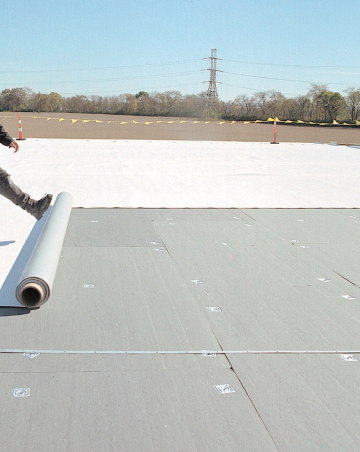
Get Commercial Roof Repair Done Right in St. Louis, MO
St. Louis puts real pressure on commercial roofs across every season. Between the heat and humidity of summer, the temperature swings heading into winter, and the storms that roll through spring and fall, your roof takes a beating that builds up over time. Staying ahead of that wear protects your facility, keeps your building operations running without interruption, and helps you avoid the kind of repair bills that come with waiting too long on a known problem.
Total Roofing works with building owners and property managers throughout the St. Louis area who want repairs done the first time correctly. If your roof is showing signs of trouble or you just want a set of experienced eyes on it before the next storm season, we are ready to help. Reach out when you are ready, and we will take it from there.
Frequently Asked Questions
Got questions about your roof? We’ve got answers. From maintenance tips to insurance claims and repair timelines, our FAQ section covers the most common concerns homeowners have. Get informed and make confident decisions about protecting your home.
Does the scale of a commercial roof repair ever change once work has started?
It can, and this happens more often on older roofs where hidden damage is not visible during the initial inspection. Once a section of membrane or flashing is pulled back, we sometimes find deteriorated roof decking or failed seams that were not accessible before. When that happens, we stop and walk you through what was found before any additional work is done, so you stay informed and in control of the decision.
How does St. Louis humidity affect flat roof membranes between repairs?
High humidity during summer can work its way into small cracks or loose seams and become trapped beneath the membrane surface. When temperatures rise, that trapped moisture expands and pushes up against the material from underneath, which is what causes the blistering and bubbling you often see on EPDM and modified bitumen roofs in this area. Catching those spots early and sealing them properly prevents the membrane from separating further and keeps the repair much more targeted.
Do commercial roof repairs in St. Louis require a permit?
It depends on the scale of the work. Routine patching, seam repairs, and flashing replacements typically do not require a permit, but more extensive repairs involving the roof deck or structural parts of the system may trigger permit requirements under local regulations. We review the scale of your repair upfront and let you know whether a permit applies before any work begins, so there are no delays once the crew is on site.
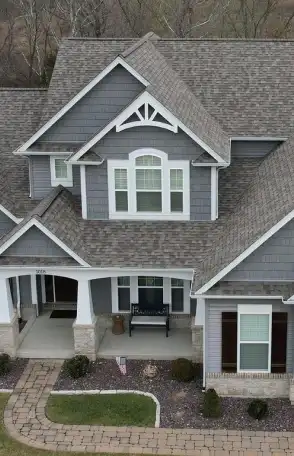
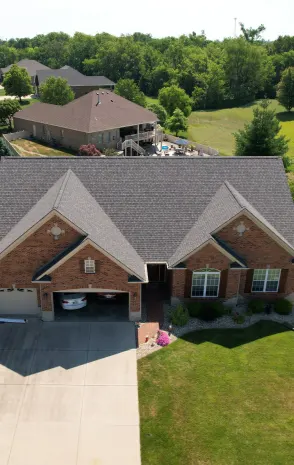
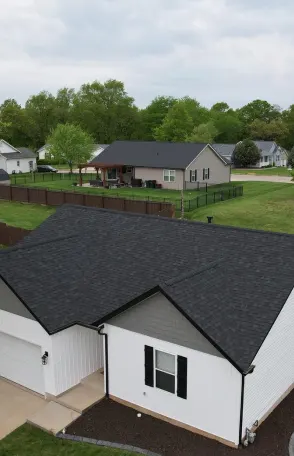
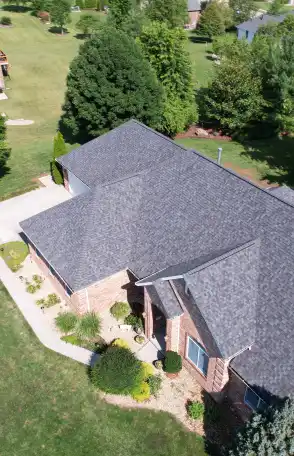
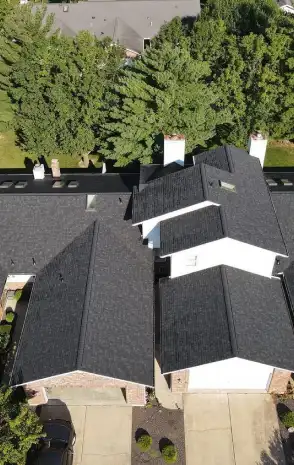
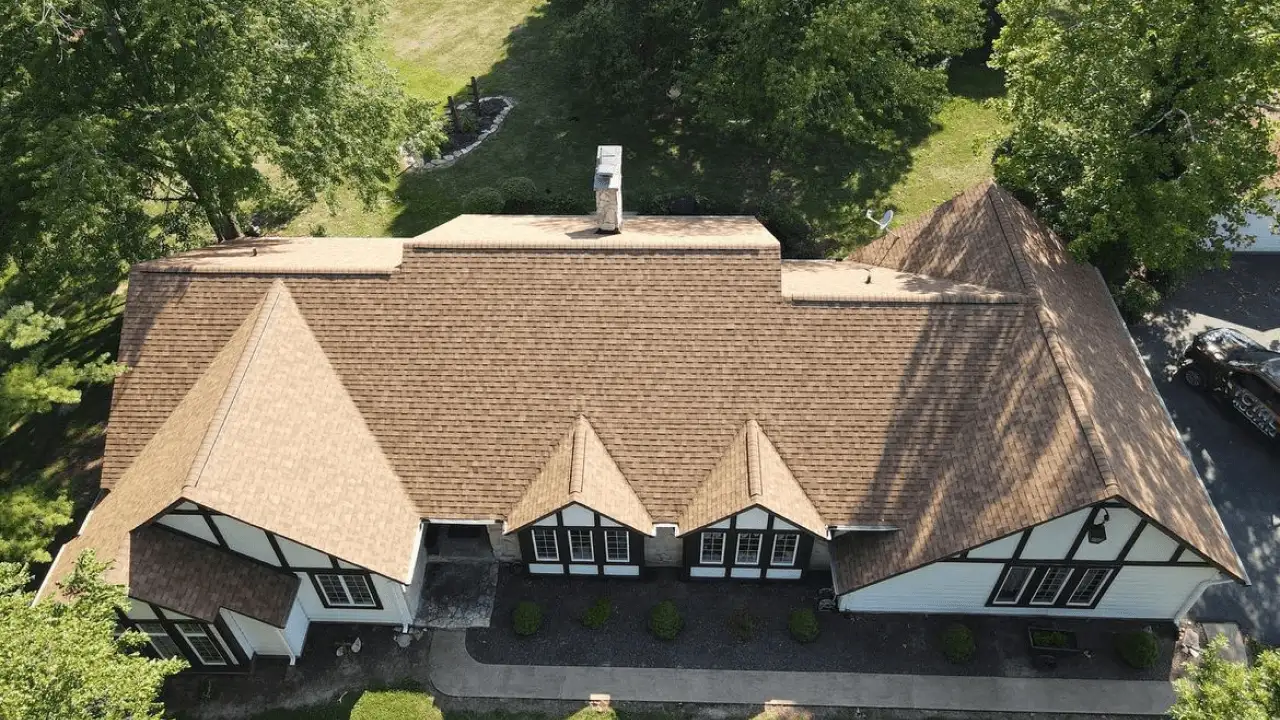
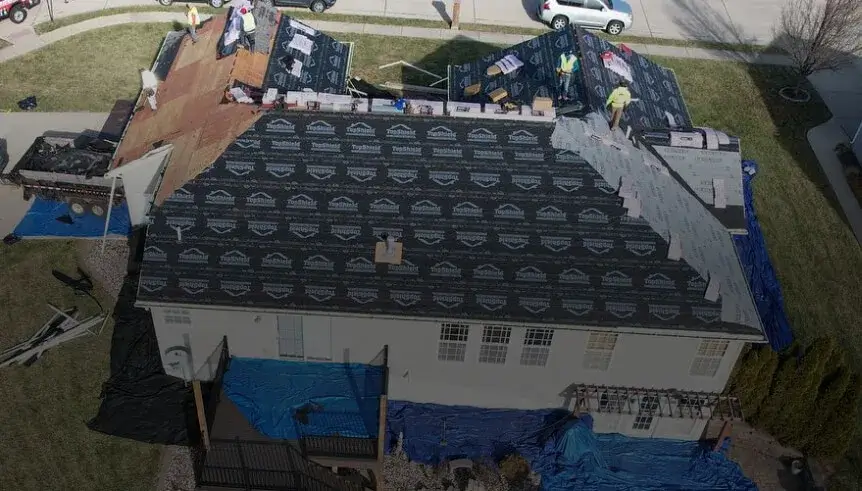
Our Work Speaks For Itself
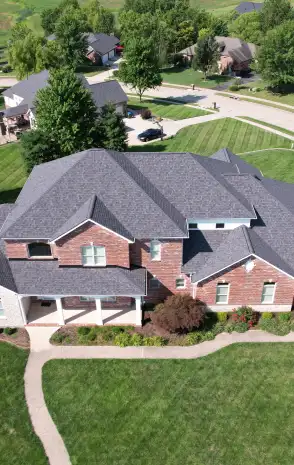
Our completed roofing projects reflect our commitment to quality, durability, and craftsmanship. From repairs to full installations, every job is done with attention to detail and built to last.

Our Client Feedback
Our work is best told through our customers. Whether it’s a quick repair or a full roof replacement, Total Roofing delivers reliable roofing done right.
View more arrow_forward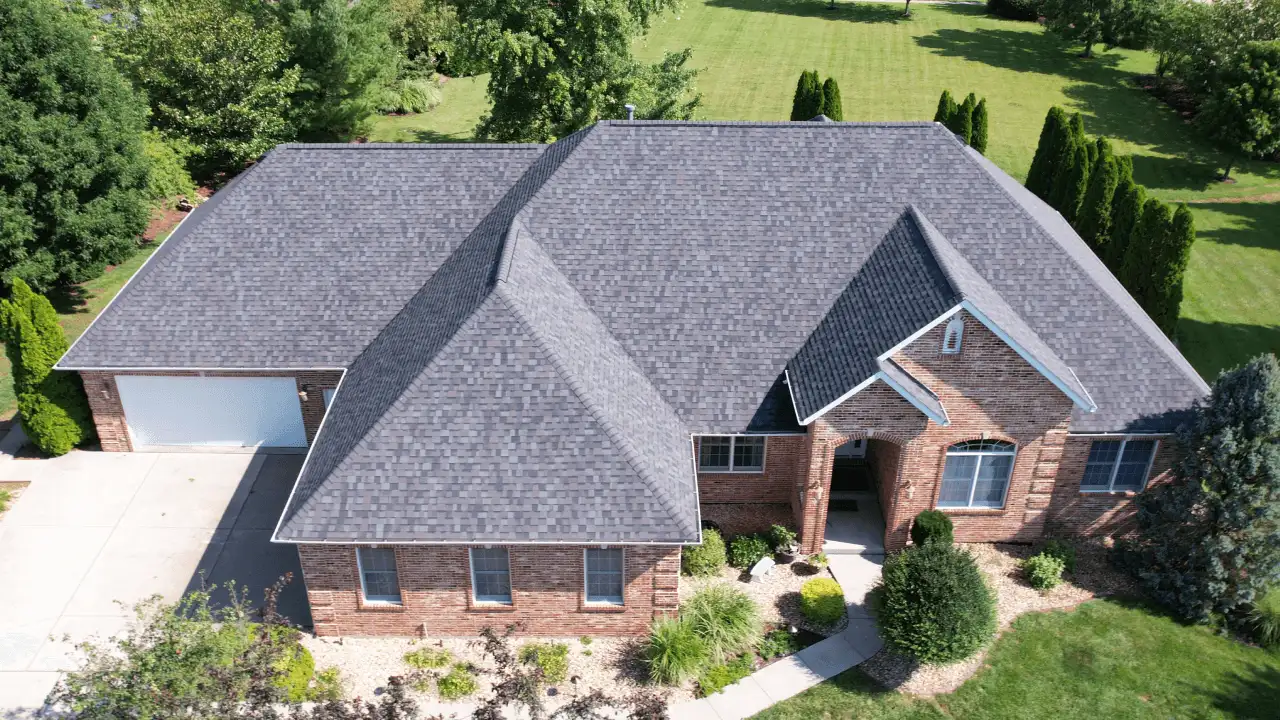




Professional Guidance and Consultation for All Roofing & Remodeling Projects
If you would like a free estimate for a new roof, please contact your nearest office location listed below. You may also submit an inquiry through the contact form, and a member of our team will respond promptly.
- done_allFree, detailed roof inspection by certified professionals Free
- done_allAccurate estimates with transparent pricing 100% Trusted
- done_allNo obligation and no pressure to commit
- done_allFast response and timely project scheduling
- done_allHigh-quality materials and skilled workmanship
- done_allDedicated support from consultation to completion








Get Your Free Professional Roof Inspection