

 call(618) 719-6767 call


Proudly Serving Homeowners Across Missouri
Commercial Roof Replacement in St. Louis, MO
5.0 Stars - Based on 221 User Reviews
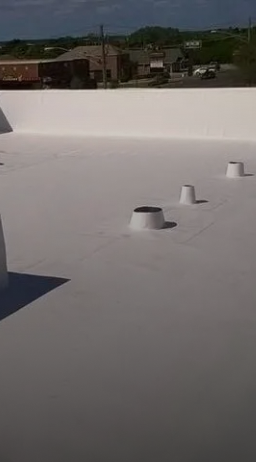
St. Louis puts commercial roofs through a demanding cycle every single year. Summers push temperatures into the 90s with humidity that rarely lets up, and winters bring freezing conditions, snow, and ice that stress roofing materials from a completely different direction. The region also sees around 40 inches of rainfall annually, spread across a large portion of the calendar. For flat and low-slope roofs, which cover a significant share of the office, retail, warehouse, and industrial buildings across the metro area, that combination of heat, cold, and moisture exposure creates real problems over time. Ponding water on aging membranes, deteriorated flashing, and weakened roof decking are not rare exceptions here. They are the expected result of years of weather exposure on a roof that has reached the end of its useful life.
When a commercial roof starts failing in this environment, the consequences move quickly. Leaks reach interior spaces, insulation gets saturated, and what started as surface wear can turn into structural repairs once the old roof comes off. That is why replacement done right in St. Louis requires more than simply laying down a new membrane. It requires a crew that understands what older buildings in this market tend to hide, and how to plan around them. Total Roofing works with building owners and property managers throughout the St. Louis area, bringing that local knowledge to every project. The goal is a roof that protects your facility reliably through whatever this region delivers next.
How Commercial Roof Replacement Works in St. Louis, MO
A commercial roof replacement involves multiple stages, and having a defined process makes each step easier to manage. Here is how Total Roofing approaches commercial projects in the St. Louis area from initial inspection through completion.
- Step 1: Initial Roof Evaluation
We begin by inspecting the full roofing system before any recommendations are made. This includes membrane condition, flashing details, drainage pathways, edge terminations, and rooftop gaps such as HVAC curbs and vents. The goal is to establish a complete and accurate view of current roof performance and existing problem areas. - Step 2: Condition Review & Recommendation
After the inspection, we review the findings with you in clear terms. If localized repairs can extend the service life of the system, that option is presented. A full replacement is recommended only when the existing roof has reached a point where continued repair work is no longer a reliable long-term solution. - Step 3: System Selection & Project Scale
If replacement is the appropriate direction, we outline material systems suited to regional weather conditions, including heat cycles, precipitation, and storm exposure common in St. Louis. A detailed scale of work is provided so the full project is defined before scheduling, including any roof decking or perimeter work identified during inspection. - Step 4: Tear-Off & Installation Work
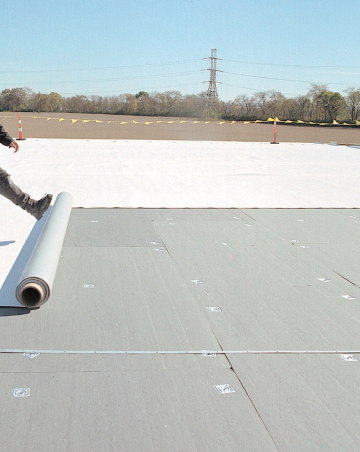
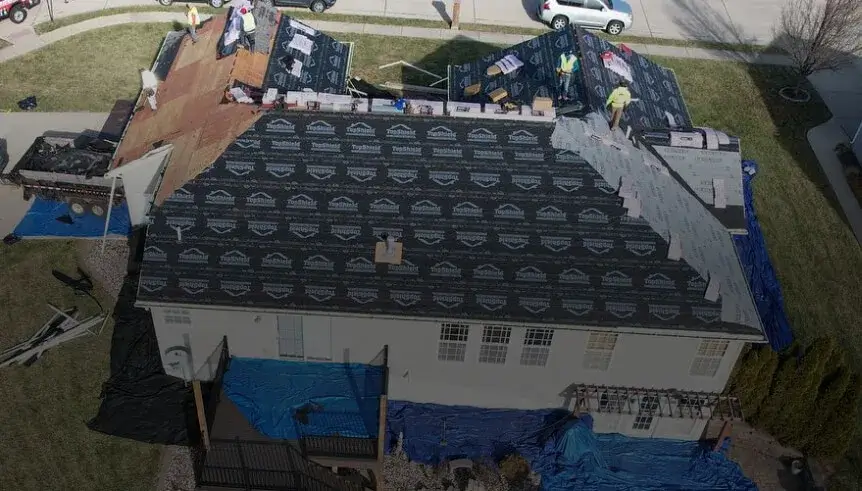
The existing roofing system is removed, and the new assembly is installed with attention to staging, debris handling, and site coordination on occupied properties. If hidden issues such as wet insulation or roof deck damage are discovered during tear-off, they are corrected before installation continues. - Step 5: Final Inspection & Project Closeout
Once installation is complete, the roof is reviewed in detail, including seams, flashing transitions, drainage performance, and edge conditions. The finished system is then walked with you so the completed work and its condition are clearly verified before the project is closed out.
Planning Your Commercial Roof Replacement in St. Louis, MO
Every commercial replacement project has its own set of variables, and in St. Louis, several local factors tend to shape the job scale, timing, and what gets uncovered along the way. Understanding what drives project complexity helps you plan more accurately and avoid surprises once work begins.
| Planning Factor | Why It Matters in St. Louis | What to Expect |
|---|---|---|
| Roof Deck Condition | Older commercial and industrial buildings frequently hide wet insulation and deteriorated roof decking beneath aging membranes | Structural repairs may be needed once the tear-off reveals what is underneath |
| Drainage and Slope | Flat and low-slope roofs across the metro are prone to ponding water, especially after heavy rain | Drainage improvements are often addressed at the same time as membrane replacement |
| Rooftop Equipment | Warehouses and commercial facilities commonly have HVAC units, curbs, and multiple gaps | Flashing details around mechanical equipment requires careful planning and precise work |
| Project Timing | Spring and fall offer the most stable conditions for membrane installation and adhesive performance | Scheduling around St. Louis weather patterns reduces delays and improves installation quality |
| Site Access and Staging | Dense urban sites and occupied facilities create real logistical constraints | Access routes, debris removal, and phased work are planned to protect business operations |
Getting ahead of these factors early keeps your project on track and reduces the chance of mid-project decisions that add time or cost. The more your crew knows before work starts, the smoother the process runs for you and your tenants.
Membrane System Selection for St. Louis Weather Conditions
Not every roofing system performs equally in a market that deals with high summer heat, freezing winters, and regular storm exposure. The membrane and insulation assembly chosen for your building needs to handle that full range reliably, and the right selection depends on your roof's size, slope, and how it is used day to day.
Edge Detailing, Flashing, and Seam Work
The edges, seams, and transition points of a commercial roof are where failures tend to start, especially on older St. Louis buildings that have been through years of temperature changes and wind exposure. Proper flashing at curbs, parapets, and gaps is installed with that stress in mind so those areas hold up long after the rest of the project is complete.
Tear-Off and Disposal Management
Removing an aging commercial roof generates significant material volume, and on occupied or access-constrained sites, how that debris gets handled matters to your operations. Tear-off is staged, and debris is removed in a way that keeps work areas clear and minimizes disruption to loading areas, parking, and tenant access throughout the project.
Permit Compliance and Local Code Requirements
Commercial reroofing in St. Louis involves permit applications, local code requirements tied to structural work and material disposal, and inspection checkpoints that are part of the official process. Total Roofing manages that process on your behalf, so nothing gets skipped and your finished roof meets the requirements set by local building authorities.
Replace Your Commercial Roof in St. Louis, MO
A building that holds up through hot, humid summers and hard winters without leaks or disruption to your tenants is worth the investment. Commercial roof replacement is not just about what goes on top of your facility, it is about reducing long-term costs, protecting what is underneath, and extending the useful life of the building itself. Getting the project done right means fewer surprises down the road and a roofing system your property can depend on for years.
If you are working through the decision or ready to move forward, Total Roofing is straightforward to work with and familiar with what properties across St. Louis typically involve. Reach out when you are ready, and we will take it from there.
Frequently Asked Questions
Got questions about your roof? We’ve got answers. From maintenance tips to insurance claims and repair timelines, our FAQ section covers the most common concerns homeowners have. Get informed and make confident decisions about protecting your home.
What happens if hidden damage is found after the tear-off starts?
It is not unusual for older St. Louis commercial buildings to reveal wet insulation, rotted roof decking, or soft spots once the existing membrane comes off. When that happens, the damaged material gets repaired before the new system goes down, because installing over compromised roof decking shortens the life of the new roof and creates liability down the road. Your contractor should walk you through any discoveries before additional repair work begins so you understand what was found and why it needs to be addressed.
How does St. Louis storm exposure affect the way a new commercial roof is fastened and detailed?
The St. Louis region sees more severe wind and storm activity than many people expect, and that influences how a replacement roof is put together. Edge details, seam strength, and flashing at parapets and curbs all need to be installed with wind uplift in mind, not just waterproofing. A roof that is properly fastened and detailed at its transitions holds up significantly better after a strong storm than one built to minimum standards.
Can a commercial roof replacement be phased to avoid shutting down facility operations?
Yes, and for occupied buildings or facilities with active tenants, phased replacement is often the more practical approach. Work is divided into sections so that no single area of the building is fully exposed at one time, which keeps interior operations running and limits disruption to loading areas, parking, and daily business activity. Phasing does require more upfront coordination around scheduling and staging, but for the right facility, it is far less disruptive than a full shutdown.
Our Work Speaks For Itself
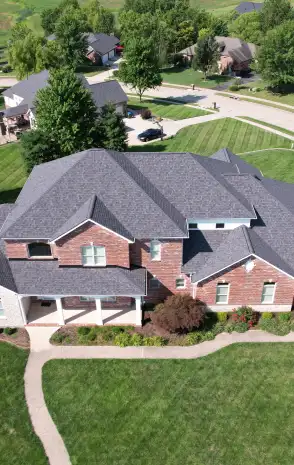
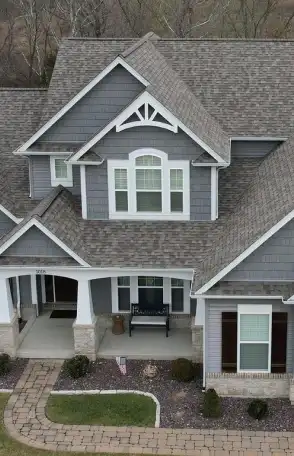
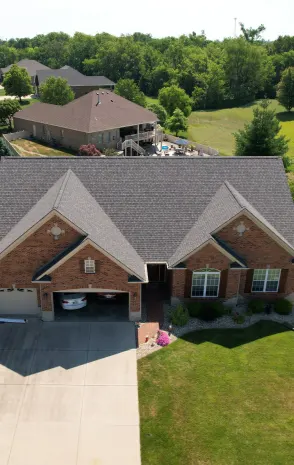
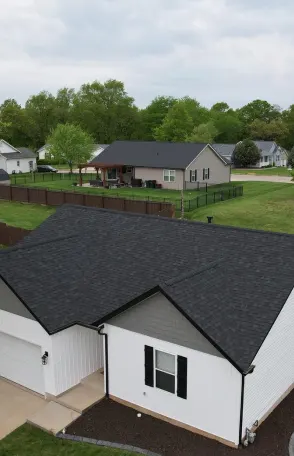
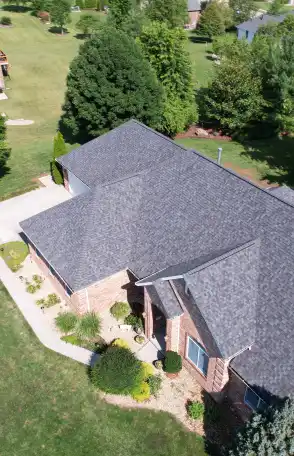
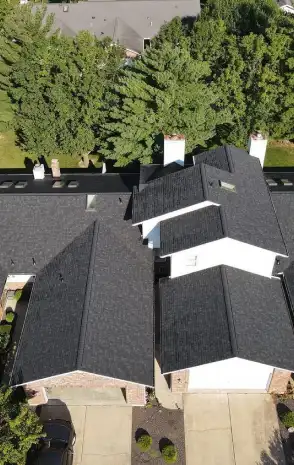
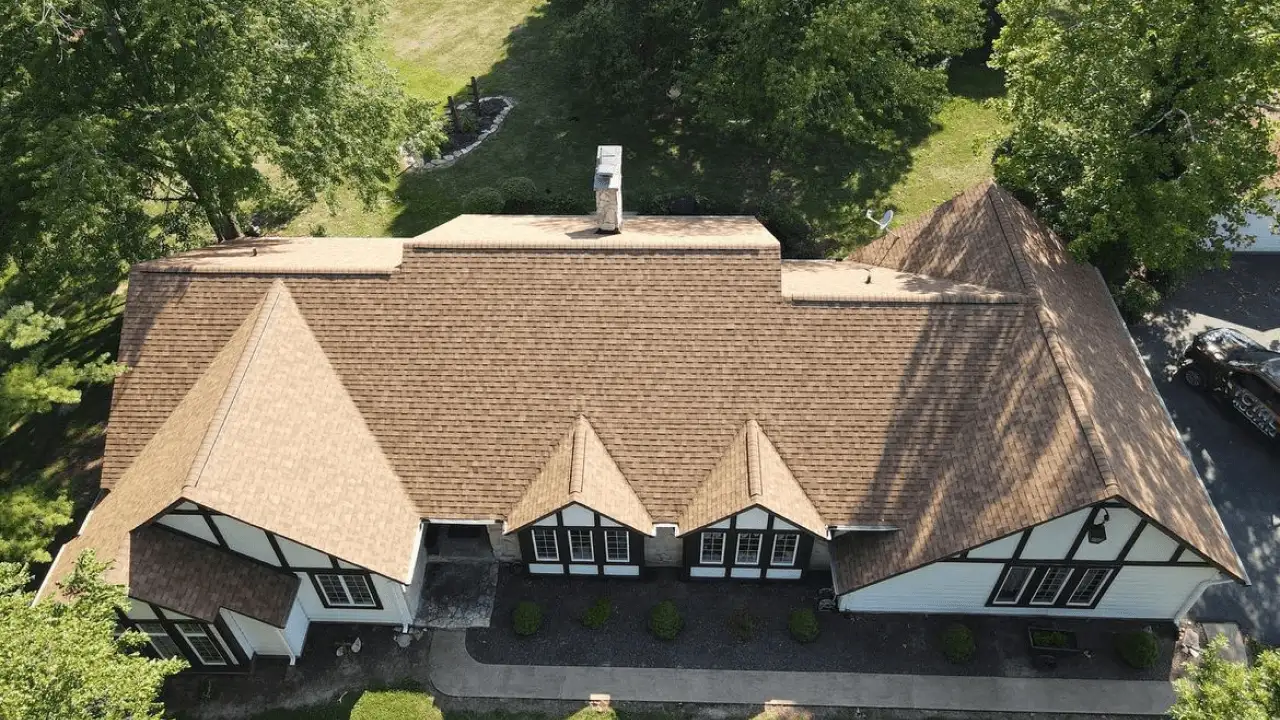
Our completed roofing projects reflect our commitment to quality, durability, and craftsmanship. From repairs to full installations, every job is done with attention to detail and built to last.

Our Client Feedback
Our work is best told through our customers. Whether it’s a quick repair or a full roof replacement, Total Roofing delivers reliable roofing done right.
View more arrow_forward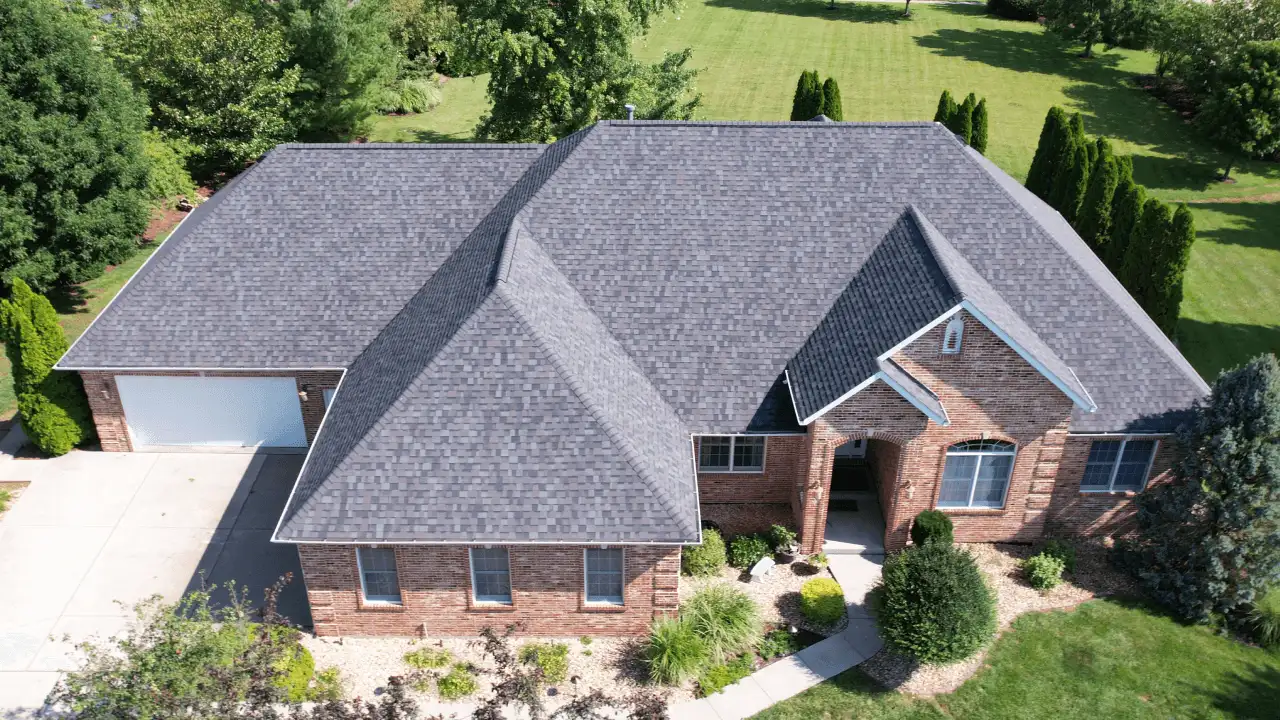




Professional Guidance and Consultation for All Roofing & Remodeling Projects
If you would like a free estimate for a new roof, please contact your nearest office location listed below. You may also submit an inquiry through the contact form, and a member of our team will respond promptly.
- done_allFree, detailed roof inspection by certified professionals Free
- done_allAccurate estimates with transparent pricing 100% Trusted
- done_allNo obligation and no pressure to commit
- done_allFast response and timely project scheduling
- done_allHigh-quality materials and skilled workmanship
- done_allDedicated support from consultation to completion









Get Your Free Professional Roof Inspection