

 call(618) 719-6767 call


Proudly Serving Homeowners Across Missouri
Emergency Roof Tarping in St. Louis, MO
5.0 Stars - Based on 231 User Reviews
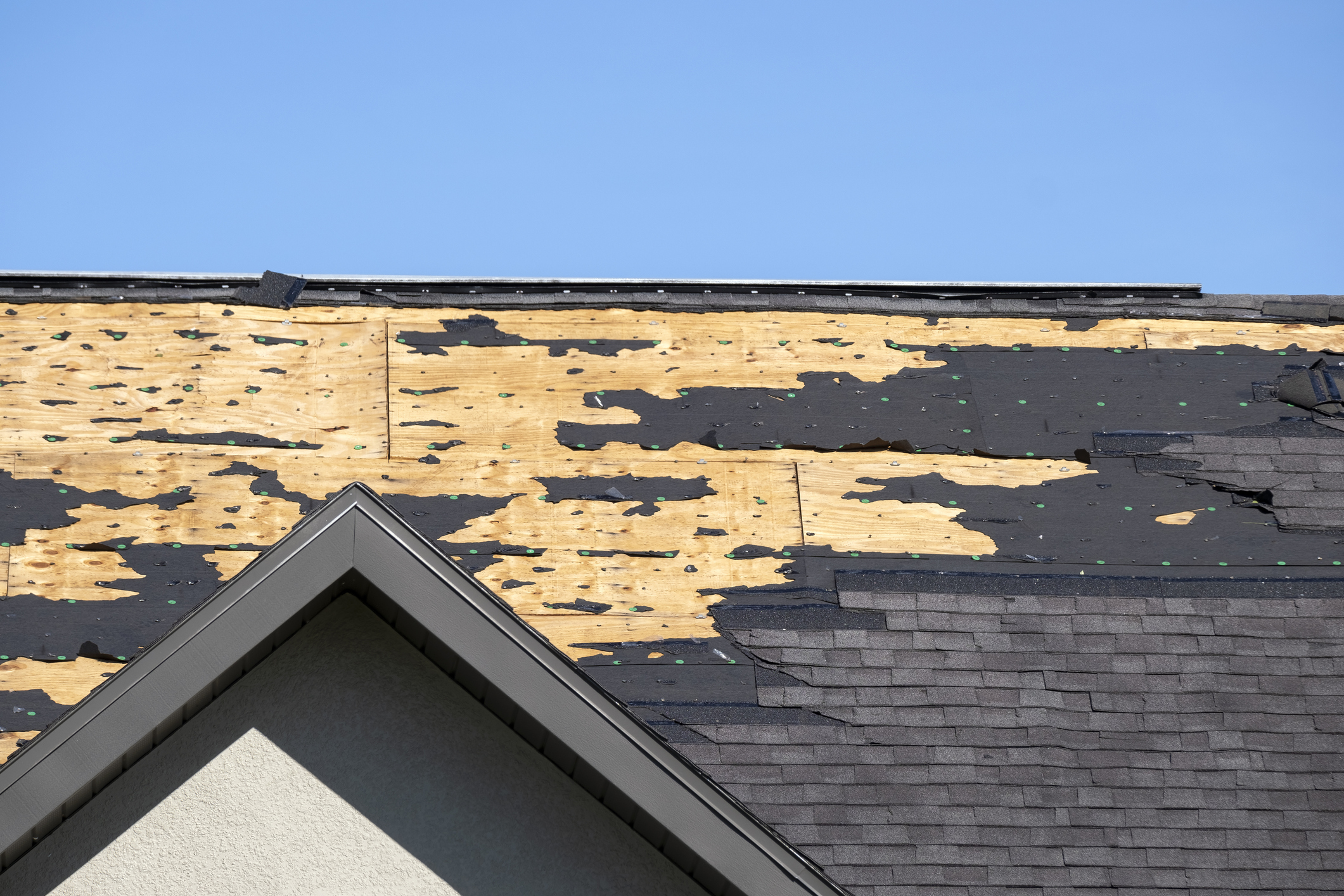
St. Louis weather does not give roofs much of a break. Winters bring cold snaps and snow that expose existing damage, spring kicks off a concentrated stretch of severe thunderstorms and hail, and summer storms roll through with wind-driven rain that pushes water into even small roof openings. The city also sits in an active hail corridor, with April through June bringing the highest risk of punctured shingles, torn flashing, and displaced roofing materials. On an older home, which describes a large share of the housing here, those small openings can turn into active leaks quickly when the next round of rain arrives.
Emergency roof tarping exists to stop that from happening. When your roof takes damage from a storm, a falling branch, or years of wear that finally gives way, getting a tarp in place fast is the difference between a repair and a much larger, more expensive problem. Water does not wait, and in St. Louis, follow-up storms often arrive within days of the first hit. Tarping protects your home while you work out the plan for permanent repairs.
Total Roofing works with St. Louis homeowners in exactly these situations. The team understands how local weather patterns behave, how older roofs respond to storm damage, and how to secure a tarp properly over chimneys, skylights, valleys, and vents, the spots where leaks tend to start on homes like yours.
How Emergency Roof Tarping Works in St. Louis, MO
Roof damage can leave you dealing with an exposed area and no clear idea of what needs to happen next. Total Roofing focuses first on protecting the home, then evaluates the damage and explains the permanent repair process.
- Step 1: Evaluate the Emergency
When you contact us, we get the essential details about the damage and the condition of the roof. Once we arrive, we examine the affected area, check for active leaks, and look for other locations where water may already be entering. This gives us a better understanding of the situation before we begin the temporary protection. - Step 2: Secure Temporary Protection
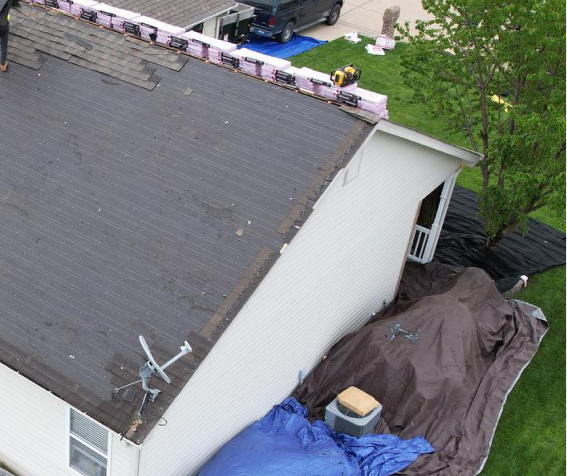
We place a tarp over the damaged section and secure it with the roof and weather conditions in mind. Wind-driven rain and additional storms can create problems in St. Louis, so we pay particular attention around chimneys, skylights, vents, valleys, and other areas where water can travel into the home. The tarp provides temporary coverage while permanent repairs are being arranged. - Step 3: Inspect the Surrounding Damage
Once the exposed area is protected, we examine the nearby roofing and materials for additional damage. Older homes can have problems that are not obvious from the ground, so we look beyond the original opening to understand how far the storm damage extends. This gives you a clearer picture of what the permanent repair may involve. - Step 4: Explain the Permanent Repair Options
We review what we found and explain the available options for restoring the damaged roof. When the problem is limited to a specific area, we will tell you that directly rather than recommending unnecessary work. Our recommendations are based on the conditions we identify during the inspection. - Step 5: Review the Tarp and Follow-Up
Before wrapping up, we explain what to watch for while the tarp remains in place and what to expect as the permanent repair is scheduled. We also answer questions about the damaged areas and the next stage of the work so you have a clear understanding of how the situation will be handled.
When to Call for Emergency Tarping in St. Louis, MO
Not every roof situation is obvious from the ground, and storm damage in St. Louis can range from a handful of missing shingles to a full section of compromised roofing. Knowing what qualifies as an emergency helps you act quickly before follow-up rain turns a bad situation into a worse one.
| Situation | Why It Needs Tarping Fast | Urgency Level |
|---|---|---|
| Missing or displaced shingles after hail or wind | Exposed roof deck soaks through quickly in follow-up rain | High |
| Branch or debris impact creating an opening | Direct hole allows water in immediately | High |
| Damaged or lifted flashing near chimneys or vents | Wind-driven rain channels directly into the structure | High |
| Visible interior staining or ceiling drips after a storm | Water is already inside; more rain will deepen damage | High |
| Winter damage discovered after cold snaps or snow | Temperature changes open existing cracks further | Moderate to High |
Older St. Louis homes are especially at risk because roofing details around valleys, skylights, and mixed roof slopes tend to fail at transition points first. Even if visible damage looks minor, those areas can let in far more water than expected once the next storm arrives. When there is any doubt, getting a tarp in place quickly is the right call.
Heavy-Duty Tarp Materials Rated for Wind and Rain
Not all tarps hold up the same way, and in St. Louis, where follow-up storms can arrive within days of initial damage, the material quality matters. The tarps used are thick, reinforced, and secured in a way that resists wind-driven rain rather than peeling back when conditions get rough again.
Full Coverage of Gaps and Transition Points
Chimneys, skylights, vents, and roof valleys are the spots where water finds its way in fastest on older homes, and they require more than just a tarp laid flat over the damage. Each of these areas gets specific attention to ensure the covering seals around the opening rather than leaving a gap that rain can exploit.
Low-Slope and Flat Section Protection
Many St. Louis homes have a combination of steep and low-slope roof sections, and the flatter areas hold standing water longer after rain. Emergency tarping accounts for these sections specifically, with coverage that keeps water from pooling against damaged materials or working its way under lifted edges overnight.
Tarp Securing Methods That Hold Through Storm Rounds
Spring storm season in St. Louis often brings multiple severe storms in the same week, so a tarp that shifts or loosens after the first round of wind can leave your home exposed when the next one arrives. The securing method used accounts for repeated weather exposure, keeping the temporary covering in place until permanent repairs can be completed.
Get Emergency Roof Tarping Done in St. Louis, MO
St. Louis puts roofs through a lot across the year, from winter cold that opens up existing damage to the concentrated stretch of severe storms that runs through spring and into early summer. When your roof takes a hit, getting it covered quickly protects your home from the kind of water damage that turns a straightforward repair into something far more involved. The longer a damaged roof stays exposed between storms, the more your home is at risk, and in this area, the next round of rain rarely waits long.
If your roof has taken damage and you are not sure what to do next, reaching out to Total Roofing is a good place to start. The team can get to your home, cover what needs covering, and walk you through what comes next for permanent repairs. No pressure, just a clear path forward to protect your home.
Frequently Asked Questions
Got questions about your roof? We’ve got answers. From maintenance tips to insurance claims and repair timelines, our FAQ section covers the most common concerns homeowners have. Get informed and make confident decisions about protecting your home.
Does it matter if the damaged area on my roof looks small?
Size can be deceiving, especially on older homes with patched roofing details around valleys and transition points. A small opening near a chimney or skylight can let in far more water than the same size gap in the middle of a shingle field because those areas funnel runoff directly toward the structure. In St. Louis, where follow-up storms can roll through within a day or 2 of initial damage, even a minor-looking opening is worth covering quickly.
How long can a tarp stay in place before it becomes a problem?
A properly secured tarp is a short-term solution, not a substitute for permanent repair. Most are designed to hold through several rounds of weather, but UV exposure during summer and freeze-and-thaw stress in winter can degrade tarp materials and securing points over time. The goal is to get permanent repairs scheduled as soon as conditions and materials allow, using the tarp to protect your home in the meantime rather than as a long-term fix.
Why does St. Louis's spring storm season make emergency tarping more complicated than other times of year?
Spring here often brings back-to-back severe weather systems in the same week, which means a tarp installed after one storm may face another round of high winds and heavy rain before a repair crew can return. The hail corridor that runs through this region also means that follow-up storms sometimes cause new damage alongside the original, so a thorough check of the full roof matters just as much as covering the obvious opening. Getting the tarp secured the first time correctly reduces the risk of it shifting or lifting before the weather settles down.
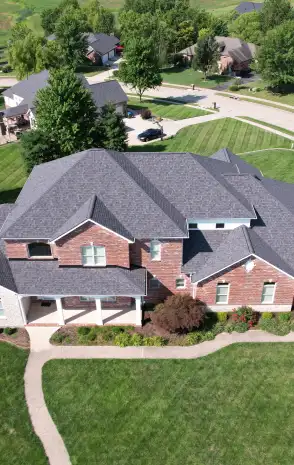
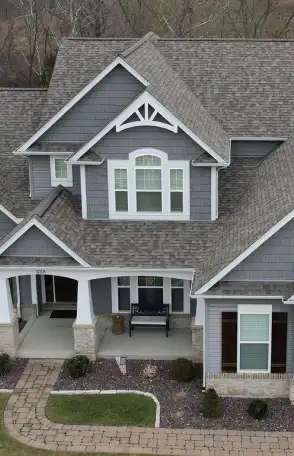
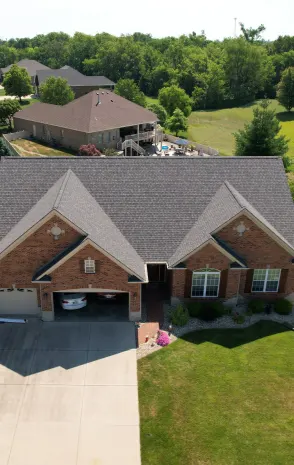
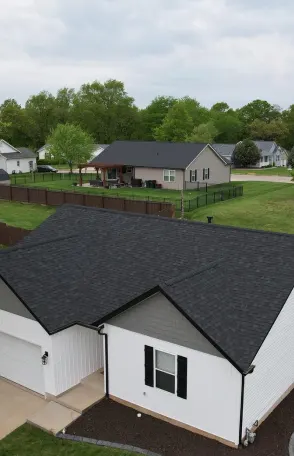
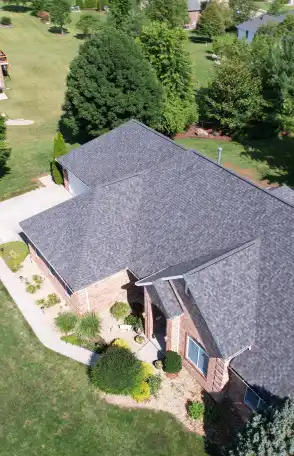
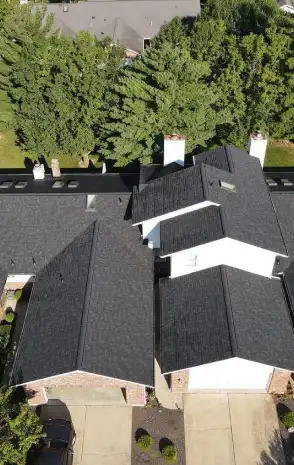
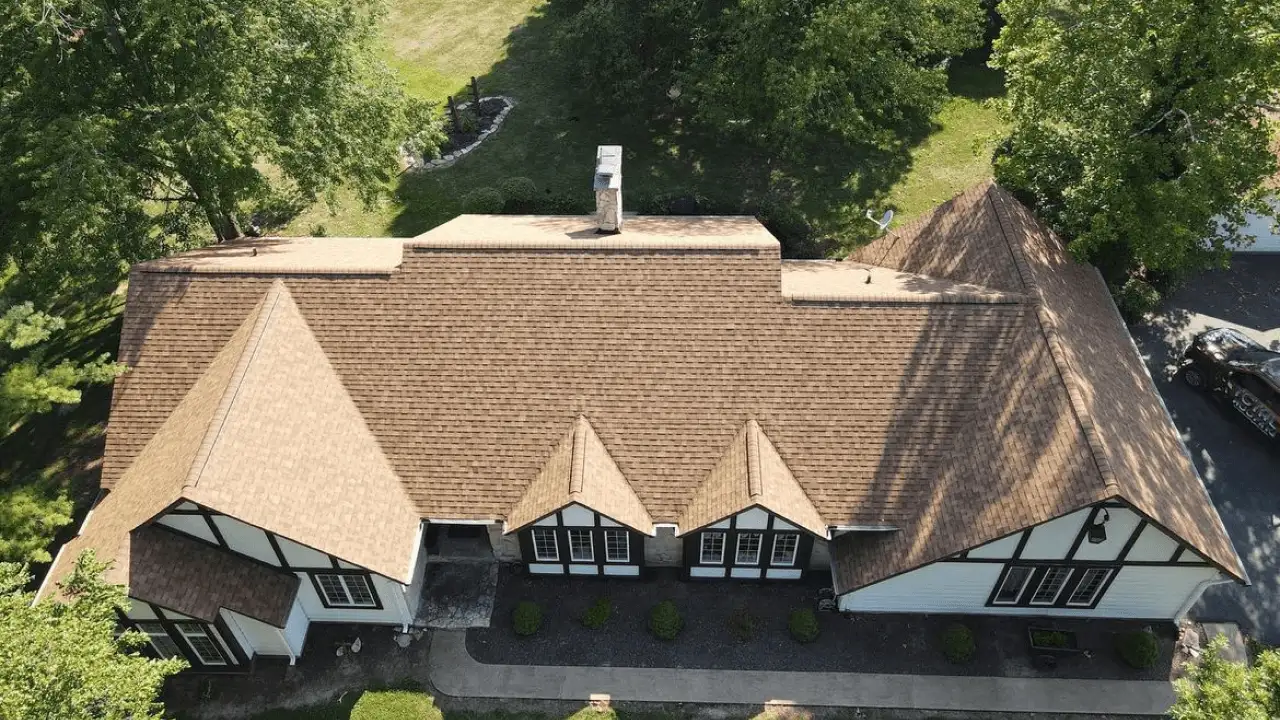
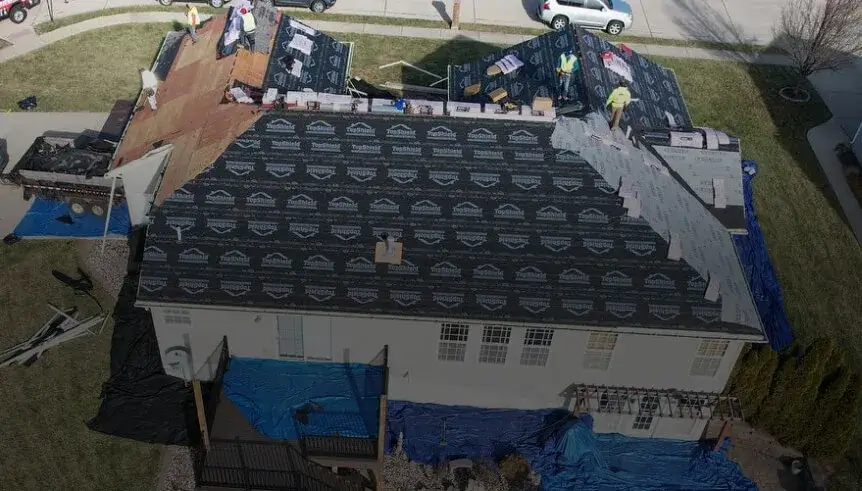
Our Work Speaks For Itself
Our completed roofing projects reflect our commitment to quality, durability, and craftsmanship. From repairs to full installations, every job is done with attention to detail and built to last.

Our Client Feedback
Our work is best told through our customers. Whether it’s a quick repair or a full roof replacement, Total Roofing delivers reliable roofing done right.
View more arrow_forward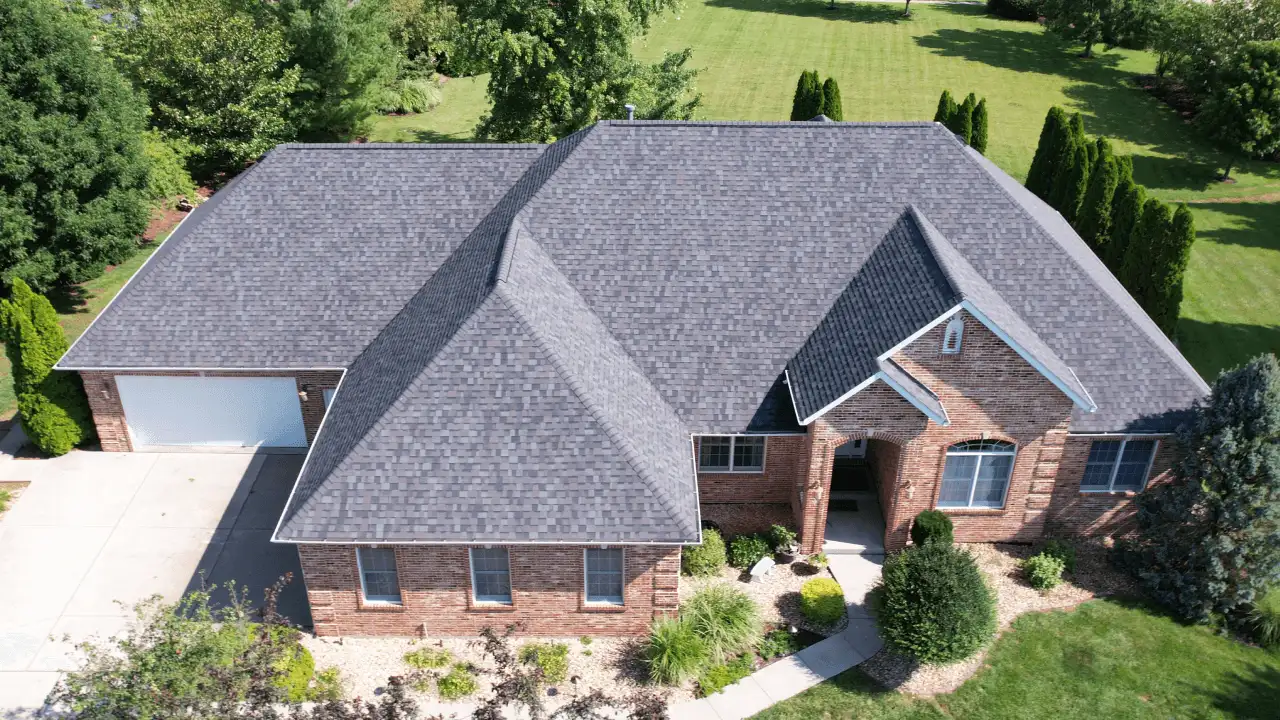











Professional Guidance and Consultation for All Roofing & Remodeling Projects
If you would like a free estimate for a new roof, please contact your nearest office location listed below. You may also submit an inquiry through the contact form, and a member of our team will respond promptly.
- done_allFree, detailed roof inspection by certified professionals Free
- done_allAccurate estimates with transparent pricing 100% Trusted
- done_allNo obligation and no pressure to commit
- done_allFast response and timely project scheduling
- done_allHigh-quality materials and skilled workmanship
- done_allDedicated support from consultation to completion










Get Your Free Professional Roof Inspection