

 call(618) 719-6767 call


Proudly Serving Homeowners Across Missouri
Hail Damage Roof Repair in St. Louis, MO
5.0 Stars - Based on 224 User Reviews
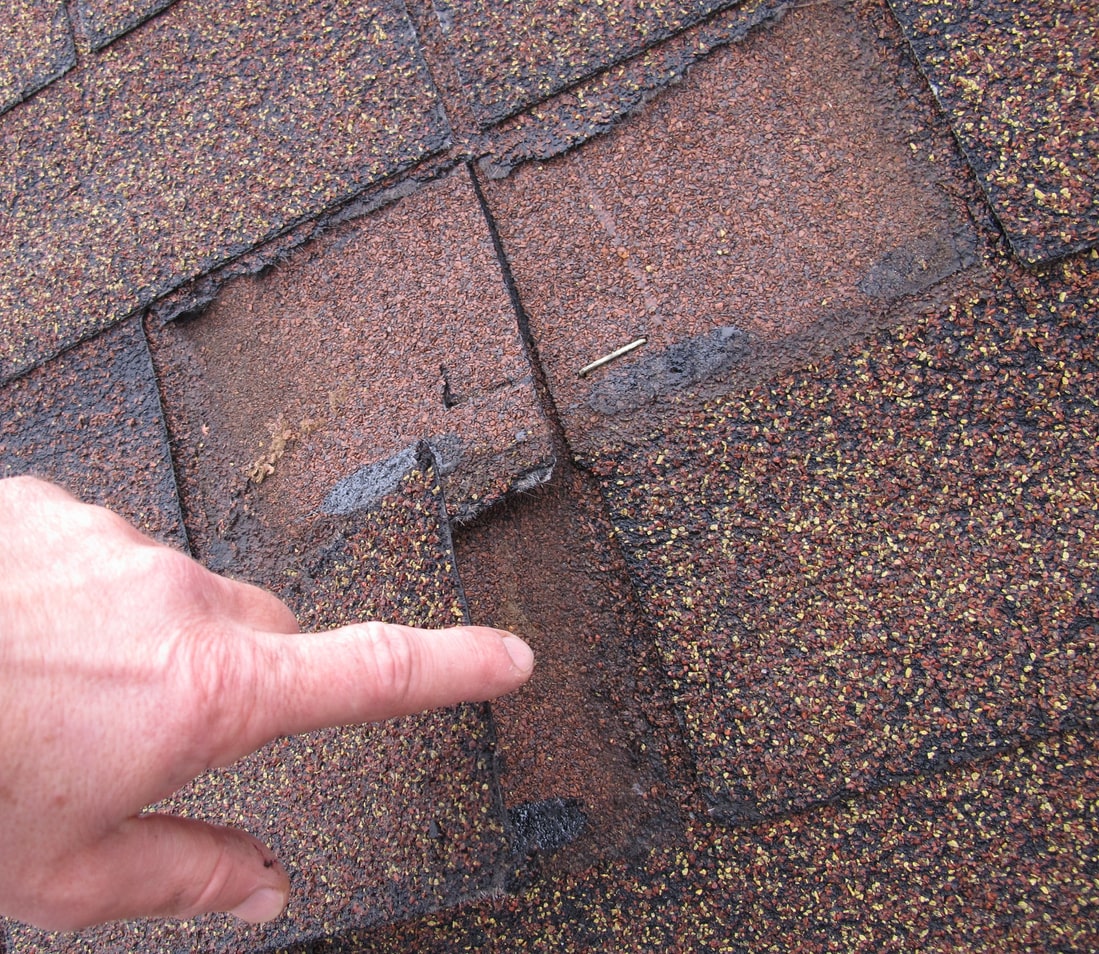
St. Louis sits in a region where spring and summer storms roll through with serious force. Hail is a regular part of life here, and it does more damage than most homeowners and property owners realize. Large hailstones crack and bruise shingles on the surface, but smaller stones do their own kind of harm by knocking loose the protective granules that shield your roof from UV exposure and moisture. That granule loss is easy to miss, yet over time, it shortens the life of your roof significantly. Left unaddressed, what starts as surface damage can work its way down to the underlayment and roof decking, turning a minor repair into a much larger project.
Working with a contractor who knows this region matters. Out-of-state storm chasers show up after major weather, but they leave just as quickly, and you have no local recourse if problems surface later.
Total Roofing is based here, works in this market every day, and understands how St. Louis weather conditions wear on both residential and commercial roofing systems. Whether you have asphalt shingles on a family home or a membrane roof on a commercial building, the approach needs to fit the specific damage, not just a generic repair template. That local knowledge is exactly what we bring to every job.
Our Process for Hail Damage Roof Repair in St. Louis, MO
Dealing with roof damage after a hailstorm can be stressful, but the process can be straightforward when handled correctly. Here’s what to expect when working with Total Roofing.
- Step 1: Roof Inspection
We start with a thorough visual assessment of your roof and surrounding property. This includes checking for dented flashing, cracked shingles, and bruised surfaces. We also examine less obvious signs, such as granule buildup in gutters and hidden damage that may not be immediately visible. Every area is inspected carefully. - Step 2: Clear Assessment and Options
After the inspection, we provide an objective evaluation of your roof’s condition. If only targeted repairs are necessary, we explain what will be done. If the roof remains intact, we report that clearly. Only the work that is required is recommended. - Step 3: Detailed Plan and Estimate
When repairs are needed, we prepare a full plan that outlines all tasks, materials, and costs. This ensures there are no vague estimates or unexpected charges once the work is complete. - Step 4: Professional Repairs
Our team carries out the repair work using materials that match your existing roof. Repairs are completed efficiently, often in a single day, minimizing disruption while ensuring consistent results. - Step 5: Final Inspection and Cleanup
Once repairs are finished, we conduct a thorough review to confirm all work is secure and properly sealed. The work area is cleaned, leaving your property in good condition and ready for normal use.
Identifying Hail Damage in St. Louis, MO
Hail hits different materials in different ways, and knowing what to look for helps you understand the full scale of what your roof has been through. St. Louis storms often combine hail with strong winds, which concentrates impact near gutters and along roof edges where damage tends to show up first. The bigger concern is what you can't see from the ground, including hidden cracks that widen over time as temperatures shift between warm summers and cold winters.
- Granule loss on asphalt shingles: Hail knocks granules loose from the shingle surface, exposing the underlying material to UV and moisture. You'll often notice granule buildup in your gutters after a storm.
- Bruising and soft spots: Asphalt shingles can absorb hail strikes without cracking visibly, but the underlying mat gets compressed. These soft spots accelerate wear over future seasons.
- Dents on metal roofing: Metal roofs hold up well against repeated hail exposure, but large hailstones can leave cosmetic dents. Seams and fasteners are the areas most worth inspecting carefully.
- Surface marks on composite materials: Composite roofing resists impact well, but direct hits from larger hailstones can leave surface marks or stress the panel edges.
- Membrane punctures on commercial roofs: TPO, PVC, and EPDM membranes can develop small punctures or seam separations after hail, which allow moisture to reach the insulation layer beneath.
Quick tarping after a storm protects your roof from leaks while repairs are being scheduled, which matters especially during St. Louis's spring when follow-up rain is common.
Choosing Total Roofing for Hail Damage Roof Repair in St. Louis, MO
St. Louis weather puts roofs through a real workout year after year, and hail damage that goes unaddressed tends to get worse with each passing season. Restoring your roof after a storm means more than patching visible marks. It means returning your property to a condition that holds up against whatever comes next. Careful material matching keeps the finished repair looking consistent, and proper sealing protects the layers underneath from moisture and temperature changes before winter arrives.
Total Roofing helps homeowners and property owners in the St. Louis area protect their investment with repairs done right the first time. If your roof has taken a hit, we're ready to take a look and give you a clear picture of where things stand. Reach out to Total Roofing to schedule your inspection.
Frequently Asked Questions
Got questions about your roof? We’ve got answers. From maintenance tips to insurance claims and repair timelines, our FAQ section covers the most common concerns homeowners have. Get informed and make confident decisions about protecting your home.
How soon after a hailstorm should I get my roof inspected?
Getting an inspection scheduled within a few weeks of the storm is a smart move, especially in St. Louis, where spring hail season often brings multiple storms in quick succession. Waiting too long means any existing damage gets exposed to rain and temperature swings before repairs can be made. The sooner you know what you're dealing with, the easier it is to address damage before it spreads deeper into the roof structure.
Can hail damage affect my roof even if the shingles look fine from the ground?
Yes, and this is one of the things homeowners most often miss. Granule loss and soft spots in the shingle mat are not visible from street level but show up clearly during a hands-on inspection. Impact damage to flashing, ridge caps, and pipe boots is also easy to overlook unless someone is physically walking the roof. A close-up inspection is the only reliable way to know whether your roof actually came through a storm undamaged.
Does it matter what time of year I schedule a hail damage repair in St. Louis?
Timing does affect how well repair materials perform. Shingle sealants bond best when temperatures are in a moderate range, so fall is often a good window before St. Louis winters arrive and push temps well below freezing. That said, putting off repairs until a convenient season is risky if your roof already has exposed areas or granule loss. In most cases, getting the work done quickly outweighs waiting for ideal conditions.
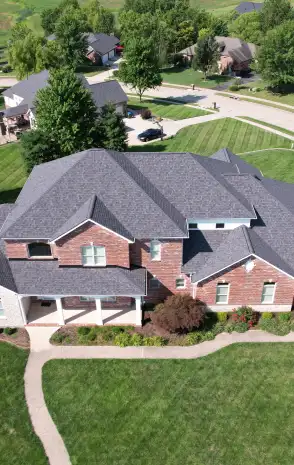
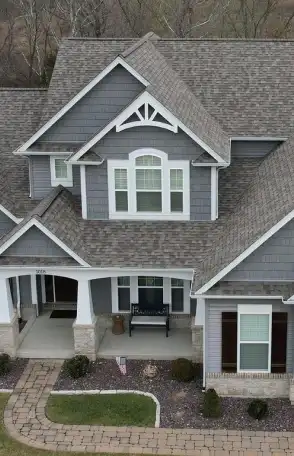
Our Work Speaks For Itself
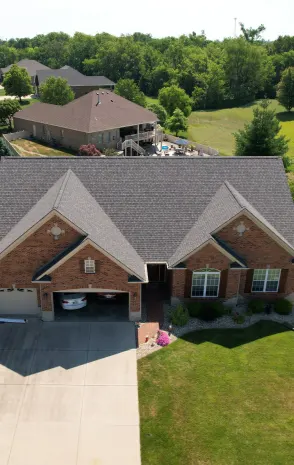
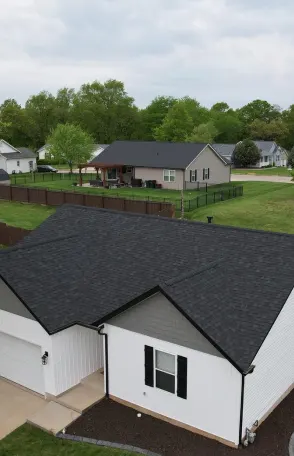
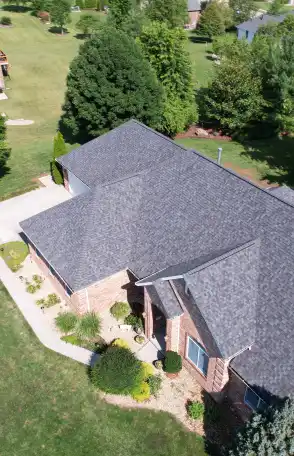
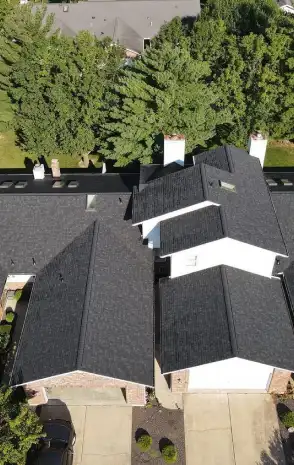
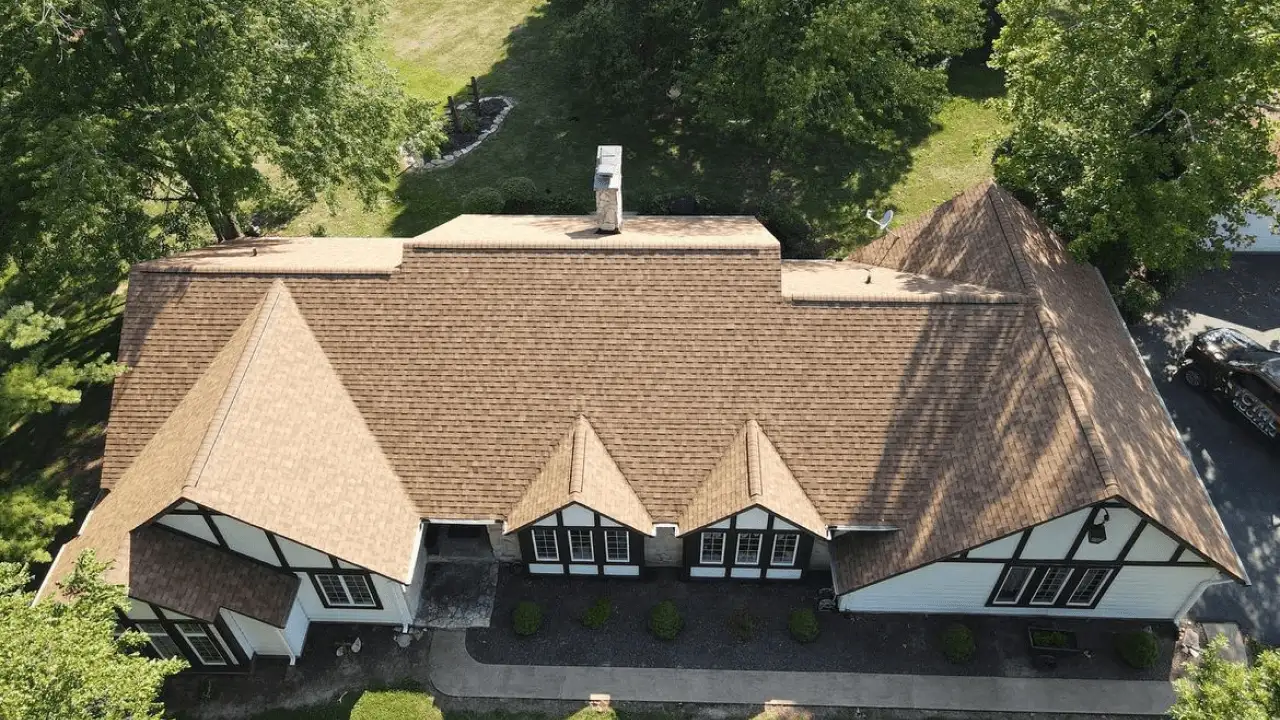
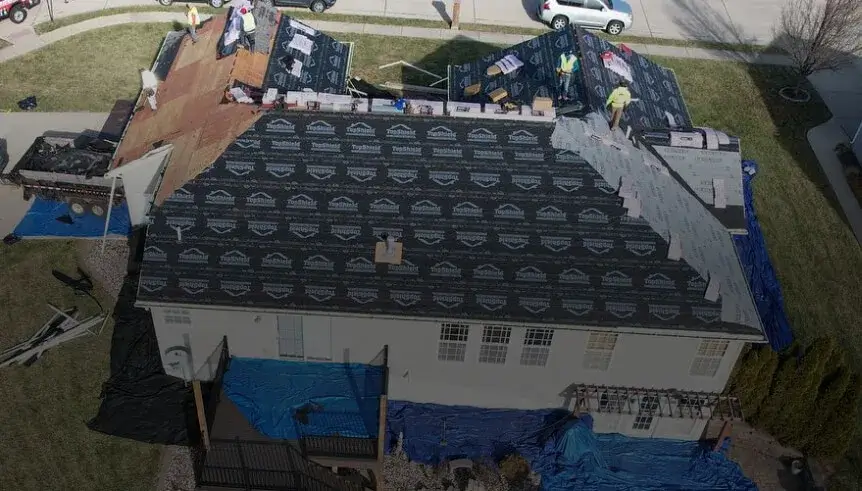
Our completed roofing projects reflect our commitment to quality, durability, and craftsmanship. From repairs to full installations, every job is done with attention to detail and built to last.

Our Client Feedback
Our work is best told through our customers. Whether it’s a quick repair or a full roof replacement, Total Roofing delivers reliable roofing done right.
View more arrow_forward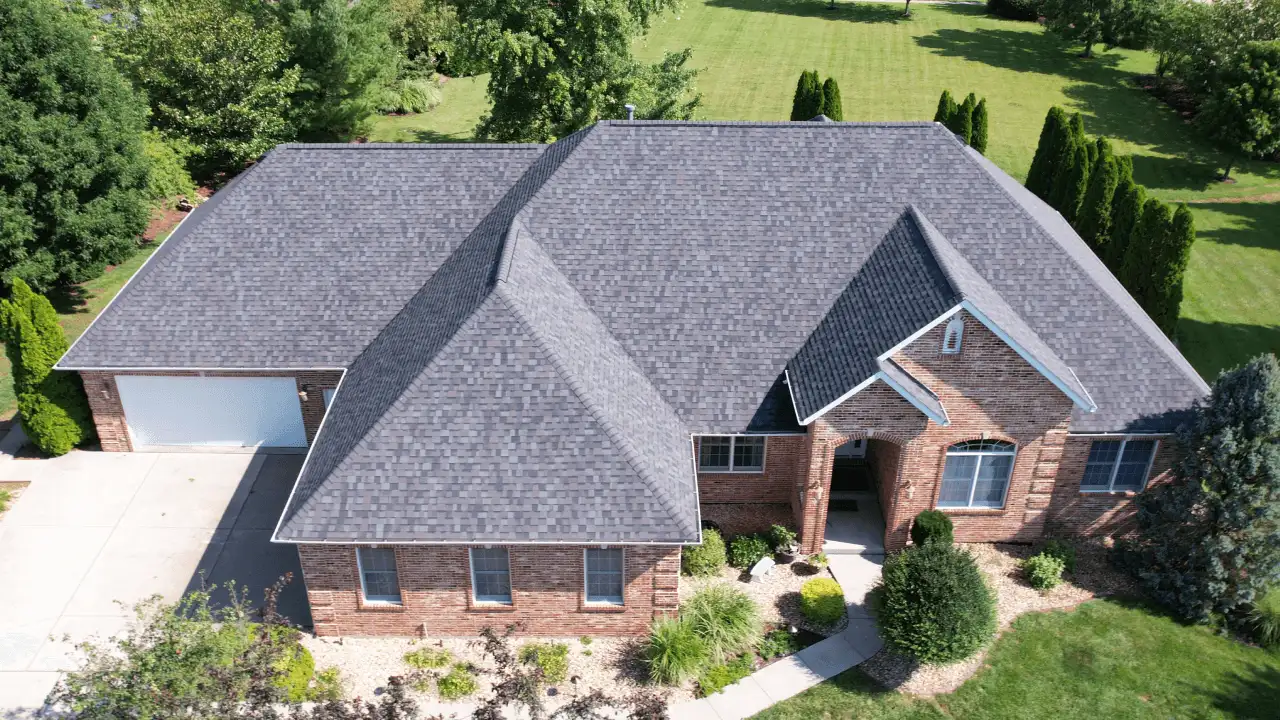






Professional Guidance and Consultation for All Roofing & Remodeling Projects
If you would like a free estimate for a new roof, please contact your nearest office location listed below. You may also submit an inquiry through the contact form, and a member of our team will respond promptly.
- done_allFree, detailed roof inspection by certified professionals Free
- done_allAccurate estimates with transparent pricing 100% Trusted
- done_allNo obligation and no pressure to commit
- done_allFast response and timely project scheduling
- done_allHigh-quality materials and skilled workmanship
- done_allDedicated support from consultation to completion









Get Your Free Professional Roof Inspection