

 call(618) 719-6767 call


Proudly Serving Homeowners Across Missouri
Residential Roof Inspection in St. Louis, MO
5.0 Stars - Based on 221 User Reviews
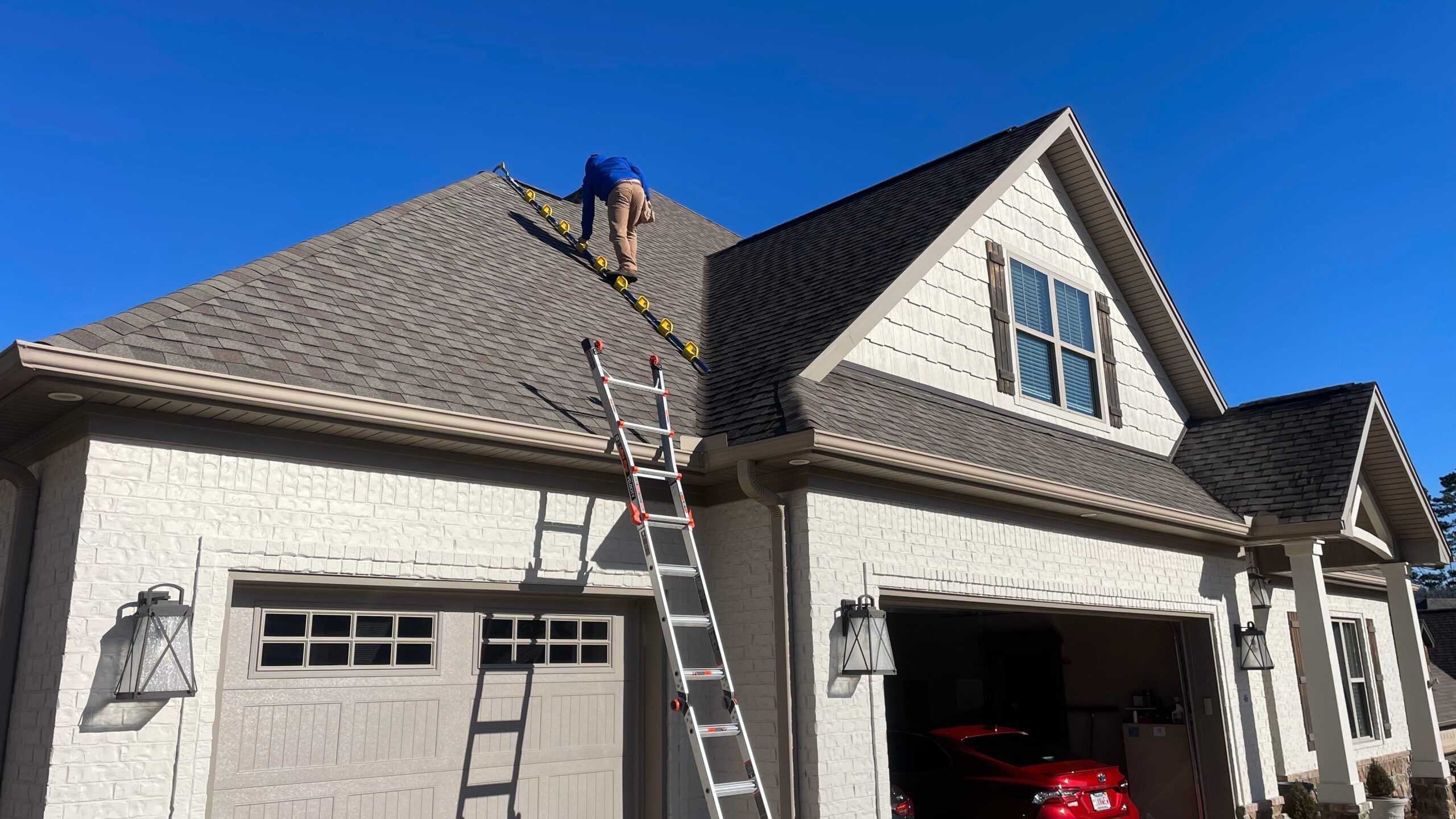
St. Louis puts roofs through a serious workout every year. Summers bring humidity and temperatures pushing into the 90s, while winters drop well below freezing, sometimes within the same week. That kind of back-and-forth causes roofing materials to expand, contract, and wear down faster than homeowners often expect. Add in around 40 to 45 inches of annual rainfall, frequent thunderstorms, and the occasional hailstorm, and it becomes clear why so many roofs across the metro area develop problems quietly, long before a leak shows up inside the house.
St. Louis also has a significant amount of older housing stock, and those aging roofs are especially vulnerable to moss growth, soft spots, and wood rot that spreads when left unchecked.
A professional roof inspection gives you a complete picture of where your roof stands before small issues turn into expensive repairs. Total Roofing has been working with St. Louis homeowners long enough to know exactly what to look for in this region, from storm damage on aging shingles to moisture buildup along flashing and valleys. Every inspection covers the full roof, not just the obvious trouble spots, so you walk away knowing your home is protected and nothing has been missed, going into the next round of severe weather.
How Our Roof Inspection Process Works in St. Louis, MO
Knowing what to expect from start to finish makes the whole experience easier. Here is exactly how Total Roofing handles a residential roof inspection so there are no surprises along the way.
- Step 1: Schedule and Access Planning
We coordinate a time that works with your schedule and discuss the access needed to complete a thorough inspection. This includes the exterior surface of the roof and, when possible, the attic space. Having access to both areas gives us a complete picture of how your roof is performing. - Step 2: Full Roof Assessment
Our inspector walks the roof and examines every section, not just the spots that look suspicious from the ground. Shingles, flashing, ridge lines, valleys, gutters, and gaps such as vents or chimneys are checked carefully. The attic is also reviewed for moisture, poor ventilation, or any daylight intrusion that shouldn’t be there. - Step 3: Detailed Documentation
We photograph and record everything we find so you have an accurate record of your roof’s condition. This includes the state of shingles, flashing connections, ventilation, and any structural observations. You get to see exactly what we saw, not just a summary. - Step 4: Honest Evaluation and Recommendations
We explain the results of the inspection in plain language. If your roof is in solid condition and no immediate work is needed, we’ll tell you that clearly. Any recommended repairs are based strictly on actual needs, not assumptions or upselling. - Step 5: Next Steps and Planning
We outline practical options moving forward, whether that means scheduling necessary repairs, monitoring areas over time, or simply confirming the roof is in good condition. You leave knowing exactly what to expect and what actions, if any, should be taken next.
What a Roof Inspection Covers in St. Louis, MO
A thorough residential roof inspection looks at more than just the shingles you can see from the driveway. St. Louis weather conditions put pressure on every part of the roofing system, so knowing exactly what gets checked helps you understand the value of what you are getting.
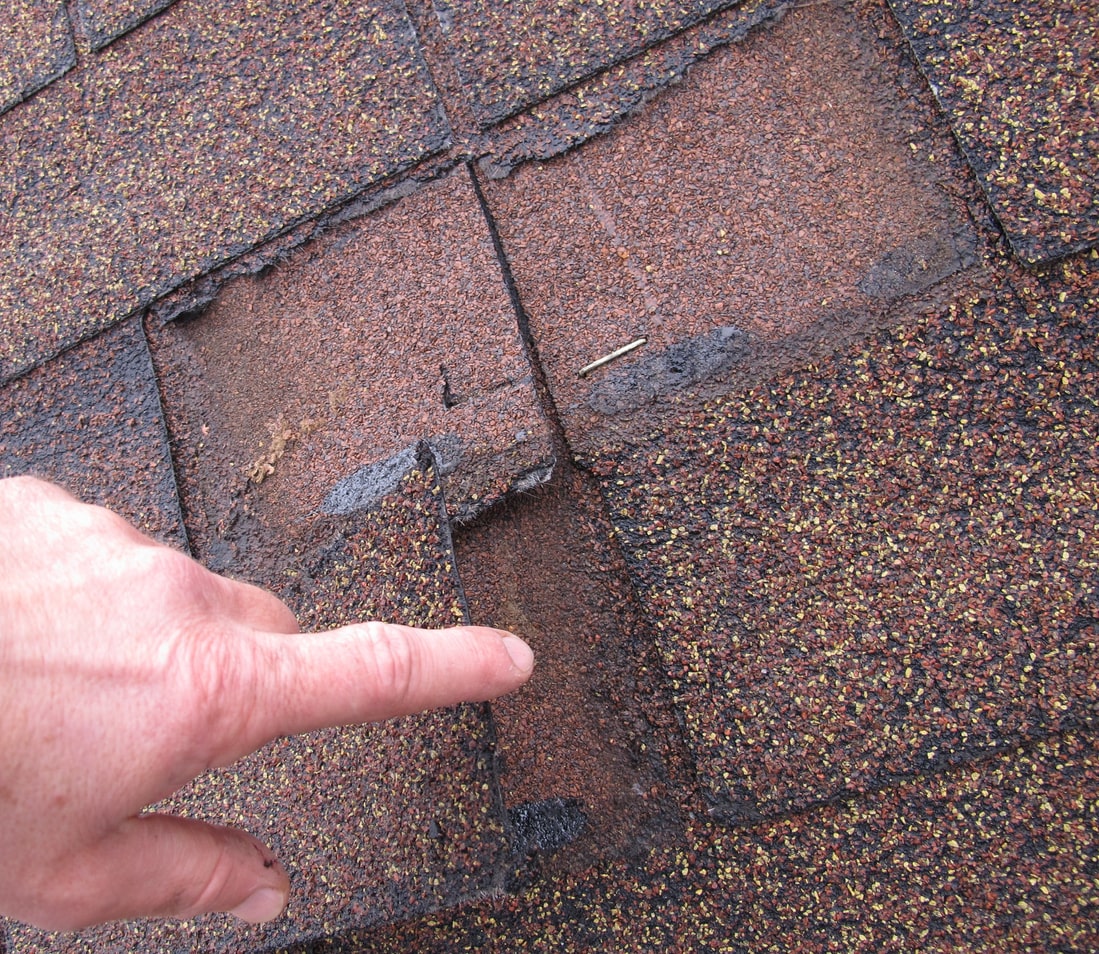
- Exterior: Shingle Condition – Granule loss, cracking, curling edges, and missing shingles are common on asphalt roofs that have been through several St. Louis winters and summers.
- Exterior: Flashing and Seals – Rusted flashing, broken caulking around chimneys, and deteriorating pipe boots are frequent entry points for leaks when they are overlooked.
- Exterior: Gutters and Roofline – Clogged gutters, sagging sections, and uneven rooflines signal underlying problems that a surface glance will not catch.
- Interior: Attic Moisture Signs – Water stains, mold growth, and soft wood in the attic often point to a roof issue that has been building quietly for months.
- Interior: Ventilation Check – Poor airflow in the attic speeds up material wear and contributes to moisture buildup, which shortens the life of any roofing system.
For most St. Louis homes, once a year is the right inspection frequency. If your roof is over 10 years old, twice-a-year inspections are worth the effort, with spring being especially important after winter stress and fall giving you a chance to catch anything before heavy precipitation returns.
Protect Your Home's Value in St. Louis, MO
St. Louis weather doesn't ease up on roofs, and the wear that builds up season after season tends to stay hidden until it becomes a real problem. Catching minor issues early, before they develop into leaks or structural damage, is what keeps repair bills manageable and your home's value intact. Scheduling an inspection before winter or ahead of spring's heavy rain season gives you a clear picture of where things stand before conditions put more pressure on the system.
Total Roofing works with homeowners in the St. Louis area who want straightforward answers about the condition of their roof, without guesswork or unnecessary upselling. When you're ready to get a complete look at how your roof is holding up, reach out to Total Roofing to schedule your residential roof inspection.
Frequently Asked Questions
Got questions about your roof? We’ve got answers. From maintenance tips to insurance claims and repair timelines, our FAQ section covers the most common concerns homeowners have. Get informed and make confident decisions about protecting your home.
What parts of my roof tend to fail first after a St. Louis hail storm?
Hail hits the ridge cap and exposed flashing hardest, and those areas often show damage that flat shingle surfaces can hide from a ground-level look. Pipe boots and the caulking around chimney flashing are also common casualties because the impact cracks seals that were already softened by summer heat. After any storm with hail larger than a marble, having a roofer walk the full surface is the only reliable way to know what actually took a hit.
Does the age of my attic insulation affect what the inspection turns up?
It can, and this is something many homeowners don't think to ask about. Older or compressed insulation reduces airflow, which causes heat and moisture to build up against the roof deck and speeds up deterioration from the inside out. During an inspection, we look at ventilation performance alongside insulation coverage because problems on the exterior often trace back to what's happening in the attic.
How can I tell if a sagging spot on my roofline is urgent or something that can wait?
Any visible sag is worth taking seriously, but the key question is whether it's affecting a single roof deck board or pointing to a problem with the underlying structure. A small dip near a valley can sometimes be traced to a single damaged board, while a longer, gradual curve across a roof section may signal that moisture has spread further than it appears. Getting eyes on it quickly is the right call because soft roof decks tend to get worse with every rainstorm, not better.
Our Work Speaks For Itself
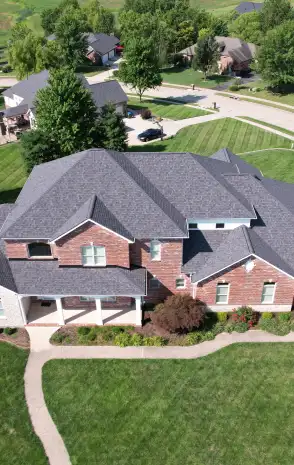
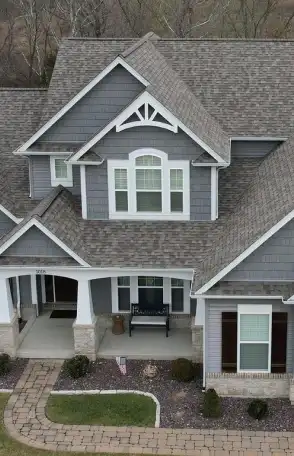
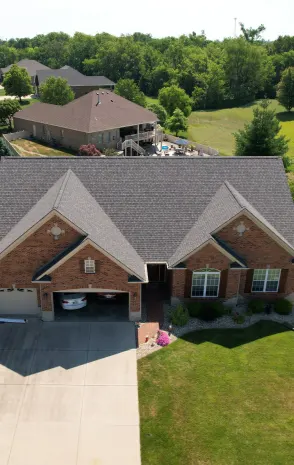
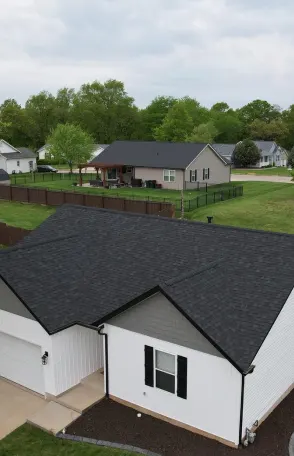
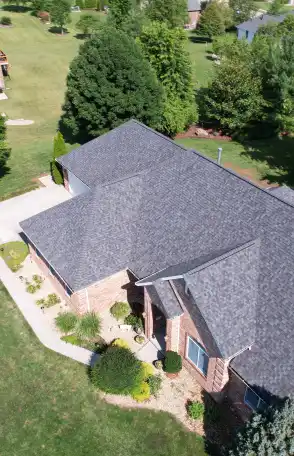
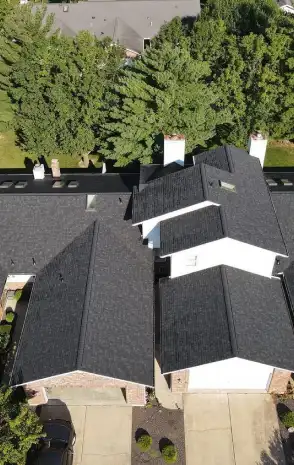
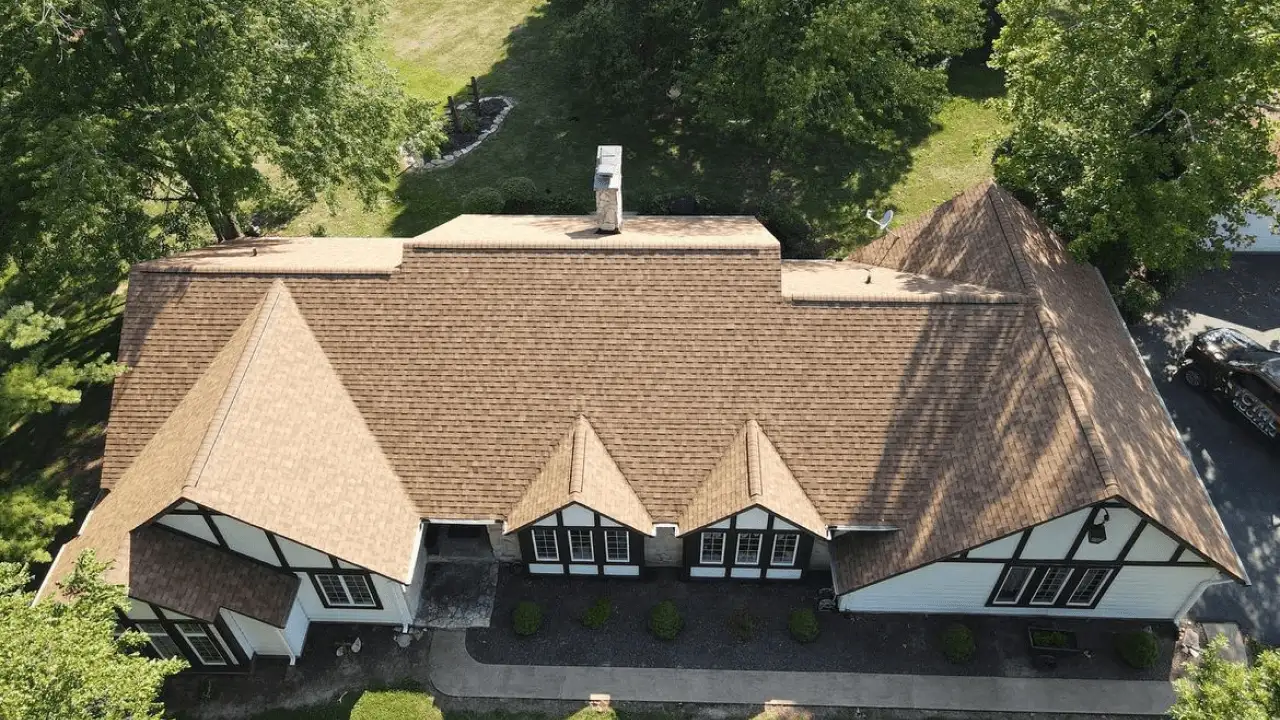
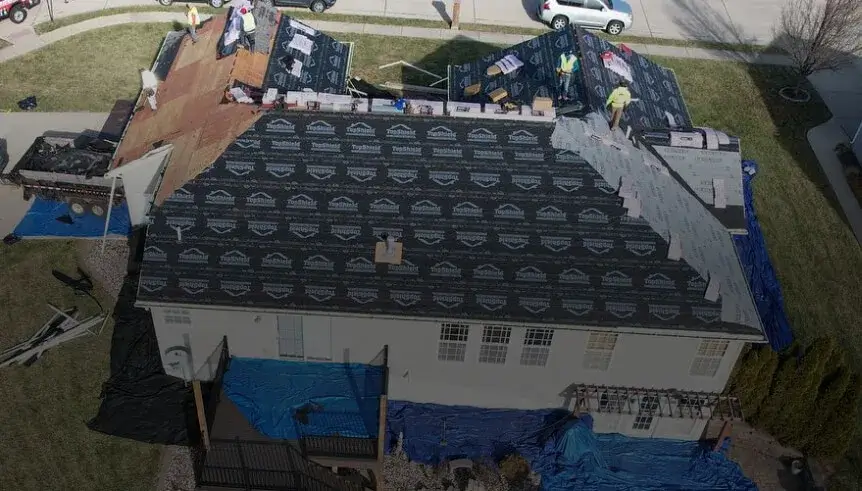
Our completed roofing projects reflect our commitment to quality, durability, and craftsmanship. From repairs to full installations, every job is done with attention to detail and built to last.

Our Client Feedback
Our work is best told through our customers. Whether it’s a quick repair or a full roof replacement, Total Roofing delivers reliable roofing done right.
View more arrow_forward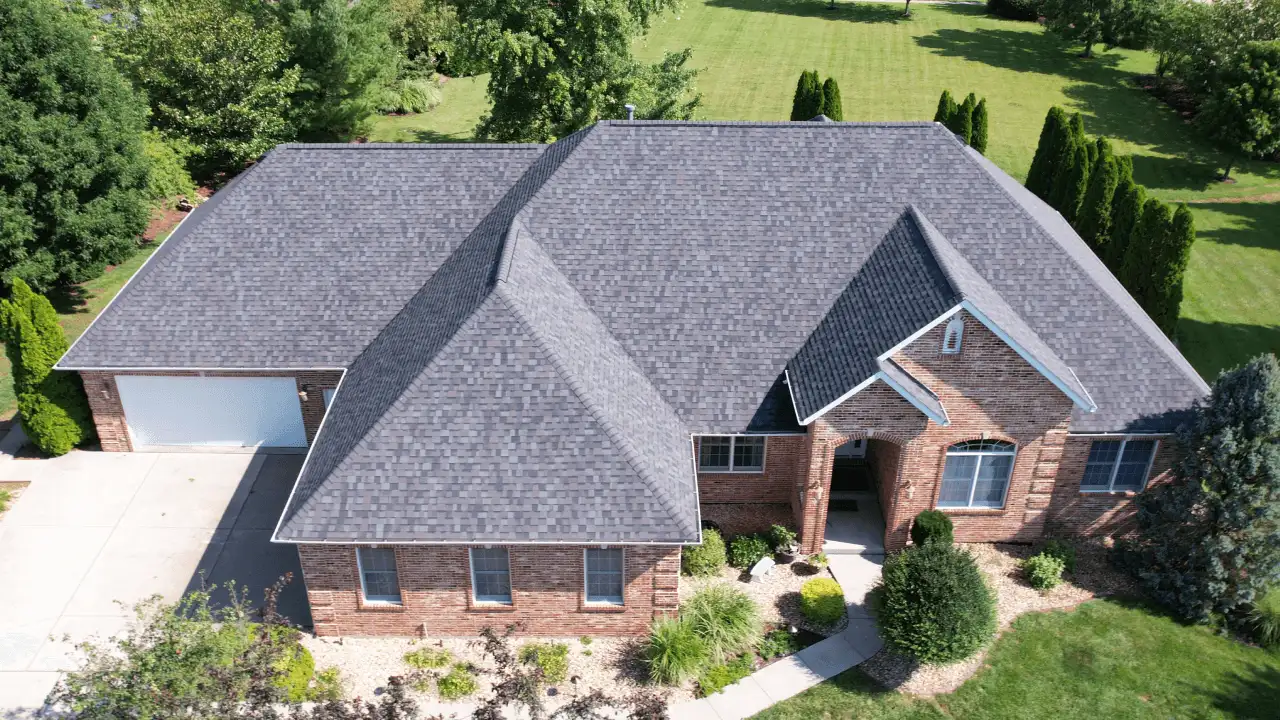




Professional Guidance and Consultation for All Roofing & Remodeling Projects
If you would like a free estimate for a new roof, please contact your nearest office location listed below. You may also submit an inquiry through the contact form, and a member of our team will respond promptly.
- done_allFree, detailed roof inspection by certified professionals Free
- done_allAccurate estimates with transparent pricing 100% Trusted
- done_allNo obligation and no pressure to commit
- done_allFast response and timely project scheduling
- done_allHigh-quality materials and skilled workmanship
- done_allDedicated support from consultation to completion









Get Your Free Professional Roof Inspection