

 call(618) 719-6767 call


Proudly Serving Homeowners Across Missouri
Commercial Roof Inspections in Waterloo, IL
5.0 Stars - Based on 231 User Reviews
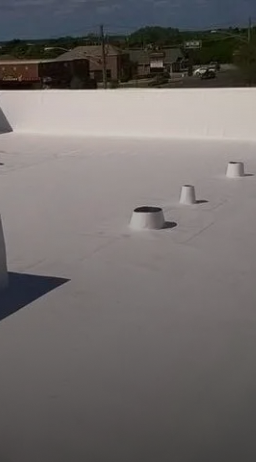
Running a commercial property in Waterloo means dealing with weather that doesn't go easy on your roof. Summers bring heat and humidity that can soften and wear down roofing membranes over time. Spring and early summer push heavy rain through drainage systems that may already be holding standing water. Winter brings freezing temperatures and temperature changes that stress seams, flashing, and edge details season after season.
A commercial roof inspection catches those problems before they get out of hand. It means having someone who knows what to look for inspect the membrane condition, flashing, drainage points, and any areas where previous repairs may be starting to fail. Total Roofing has been working with building owners and property managers across Waterloo and the surrounding area long enough to know what local roofs go through. The team understands the wear that shows up after a rough winter or a stretch of storms and knows how to spot it accurately.
Whether you manage an office, retail space, or another commercial building, knowing your roof’s condition is one of the most practical things you can do to protect your property and the people inside it.
How a Commercial Roof Inspection Works in Waterloo, IL
Understanding what happens during an inspection helps you feel confident in the process. Here’s how Total Roofing handles commercial roof inspections in Waterloo:
- Step 1: Scheduling and Access Coordination
We work around your schedule to find a time that fits your operations without disrupting tenants or business activity. Before we arrive, we confirm how to access the roof and note any areas you’re already concerned about. That preparation means we show up ready to work efficiently and without surprises. - Step 2: Thorough Inspection
Our team gets on the roof and inspects the surface, including membrane condition, seams, flashing at walls and edges, parapet caps, drains, scuppers, and any previous repair areas. We look for lifted seams, surface wear, ponding zones, blocked drainage, and damage from wind, hail, or heat. We inspect every part of the roofing system because each one affects how well the roof performs. - Step 3: Documentation and Findings
To give you a clear record of your roof's current health, we provide detailed written notes and photos of every issue we find. Problem areas are identified with enough detail that you understand exactly what's going on and where. - Step 4: Honest Recommendations
We walk you through what we found and give you a straight answer about what needs attention and what doesn't. If the roof is in good shape, we'll tell you. If only a targeted repair is needed, we'll explain why a full replacement isn't necessary. Our recommendations are based on genuine necessity. - Step 5: Next Steps
If repairs or follow-up work make sense, we outline your options so you can make an informed decision. We also let you know what to watch for between now and your next inspection.
The Best Times for Roof Inspections in Waterloo, IL
Timing your commercial roof inspection well means you catch problems when they're still manageable. Waterloo's weather puts roofs through a real workout year-round, and knowing when to schedule an inspection can make a significant difference in what you find and how much it costs to address it.
| Inspection Timing | Primary Focus | Why It Matters |
|---|---|---|
| Early spring | Winter damage, drainage performance, seam condition | Temperature changes over winter can lift seams and shift flashing, and spring rain puts drainage to the test right away, so problems are best caught early in the season |
| Fall | Surface wear, drain blockage, edge and flashing details | Catching problems before freezing temperatures arrive prevents small issues from opening up under winter stress |
| After major storms | Hail bruising, membrane punctures, lifted edges | Severe thunderstorms can bring hail and high winds to Waterloo, and post-storm checks catch damage that isn’t visible from the ground |
Two scheduled inspections per year, one in early spring and one in fall, give your roof a reliable baseline and keep your documentation current. If a significant storm moves through between those visits, an additional check is worth scheduling. Older roofs often carry a history of patchwork repairs, which makes consistent inspections even more valuable for tracking how conditions change over time.
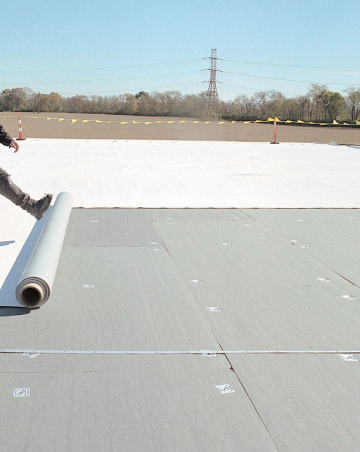
What Does a Commercial Roof Inspection Include in Waterloo, IL?
Every commercial roof is a system, and a problem in one area can affect the rest. Here’s what our inspections cover and why each part matters for your building:
Membrane & Seam Condition Check
Flat and low-slope commercial roofs rely on their membrane staying intact and their seams holding tight. Our inspectors look closely at surface wear, bubbling, cracking, and any seam separation that can let water work its way through over time, especially after Waterloo's hot summers and cold winters put repeated stress on the material.
Flashing & Parapet Wall Review
Flashing at walls, edges, and parapet caps is one of the most common places commercial roofs develop problems, particularly on older buildings. We check for lifted or separated flashing, gaps at transitions, and any areas where previous repairs may be pulling away from the surface.
Drain, Scupper, & Ponding Zone Inspection
With around 43 inches of annual precipitation, your drainage system has to move water off the roof consistently and completely. We inspect every drain, scupper, and low point for blockage, slow drainage, and standing water that accelerates membrane wear when left unaddressed.
Hail & Wind Damage Identification
Hail and high winds can damage commercial roofs in ways that are easy to miss. We look specifically for hail bruising, membrane punctures, and lifted or displaced edge details that may not be visible from the ground but, if left untreated, can develop into larger problems quickly.
Frequently Asked Questions
Got questions about your roof? We’ve got answers. From maintenance tips to insurance claims and repair timelines, our FAQ section covers the most common concerns homeowners have. Get informed and make confident decisions about protecting your home.
Can a commercial roof pass a visual inspection but still have a leak developing underneath the surface?
Yes, and it happens more often than most building owners expect. Membrane surfaces can look intact while moisture has already worked its way through a small seam separation or a pinhole that isn't visible without a close, hands-on review. That's one reason a thorough inspection covers more than what's obvious from a distance, including seam edges, flashing transitions, and any spots where the surface feels soft or has started to bubble.
How does Waterloo's precipitation affect how often a commercial roof should be inspected?
With rain spread across most of the year and spring bringing the heaviest stretches, drainage systems on flat and low-slope roofs rarely get a long dry break to recover. That repeated water exposure accelerates membrane wear and keeps drains and scuppers under consistent stress. For buildings in this area, two inspections a year work well: one in early spring to catch winter damage before the heaviest rain, and one in fall to prepare the roof for cold weather.
What should a building owner in Waterloo know about inspecting a roof with multiple patch repairs over the years?
Patchwork repair history changes what an inspector needs to look for because each previous repair creates an edge or a transition point where the old and new materials meet. Those areas are where separation tends to start, especially after repeated temperature changes stress the surface over several seasons. Older buildings often have that kind of layered repair history, which makes thorough documentation especially valuable for understanding how the roof is performing across the full surface, not just the most recently repaired spots.
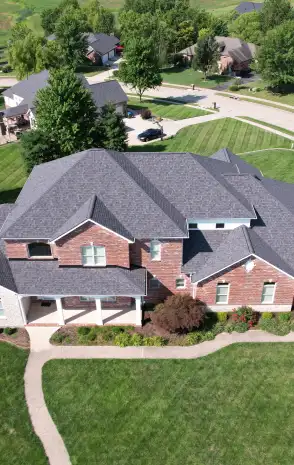
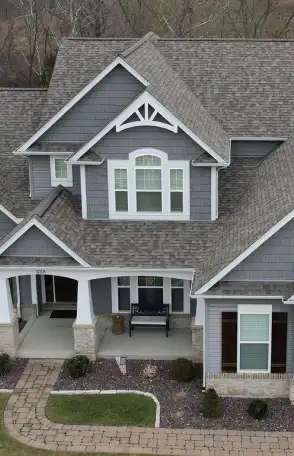
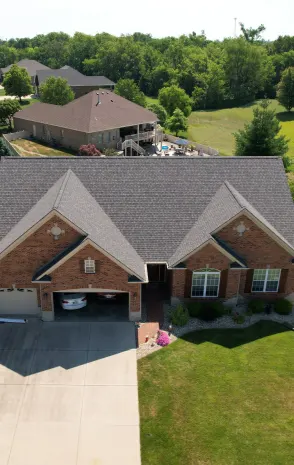
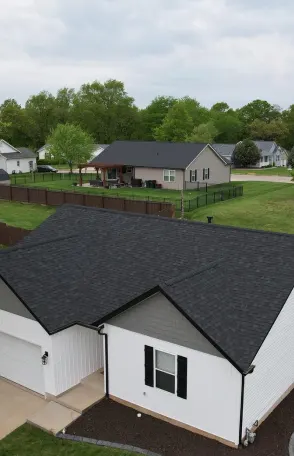
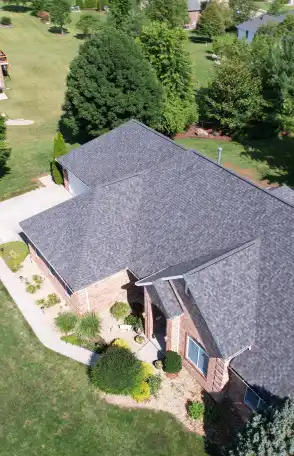
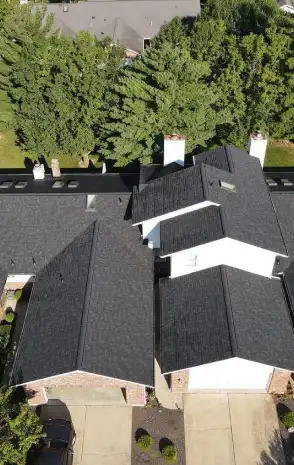
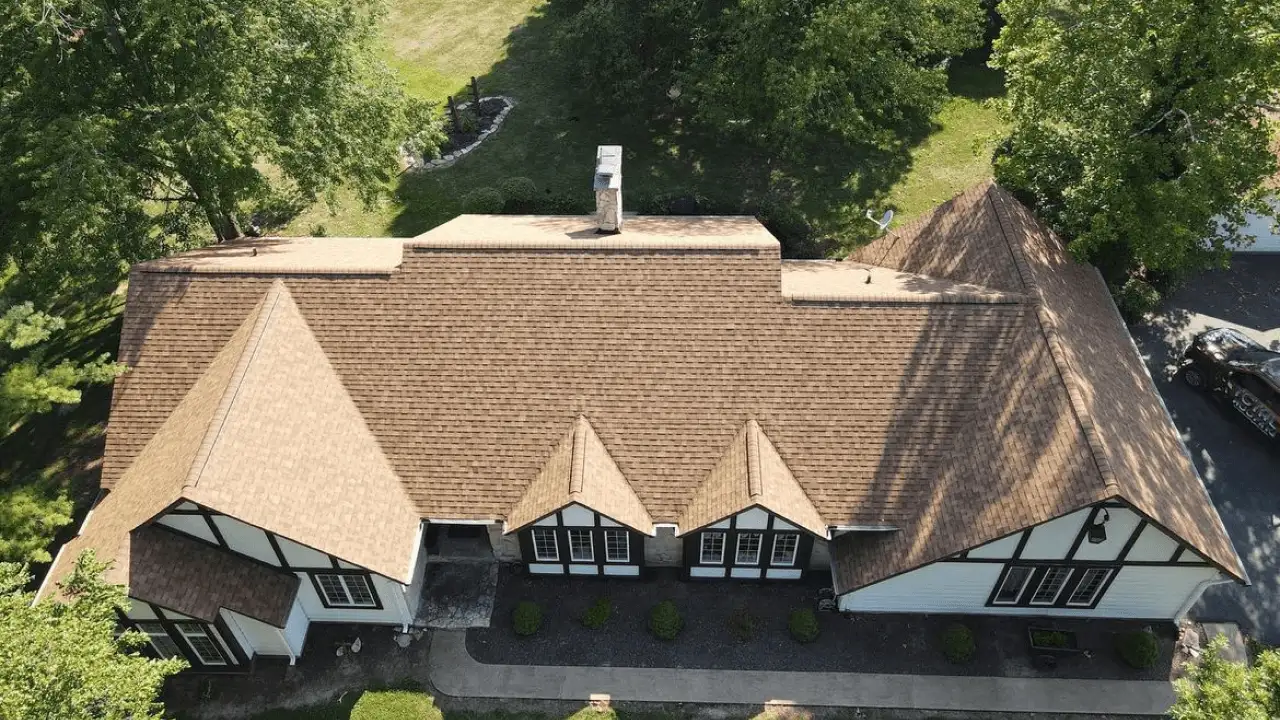
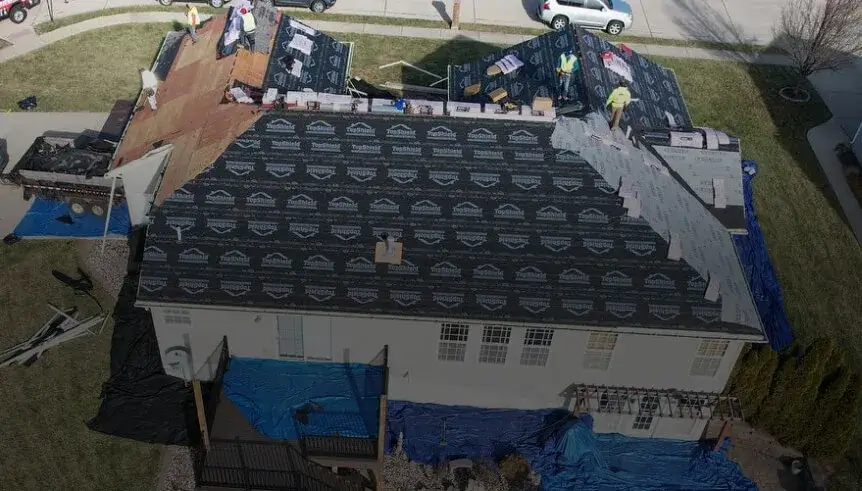
Our Work Speaks For Itself
Our completed roofing projects reflect our commitment to quality, durability, and craftsmanship. From repairs to full installations, every job is done with attention to detail and built to last.

Our Client Feedback
Our work is best told through our customers. Whether it’s a quick repair or a full roof replacement, Total Roofing delivers reliable roofing done right.
View more arrow_forward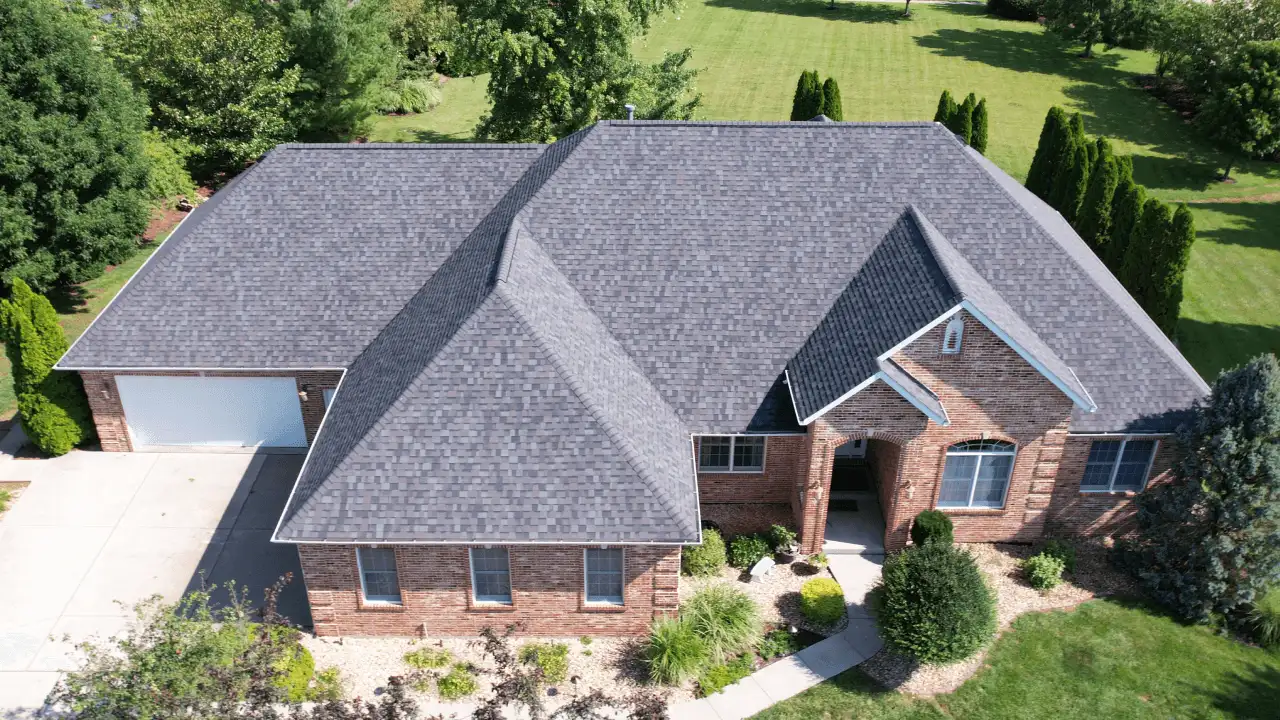











Professional Guidance and Consultation for All Roofing & Remodeling Projects
If you would like a free estimate for a new roof, please contact your nearest office location listed below. You may also submit an inquiry through the contact form, and a member of our team will respond promptly.
- done_allFree, detailed roof inspection by certified professionals Free
- done_allAccurate estimates with transparent pricing 100% Trusted
- done_allNo obligation and no pressure to commit
- done_allFast response and timely project scheduling
- done_allHigh-quality materials and skilled workmanship
- done_allDedicated support from consultation to completion









Get Your Free Professional Roof Inspection