

 call(618) 719-6767 call


Proudly Serving Homeowners Across Missouri
Commercial Roof Repair in Waterloo, IL
5.0 Stars - Based on 222 User Reviews
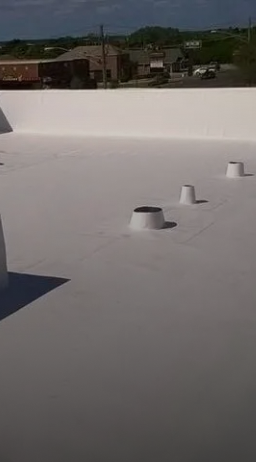
Running a commercial property in Waterloo means dealing with weather that tests your roof every season. Summers bring stretches of intense heat that cause roofing materials to expand, and winters push temperatures well below freezing, causing those same materials to contract. Over time, that repeated movement opens seams, loosens flashing, and wears down the membrane on flat and low-slope roofs, which are common across commercial properties in Monroe County. Add in heavy spring rains and the occasional storm, and your roof faces real pressure year-round. When drainage slows or a seam gives way, water finds a way in, and what starts as a small leak can work its way into insulation, roof decking, and interior spaces before you even notice it.
That is where targeted commercial roof repair makes a difference. Rather than replacing an entire roof when only a section needs attention, the right repair focuses on finding the exact source of the problem and fixing it properly. Total Roofing works with building owners and property managers across Waterloo and the surrounding area, handling everything from flashing repairs and seam fixes to larger section repairs where the damage runs deeper. The goal is to quickly stop the problem, protect what is already working, and keep your facility running without unnecessary disruption. A roof that gets the right repair at the right time holds up far longer, and that matters whether you own a small retail building, a warehouse, or anything in between.
How Commercial Roof Repair Works in Waterloo, IL
A commercial roof repair starts with identifying the actual source of the problem and ends with a completed repair that has been reviewed with you.
- Step 1: Examine the Roof and Trace the Issue
We begin by inspecting the reported problem and the surrounding roofing components. Seams, flashing, drainage points, membrane condition, and nearby areas are checked because the location of an interior leak does not always match its source. This gives us a better understanding of what is actually causing the problem. - Step 2: Explain the Findings and Repair Options
After the inspection, we review what we found and explain the cause in straightforward terms. You will understand which areas are affected and what repair approaches make sense for the existing roof. When the damage is isolated and the rest of the roof remains in good condition, we make that clear rather than recommending unnecessary work. - Step 3: Detail the Recommended Work and Pricing
Before anything is scheduled, you receive a written breakdown of the recommended repair and its cost. The details identify what will be repaired and what the work includes, allowing you to review the plan before approving it. We keep the recommendation focused on the actual condition of the roof. - Step 4: Complete the Approved Repair
Our crew performs the agreed-upon work using methods appropriate for the existing commercial roofing system. Depending on the findings, the repair may involve sealing a seam, replacing damaged flashing, patching membrane areas, or addressing damage affecting the underlying roof components. Most standard repairs are completed within 1 day, depending on the size and condition of the affected area. - Step 5: Inspect the Finished Work and Review the Results
After the repair is complete, we inspect the finished area to verify that the work was properly performed. We then walk you through what was repaired, explain any conditions that should be monitored, and make sure you understand the work before we leave the property.
Common Commercial Roof Repair Issues in Waterloo, IL
Commercial roofs in Waterloo take a beating across all 4 seasons. The repeated cycle of summer heat and winter cold causes roofing materials to expand and contract, which puts constant stress on seams, flashing, and membranes over time. Knowing what typically goes wrong on flat and low-slope commercial roofs helps you recognize problems early, before a small fix turns into a much larger one.
| Common Issue | Typical Cause | Priority Level |
|---|---|---|
| Open or separating seams | Repeated temperature changes expanding and contracting the membrane | High |
| Flashing failure | Age, movement at roof edges, or impact from storm debris | High |
| Ponding water | Blocked drains, settled roof deck, or inadequate slope | Medium to High |
| Membrane surface damage | UV exposure, foot traffic, or storm impact over time | Medium |
| Roof deck or insulation damage | Long-term water exposure from an unrepaired leak above | High |
Most of these problems share something in common: they start small and get worse the longer they go without attention. A separated seam after a cold winter or a drain that backed up during heavy spring rains may seem minor, but water does not need a large opening to cause real damage to your facility. Catching these issues early and repairing them correctly is always less expensive than letting them grow.
Membrane Patching and Section Repairs
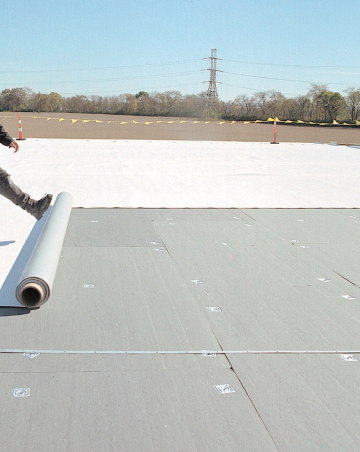
When a section of your commercial roof membrane has cracked, torn, or pulled away from the underlayment, we cut back to sound material and install a proper patch that bonds fully to the surrounding surface. This approach restores a watertight barrier without touching the parts of your roof that are still performing well.
Rooftop Drainage Corrections
Flat and low-slope roofs depend on clear, functional drainage to move water off the surface quickly, especially during Waterloo’s heavy rain seasons. We clear blocked drains and scuppers, reposition standing water areas where possible, and correct minor slope issues that allow water to pool and sit long after a storm passes.
Edge Detail and Perimeter Repairs
The edges of a commercial roof take more abuse than most property owners realize, since wind, temperature changes, and moisture all work hardest at the perimeter. We repair or replace drip edge, coping, and edge metal where it has lifted, separated, or corroded, closing off one of the most common entry points for water on flat commercial roofs.
Roof Deck and Underlayment Stabilization
If water has been sitting inside your roofing system long enough, the roof deck or insulation layer beneath the membrane can soften, compress, or begin to break down. We address compromised underlayment material in the affected section before closing the repair, so the new surface has a solid base to adhere to, and the problem does not return.
Get Commercial Roof Repair Done Right in Waterloo, IL
Waterloo’s seasonal swings are hard on commercial roofing, and flat or low-slope systems take the brunt of it year after year. Building owners and property managers in the Waterloo area can protect their facilities and extend the life of their current roof by addressing repair needs before the next round of heavy rain or a stretch of freezing temperatures hits. Staying ahead of small problems reduces long-term costs and keeps your building operating without the kind of disruption that comes with larger, deferred repairs.
Total Roofing is ready to inspect your roof, identify what is causing the problem, and walk you through a clear repair plan. Whether you are dealing with an active leak, a drainage issue, or damage you spotted during a routine check, we are glad to help. Reach out when you are ready, and we will take it from there.
Frequently Asked Questions
Got questions about your roof? We’ve got answers. From maintenance tips to insurance claims and repair timelines, our FAQ section covers the most common concerns homeowners have. Get informed and make confident decisions about protecting your home.
Why do commercial roof leaks in Waterloo often show up inside a building far from where the actual damage is?
Flat and low-slope roofs move water horizontally before it finds an opening, so the wet ceiling tile or damp wall you notice inside may be several feet away from the actual breach in the membrane or flashing. This is especially common after Waterloo’s spring storms, when water volume is high and small openings that were previously dry suddenly allow water through. Tracing the leak back to its true source before making any repair is the most important step, because patching the wrong spot leaves the real problem open.
How does Waterloo's weather affect how quickly a commercial roof repair needs to happen?
The timing matters more than most building owners expect. In summer, sustained heat softens membrane material and accelerates deterioration around an open or damaged area, while winter’s freezing temperatures cause any moisture that has worked into a seam or the underlayment to expand and widen the damage. The shoulder seasons bring heavy rain that turns a slow-moving problem into an active one fast. Getting a repair done before the next major storm, rather than after, almost always results in a smaller scale of work and lower costs.
What should property managers in Waterloo do between professional roof inspections to catch problems early?
Walking the rooftop after any significant storm is one of the most valuable things a property manager can do, since debris accumulation around drains and visible membrane bubbling or lifting are easy to spot without any specialized knowledge. Inside the building, checking ceiling tiles, light fixtures, and the tops of interior walls after heavy rain can reveal early signs of water getting in before the damage spreads to the roof deck or insulation layer. Keeping a record of anything that looks off, even minor discoloration or soft spots on the surface of the roof, gives a roofing contractor a much clearer picture when a professional inspection does take place.
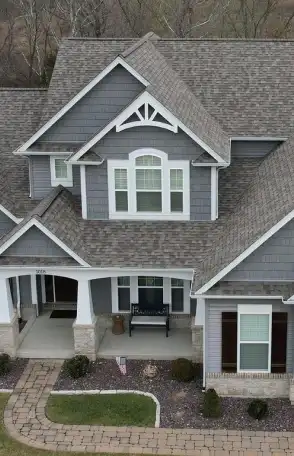
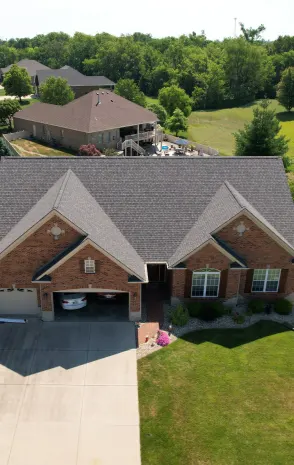
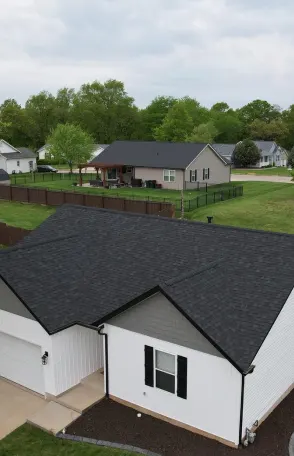
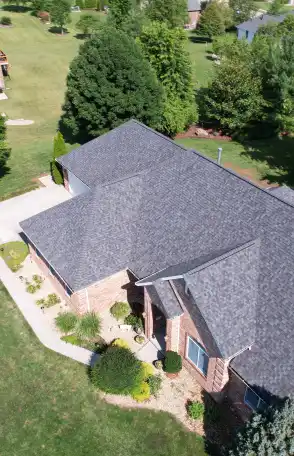
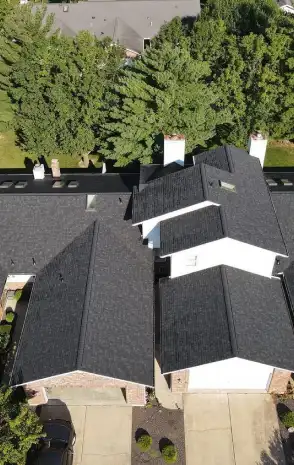
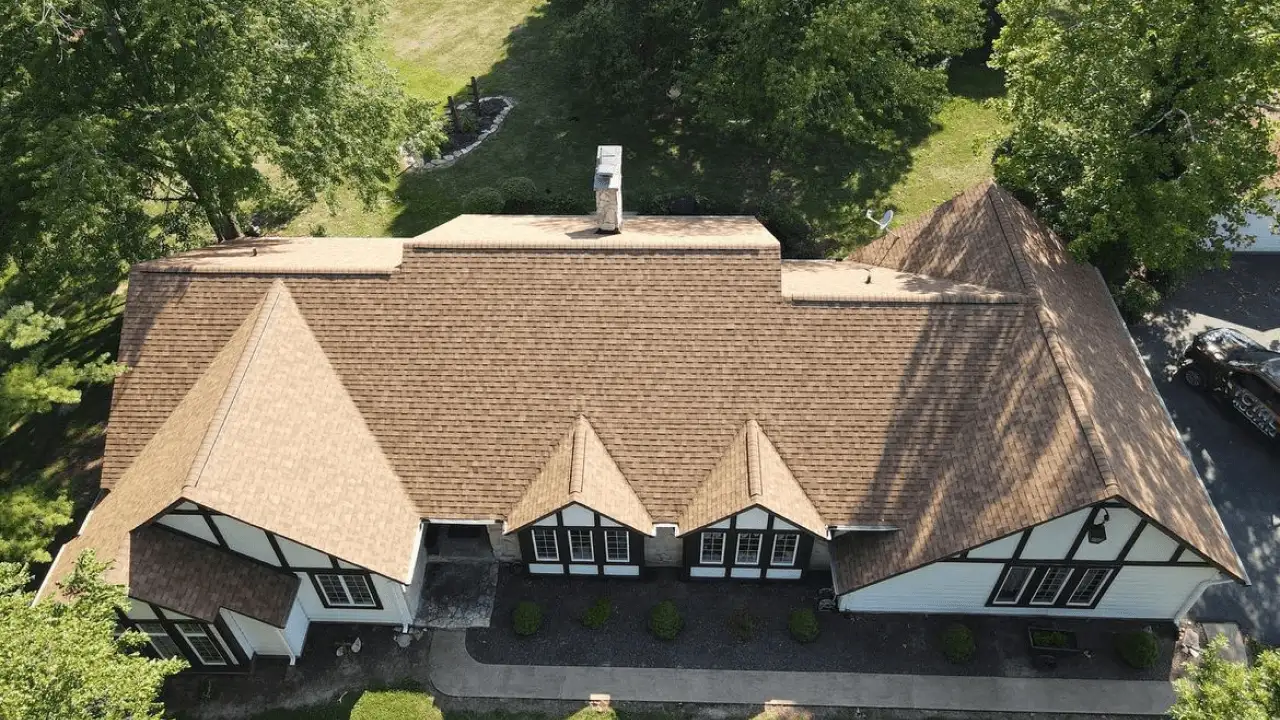
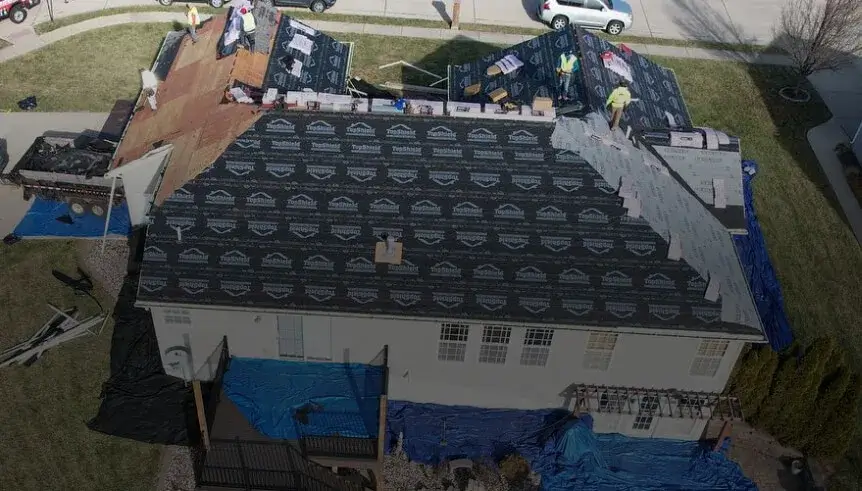
Our Work Speaks For Itself
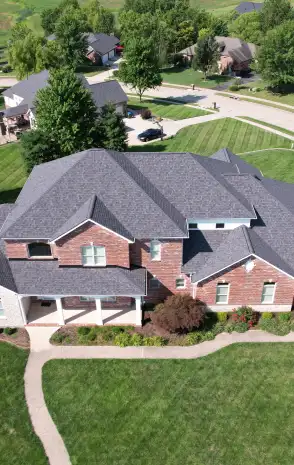
Our completed roofing projects reflect our commitment to quality, durability, and craftsmanship. From repairs to full installations, every job is done with attention to detail and built to last.

Our Client Feedback
Our work is best told through our customers. Whether it’s a quick repair or a full roof replacement, Total Roofing delivers reliable roofing done right.
View more arrow_forward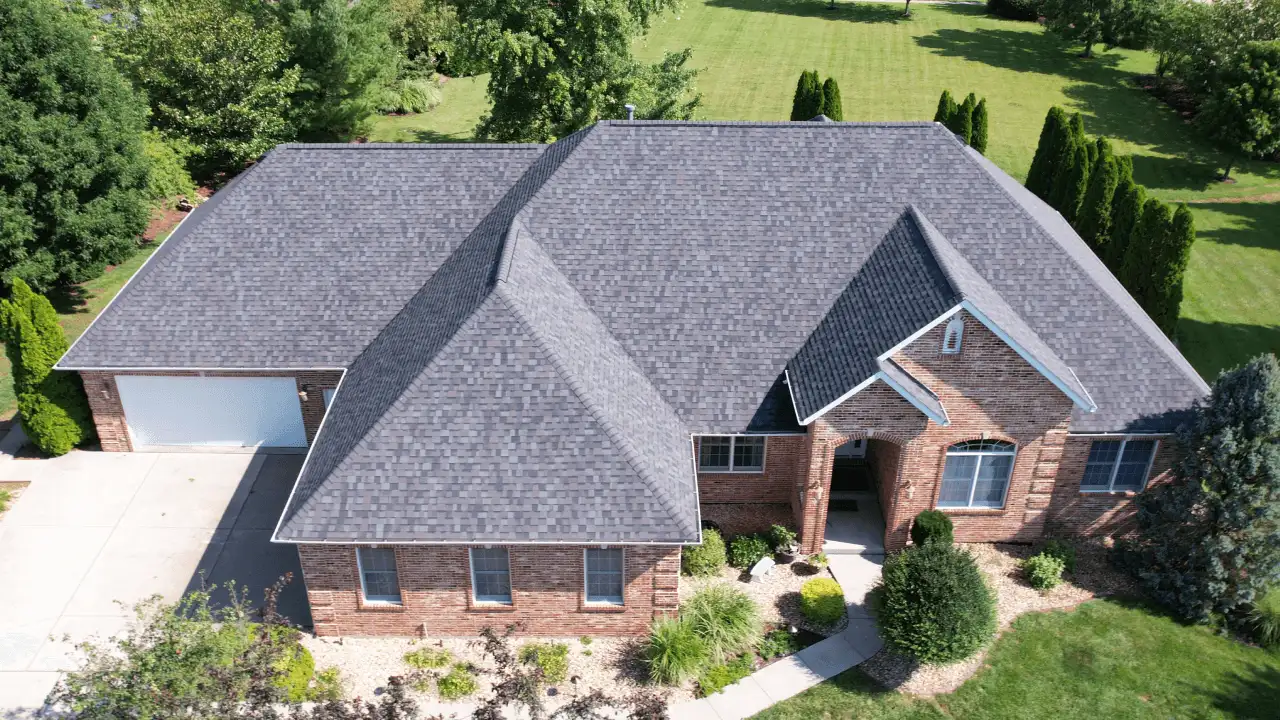




Professional Guidance and Consultation for All Roofing & Remodeling Projects
If you would like a free estimate for a new roof, please contact your nearest office location listed below. You may also submit an inquiry through the contact form, and a member of our team will respond promptly.
- done_allFree, detailed roof inspection by certified professionals Free
- done_allAccurate estimates with transparent pricing 100% Trusted
- done_allNo obligation and no pressure to commit
- done_allFast response and timely project scheduling
- done_allHigh-quality materials and skilled workmanship
- done_allDedicated support from consultation to completion









Get Your Free Professional Roof Inspection