

 call(618) 719-6767 call


Proudly Serving Homeowners Across Missouri
Commercial Roof Replacement in Waterloo, IL
5.0 Stars - Based on 222 User Reviews
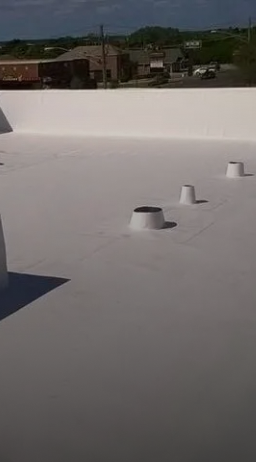
Waterloo sits in southern Illinois, where summers push into the 90s and winters bring cold snaps, heavy rain, and occasional ice that put real stress on commercial roofing systems year after year. Flat and low-slope roofs are especially vulnerable here. Ponding water after heavy rain, expanding and contracting seams from seasonal temperature changes, and worn flashing around edges and gaps are all common problems on older commercial buildings in the area. Left unaddressed, those issues tend to add up quickly. What starts as a minor seam failure or a slow drain can turn into leaks that damage inventory, disrupt tenants, and create much larger repair bills than a fast replacement would have required.
That is where Total Roofing comes in. As a contractor serving the Waterloo market and the broader Monroe County area, we understand the specific needs that local weather conditions place on commercial buildings. Whether your facility is a small office, a church, an industrial space, or a school, a full roof replacement done right protects your building, improves drainage performance, and gives you a system built to handle what this region actually throws at it. Rather than repeatedly patching a roof that has reached the end of its useful life, replacement gives building owners and property managers a more reliable, lower-maintenance solution for the years ahead.
How Commercial Roof Replacement Works in Waterloo, IL
A commercial roof replacement is a major investment, and understanding each phase ahead of time makes it easier to plan for your building, your tenants, and your day-to-day operations. Here is how the process works from the initial roof evaluation through project completion.
- Step 1: Roofing System Evaluation
We begin with a thorough assessment of your existing roofing system before any recommendations are made. That includes examining the membrane, seams, flashing, drainage components, edge conditions, and any areas showing signs of deterioration or previous repairs. A complete evaluation allows us to identify the underlying causes of roof problems rather than focusing only on the most visible symptoms. - Step 2: Findings Review and Project Guidance
Once the inspection is complete, we review the results with you and discuss the most practical course of action. If repairs can reasonably extend the life of the existing roof, we explain that option and why it may be appropriate. When replacement is recommended, the decision is based on the overall condition of the roofing system and its expected long-term performance. - Step 3: Roofing System Selection and Project Planning
If replacement is the appropriate solution, we review the roofing systems that best fit your building's design and performance requirements. We explain the characteristics of each option, discuss scheduling considerations, and provide a detailed written proposal outlining materials, project scale, and anticipated work so expectations are established before construction begins. - Step 4: Roof Replacement and System Installation
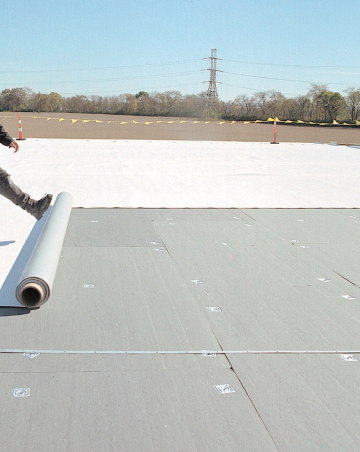
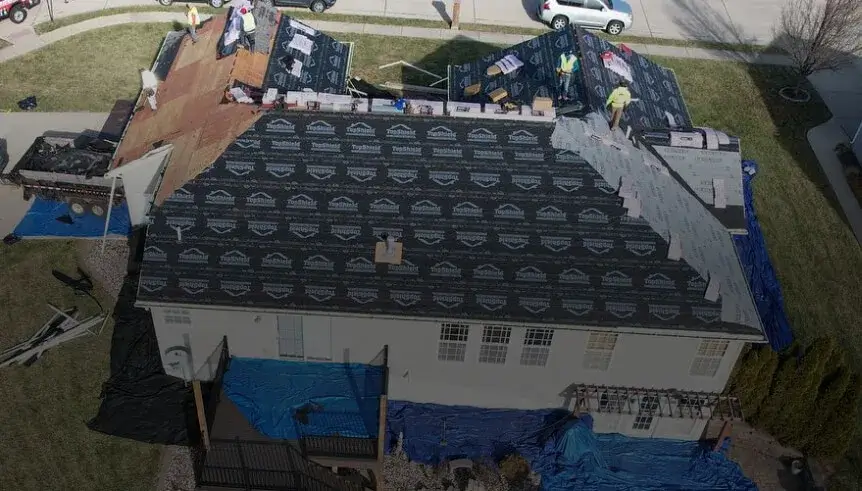
Construction begins with the removal of the existing roofing materials, followed by any necessary deck repairs before the new system is installed. Throughout the project, careful attention is given to drainage details, seam construction, flashing integration, and other important components that influence long-term roof performance. Work is coordinated to reduce disruption to building operations whenever possible. - Step 5: Final Roof Review and Project Completion
After installation is finished, the completed roof is inspected to verify that seams, flashing, drainage features, and other installation details meet project requirements. We then review the finished work with you, answer any remaining questions, and confirm the project is complete before closeout.
Planning Your Commercial Roof Replacement in Waterloo, IL
Timing, material selection, and project planning all affect how smoothly a commercial roof replacement goes and how well the finished system performs. Understanding what factors shape those decisions helps you go into the project with realistic expectations and fewer surprises along the way.
| Planning Factor | What to Know for Waterloo |
|---|---|
| Best Replacement Window | Late spring through fall offers the most workable conditions for tear-off, dry-in, and sealant work. Prolonged cold and winter precipitation can delay or complicate installation. |
| Occupied Building Coordination | Most commercial properties in Waterloo stay operational during replacement. Scheduling and sequencing work around tenants, inventory, and daily operations is part of the planning process. |
| Drainage and Slope Details | Flat and low-slope systems require precise work at drains, scuppers, and edges to prevent ponding water, which is a leading cause of premature membrane failure. |
| Flashing and Gaps | Rooftop equipment, parapets, and pipe gaps all require careful flashing details. These spots are common failure points on aging commercial roofs. |
| Permits and Code Compliance | Commercial replacements in Waterloo typically require permit review. Materials, edge details, and wind resistance must meet current code requirements before work begins. |
Getting these details right from the start protects your building and helps the new system hold up against the heat, moisture, and temperature changes that Waterloo commercial roofs deal with every year.
Membrane System Selection for Flat and Low-Slope Roofs
Commercial buildings in Waterloo commonly use flat and low-slope systems that require membranes designed to handle both standing water and seasonal expansion from temperature swings. We match the membrane type to your building's specific use, roof size, and exposure conditions so you get a system built for long-term performance, not just short-term coverage.
Insulation and Energy Performance Upgrades
A full replacement is the right time to upgrade the insulation layer beneath the membrane, something that is difficult to do without a complete tear-off. Improved insulation reduces heat transfer through the roof deck, which can lower cooling needs during summer and cut heating loss during cold winters, making a real difference in energy costs for building owners over time.
Edge Metal and Perimeter Detailing
Properly installed edge metal at parapet walls, roof edges, and transitions is one of the most important parts of a commercial replacement, especially in a market with frequent wind and rain. Without secure perimeter detailing, even a well-installed membrane can lift, separate, or allow water to migrate under the system at the edges where it is most exposed.
Rooftop Equipment Integration
HVAC units, vents, curbs, and other rooftop equipment all require careful integration into the new roofing system to avoid creating future leak points. We account for every gap and mechanical curb during installation so the finished roof works as a complete system, not just a membrane laid around existing obstacles.
Replace Your Commercial Roof in Waterloo, IL
Waterloo's mix of humid summers, cold winters, and steady rainfall puts real wear on flat and low-slope roofing systems over time. For building owners and property managers, a well-executed replacement extends the life of the building, reduces the risk of leaks disrupting daily operations, and lowers long-term maintenance costs compared to repeated patching. If your roof is showing consistent problems at the seams, flashing, or drains, replacement often makes more financial sense than another round of repairs.
Total Roofing is ready to help you move forward with a clear plan that fits your building and your schedule. Reach out when you are ready to get a closer look at your roof, and we will walk you through exactly what we find and what makes sense for your facility.
Frequently Asked Questions
Got questions about your roof? We’ve got answers. From maintenance tips to insurance claims and repair timelines, our FAQ section covers the most common concerns homeowners have. Get informed and make confident decisions about protecting your home.
Does my building need a full tear-off, or can the new membrane go over the existing roof?
It depends on the condition of your current system and how many layers are already in place. In many cases, a recover installation is possible and can reduce labor time and disruption, but if there is moisture trapped in the existing insulation or significant deck damage underneath, installing over it will cause the new system to fail prematurely. We inspect the existing roof carefully before making that call, because getting it wrong either way creates bigger problems down the road.
How does Waterloo's weather affect which membrane type is the right fit for my building?
Southern Illinois sees a wide range of conditions across the year, from summer heat that causes membranes to expand and soften to winter cold that makes them contract and stiffen. In this region, membrane flexibility, seam durability, and resistance to standing water after heavy rain are all real performance factors, not just spec sheet details. The right choice depends on your building's size, use, and how much direct sun and foot traffic the roof sees, so we factor those conditions in when recommending a system rather than defaulting to one option for every job.
What happens to the rooftop drainage system during replacement, and do I need to upgrade it?
Drainage is one of the first things we look at during the inspection, because undersized or poorly positioned drains are a leading reason flat roofs fail before their time in rainy markets like Waterloo. A replacement is the most practical window to address the drain location, add overflow scuppers, or regrade the roof deck surface if ponding has been a recurring issue. Skipping that work and simply installing a new membrane over an existing drainage problem means you will be dealing with the same failure pattern on a newer system.
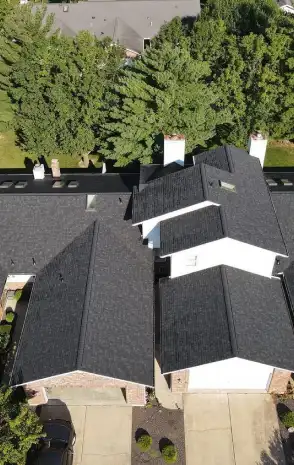
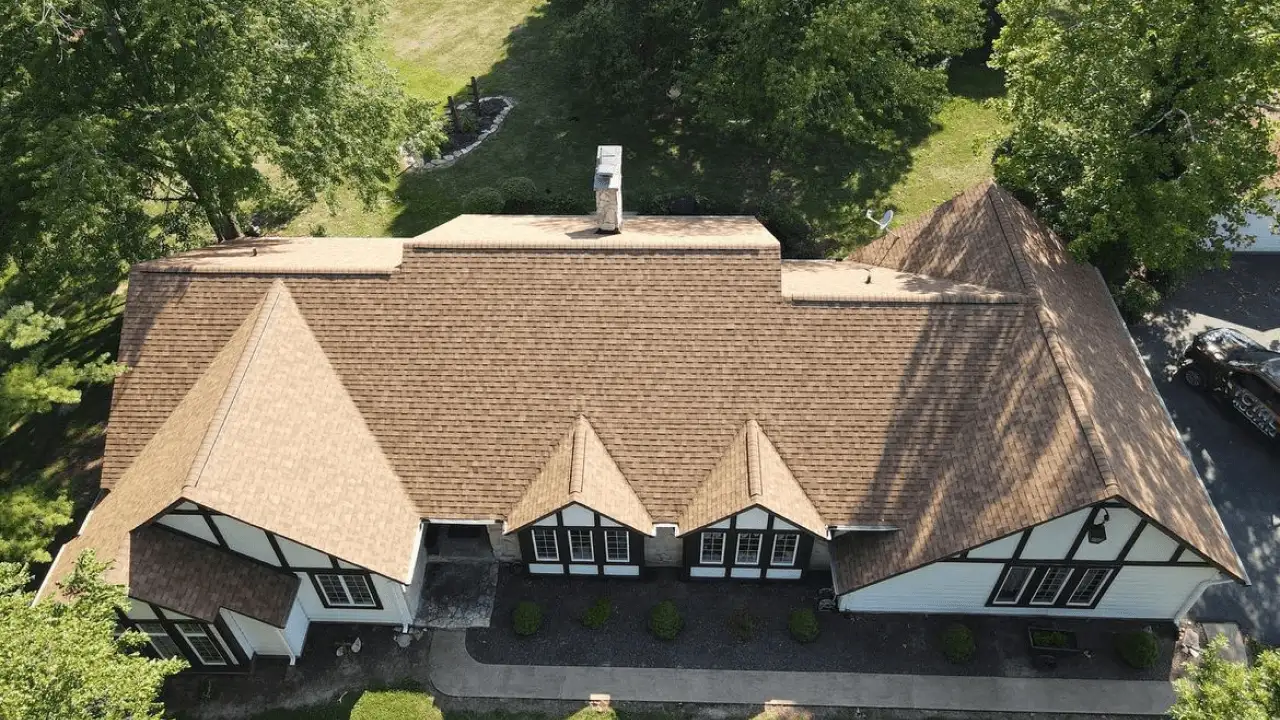
Our Work Speaks For Itself
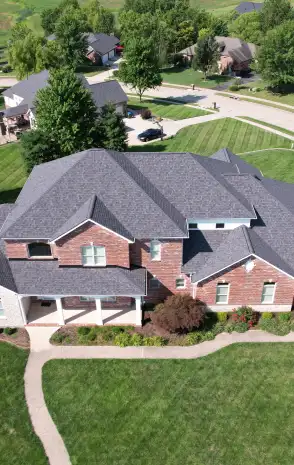
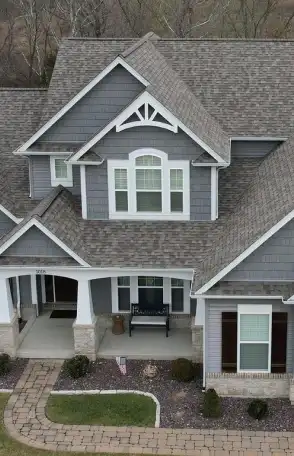
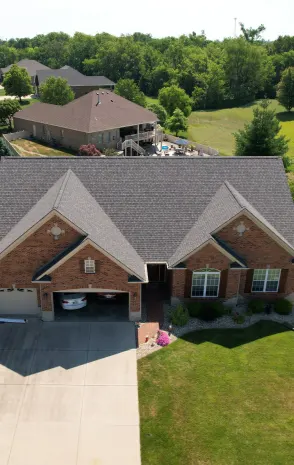
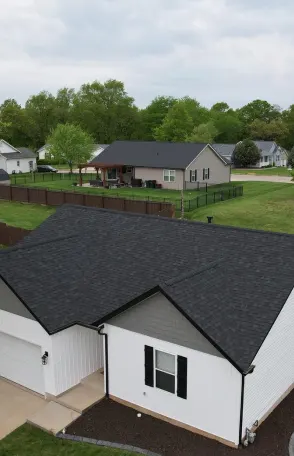
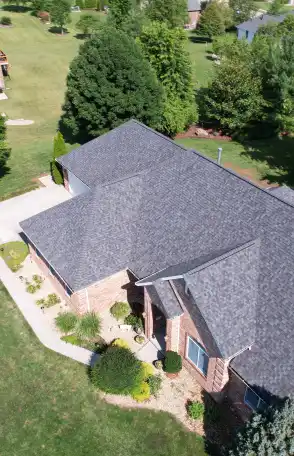
Our completed roofing projects reflect our commitment to quality, durability, and craftsmanship. From repairs to full installations, every job is done with attention to detail and built to last.

Our Client Feedback
Our work is best told through our customers. Whether it’s a quick repair or a full roof replacement, Total Roofing delivers reliable roofing done right.
View more arrow_forward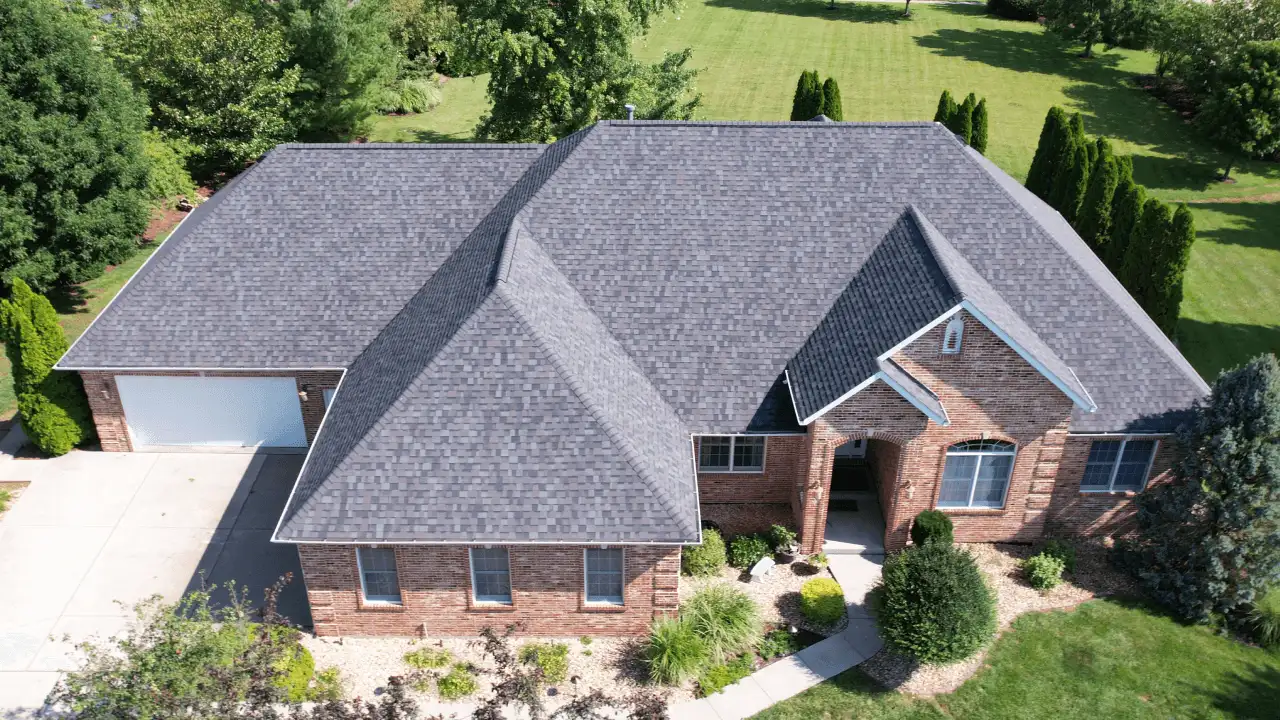




Professional Guidance and Consultation for All Roofing & Remodeling Projects
If you would like a free estimate for a new roof, please contact your nearest office location listed below. You may also submit an inquiry through the contact form, and a member of our team will respond promptly.
- done_allFree, detailed roof inspection by certified professionals Free
- done_allAccurate estimates with transparent pricing 100% Trusted
- done_allNo obligation and no pressure to commit
- done_allFast response and timely project scheduling
- done_allHigh-quality materials and skilled workmanship
- done_allDedicated support from consultation to completion









Get Your Free Professional Roof Inspection