

 call(618) 719-6767 call


Proudly Serving Homeowners Across Missouri
Storm Damage Roof Repair in Waterloo, IL
5.0 Stars - Based on 222 User Reviews
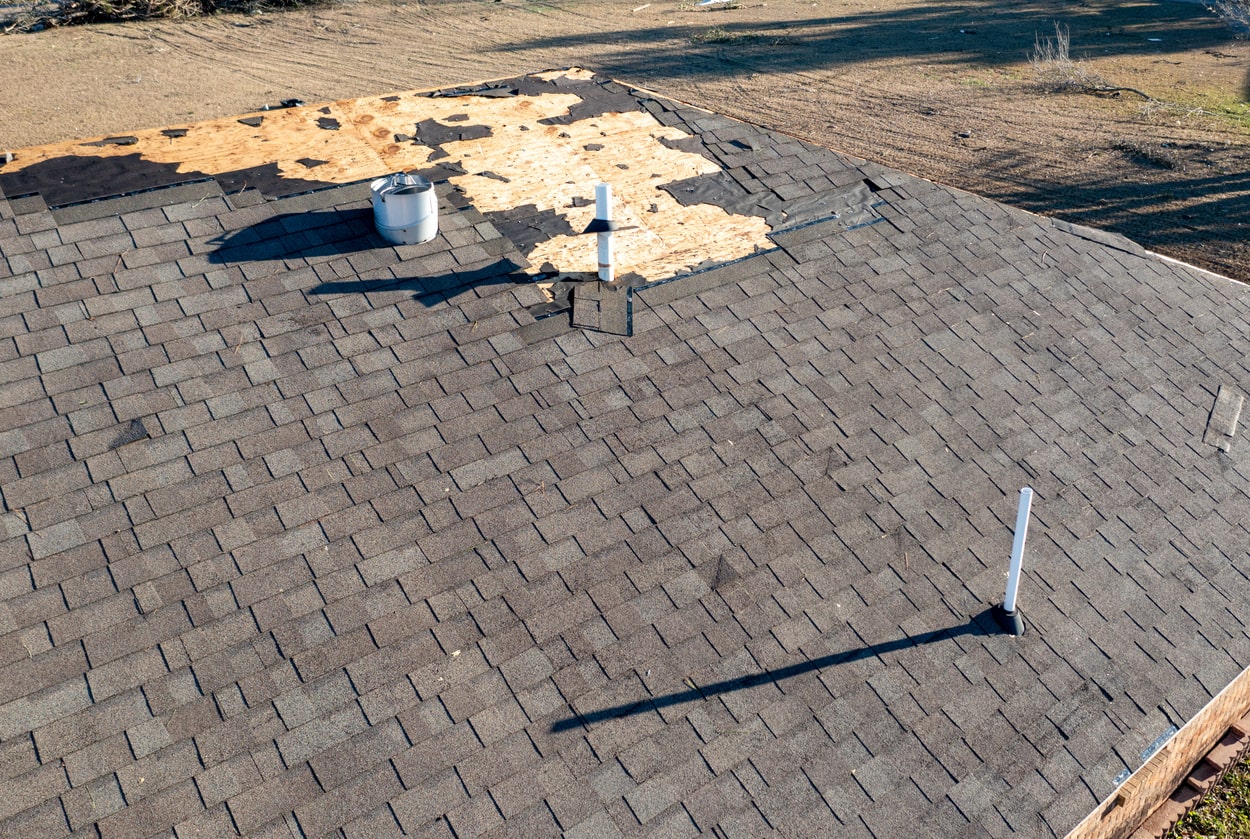
Waterloo sits in a part of southern Illinois that sees some genuinely punishing weather. Summers push into the 90s, winters bring freezing temperatures and ice, and throughout the year, the area gets hit with storms capable of producing hail, high winds, and heavy rain. That combination takes a real toll on roofing materials. After a strong storm moves through Monroe County, it is common for homeowners to find cracked or missing shingles, leaks around vents and chimneys, and subtle damage that does not show up until the next heavy rain soaks through. Waiting on repairs rarely works in your favor. What starts as a small problem can quietly turn into water damage inside your home, especially given how much moisture this region sees from one season to the next.
That is exactly why having a local roofing contractor you can count on matters. Total Roofing works with homeowners throughout Waterloo and the surrounding area, inspecting roofs after storms and making the targeted repairs needed to protect your home before conditions get worse. The focus is always on identifying what is actually damaged, not just what is visible from the ground, and fixing it correctly the first time. If you are dealing with storm-related roof damage, wind uplift, hail impact, and water working its way in around roof gaps are all issues that require careful inspection and precise work to address properly. Total Roofing brings the local experience to do exactly that.
How Storm Damage Roof Repair Works in Waterloo, IL
If you have never dealt with storm damage before, the process can feel uncertain. Here is exactly what to expect when you work with Total Roofing.
- Step 1: Problem Inspection
A Total Roofing technician performs a full roof inspection, focusing on both visible and less obvious storm impact. This includes checking shingles for hail marks, examining edges for wind lift, and reviewing all gaps such as vents, chimneys, and pipe boots where leaks commonly develop. Ground-level observation is not sufficient on its own, so the inspection is completed directly on the surface of the roof. - Step 2: Diagnosis and Options Discussion
Once the inspection is complete, we explain what was found and how it affects roof performance. The review separates cosmetic impact from functional damage that allows water intrusion. If portions of the roof are unaffected or performing normally, that is communicated clearly, so you are not guided toward unnecessary work. - Step 3: Scale of Work and Quote
A written scale of work is prepared that includes only the areas requiring repair. This document outlines the specific work, materials used, and expected outcome, along with a clear cost structure. The intent is to define the repair precisely before any scheduling takes place. - Step 4: Professional Repair
Most storm-related repairs are completed within a single day. Damaged shingles are replaced, seals around gaps are reinforced, and any underlayment issues discovered during inspection are corrected. Materials are selected to match regional weather needs for durability. - Step 5: Quality Verification and Walkthrough
After completion, the repaired areas are reviewed against the original job scale. You are shown the finished work so you can confirm what was addressed, and the roof condition is verified before the job is closed.
What Storm Damage Inspections Reveal in Waterloo, IL
Not all storm damage is obvious, and that is what makes a thorough roof inspection so important after severe weather. Hail can leave impact marks that look minor on the surface but have actually broken down the granule layer protecting your shingles from moisture. Wind can lift underlayment along seams without visibly displacing a single shingle. Knowing what to look for makes the difference between catching a problem early and dealing with a much bigger repair later.
| Damage Type | Common Cause | What It Affects |
|---|---|---|
| Granule loss on shingles | Hail impact | Waterproofing layer and shingle lifespan |
| Lifted or loose underlayment | Wind uplift along edges and seams | Structural integrity of roof sections |
| Leaks around vents and chimneys | Wind-driven rain and failed sealants | Interior ceilings, insulation, and framing |
| Soffit and fascia board damage | Storm debris and moisture buildup | Roof ventilation and surrounding wood structure |
Spring and fall tend to offer the best repair conditions in this area, when moderate temperatures support proper material curing and adhesion. That said, storm damage should not wait for a perfect season. Waterloo's humidity swings can accelerate interior moisture problems quickly once a roof is compromised, making quick inspection and repair the smarter approach, regardless of when the storm hits. Homeowners in the Waterloo area can count on Total Roofing to prioritize urgency when conditions call for it.
Hail Damage Distinction: Cosmetic vs. Functional
Not every hail mark on your shingles means water is getting in, but some that look minor actually compromise the waterproofing layer in ways that become serious over time. Total Roofing identifies which impacts have genuinely broken down the shingle’s structural integrity versus surface blemishes that do not affect performance, so you only pay to fix what actually needs fixing.
Gap Sealing with Region-Compatible Materials
Vents, chimneys, and pipe boots are common entry points for wind-driven rain, especially during the heavy storms that move through Monroe County. We reseal these areas using materials suited to the temperature swings and moisture levels this region sees, so the repair holds up through summer heat and winter freezes rather than failing in the next storm.
Soffit and Fascia Board Repair
Storm debris and moisture buildup frequently damage soffit and fascia boards alongside the roof itself, and ignoring them can compromise ventilation and lead to rot in the surrounding wood structure. When these parts show storm-related deterioration, we address them as part of the repair so your roofing system functions the way it should.
Targeted Section Repair Instead of Full Replacement
When storm damage is limited to specific areas of your roof, replacing the entire roof is rarely the right call. Total Roofing focuses on repairs on the affected sections, restoring protection to your home without unnecessary work, which keeps the project faster and more straightforward for you as a homeowner.
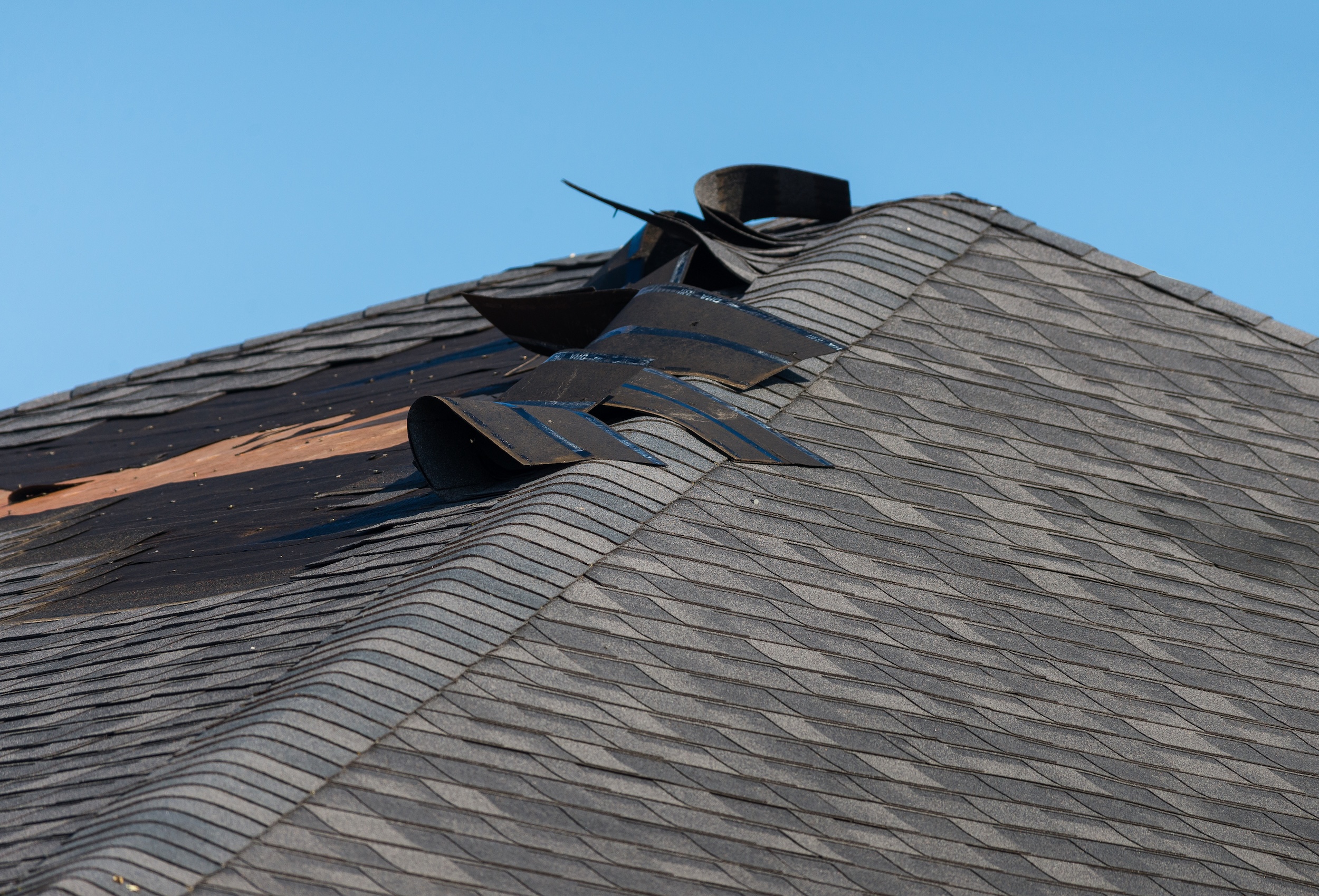
Get Your Storm Damage Repaired in Waterloo, IL
This region's weather is hard on roofs year after year, and a storm that looks like it passed without incident can leave behind damage that only shows up when the next heavy rain comes through. Catching those problems early protects your home from the kind of water damage that turns a simple shingle repair into something far more involved and expensive. If the timing works in your favor, spring and fall offer favorable conditions for repairs, but waiting for a perfect window is rarely worth the risk once your roof has been compromised.
Total Roofing is here to help Waterloo homeowners get their roofs back in solid shape after a storm, with honest inspections and targeted repairs that fix what actually needs fixing. If you have concerns about your roof after recent severe weather, reaching out to Total Roofing is a straightforward first step toward knowing exactly where things stand.
Frequently Asked Questions
Got questions about your roof? We’ve got answers. From maintenance tips to insurance claims and repair timelines, our FAQ section covers the most common concerns homeowners have. Get informed and make confident decisions about protecting your home.
How do I know if the damage from a recent storm is serious enough to call a roofer, or something I can just keep an eye on?
This is a tricky call to make from the ground, and it is one of the more common situations homeowners find themselves in after a storm moves through Waterloo. Hail damage in particular, can look minor on the surface while having already broken down the granule layer that keeps moisture out. If you noticed any new spots on your ceiling, had water near a vent or chimney during the storm, or simply are not sure, a roof inspection is the right move because problems that start small tend to move fast once humidity and the next round of rain get involved.
Can storm damage affect my roof's ventilation even if the shingles still look okay?
Yes, and it is something that often gets overlooked after a storm. Wind-driven debris and moisture buildup frequently damage soffit and fascia boards, which play a direct role in how your roof ventilates. When those parts are compromised, heat and moisture can get trapped in the attic space, shortening the life of your roofing materials and creating conditions that invite mold growth over time. A complete post-storm inspection should always include these areas, not just the visible shingle surface.
Why does the time of year matter for getting storm damage repaired in Waterloo?
The temperature range this region sees across the year affects how well roofing adhesives and sealants cure after installation. Repairs done during moderate temperatures, roughly the spring and fall windows, allow materials to bond properly without the stress of extreme heat or cold. That said, waiting months for ideal conditions is rarely the right call once your roof has been opened up by a storm, so repairs are prioritized based on urgency first and timing second.
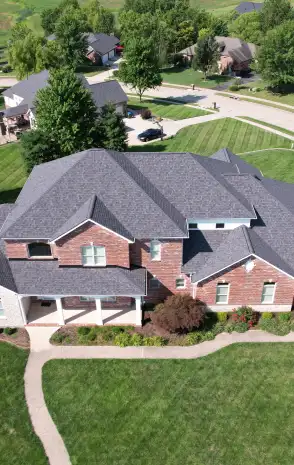
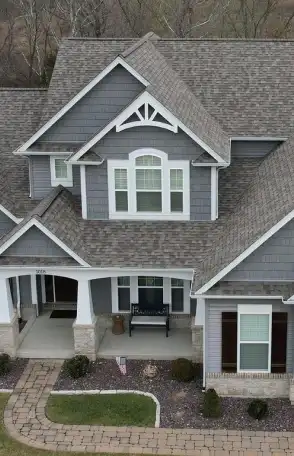
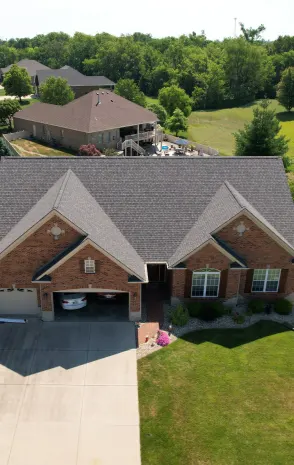
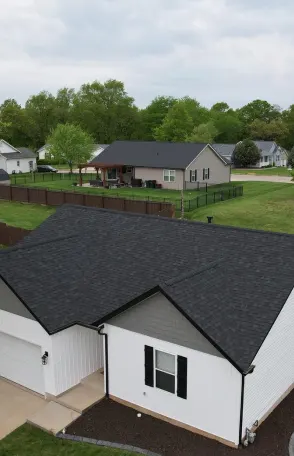
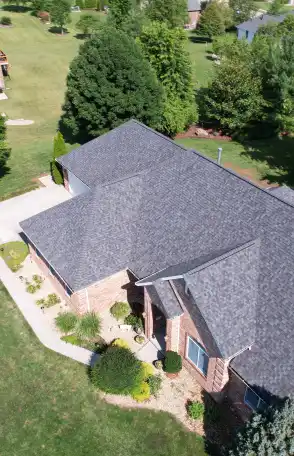
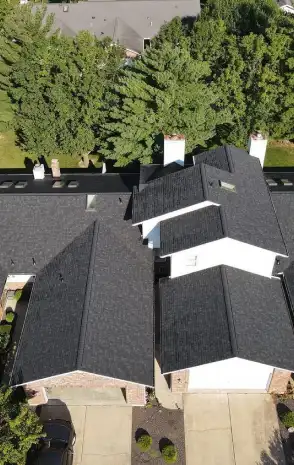
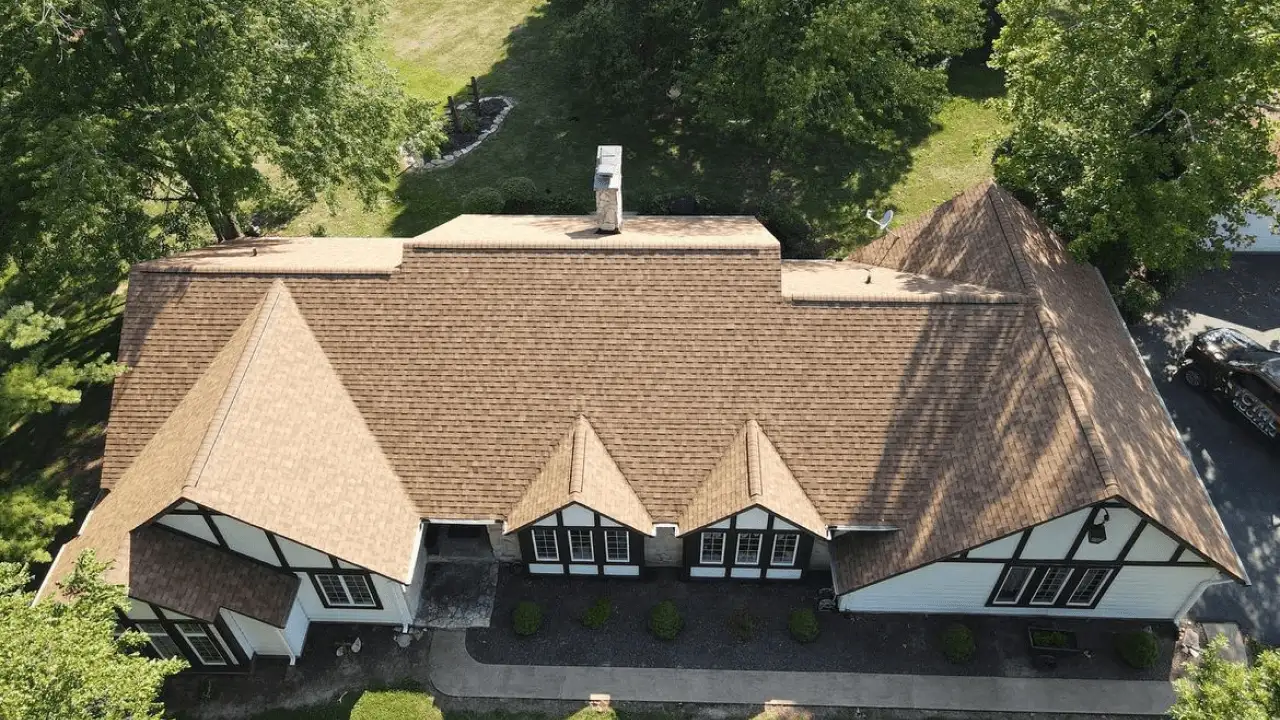
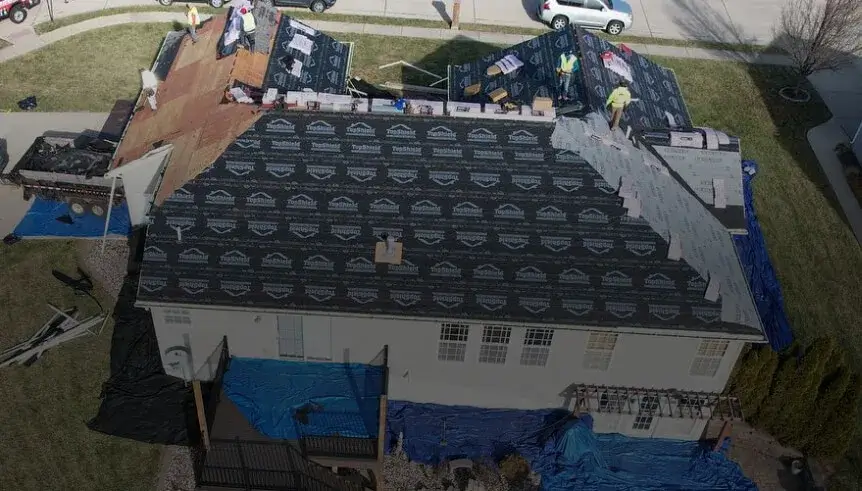
Our Work Speaks For Itself
Our completed roofing projects reflect our commitment to quality, durability, and craftsmanship. From repairs to full installations, every job is done with attention to detail and built to last.

Our Client Feedback
Our work is best told through our customers. Whether it’s a quick repair or a full roof replacement, Total Roofing delivers reliable roofing done right.
View more arrow_forward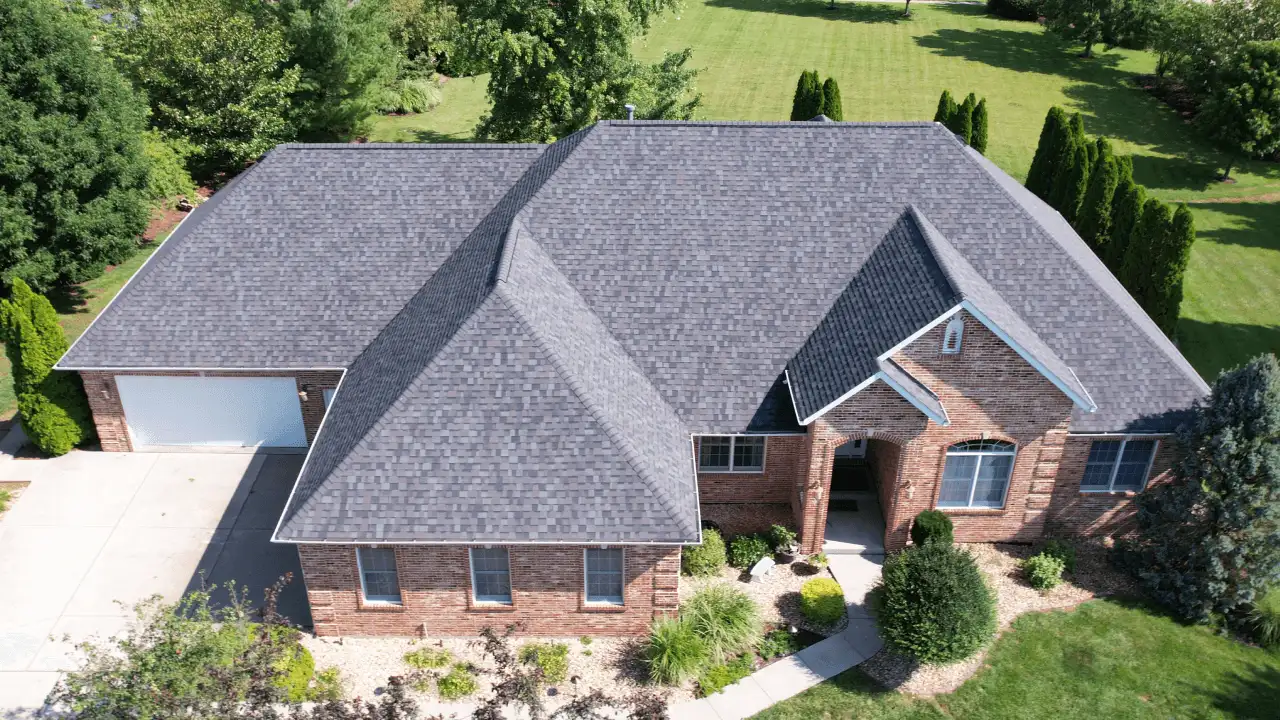




Professional Guidance and Consultation for All Roofing & Remodeling Projects
If you would like a free estimate for a new roof, please contact your nearest office location listed below. You may also submit an inquiry through the contact form, and a member of our team will respond promptly.
- done_allFree, detailed roof inspection by certified professionals Free
- done_allAccurate estimates with transparent pricing 100% Trusted
- done_allNo obligation and no pressure to commit
- done_allFast response and timely project scheduling
- done_allHigh-quality materials and skilled workmanship
- done_allDedicated support from consultation to completion









Get Your Free Professional Roof Inspection