

 call(618) 719-6767 call


Proudly Serving Homeowners Across Missouri
Emergency Roof Repair in Webster Groves, MO
5.0 Stars - Based on 220 User Reviews
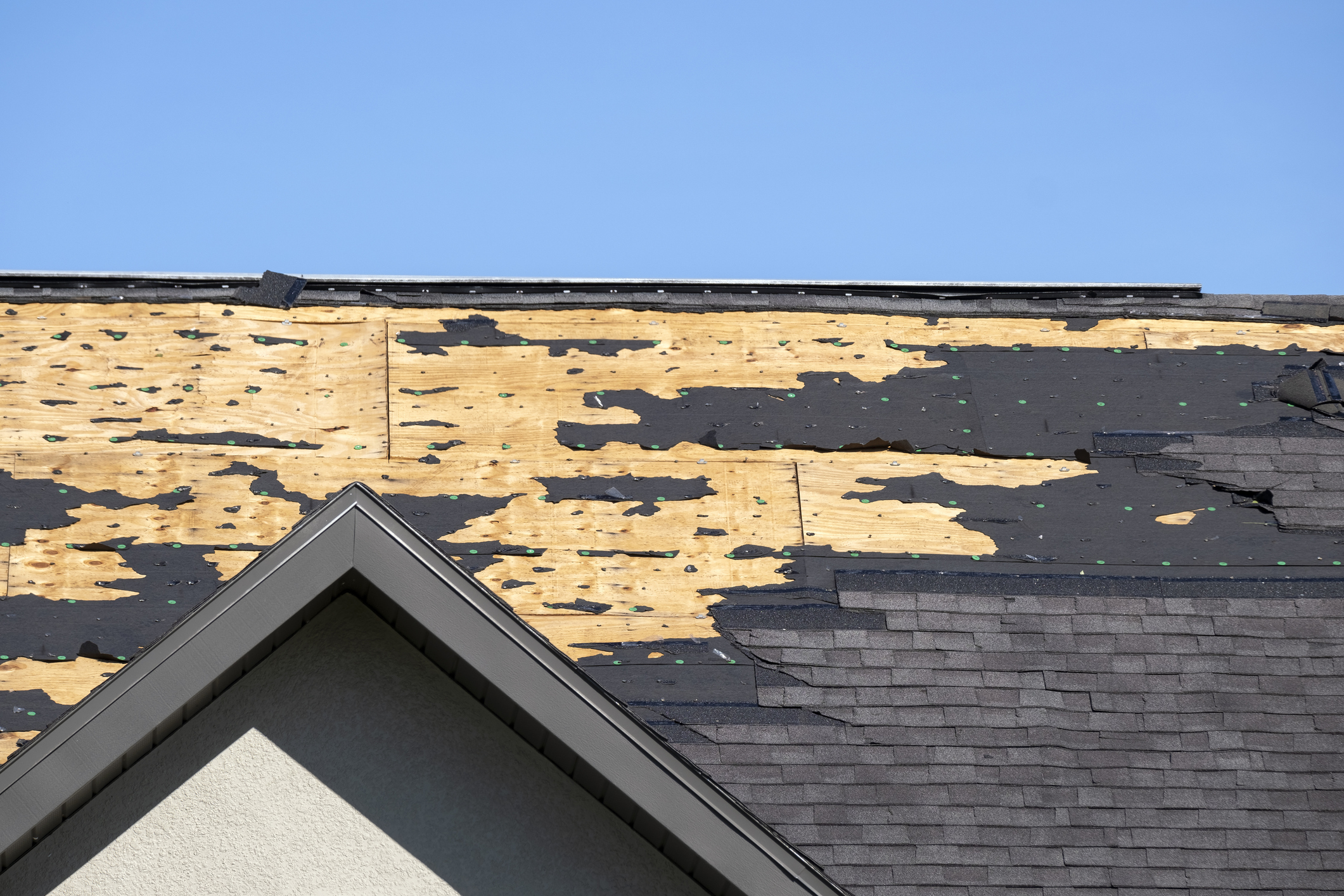
Webster Groves sits in the middle of Missouri's most demanding weather corridor. Summers bring heat, humidity, and thunderstorms capable of pushing winds past 60 mph with hail that bruises shingles on contact. Winter follows with wet snow, sharp cold snaps, and rapid temperature changes that weaken materials at the flashing, eaves, and ridge long before you see a single water stain inside. The area's older, tree-lined lots add another layer of risk. When a storm rolls through, large limbs don't just brush the roof. They puncture it. That combination of weather pressure and debris impact is why emergency roof repair is such a real and recurring need for homeowners here.
A damaged roof doesn't wait for a convenient time, and in Webster Groves, the window between one storm and the next can be short. Water that finds its way through torn shingles or lifted flashing can reach your attic insulation, sheathing, and interior ceilings faster than most homeowners expect. Getting a professional on-site quickly to inspect the damage and stabilize the roof is what separates a contained repair from something far more disruptive. Total Roofing understands the specific conditions this market puts on residential roofing and brings that local experience to every emergency call in Webster Groves.
How Emergency Roof Repair Works in Webster Groves, MO
A roof emergency is stressful enough without having to guess what comes next. Understanding the repair process from the first phone call through the completed work helps you know what to expect while your home is being protected.
- Step 1: Emergency Assessment
When you contact Total Roofing, we respond quickly to learn what you're dealing with. We ask about visible damage, active leaks, and the storm that caused the problem so our crew arrives prepared with the appropriate materials and equipment. Our goal is to assess the damage as soon as conditions safely allow, often within hours of your call. - Step 2: Temporary Protection
If your roof has exposed or vulnerable areas, we secure them before moving forward with permanent repairs. Depending on the situation, that may involve temporary waterproof sealing for a localized opening or reinforced tarping for more extensive damage. The protective measures are matched to the conditions we find, helping prevent additional leaks while a permanent repair is planned. - Step 3: Complete Damage Evaluation
After the immediate risk has been addressed, we perform a detailed inspection of the affected roof and surrounding components. We examine shingles, flashing, ridges, eaves, valleys, roof gaps, and the roof decking beneath where accessible. This allows us to identify both obvious damage and less visible issues that could lead to future leaks if left unaddressed. - Step 4: Repair Plan and Professional Restoration
We explain our findings in straightforward language and outline the repairs your roof actually needs. If the damage is confined to a small section, we'll recommend a targeted repair rather than unnecessary work. Once you approve the plan, our crew completes the repairs efficiently, with many emergency projects finished within a few hours to a single day, depending on the scale of the work. - Step 5: Final Verification and Customer Walkthrough
Before the project is complete, we inspect every repaired area to verify the work has been completed properly. We then review the finished repairs with you, answer your questions, identify any areas worth monitoring over time, and share practical guidance on what to check after future storms so you have a clear understanding of your roof's condition going forward.
What to Inspect After Storm Damage in Webster Groves, MO
After a storm passes through Webster Groves, the damage to your roof is not always obvious from the ground. Knowing where to look and what to look for helps you act quickly before the next weather system moves in.
| What to Check | What It Signals | Urgency Level |
|---|---|---|
| Dented or wavy gutters | A strong indicator that hail also struck your shingles | Inspect quickly |
| Bruised or lifted shingles | Wind or hail impact weakens your roof's protective layer | High priority |
| Exposed nail heads or loose flashing | Common entry points for water, especially near chimneys and vents | High priority |
| Soft or spongy roof decking near eaves | Moisture has already reached the underlayment or sheathing | Immediate attention |
| Debris impact on shaded areas | Tree limbs and branches can puncture roof assemblies on heavily treed lots | Inspect the same day |
If you notice active leaks near light fixtures or electrical areas inside your home, keep your distance and follow local emergency protocols before attempting anything on your own. Roofs older than 15 years are especially vulnerable after storms, as aging shingles lose the ability to shed impact and water the way newer materials can. A complete professional inspection catches hidden damage in valleys, ridge caps, and vents that a ground-level check will miss every time.
Protective Tarping for Open Roof Areas
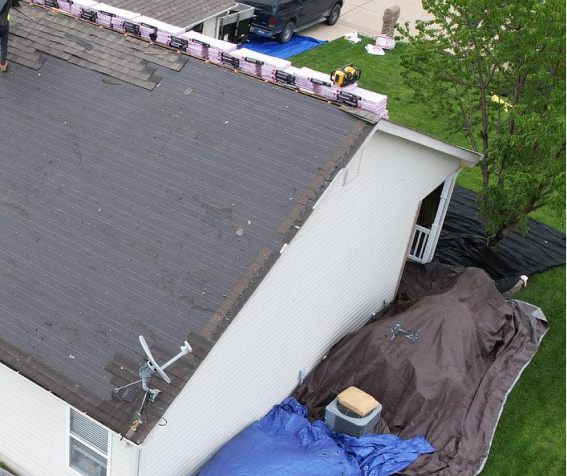
When a storm tears away shingles or a limb punctures your roof deck, a properly secured tarp is what stands between your attic and the next round of rain. Total Roofing uses heavy-duty tarping sized and anchored to cover the full affected area, not just a patch over the most obvious spot, so your home stays protected while permanent repairs are arranged.
Flashing and Sealant Repair at Vulnerable Joints
Chimneys, sidewalls, skylights, and pipe boots are common weak points where flashing lifts or sealant fails after wind and temperature swings put stress on your roof. Addressing these joints as part of emergency repair stops water from tracking into your attic along paths that are easy to miss until the damage is already done.
Debris Removal and Roof Deck Stabilization
Webster Groves properties have no shortage of mature trees, and after a storm, limbs and branch debris left on the roof add weight and trap moisture against the shingles and the roof deck below. Clearing that debris and stabilizing any compromised roof decking keeps the damage from spreading before full repairs are complete.
Ridge Cap and Valley Repair
The ridges and valleys of your roof take more direct exposure to wind and hail than most other areas, and damaged ridge caps or opened valley seams can funnel water straight into your home's structure. Repairing these areas as part of emergency service keeps your roof functioning as a whole system, not just by patching the most visible problem.
Get Emergency Roof Repair Done in Webster Groves, MO
Webster Groves weather doesn't follow a predictable schedule, and the gap between one storm and the next can be shorter than most homeowners expect. Acting on damage quickly protects your home from the kind of repair bills that grow with each additional rainstorm. Whether the issue is a puncture from a fallen limb, lifted flashing, or shingles that took a hit in the last storm, getting it addressed before conditions return is the most practical thing you can do for your property and your budget.
Total Roofing is familiar with what Webster Groves roofs go through, and that local knowledge shapes how we handle every job. If you have visible damage or something just doesn't look right after a storm, reaching out sooner is always the better call. We are ready to help you get a clear picture of what your roof needs and get it taken care of the right way.
Frequently Asked Questions
Got questions about your roof? We’ve got answers. From maintenance tips to insurance claims and repair timelines, our FAQ section covers the most common concerns homeowners have. Get informed and make confident decisions about protecting your home.
Why do so many Webster Groves homeowners discover roof damage weeks after a storm rather than right away?
It comes down to how wind and hail weaken roofing materials without creating an immediate leak. A shingle can be bruised, lifted at the edge, or have its granule layer stripped away and still hold water out for a few weeks until a heavier rainstorm finally pushes through. Shaded lots, common in Webster Groves, also make it harder to spot damage from the ground, especially on steeper pitches where the affected areas face away from the street.
Is there a difference between tarping and temporary sealing, and does it matter which one a contractor uses on my roof?
It matters more than most homeowners realize. Targeted temporary sealing works well for a small breach at a flashing joint or a minor lifted shingle, but it is not designed to hold against a serious storm if a larger section of your roof is exposed or compromised. A properly anchored tarp is the right call when the damage covers more surface area or when the next round of weather is close, and a contractor who knows Webster Groves weather patterns will make that distinction rather than defaulting to whichever option is faster to apply.
Should I be more concerned about emergency repairs on an older roof than on a newer one?
Yes, and the reason is straightforward. Shingles that have been through many Missouri winters lose flexibility and bonding strength over time, which means wind and hail that a newer roof might shrug off can cause more serious damage to an aging one. On roofs that are 15 years or older, what looks like a minor surface issue at the edges or ridge can be masking softer roof decking or failing underlayment underneath, making a thorough inspection after any significant storm especially important rather than optional.
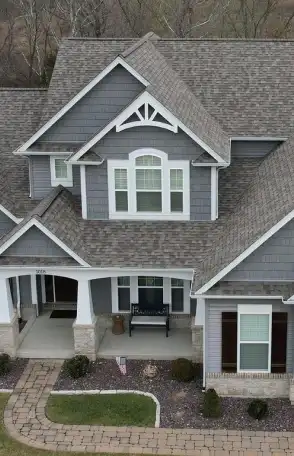
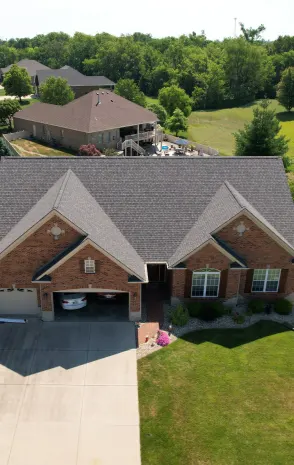
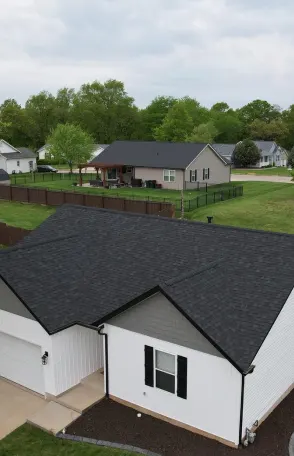
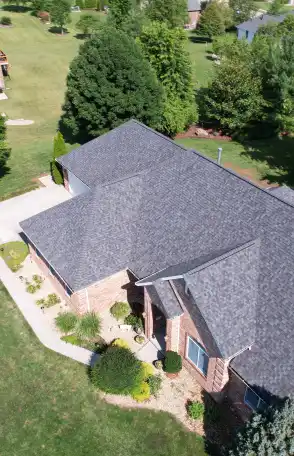
Our Work Speaks For Itself
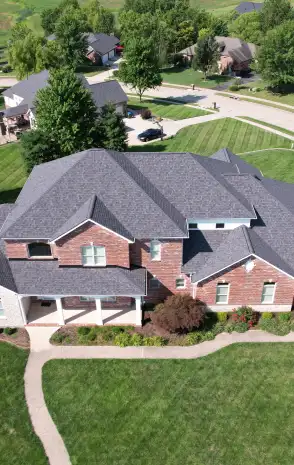
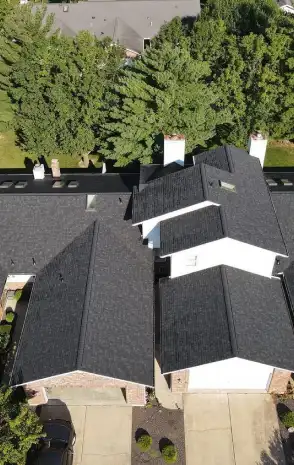
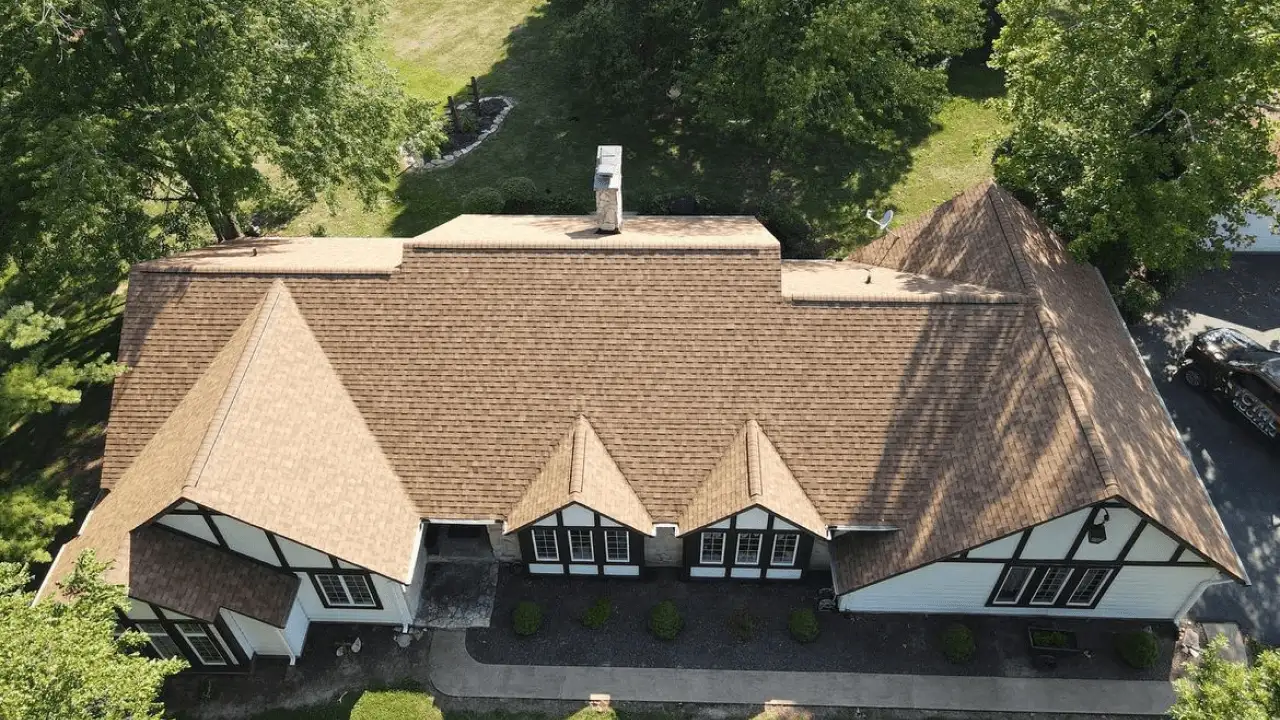
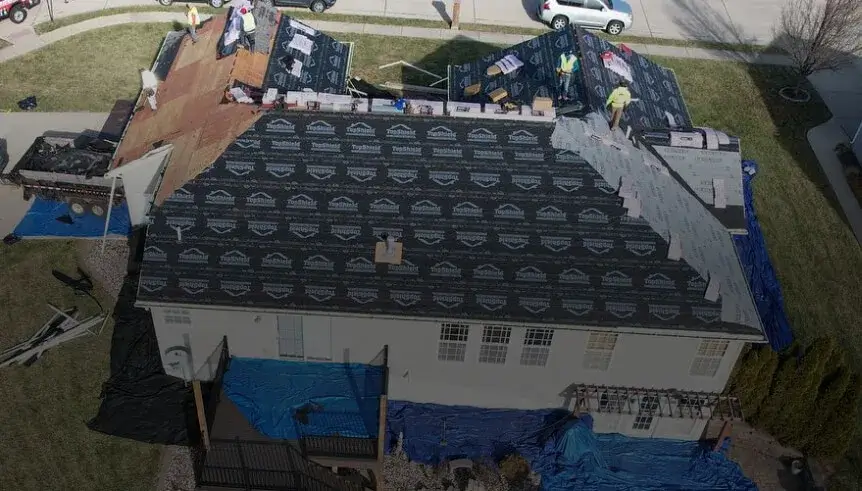
Our completed roofing projects reflect our commitment to quality, durability, and craftsmanship. From repairs to full installations, every job is done with attention to detail and built to last.

Our Client Feedback
Our work is best told through our customers. Whether it’s a quick repair or a full roof replacement, Total Roofing delivers reliable roofing done right.
View more arrow_forward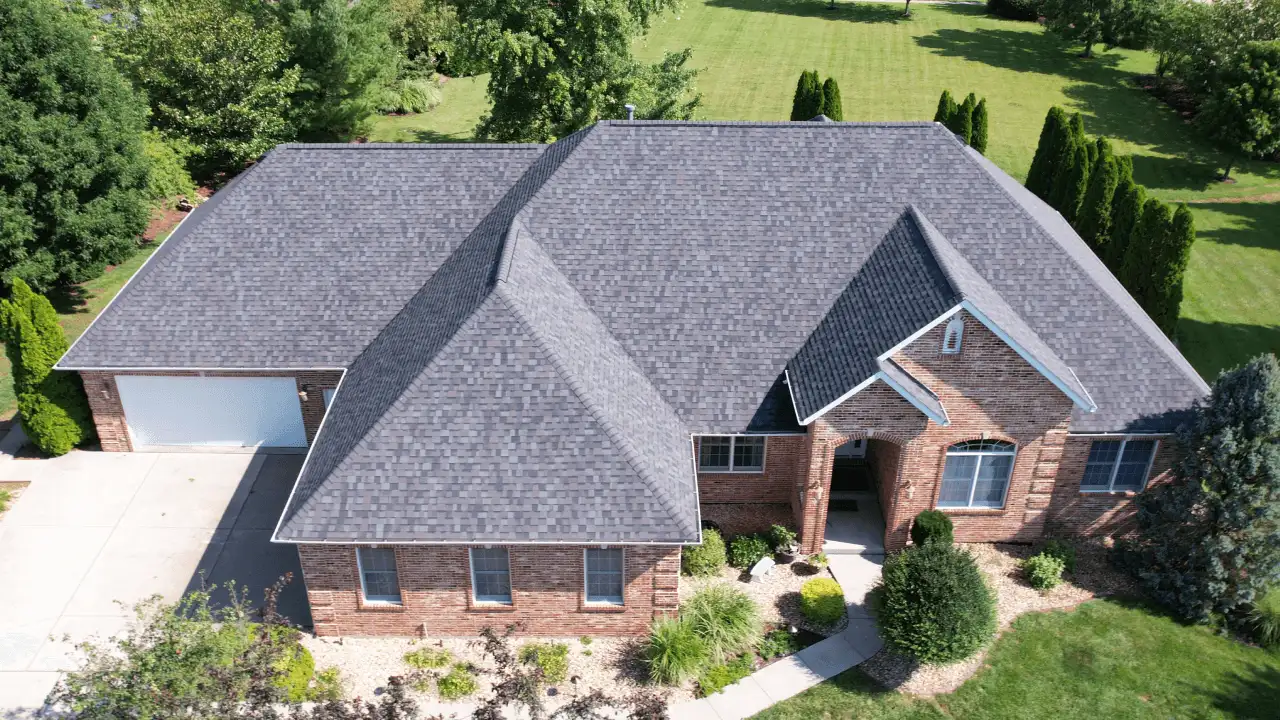




Professional Guidance and Consultation for All Roofing & Remodeling Projects
If you would like a free estimate for a new roof, please contact your nearest office location listed below. You may also submit an inquiry through the contact form, and a member of our team will respond promptly.
- done_allFree, detailed roof inspection by certified professionals Free
- done_allAccurate estimates with transparent pricing 100% Trusted
- done_allNo obligation and no pressure to commit
- done_allFast response and timely project scheduling
- done_allHigh-quality materials and skilled workmanship
- done_allDedicated support from consultation to completion










Get Your Free Professional Roof Inspection