

 call(618) 719-6767 call


Proudly Serving Homeowners Across Missouri
Metal Roof Installation in Webster Groves, MO
5.0 Stars - Based on 222 User Reviews
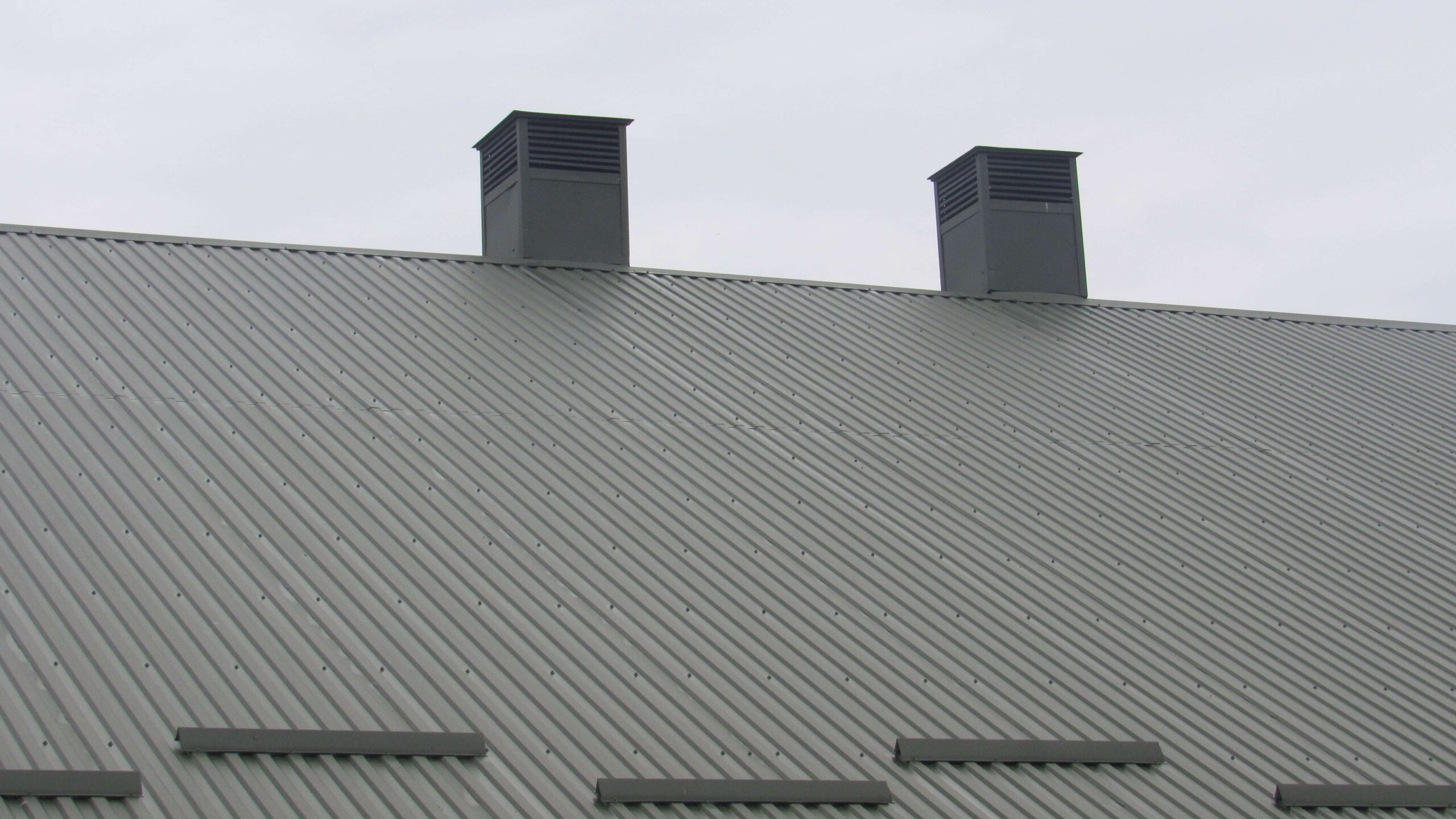
Webster Groves sits in a part of Missouri that does not go easy on roofs. Winters bring freezing temperatures, heavy snow, and ice that cycle through thaw and refreeze for weeks at a time. Spring arrives with heavy rain and the kind of severe weather that tests every seam and fastener on a traditional roof. Summers push temperatures into the 90s before fall brings another round of soaking rain. For homeowners in the established neighborhoods here, many of them living in homes built decades before modern roofing standards existed, that seasonal punishment tends to show up first on the roof. Aging asphalt shingles crack, curl, and fail under repeated temperature changes, and what starts as a minor issue can quietly become a serious problem for the structure underneath.
Metal handles these conditions in ways traditional materials simply cannot match. Its smooth surface sheds snow and ice efficiently, reducing the risk of ice buildup that causes leaks along eaves. It also holds up against strong winds and impact during severe weather, and it resists the expansion and contraction stress that wears down fasteners and seams over time. Total Roofing works specifically in this market, and that means understanding how older Webster Groves homes are built, what their roof structures can handle, and how to install metal roofing correctly for long-term performance in this region's weather patterns.
How Metal Roof Installation Works in Webster Groves, MO
Knowing what to expect from start to finish makes the whole process easier. Here is exactly how Total Roofing handles metal roof installation, so there are no surprises along the way.
- Step 1: Thorough Inspection
Before anything else, we take a close look at your existing roof and the structure underneath it. This matters especially in Webster Groves, where many homes were built well before modern roofing standards. We check the decking, framing, and overall condition to confirm what your home can support and whether any underlying issues need to be addressed first. - Step 2: Honest Recommendation
Once we have a clear picture of your roof's condition, we walk you through what we found. If repairs to your existing roof are a reasonable option, we will tell you that directly. We only recommend full metal roof installation when it is genuinely the right fit for your home and your situation. - Step 3: Options, Specifications, and Detailed Quote
We go over material options suited to the seasonal demands Webster Groves puts on a roof, including how fastening systems and seam details hold up through the region's temperature changes. You will receive a complete, itemized quote with no vague line items before any work begins. - Step 4: Professional Installation
Our crew installs your metal roof with precise work on every fastener, seam, and flashing detail. Proper technique at this stage directly affects how your roof performs through years of Missouri winters, spring storms, and summer heat. - Step 5: Quality Assurance and Final Walkthrough
After installation is complete, we inspect the finished roof and walk through the results with you. We answer questions, point out key details, and make sure you feel confident in what was done before we leave your property.
What Affects Metal Roof Installation in Webster Groves, MO?
Metal roof installation in Webster Groves involves a few factors that are specific to this market and worth understanding before your project begins. The age of the homes here, combined with the region's demanding weather patterns, means no two installations are exactly alike.
| Local Factor | What It Means for Your Installation |
|---|---|
| Older roof decking | Homes built before modern standards may have deteriorated decking that needs attention before new metal roofing goes down |
| Temperature changes | Missouri's repeated winter-to-spring swings put stress on fasteners and seams; proper expansion joint details are critical here |
| Snow and ice buildup | Metal roofing's smooth surface helps prevent the ice accumulation along eaves that causes leaks on older Webster Groves homes |
| Spring severe weather | The St. Louis area's hail and wind exposure makes impact resistance and proper fastening a practical priority, not just a selling point |
| Insurance considerations | Some homeowners in this area have access to premium reductions after upgrading to metal roofing, though this varies by policy |
Scheduling also plays a role. Spring and early fall offer the most predictable conditions for installation in this region. Winter projects are possible but can face weather delays that affect both timeline and installation quality, so planning your project with realistic seasonal expectations protects your investment from the start.
Expansion-Rated Fastening Systems
Metal expands and contracts with every temperature swing, and Webster Groves sees plenty of those across the year. Your installation includes fastening systems specifically selected to allow for that movement without loosening over time, which is what keeps seams tight and your roof performing the way it should years down the road.
Flashing at Every Transition Point
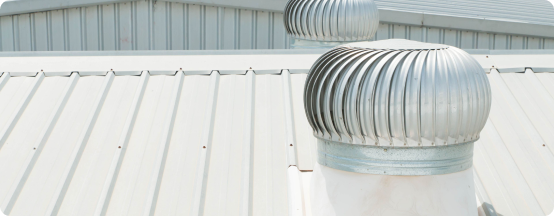
Chimneys, skylights, vents, and roof-to-wall transitions are where most leaks start on older Webster Groves homes. Every one of those points gets properly fitted metal flashing during installation, sealed, and integrated with the roof panel system so water has nowhere to find a way in.
Underlayment Suited to Missouri's Wet Seasons
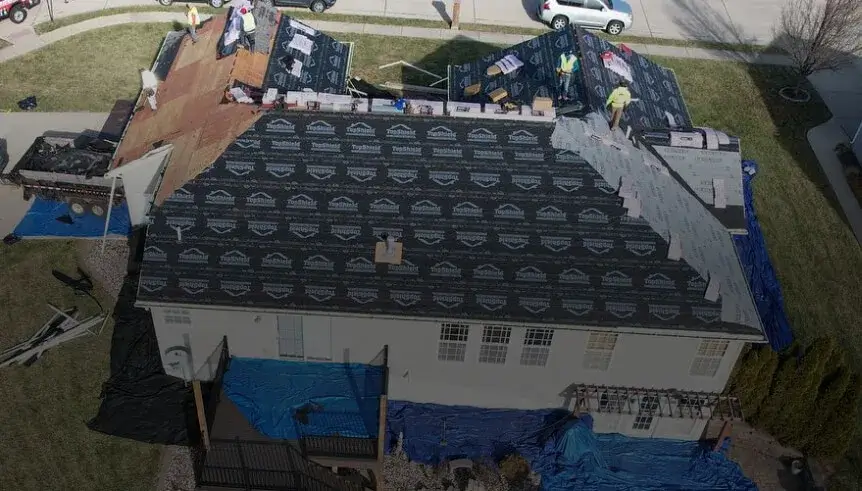
A quality underlayment goes down beneath the metal panels to give your home a secondary barrier during the region's wet springs and heavy rain events. This layer adds protection during installation and continues working quietly beneath your roof for the life of the system.
Ridge Cap and Edge Finishing
The ridge line and roof edges are finished with metal trim and ridge cap panels that seal the top of your roof and give it a clean, finished appearance. Done right, these details do more than look good; they close off the areas most exposed to wind-driven rain and help your roof handle Missouri's spring storm season without pulling apart at the edges.
Plan Your Metal Roof Installation in Webster Groves, MO
Webster Groves puts real demands on a roof, and a well-installed metal roof is one of the more practical long-term decisions you can make for your home here. Beyond the durability benefits, you avoid the cycle of ongoing repairs that older roofing materials tend to require as they age through Missouri's seasons. Spring and early fall are typically the best windows to schedule installation, when conditions are most predictable, and projects can move forward without weather-related delays. Homeowners across the Webster Groves area have found that getting ahead of the busy season makes scheduling considerably easier.
If you are ready to get started or just want to understand what your home's roof actually needs, Total Roofing is a straightforward call or message away. There is no pressure in reaching out, just a conversation with people who know this market and can give you an honest picture of your options. When you are ready, we are here to help.
Frequently Asked Questions
Got questions about your roof? We’ve got answers. From maintenance tips to insurance claims and repair timelines, our FAQ section covers the most common concerns homeowners have. Get informed and make confident decisions about protecting your home.
My Webster Groves home was built in the 1950s. Does that affect whether it can support a metal roof?
Older homes in this area were typically framed to carry heavier traditional roofing materials like slate or thick asphalt shingles, so metal roofing is often actually lighter than what is already up there. The bigger concern with homes of that era is the condition of the existing roof decking, which can deteriorate quietly over decades and needs to be in solid shape before new roofing goes down. A thorough inspection before installation catches any decking issues early so they get addressed as part of the project rather than discovered mid-job.
How does Missouri's freeze-thaw pattern specifically affect how a metal roof is installed?
The repeated cycle of freezing and warming that Webster Groves sees from late fall through early spring puts stress on fasteners and seam details in ways that warmer climates simply do not deal with. Proper installation here means using expansion-rated fastening systems and paying close attention to how seams and joints are detailed so the roof can move slightly with temperature changes without loosening over time. Shortcuts at that stage tend to show up as problems within a few winters, which is why installation technique in this region matters more than some homeowners realize.
Is there a time of year when scheduling my installation could actually affect how the roof performs long term?
Yes, and it is not just about contractor availability. Certain metal roofing materials and sealants need moderate temperatures to cure and set correctly, and installing during a stretch of freezing weather can interfere with that process in ways that affect long-term performance. Spring and early fall give your installation the best conditions for materials to seal properly from the start. If your project does need to happen outside those windows, a contractor who knows this region's weather patterns can plan around it with the right materials and sequencing.
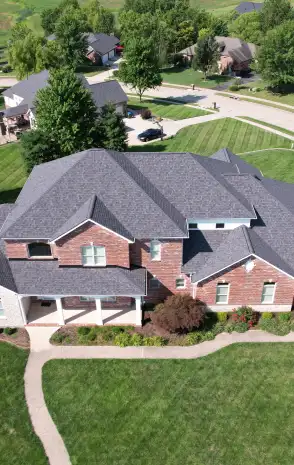
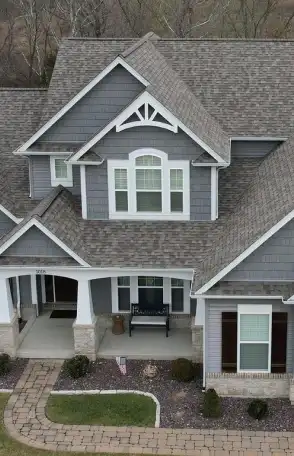
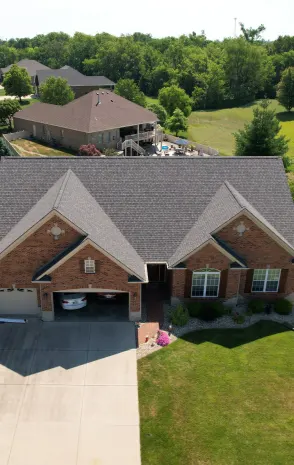
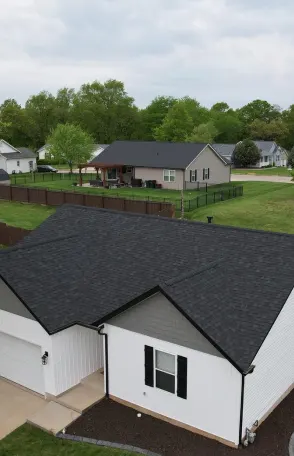
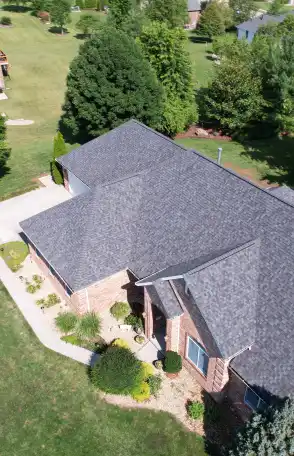
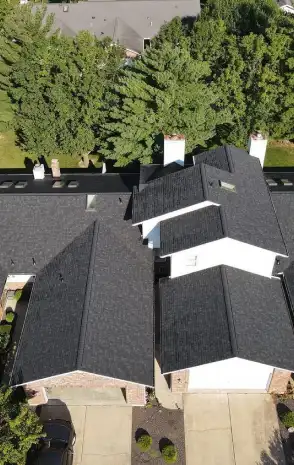
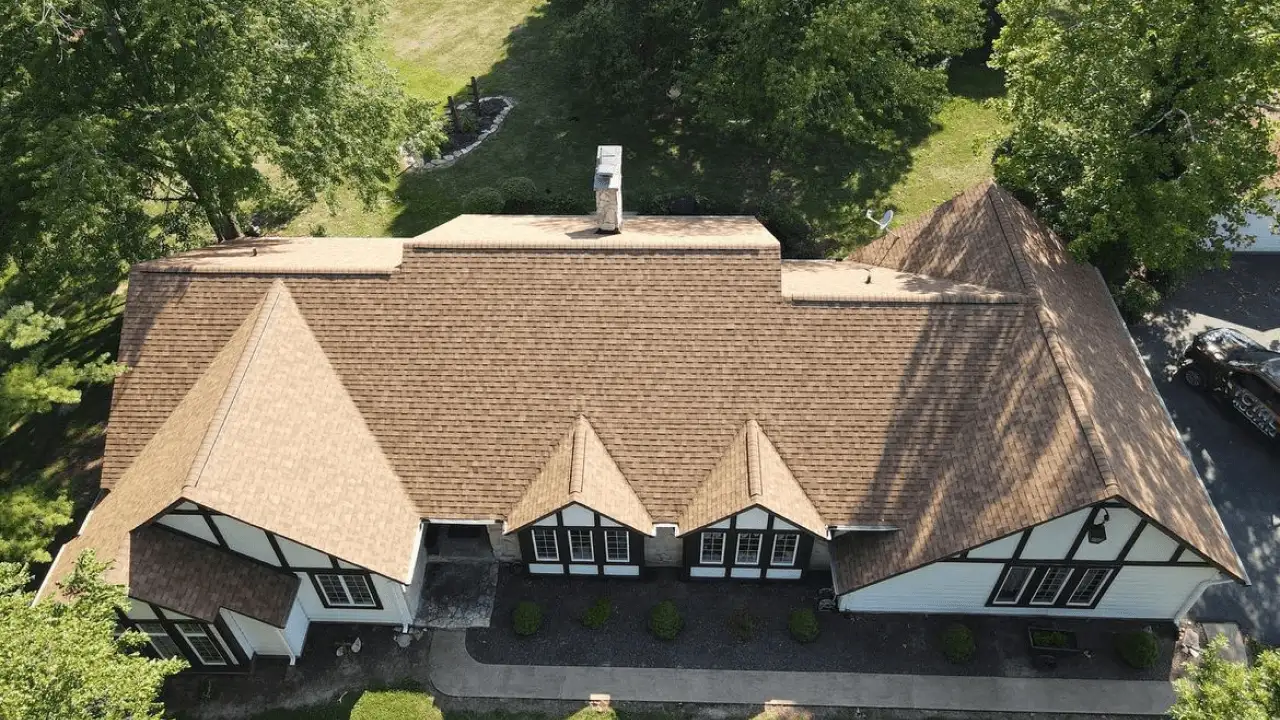
Our Work Speaks For Itself
Our completed roofing projects reflect our commitment to quality, durability, and craftsmanship. From repairs to full installations, every job is done with attention to detail and built to last.

Our Client Feedback
Our work is best told through our customers. Whether it’s a quick repair or a full roof replacement, Total Roofing delivers reliable roofing done right.
View more arrow_forward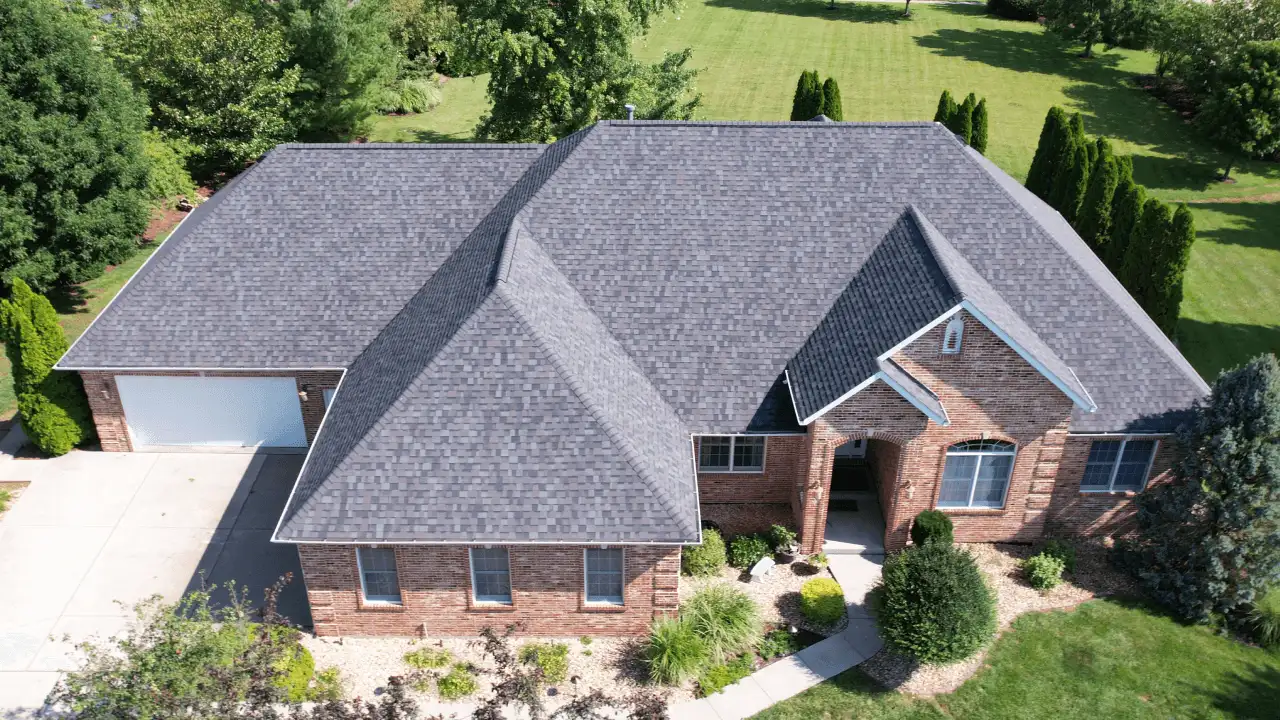




Professional Guidance and Consultation for All Roofing & Remodeling Projects
If you would like a free estimate for a new roof, please contact your nearest office location listed below. You may also submit an inquiry through the contact form, and a member of our team will respond promptly.
- done_allFree, detailed roof inspection by certified professionals Free
- done_allAccurate estimates with transparent pricing 100% Trusted
- done_allNo obligation and no pressure to commit
- done_allFast response and timely project scheduling
- done_allHigh-quality materials and skilled workmanship
- done_allDedicated support from consultation to completion









Get Your Free Professional Roof Inspection