



How to Schedule Roof Soffit Installation: Expert Planning Guide for Homeowners
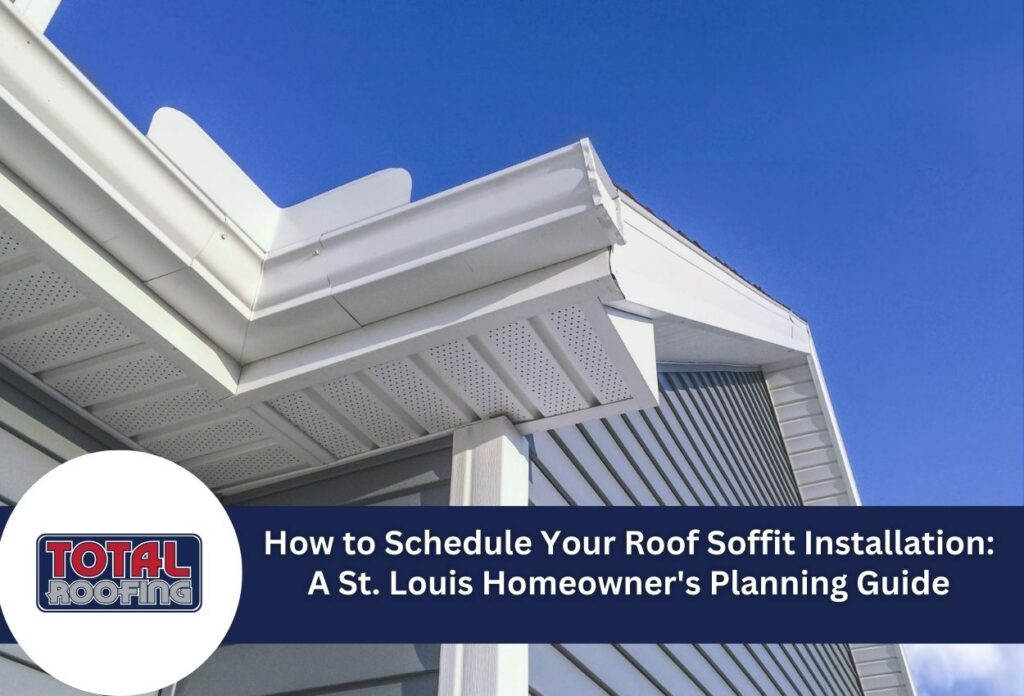

Roof soffits play an important role in enclosing the eave cavity and supporting proper attic ventilation. These horizontal boards span the gap between a home’s exterior walls and the roofline, creating a finished appearance while serving essential functional purposes. When soffits become damaged or deteriorated, scheduling a professional soffit installation becomes necessary to maintain the structural integrity and energy efficiency of the property.
The roof soffit installation process requires careful timing and coordination with qualified contractors to achieve the best possible results. St. Louis homeowners face unique challenges due to the region’s variable weather patterns, which can impact both the soffit installation timeline and the urgency of repairs. Damaged soffits allow moisture, pests, and debris to enter attic spaces, potentially causing expensive structural damage over time.
Proper planning for roof soffit repair and installation involves understanding seasonal considerations, contractor availability, and the specific requirements of different soffit materials. Professional soffit installation contractors can assess existing conditions and recommend the most appropriate scheduling approach based on current damage levels and weather forecasts.
Signs Your Home Needs Soffit Installation or Replacement
Recognizing when to schedule roof soffit installation requires careful observation of several visual indicators that suggest deterioration or damage. Water stains on exterior walls beneath the roofline often signal compromised soffits that no longer provide adequate moisture protection. Peeling paint, rotting wood, or visible gaps in soffit materials indicate the need for immediate professional soffit installation services.
Pest intrusion represents another clear warning sign that soffits require attention. Birds, squirrels, and insects frequently exploit damaged soffit areas to access attic spaces, creating additional property damage. Homeowners may notice increased animal activity or hear scratching sounds in the attic, suggesting compromised soffit barriers.
St. Louis weather patterns create specific seasonal challenges that affect the soffit installation timeline. Spring storms and summer humidity accelerate soffit deterioration, while winter freeze-thaw cycles can make existing damage worse. The roof soffit installation process works best during moderate weather conditions, making fall an ideal time for scheduling repairs. Soffit installation contractors typically recommend addressing visible damage quickly rather than waiting for seasonal preferences, as deteriorated soffits compromise overall roofing system performance and can lead to more extensive structural issues.
Understanding the Soffit Installation Process
The professional soffit installation process begins with an assessment of existing conditions and structural requirements. Qualified soffit installation contractors evaluate the current state of fascia boards, roof overhangs, and ventilation systems to determine the scale of needed work. This initial evaluation identifies any underlying damage that could affect the soffit installation timeline and helps establish material requirements for the project.
Material selection represents an important preparation step that directly impacts the success of roof soffit installation. Contractors must choose appropriate soffit materials based on the home’s architectural style, climate considerations, and ventilation needs. Common options include vinyl, aluminum, and fiber cement soffits, each offering different durability and maintenance characteristics. Proper material preparation involves measuring precise dimensions, ordering adequate quantities, and ensuring all fasteners and trim pieces are available before installation begins.
The roof soffit repair and installation process typically progresses through several distinct phases, including removal of damaged materials, structural repairs, installation of new soffits, and final inspection. Professional soffit installation requires specialized tools and techniques to ensure proper alignment, adequate ventilation, and weather-resistant sealing. The entire process requires careful coordination with favorable weather conditions to protect both workers and exposed structural elements during the soffit installation timeline.
The Best Timing for Soffit Installation Projects
Understanding seasonal weather patterns helps determine the best time to schedule roof soffit installation in the St. Louis region. Fall typically offers the most favorable conditions, with moderate temperatures and reduced precipitation creating ideal working environments for soffit installation contractors. Spring represents another suitable window, though unpredictable storms may extend the soffit installation timeline unexpectedly.
Winter installations present significant challenges due to freezing temperatures, snow, and limited daylight hours. Summer scheduling often encounters extreme heat and frequent thunderstorms that can interrupt the roof soffit installation process. Professional soffit installation contractors experience peak demand during the fall, making early scheduling essential for securing preferred installation dates.
Project complexity significantly affects the soffit installation timeline regardless of seasonal timing. Simple replacements on single-story homes may require only 1 to 2 days, while extensive roof soffit repair and installation on larger properties can extend over several weeks. Homes with complex rooflines, multiple stories, or custom architectural features need additional time for proper measurement, material preparation, and careful installation. The specific soffit material selected also impacts scheduling, as some products require special handling or extended curing periods that professional soffit installation teams must accommodate within their project timelines.
Choosing the Right Contractor for Your Soffit Installation
Selecting qualified soffit installation contractors requires verification of essential credentials that ensure professional competency and legal protection. Licensed contractors demonstrate compliance with local building codes and possess the technical knowledge necessary for proper roof soffit installation. Valid insurance coverage protects homeowners from liability during the soffit installation process and guarantees financial protection against potential property damage or worker injuries.
Local experience proves invaluable when evaluating professional soffit installation providers, as regional contractors understand specific weather challenges and building requirements that affect project success. St. Louis contractors familiar with local climate patterns can better predict how seasonal conditions impact the soffit installation timeline and recommend appropriate materials for long-term durability. Established local contractors typically maintain relationships with reliable suppliers, ensuring consistent material quality and availability throughout the roof soffit repair and installation process.
Essential questions during contractor consultations should address licensing status, insurance coverage, project experience, and material warranties. Homeowners should request detailed written estimates that specify materials, labor costs, and projected completion timeframes. Comparing multiple quotes helps identify reasonable pricing and reveals differences in proposed approaches to the roof soffit installation process. Professional soffit installation contractors provide clear explanations of their methods and demonstrate willingness to address concerns about the soffit installation timeline and project specifications.
Preparing Your Home and Property for Installation Day
Successful roof soffit installation requires homeowners to complete several important preparation tasks before contractors arrive on the scheduled installation date. Property access represents the primary consideration, as soffit installation contractors need clear pathways for equipment, materials, and ladders around the home’s perimeter. Homeowners should remove outdoor furniture, decorations, and landscaping obstacles that might interfere with the roof soffit installation process.
Utility lines and electrical connections require special attention during preparation for professional soffit installation. Contractors need access to power sources for tools while avoiding interference with overhead cables or underground utilities. The soffit installation timeline can be significantly delayed if utility conflicts arise unexpectedly, making advance identification and coordination essential for project success.
Landscaping protection involves covering delicate plants, removing valuable garden items, and trimming vegetation that extends near the work area. The roof soffit repair and installation process generates debris and requires ladder placement that can damage unprotected landscaping. Interior preparation includes securing valuable items, covering furniture near exterior walls, and ensuring pets remain safely contained during active work periods. Soffit installation contractors appreciate clear communication about household routines and specific property concerns that might affect their work schedule or safety protocols.
Ensuring Quality Results and Long-Term Performance
A final inspection represents the most important step in verifying successful roof soffit installation and protecting the homeowner’s investment. Professional soffit installation contractors should conduct thorough examinations of all newly installed materials, checking for proper alignment, secure fastening, and adequate ventilation functionality. This inspection process includes testing soffit vents to ensure unobstructed airflow and examining all joints and seams for weather-tight sealing.
Essential inspection points include verifying that soffit panels remain properly secured without gaps or loose sections that could allow pest intrusion or leaks. The roof soffit installation process should result in a uniform appearance and consistent ventilation spacing throughout the installation area. Contractors must confirm that all trim pieces fit correctly and that the soffit installation timeline allows adequate time for proper curing of sealants and adhesives.
Long-term maintenance requirements vary depending on soffit materials, but generally include annual visual inspections and periodic cleaning to remove debris from ventilation openings. Homeowners should monitor soffit conditions after severe weather and address minor issues quickly to prevent extensive roof soffit repair and installation needs. Regular gutter cleaning and proper attic ventilation help extend the soffit lifespan by reducing moisture exposure. Professional soffit installation contractors often provide maintenance guidelines specific to the materials installed and local climate conditions that affect durability and performance expectations.
Ensure Your St. Louis Home is Protected with Professional Soffit Installation from Total Roofing
If you’ve noticed signs of wear or damage to your home’s soffits, don’t wait for the problem to get worse. Protecting your home from moisture and pests starts with a properly installed soffit system, especially in the variable St. Louis climate. At Total Roofing, we specialize in the meticulous installation and repair of roof soffits, ensuring your home remains safe and well-ventilated all year round.
Don’t compromise on the quality and timing of your soffit installation. Call Total Roofing today at (618) 719-6767 to secure a consultation and ensure your home is protected with expert soffit solutions.