



Protecting Your Home: Essential Roof Inspection Steps After a Hailstorm
When hailstorms strike St. Louis homes, they often leave behind hidden roof damage that can develop into serious structural problems if not addressed quickly. Even small hailstones can crack shingles, dislodge protective granules, and create vulnerabilities that allow water to break through your home’s first line of defense.
A thorough roof inspection after a hailstorm is not just recommended — it’s essential for protecting your property and investment. Undetected damage can lead to leaks, interior water damage, mold growth, and eventually, premature roof failure requiring complete replacement.
This guide covers both DIY inspection techniques for homeowners who want to perform an initial storm roof inspection checklist, as well as what to expect when bringing in qualified St. Louis roofing professionals. This way, you can protect your home and keep the roof in the best condition possible.
Key Takeaways: Roof Inspection After Hailstorm
- Inspect Immediately: St. Louis experienced 60-70 confirmed hail reports in 12 months; undetected damage leads to leaks, mold, and premature roof failure.
- Check for Granules: Black spots where granules are knocked away expose vulnerable substrate and accelerate deterioration through freeze-thaw cycles common in St. Louis.
- Professional Documentation Required: Certified contractors use moisture meters and infrared cameras to detect hidden damage invisible to DIY inspections, strengthening insurance claims.
- Upgrade for Protection: Class 4 impact-resistant shingles withstand hailstones without cracking and often qualify for insurance premium discounts in St. Louis.
Understanding Hail Damage: What Every St. Louis Homeowner Should Know
Hail damage varies significantly depending on the type of roofing material you have. In St. Louis, where asphalt shingles dominate residential roofing systems, hailstones typically cause black spots where granules have been knocked away, exposing the material beneath —one of the key signs homeowners notice when researching what to do if storm damages roof. These impact points create weak spots that accelerate deterioration. Metal roofs might show denting or damage to protective coatings and finishes, while clay or concrete tile roofs can develop cracks or chips that compromise their water-shedding capabilities.
Distinguishing hail damage from normal aging also requires knowing specific visual indicators. Authentic hail damage appears as random patterns of damage, unlike the uniform wear patterns that are caused by time and age. Fresh hail impacts on asphalt shingles feel soft to the touch and appear shiny, while older damage becomes dark and hardens. Look for circular impact marks with exposed black substrate on asphalt, round dents on metal surfaces, or spider-web cracking on tile materials.
During a roof inspection, professionals check for these distinctive patterns of hail damage. Unlike normal deterioration, hail damage appears concentrated on storm-facing slopes and tends to affect roof vents, gutters, and flashing simultaneously. Therefore, a complete hail damage roof assessment evaluates all components, not just the roof covering, to ensure no damage goes unnoticed.
DIY Roof Assessment: Your Initial Inspection Checklist
After a hailstorm passes through the St. Louis area, performing a preliminary roof inspection can help you assess potential damage before contacting professionals. Using simple techniques, homeowners can gather valuable information about their roof’s condition while staying safe on the ground.
Start your hail damage roof assessment with a ground-level inspection using binoculars. Scan your roof systematically, looking for missing shingles, visible dents in metal components, or shiny spots where granules may have been dislodged. Take photos of any concerning areas to document the damage for both your records and potential insurance claims. Walk around your property to check for fallen granules in gutters or downspouts as well, which is a telltale sign of impact damage.
You should also conduct a basic attic inspection to identify interior signs of roof damage. With a flashlight, examine your attic during the day, looking for water stains, moisture on insulation, or visible light piercing through the roof deck. Feel insulation for dampness and inspect roof trusses for water damage. Dark streaks on wood components often indicate ongoing leaks that require immediate attention.
Keep in mind that while this storm roof inspection checklist provides crucial information, many forms of hail damage remain invisible to untrained eyes. Professional roof inspections after storms remain the most reliable way to identify all potential issues before they worsen and compromise your home’s structural integrity.
When to Call the Professionals: Signs Your Roof Needs Expert Attention
While initial DIY assessments are helpful, certain damage indicators should prompt an immediate call to St. Louis roofing professionals. Missing or visibly damaged shingles, dented metal flashing, or gutters filled with granules are clear warnings that your roof has sustained significant hail damage. If you notice water stains on ceilings or walls after a storm, this indicates that moisture has already gotten through the protective layers of your roof.
Professional roof inspection after storm events provides benefits that DIY assessments cannot match. Certified contractors use specialized equipment like moisture meters and infrared cameras to detect hidden water intrusion and structural damage invisible to the naked eye. These tools identify compromised areas where hail has made impact with the roof without obvious surface damage, which is particularly important for identifying roof hail damage that might otherwise go unnoticed.
Professional roofers also safely access steep or high portions of your roof that homeowners should not attempt to inspect. Their training allows them to distinguish between manufacturing defects, normal wear, and actual hail damage, which are important distinctions when trying to file an insurance claim. With their comprehensive hail damage roof assessment, they can provide detailed documentation of all storm-related issues, including photographs and measurements that strengthen your insurance claim.
Remember that immediate professional evaluation following significant hailstorms helps prevent secondary damage. Many St. Louis roofing contractors offer free storm damage assessments, making professional inspection a risk-free way to protect your home’s most important protective system.
The Professional Inspection Process: What to Expect
When you schedule a professional roof inspection after a hailstorm, St. Louis roofing contractors follow a systematic approach to assess damage comprehensively. The process typically begins with an exterior evaluation where inspectors examine all roof planes, paying special attention to storm-facing slopes where hail impact is typically most severe. They’ll document visible signs of damage, including dented vents, damaged flashing, displaced shingles, and granule loss.
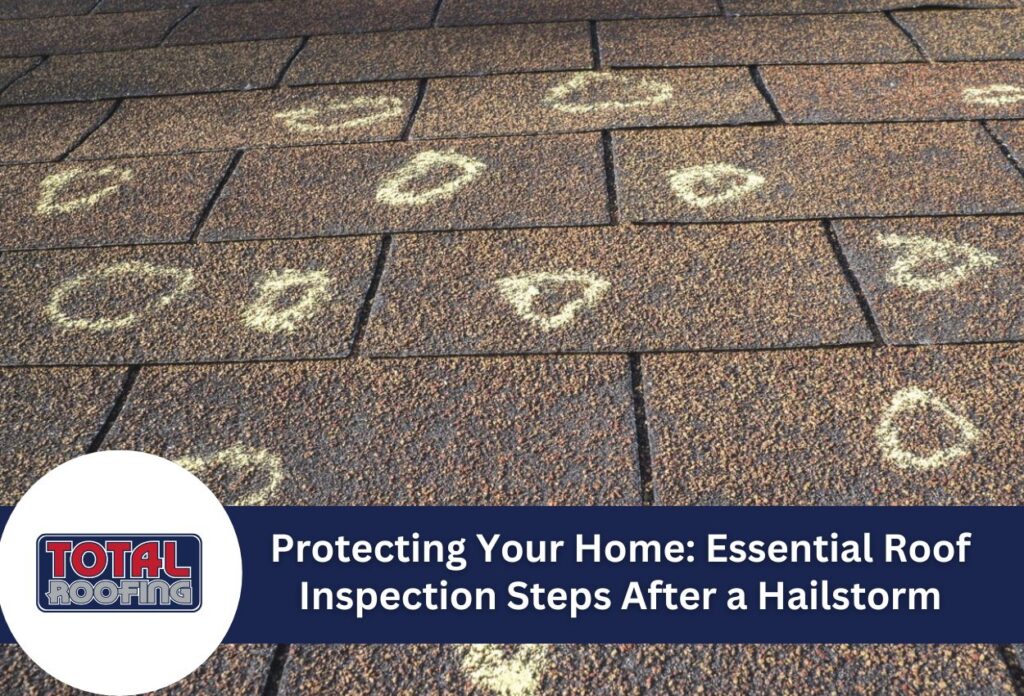
Professional inspectors then perform a detailed roof-surface examination, marking damaged areas with chalk to create a damage map. They’ll also inspect critical components, including ridge caps, valleys, and penetration points where water intrusion commonly begins. The assessment continues with an evaluation of gutters, downspouts, and exterior walls for signs of collateral damage that might affect your home’s overall weather resistance.
Following the inspection, you’ll receive comprehensive documentation including photographs, damage diagrams, and detailed written assessments that serve as crucial evidence for insurance claims. This thorough professional documentation helps ensure fair compensation for necessary repairs following significant hailstorms.
Dealing with Insurance: Documenting Hail Damage Effectively
Successfully navigating the insurance claim process after a hailstorm requires thorough documentation and strategic communication. Missouri homeowners should document roof damage immediately after a storm subsides, as many policies have specific filing deadlines. Begin by taking clear, dated photographs of all visible damage from multiple angles, ensuring images capture both close-up details and wider views showing the extent of the damage. Include shots of fallen hailstones next to a measuring object like a ruler or coin to reference size.
When working with insurance adjusters, preparation is key. Before their arrival, compile a folder containing your policy information, storm date documentation from weather services, all photographs, and notes from your initial roof inspection after hailstorm damage. During the inspection, accompany the adjuster to point out areas of concern you or your roofing contractor identified and ask specific questions about their assessment process and request clarification on coverage limitations.
Long-term Protection: Preventative Measures and Maintenance After Repairs
After completing all necessary repairs following a hailstorm, implementing preventative measures is essential for St. Louis homeowners who want to protect their investment long-term.
Regular roof maintenance should include seasonal inspections to identify and address minor issues before they escalate. Schedule professional inspections at least twice a year — typically in spring and fall — to detect problems early when repairs are simpler and more affordable.
Creating a maintenance calendar helps track important roof care tasks such as clearing debris from valleys and gutters, trimming overhanging branches, and checking for loose or damaged shingles. During your storm roof inspection checklist, pay special attention to areas previously repaired, as these spots may be more vulnerable to future damage. Professional roof inspections after severe weather events remain crucial even with ongoing maintenance.
For St. Louis homes particularly susceptible to hail damage, consider upgrading to impact-resistant roofing materials. Class 4 impact-resistant shingles offer superior protection against hailstones and often qualify for insurance premium discounts. These specialized materials feature reinforced construction that withstands impacts without cracking or losing protective granules.
Ensure Your Roof’s Integrity with Total Roofing’s Expert Inspection Services
If you’ve recently experienced a hailstorm in St. Louis, assessing the damage quickly is crucial to maintain your home’s safety and structural integrity. Hail can create subtle yet significant damage that might not be immediately evident, so don’t wait until you notice a leak or other visible signs of deterioration.
Total Roofing specializes in roof inspection after hailstorms, helping homeowners identify critical issues and address them effectively. Our team of certified professionals is equipped with the latest technology to perform a comprehensive assessment, ensuring no damage goes unnoticed.
Whether you’re seeing obvious signs of damage or just want peace of mind, give us a call at (618) 719-6767. Let us help you secure your home with a thorough roof inspection and the necessary repairs to protect against future storms.
How soon after a hailstorm should I schedule a roof inspection?
You should schedule a professional inspection within 1-2 weeks after a hailstorm, though documenting visible damage immediately is important. Most insurance policies have claim filing deadlines, and delaying inspection allows minor damage to worsen through additional weather exposure, potentially complicating your claim process.
Can hail damage worsen over time if left unaddressed?
Yes, hail damage progressively worsens as compromised areas allow moisture penetration. St. Louis’s freeze-thaw cycles cause water to expand in cracks, creating larger openings. What starts as minor granule loss can lead to exposed underlayment, wood rot, interior water damage, and eventual structural failure requiring complete roof replacement.
Will my homeowners insurance cover a roof inspection after a hailstorm?
Many St. Louis roofing contractors offer free storm damage inspections regardless of insurance coverage. Your homeowners policy typically covers the actual damage repairs rather than the inspection itself. However, professional documentation from these inspections strengthens your claim and helps ensure you receive appropriate compensation for legitimate storm damage.
What qualifications should I look for when hiring a roofing inspector?
Choose inspectors with proper licensing, insurance, and certifications from manufacturers like GAF or CertainTeed. Look for contractors with HAAG Engineering certification for hail damage assessment, local references, and membership in professional organizations. Verify they have experience working with insurance claims and can provide detailed written reports with photographic documentation.
How does hail damage affect my roof’s warranty coverage?
Unrepaired hail damage often voids manufacturer warranties, as these typically exclude coverage for storm-related impacts and subsequent deterioration. Prompt professional inspection and proper repairs help maintain warranty protection for manufacturing defects. Document all damage and repairs thoroughly, as warranty claims require proof that deterioration resulted from defects rather than neglected storm damage.
Related Articles
-
 May 11, 2026What Are Siding Services in MO and Why Do St. Louis Homeowners Need Them?Missouri’s harsh weather can damage siding. Learn how expert siding services protect your home year-round.
 -
 July 7, 2025Asphalt Shingles Without Granules: How Long Will Your Roof Last?Concerned about granule loss on your asphalt shingles? Learn how it affects your roof’s lifespan and the key steps to protect it.
 -
 May 26, 2025Emergency Steps to Take After a Storm Damages Your RoofRoof damaged by a storm? Find out how to secure your home, document the damage, and handle insurance claims.
Protect Your Home with Expert Roofing
Don’t wait for leaks or storm damage to cause costly repairs. Our experienced roofing team provides fast, reliable service, high-quality materials, and lasting results. Ensure your home stays safe, secure, and looking great—contact us today for a free estimate.