



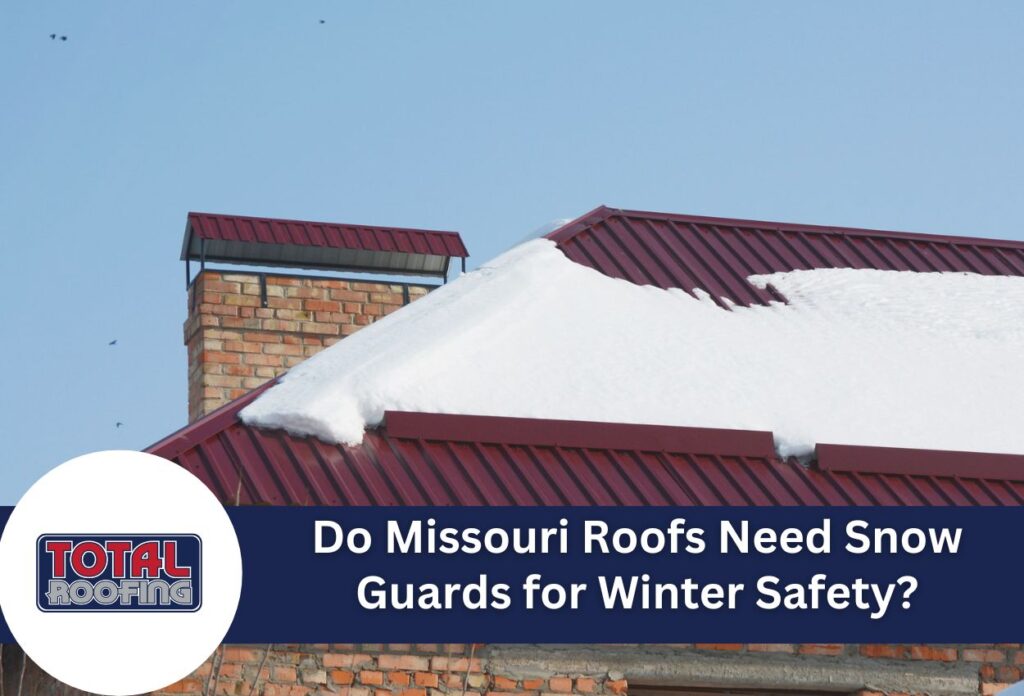

Missouri’s unpredictable winter weather has homeowners questioning whether they need snow guards for their roofs. The state’s unique climate brings sudden temperature swings that can create dangerous conditions for snow that’s accumulated on rooftops. One day temperatures hover near freezing, and the next day warm sunshine melts the snow pack, sending heavy sheets of snow and ice sliding off roofs without warning.
These dramatic weather changes make preventing snow slides on roofs a legitimate safety concern. Snow that avalanches down from rooftops can damage landscaping, vehicles, and pose serious injury risks to anyone walking below. Metal roof snow retention systems have become increasingly popular as homeowners recognize these hazards.
Many Missouri residents assume metal snow guards are only necessary in mountainous regions with heavy snowfall. This misconception overlooks how the state’s freeze-thaw cycles create ideal conditions for dangerous roof avalanches. Even modest snow accumulation becomes problematic when it begins sliding as a solid mass.
Winter roof safety measures extend beyond just snow guards. Ice dam prevention methods and proper roof maintenance play crucial parts in protecting homes during Missouri’s challenging winter months. Understanding when and why snow retention systems such as snow guards make sense requires examining local weather patterns and individual roof characteristics.
Understanding Missouri’s Winter Weather Patterns and Roof Challenges
Missouri’s winter weather creates unique challenges that differ significantly from mountainous regions where snow guards are standard equipment. The state experiences moderate snowfall averaging 12 to 20 inches annually, but the real threat comes from frequent freeze-thaw cycles that destabilize snow that sits on rooftops.
Temperature fluctuations between 20 degrees and 45 degrees Fahrenheit within 24-hour periods cause snow to partially melt and refreeze, creating dense ice layers beneath fresh snowfall. These conditions make even small amounts of snow extremely heavy and prone to sudden release. Unlike consistent cold climates where snow remains powdery, Missouri’s alternating temperatures transform roof snow into dangerous slabs that can slide without warning.
Ice formation presents additional hazards as snow that’s melted from the top refreezes at roof edges, creating ice dams that trap water and threaten structural integrity. Metal roof snow retention systems become particularly valuable during these weather events, as smooth metal surfaces offer little friction to prevent snow slides.
The state’s geographic location between continental air masses means winter weather arrives unpredictably, often catching homeowners unprepared. Snow guards on residential roofs serve as preventive winter roof safety measures that address Missouri’s specific climate challenges rather than just the amount of snow that falls. Understanding these regional weather patterns helps homeowners make informed decisions about ice dam prevention methods and roof protection strategies suited to local conditions.
Signs Your Missouri Roof May Benefit from Snow Guard Installation
Certain features of a roof significantly increase the chance of dangerous snow slides, making metal roof snow guards a worthwhile investment. Steep roof slopes exceeding a 6:12 pitch create ideal conditions for snow to slide down, as gravity easily overcomes the minimal friction between snow and roofing materials. Metal roofing surfaces pose particular risks since their smooth finish provides virtually no resistance to sliding snow.
The position of the roof also plays a crucial role in the potential for sliding snow. South-facing slopes receive direct sunlight that creates freeze-thaw cycles, while rooflines positioned above entryways, driveways, or walkways present serious safety hazards. Multi-story homes with complex rooflines often channel snow from upper sections onto lower roof areas, concentrating dangerous loads that can release suddenly.
Property damage around the home serves as clear warning signs that you should be addressing sliding snow. Damaged gutters, bent downspouts, or crushed landscaping below the roofline indicate previous snow avalanches have occurred. Homeowners may notice broken plants, damaged outdoor furniture, or ground surfaces with gauges where heavy snow masses have fallen.
Safety concerns near building entrances represent the most serious warning signs. Ice chunks or snow debris near doorways, walkways, or parking areas signal immediate danger to family members and visitors. Winter roof safety measures become essential when these warning signs appear, as snow guards for residential roofs can prevent potentially devastating accidents and property damage throughout Missouri’s unpredictable winter seasons.
Types of Snow Retention Systems Available for Missouri Homes
Snow guards for residential roofs come in several distinct styles, each designed to address specific roofing materials and architectural requirements. Pad-style snow guards represent the most common option, featuring individual units that attach directly to the roofing surface. These compact devices work by breaking up snow masses into smaller sections that melt gradually rather than sliding off in dangerous sheets.
Rail systems offer continuous protection along sections of the roof by creating barriers that hold snow in place while allowing for controlled melting. These linear snow retention devices prove particularly effective on longer roofs where pad-style guards might leave large gaps. Fence-type options provide the most robust protection by creating tall barriers that contain heavy snow loads, though they require careful consideration since they impact the appearance of the roof aesthetics.
Metal roof snow retention systems require specialized mounting hardware designed for specific panel profiles. Standing seam metal roofs accommodate clamp-on systems that attach without cutting into the roof surface, preserving waterproof integrity. Corrugated metal and exposed fastener systems typically require different mounting approaches that secure guards directly to the roofing material.
Traditional asphalt shingle roofs present different installation considerations as well, as guards must strike through the shingle surface and underlying roof deck. Quality installations require proper sealing around penetrations to prevent water infiltration. Preventing snow slides on roofs involves selecting appropriate guard styles that match both the roofing material and expected snow loads typical of Missouri’s winter conditions.
Safety Benefits and Risk Prevention for Missouri Properties
Snow guards provide critical protection for people, vehicles, and property by preventing dangerous snow and ice from falling off rooftops. When accumulated snow releases suddenly from smooth roof surfaces, it creates projectiles weighing hundreds of pounds that can cause serious injuries or fatalities. These winter roof safety measures become especially important around building entrances, sidewalks, and parking areas where people regularly walk.
Vehicle damage represents another significant concern addressed by metal roof snow retention systems. Sliding snow can dent car hoods, crack windshields, and damage side mirrors when vehicles are parked near buildings. The financial impact of replacing these damaged elements often exceeds the investment required for preventing snow slides on roofs in the first place.
Property protection extends to landscaping, outdoor equipment, and building components that suffer damage from roof avalanches. Expensive shrubs, decorative plants, and hardscaping features require expensive replacement when crushed by chunks of sliding snow. Air conditioning units, satellite dishes, and other roof-mounted equipment also benefit from snow retention protection.
Snow guards contribute significantly to ice dam prevention methods by promoting controlled melting rather than sudden releases that create freeze-thaw cycles at roof edges. When snow remains on the roof surface longer, it melts gradually and drains through gutters rather than forming dangerous ice buildups. This controlled approach protects roofing structures and interior spaces from water damage while maintaining safe conditions around the property throughout Missouri’s unpredictable winter weather patterns.
The Need for Professional Assessment and Installation
Professional evaluation proves essential for determining proper snow guard placement and quantity on Missouri roofs due to the complex factors involved in effective snow retention. Experienced roofing contractors assess roof pitch, material type, geographic orientation, and local weather patterns to calculate appropriate guard spacing and positioning. These calculations require understanding regional snow loads, wind patterns, and temperature fluctuations that affect how snow accumulates and releases from roof surfaces.
Structural considerations play a crucial role in snow guard installation, as improper mounting can compromise the roofing system’s integrity or create water infiltration points. Professional contractors understand proper fastening techniques for different roofing materials and ensure guards are positioned to maximize effectiveness without creating concentrated points of stress. Metal roof snow retention systems require particular expertise to avoid damaging panel profiles while achieving secure attachment.
Timing considerations significantly impact installation success and project efficiency. Many St. Louis area roofing contractors recommend scheduling snow guard installations during fall before winter weather arrives. This timing allows proper planning, material ordering, and completion during favorable weather conditions when roof access remains safe and practical.
Spring installations also present opportunities for adding winter roof safety measures while addressing other roof maintenance needs discovered after winter weather damage assessments. Professional contractors can evaluate existing roof conditions, identify areas requiring repair, and coordinate comprehensive improvements that include preventing snow slides on roofs as part of broader property protection strategies.
Making the Right Decision for Your Missouri Home’s Winter Protection
Deciding whether to install snow guards for residential roofs requires carefully evaluating several key factors specific to each property and situation. Roof pitch stands out as the primary consideration, with slopes exceeding 4:12 creating an increased risk for snow slides. Metal roofing materials amplify this risk due to their smooth surfaces, making metal roof snow retention systems particularly valuable for Missouri homeowners with steel or aluminum roofs.
Geographic positioning within the property also influences decision-making, as homes situated near busy walkways, driveways, or neighbor boundaries face higher liability concerns when preventing snow slides becomes necessary. Budget considerations must balance initial installation costs against potential property damage, injury liability, and insurance implications that uncontrolled snow slides might create.
Long-term roof maintenance planning should incorporate winter roof safety measures as part of comprehensive property protection strategies. Snow retention systems complement other ice dam prevention methods and extend overall roof longevity by reducing stress from the sudden release of snow and associated structural impacts. Properties with complex rooflines, multiple levels, or architectural features that concentrate snow loads in one place benefit most from systematic snow guard installation.
The investment in snow retention technology pays dividends through reduced property damage, enhanced safety, and improved peace of mind during Missouri’s unpredictable winter months. Homeowners who prioritize proactive protection rather than reactive repairs often discover that preventing snow slides on roofs represents sound financial planning that protects both immediate safety and long-term property value throughout changing seasonal conditions.
Protect Your Missouri Home with Snow Guards from Total Roofing
As a Missouri homeowner, ensuring the safety and integrity of your roof during the harsh winter months is crucial. Snow guards are an effective solution to prevent dangerous snow slides, which can damage property and pose risks to safety. At Total Roofing, we specialize in installing snow guards that cater to Missouri’s unique weather patterns, ensuring your home is protected from unexpected snowfall and ice formations.
Understanding whether your roof needs snow guards involves recognizing specific risk factors such as your roof’s slope, material, and your home’s location. Our experienced team at Total Roofing can provide a professional assessment to help determine the right snow retention system for your roof, enhancing winter safety and preventing potential ice dams.
Don’t wait for the snow to fall to test your roof’s limits. Call us today at (618) 719-6767 to schedule a consultation and ensure your roof is prepared to handle Missouri’s winter challenges safely and efficiently.