



Homeowners in Missouri face unique challenges when it comes to their roofs. The state’s variable climate, characterized by hot humid summers, freezing winters, and everything in between, can significantly impact how long a roof will last. Understanding the expected lifespan of your roof based on its materials is crucial for proper home maintenance and financial planning across the state.
Missouri’s weather patterns create different wear patterns than those seen in other regions of the country. While national averages provide some guidance, local weather factors like frequent temperature fluctuations, heavy seasonal rains, occasional hail storms, and snow accumulation all affect roofing materials differently and reduce their longevity compared to milder climates.
For homeowners trying to determine where their roof stands in its lifecycle, understanding these regional factors helps make informed decisions about maintenance, repairs, or when to schedule a full replacement before serious problems develop.
How Missouri’s Midwest Climate Affects Your Roof’s Durability
Missouri’s unpredictable Midwest climate creates a perfect storm of conditions that can significantly reduce your roof’s lifespan. The state experiences dramatic seasonal shifts that put extraordinary stress on roofing materials throughout the year. Summer temperatures regularly climb above 90 degrees Fahrenheit with high humidity, causing materials to expand and contract, accelerating the breakdown of asphalt shingles.
This constant expansion and contraction cycle weakens the structural integrity of roofing materials over time. Missouri roof durability is further challenged by specific weather events common to the region. The state sits in what meteorologists call “Hail Alley,” with the St. Louis area experiencing several damaging hailstorms annually. These hailstones can create immediate impact damage that compromises your roof’s protective layers.
Additionally, Missouri faces severe thunderstorms that produce wind gusts exceeding 60 mph, which can lift shingles and create entry points for moisture. Winter brings its own challenges with heavy snow adding weight to roofing systems, while the freeze-thaw cycles common during Missouri winters can work moisture into small cracks, expanding them with each cycle.
Roofing Material Comparison: Lifespan Expectations in St. Louis
When considering roof replacement in St. Louis, understanding how different materials perform in our unique climate can help you make the most cost-effective decision for your home. Each roofing material offers different benefits in terms of longevity, particularly when facing Missouri’s challenging weather conditions.
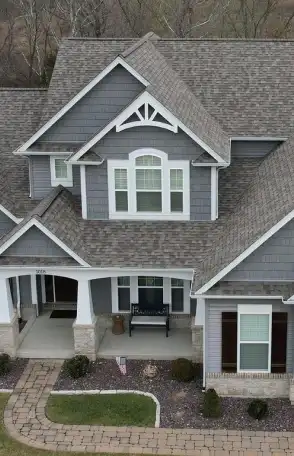
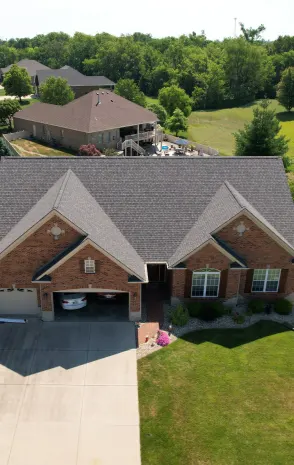
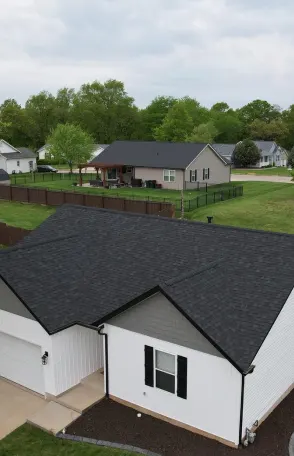
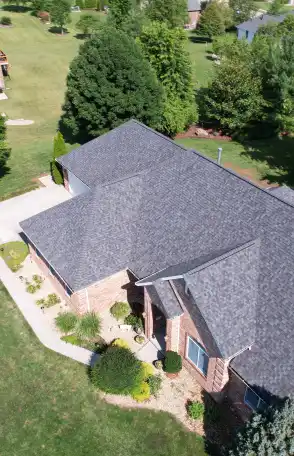
Asphalt shingles, the most popular choice among St. Louis homeowners, typically last 15 to 25 years. Standard 3-tab shingles fall at the lower end of this range, while architectural or dimensional shingles can reach the upper limit when properly maintained. Metal roofing panels provide significantly longer protection, with most systems lasting 40 to 60 years in Missouri’s climate, though premium copper installations can last a century with proper care.
For homeowners seeking maximum durability, concrete tiles offer 30 to 50 years of protection against our seasonal extremes, while clay tiles can last 50 to 75 years but may require additional structural support. Natural slate stands as the most durable option, often outlasting the home itself with an impressive 75 to 100-year lifespan even in our variable climate.
The initial investment increases substantially with longer-lasting materials, but the cost-effectiveness calculation changes when considering replacement frequency. A premium metal roof might cost more upfront than asphalt shingles but could eliminate one or two complete roof replacements over your home ownership period, potentially saving thousands in the long run while providing superior protection against Missouri’s seasonal weather challenges.
Extending Your Roof’s Life: Maintenance Tips for Missouri Homes
Regular maintenance is the key to maximizing your roof’s lifespan in Missouri’s challenging climate. By implementing a strategic maintenance plan tailored to our region’s specific weather patterns, you can add years to your roof’s life and protect your investment. The best approach combines seasonal homeowner vigilance with professional care at critical points throughout the year.
For Missouri homeowners, spring inspections are essential after winter’s harsh conditions. Check for loose or missing shingles, inspect flashing around chimneys and vents, and clear winter debris from valleys where it can trap moisture. Summer brings its own challenges with intense UV exposure and sudden thunderstorms. Keep trees trimmed away from your roof to prevent branch damage during storms and reduce leaf accumulation in gutters.
Fall maintenance is particularly critical. Clear gutters completely before winter to prevent ice dams, which can force water under shingles. Have a professional inspect for damage from summer storms and address any issues before winter arrives. Professional services like comprehensive gutter cleaning, moss treatment, and preventative repairs can dramatically extend your roof’s functionality in our climate.
Most St. Louis area roofing experts recommend professional inspections at least every two years, with older roofs benefiting from annual professional assessment. These maintenance investments are minimal compared to premature roof replacement costs and help ensure your roof reaches its full lifespan despite Missouri’s weather extremes.
Warning Signs Your Missouri Roof Needs Replacement
Recognizing the warning signs of roof failure is crucial for Missouri homeowners dealing with our region’s extreme weather conditions. Years of exposure to hot summers, freezing winters, and everything in between eventually take their toll, manifesting in visible deterioration that signals the end of your roof’s effective lifespan.
Exterior warning signs to watch for include widespread granule loss, which appears as bald spots on shingles or excessive granules in gutters and downspouts. This protective layer shields shingles from UV damage, and its absence accelerates deterioration. Missouri’s frequent temperature fluctuations also cause shingles to curl, crack, or buckle as they expand and contract repeatedly over the seasons.
Don’t overlook interior indicators that are particularly common in St. Louis area homes. Water stains on ceilings or walls often appear following our heavy spring thunderstorms, indicating that moisture has breached your roofing system. During attic inspections, look for daylight penetrating through the roof boards, moisture accumulation, or sagging decking, all clear signs that outside elements are affecting your home’s structure.
Insulation deterioration is another Missouri-specific concern, as our humid summers and cold winters create ideal conditions for mold growth when roof leaks develop. If you notice multiple warning signs or your roof has surpassed its expected lifespan for our region, contacting a qualified St. Louis roofing contractor for a thorough assessment will help determine if repair or replacement is your best option.
Making Informed Roofing Decisions: When to Repair vs. Replace
For Missouri homeowners facing roofing issues, deciding between repairs and full replacement requires careful consideration of several factors. Age is the primary consideration. If your asphalt shingle roof is approaching or has exceeded the 20-year mark in Missouri’s challenging climate, replacement is often more economical than repeated repairs. The extent of damage matters significantly as well; isolated problems affecting less than 30% of the roof generally justify repairs, while widespread issues signal the need for replacement.
Your roof’s remaining useful life should also guide your decision. Consider having a professional assessment of your roof’s current condition relative to Missouri’s climate challenges. If underlying decking shows signs of water damage or warping from our extreme temperature fluctuations, partial repairs rarely solve the fundamental issues. Similarly, multiple layers of existing shingles limit repair options and may indicate it’s time for a complete system replacement.
Planning ahead helps avoid emergency situations during Missouri’s severe weather seasons. Many homeowners benefit from scheduling replacements in fall or spring when conditions are mild and before the extreme summer heat or winter freezes arrive. Understanding your warranty coverage and insurance policy details is crucial, since most policies cover sudden damage from storms but not gradual deterioration from normal Missouri weather exposure. Creating a replacement fund based on your roof’s estimated remaining lifespan provides financial peace of mind and prevents hasty decisions when problems inevitably arise.
Need Expert Roofing Solutions in Missouri? Contact Total Roofing!
Whether you’re dealing with the aftermath of a harsh winter or preparing for the humid summer, knowing the right time to repair or replace your roof is essential. At Total Roofing, we specialize in extending the lifespan of your roof with tailored maintenance and high-quality materials suited for Missouri’s unique weather conditions. If you’re noticing any signs of aging or damage, or if you’re unsure about the current state of your roof, don’t hesitate.
Call us today at (618) 719-6767 for a professional assessment and to learn more about our services. Let us help you make informed decisions about your roof and keep your home safe and secure.